As an Amazon Associate, we earn from qualifying purchases. Some links on this site are affiliate links at no extra cost to you. Our recommendations are based on thorough research and editorial judgment.

10 Best Back Saws Every Woodworker Needs in Their Toolbox

For precise cuts and intricate joinery, every woodworker needs exceptional back saws like the Two Cherries 520-6020, with a 10-inch blade, or the GreatNeck Mitre Box, featuring a 12-inch saw for 3-inch deep cuts. The STANLEY Hand Saw integrates a mitre box, maximizing versatility with 45 and 90-degree angles, while IVY Classic’s 14-inch saw enhances 3-3/8-inch cutting depth. Choosing the right saw hinges on factors like blade length and tooth count, offering significant performance benefits ahead.
Key Takeaways
- Versatile Cutting Depth: Choose back saws with varying cutting depths (1.5 to 3.5 inches) for different woodworking projects, like fine joinery or molding.
- Optimal Tooth Count: Select saws with 10-12 TPI for general tasks and higher TPI for intricate details to enhance cutting speed and finish.
- Lightweight and Balanced Design: Aim for saws weighing between 1.5 to 2.5 pounds for comfort, stability, and reduced hand fatigue during prolonged use.
- Quality Blade Material: Prioritize high-carbon or high-speed steel blades for longevity and superior cutting accuracy, ensuring a professional finish.
- Ergonomic Handle Design: Select saws with comfortable handles made from hardwood or rubber to improve grip and reduce strain during extended tasks.
| Two Cherries 520-6020 10-Inch Brass Back Dovetail Saw | 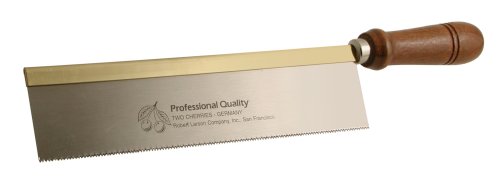 | Precision Dovetail Cutter | Blade Length: 10 inches | Teeth Per Inch: 15 TPI | Blade Material: High-quality steel | VIEW LATEST PRICE | Read Our Analysis |
| GreatNeck Mitre Box and Saw Set (12 Inch) |  | Best for Miter Cuts | Blade Length: 14 inches | Teeth Per Inch: 12 TPI | Blade Material: Steel blade | VIEW LATEST PRICE | Read Our Analysis |
| STANLEY Hand Saw with Mitre Box 12-Inch (19-800) | 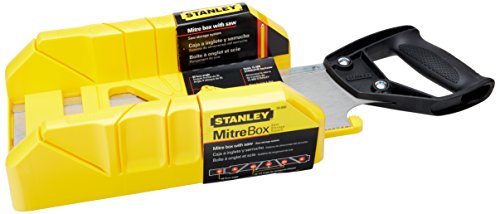 | Versatile Hand Saw | Blade Length: 12 inches | Teeth Per Inch: High Speed Steel (not specified) | Blade Material: High Speed Steel | VIEW LATEST PRICE | Read Our Analysis |
| IVY Classic 11114 14″ Miter Back Saw Hardwood Handle |  | Fast Cutting Performance | Blade Length: 14 inches | Teeth Per Inch: 12 TPI | Blade Material: Alloy-steel | VIEW LATEST PRICE | Read Our Analysis |
| Z-Saw Dozuki Back Japanese Handsaw (240mm 9 1/2″) for Hard Wood |  | Japanese Craftsman Tool | Blade Length: 9.4 inches (240 mm) | Teeth Per Inch: Not specified | Blade Material: High-Speed Steel | VIEW LATEST PRICE | Read Our Analysis |
| IVY Classic 11111 10″ Dovetail Saw Hardwood Handle |  | Ideal for Fine Carpentry | Blade Length: 10 inches | Teeth Per Inch: 12 TPI | Blade Material: Alloy-steel | VIEW LATEST PRICE | Read Our Analysis |
| SUIZAN Dozuki Dovetail Saw 6″ Woodworking Tool | 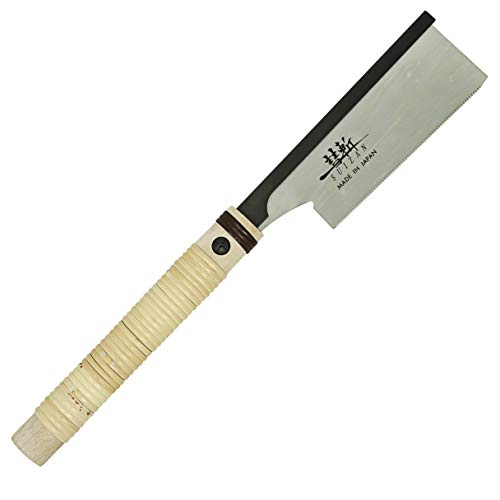 | Lightweight Pull Saw | Blade Length: 6 inches (150 mm) | Teeth Per Inch: 25 TPI | Blade Material: High-quality Japanese steel | VIEW LATEST PRICE | Read Our Analysis |
| Edward Tools 14” Hand Back Saw with Ergo Grip |  | Ergonomic Design | Blade Length: 14 inches | Teeth Per Inch: Not specified | Blade Material: Heat treated carbon steel | VIEW LATEST PRICE | Read Our Analysis |
| Spear & Jackson Saw Skew Back 22 inch x 10 ppi | 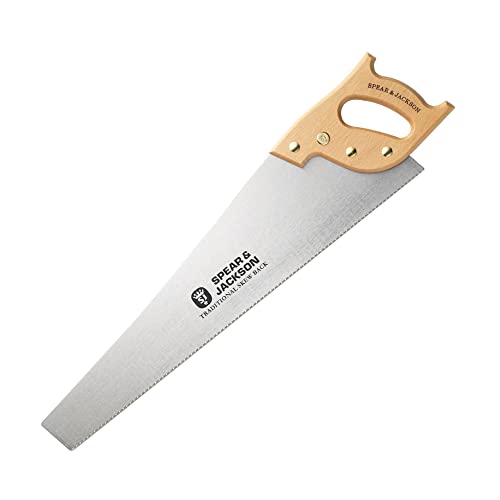 | General Use Champion | Blade Length: 22 inches | Teeth Per Inch: 10 TPI | Blade Material: Carbon steel | VIEW LATEST PRICE | Read Our Analysis |
| CROWN 195 12″ 305mm Tenon Saw Brass Back 13 TPI – Full Handle Red | 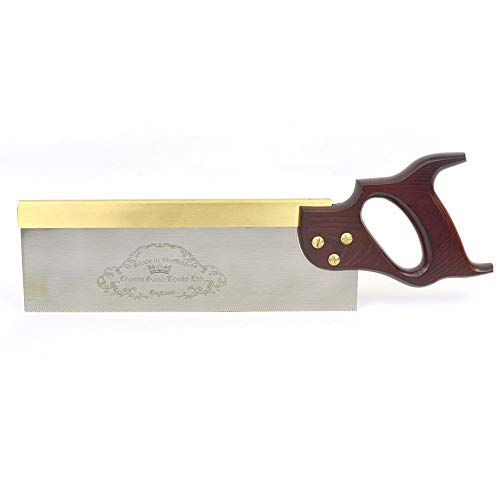 | High-Quality Tenon Saw | Blade Length: 12 inches (305 mm) | Teeth Per Inch: 13 TPI | Blade Material: High Carbon Steel | VIEW LATEST PRICE | Read Our Analysis |
More Details on Our Top Picks
Two Cherries 520-6020 10-Inch Brass Back Dovetail Saw
If you’re a woodworker aiming for precision in your dovetail joints, the Two Cherries 520-6020 10-Inch Brass Back Dovetail Saw stands out as a top choice. With a high-quality, pre-sharpened German steel blade, this saw features a length of 10 inches and possesses 15 teeth per inch, ensuring clean and accurate cuts. It’s designed to cut wood up to 2 inches deep, while its brass back provides necessary stiffness, enhancing stability during operation. Weighing just 8 ounces, it’s highly portable, and the wooden handle offers comfort, making it a reliable, versatile tool for both joint cutting and general tasks in your workshop.
- Blade Length:10 inches
- Teeth Per Inch:15 TPI
- Blade Material:High-quality steel
- Power Source:Manual
- Designed Use:Dovetail and fine joints
- Comfort Handle:Wooden handle
- Additional Feature:Pre-sharpened blade
- Additional Feature:15 teeth per inch
- Additional Feature:Limited warranty included
GreatNeck Mitre Box and Saw Set (12 Inch)
The GreatNeck Mitre Box and Saw Set, featuring a 12-inch mitre box paired with a 14-inch back saw, stands out as an excellent choice for woodworkers seeking precision in molding and trim applications. With 12 teeth per inch, the saw excels in delivering smoother cuts through both soft and hard woods. Its reinforced steel back guarantees straight cuts, accommodating a maximum cutting depth of 3 inches. You’ll appreciate the preset 45-degree and 90-degree angles that enhance accuracy for beveled corner cuts. Plus, the integrated 8.5-inch ruler edge simplifies quick measurements, making your work both precise and efficient.
- Blade Length:14 inches
- Teeth Per Inch:12 TPI
- Blade Material:Steel blade
- Power Source:Manual
- Designed Use:Molding and trim
- Comfort Handle:High-impact plastic handle
- Additional Feature:Integrated measurement ruler
- Additional Feature:Reinforced steel back
- Additional Feature:45-degree and 90-degree angles
STANLEY Hand Saw with Mitre Box 12-Inch (19-800)
STANLEY’s Hand Saw with Mitre Box, 12-Inch (19-800) stands out as an exceptional choice for woodworkers seeking precision and ease of use in their cutting tasks. This versatile hand saw, crafted from high-speed steel, offers sharpness and durability. With the integrated mitre box featuring slots at 90 degrees, 45 degrees, and 22-1/2 degrees, you can achieve accurate angles effortlessly. The handy built-in pencil pocket simplifies measuring and marking, while holes in the base allow for secure fastening to a workbench. Plus, the open interior design facilitates quick cleanup, making your workspace more efficient. This tool truly embodies functionality and convenience.
- Blade Length:12 inches
- Teeth Per Inch:High Speed Steel (not specified)
- Blade Material:High Speed Steel
- Power Source:Hand-powered
- Designed Use:General woodworking
- Comfort Handle:Open housing design
- Additional Feature:Finger button release mechanism
- Additional Feature:Holes for workbench fastening
- Additional Feature:Integrated pencil pocket
IVY Classic 11114 14″ Miter Back Saw Hardwood Handle
Crafted for woodworking enthusiasts who demand precision in their cuts, the IVY Classic 11114 14″ Miter Back Saw with a hardwood handle stands out as a reliable tool for those utilizing a miter box. Its 14-inch blade, made from alloy steel and reinforced with a steel back, guarantees straight cuts for both soft and hard woods. Thanks to the precision ground, tri-edge teeth, you’ll experience swift cutting—up to 50% faster than conventional saws. With a cutting depth of 3-3/8 inches and 12 points per inch, this saw is ideal for achieving accurate angles. Plus, a reusable plastic blade guard enhances safety during storage.
- Blade Length:14 inches
- Teeth Per Inch:12 TPI
- Blade Material:Alloy-steel
- Power Source:Manual
- Designed Use:Miter box use
- Comfort Handle:Hardwood handle
- Additional Feature:Cuts 50% faster
- Additional Feature:Reusable plastic blade guard
- Additional Feature:Tri-edge teeth design
Z-Saw Dozuki Back Japanese Handsaw (240mm 9 1/2″) for Hard Wood
For woodworkers who demand precision and finesse in their cuts, the Z-Saw Dozuki Back Japanese Handsaw (240mm, 9 1/2 inches) stands out as an ideal choice, especially when tackling hardwood. This handsaw features a remarkably thin blade, with a plate thickness of just 0.01 inch (0.3 mm) and a cutting width of 0.02 inches (0.43 mm), allowing for clean, accurate cuts. Crafted from high-speed steel, its sharpness provides excellent performance in detailed hardwood processing. With a pitch of 0.05 inches (1.2 mm), you’re empowered to achieve intricate joinery with ease, making it an indispensable tool for serious woodworkers.
- Blade Length:9.4 inches (240 mm)
- Teeth Per Inch:Not specified
- Blade Material:High-Speed Steel
- Power Source:Manual
- Designed Use:Hard wood processing
- Comfort Handle:Wood handle
- Additional Feature:Razor-sharp Japanese steel
- Additional Feature:Lightweight and portable
- Additional Feature:Fine cross-section cutting
IVY Classic 11111 10″ Dovetail Saw Hardwood Handle
The IVY Classic 11111 10″ Dovetail Saw, equipped with a hardwood handle, stands out as an excellent choice for woodworkers seeking precision and control in their fine carpentry tasks. Featuring a hardened and tempered alloy-steel blade, this saw offers durability with a reinforced steel back that guarantees accurate, straight cuts. Its 10-inch blade delivers a cutting depth of 1-1/2 inches, while the precision ground teeth—12 points per inch—are designed for swift cutting on the push stroke, enhancing your efficiency. Ideal for soft and hard woods, this versatile saw excels in making clean cuts for dovetail joints and trimming.
- Blade Length:10 inches
- Teeth Per Inch:12 TPI
- Blade Material:Alloy-steel
- Power Source:Manual
- Designed Use:Carpentry
- Comfort Handle:Hardwood handle
- Additional Feature:Precision ground teeth
- Additional Feature:Swift Cut technology
- Additional Feature:Comfortable hardwood handle
SUIZAN Dozuki Dovetail Saw 6″ Woodworking Tool
Engineered with precision, the SUIZAN Dozuki Dovetail Saw stands out as an exceptional choice for both novice and professional woodworkers due to its razor-sharp blade made from high-quality Japanese steel, measuring 6 inches in length. With a blade thickness of just 0.012 inches and 25 teeth per inch, it’s designed for fine, clean cuts, ensuring minimal kerf width of 0.02 inches. Weighing only 0.317 ounces, this lightweight pull saw allows for effortless handling, enhancing your accuracy at maintaining 90-degree angles. Its wooden handle offers comfort during extended use, making it a versatile tool in any woodworking project.
- Blade Length:6 inches (150 mm)
- Teeth Per Inch:25 TPI
- Blade Material:High-quality Japanese steel
- Power Source:Manual
- Designed Use:Fine woodworking
- Comfort Handle:Wood handle
- Additional Feature:Professional Japanese design
- Additional Feature:Pull saw cutting method
- Additional Feature:30-day return guarantee
Edward Tools 14” Hand Back Saw with Ergo Grip
Crafted for woodworkers who prioritize precision and efficiency, the Edward Tools 14” Hand Back Saw stands out with its double blade design featuring hardened teeth that deliver cleaner, quicker cuts. Constructed from heat-treated carbon steel, this saw boasts enhanced durability and cutting performance, making it a reliable choice for various woodworking tasks. The soft Ergo Grip handle guarantees a comfortable and secure hold, reducing fatigue during extended use. Additionally, it includes a protective blade sleeve for safe storage and transport when the saw’s not in action. With a lifetime warranty, Edward Tools demonstrates confidence in its product’s quality and longevity.
- Blade Length:14 inches
- Teeth Per Inch:Not specified
- Blade Material:Heat treated carbon steel
- Power Source:Manual
- Designed Use:Hand sawing
- Comfort Handle:Ergo Grip handle
- Additional Feature:Double blade design
- Additional Feature:Protective blade sleeve
- Additional Feature:Soft Ergo Grip handle
Spear & Jackson Saw Skew Back 22 inch x 10 ppi
For woodworkers seeking a reliable and versatile tool, the Spear & Jackson Saw Skew Back is an exceptional choice, boasting a 22-inch carbon steel blade and a tooth design featuring 10 teeth per inch (tpi). Its skew back design enhances balance and reduces friction, making it easier to handle during various cutting tasks. The universal tooth configuration allows for efficient cuts across the grain and along it, proving effective on timber, chipboard, and plywood. Plus, the precision cross ground teeth can be resharpened, prolonging the saw’s life, making it an indispensable addition to your woodworking arsenal for any project.
- Blade Length:22 inches
- Teeth Per Inch:10 TPI
- Blade Material:Carbon steel
- Power Source:Manual
- Designed Use:General woodworking
- Comfort Handle:Not specified
- Additional Feature:Skew back design
- Additional Feature:Resharpenable teeth
- Additional Feature:Universal tooth design
CROWN 195 12″ 305mm Tenon Saw Brass Back 13 TPI – Full Handle Red
The CROWN 195 12″ (305mm) Tenon Saw stands out as a top choice for woodworkers seeking precision and reliability in their cuts. This exceptional tool features a high carbon steel blade, resharpenable for prolonged use, and a brass back that provides necessary stiffness, ensuring straight cuts. With 13 teeth per inch, you’ll achieve smooth, fine results in hardwoods. The Fagus sylvatica handle, securely fixed with screws, offers a comfortable grip, facilitating better control during operation. Manufactured by Crown Hand Tools Ltd in Sheffield, England, this saw is perfect for precise tenon cuts, making it indispensable in your woodworking toolkit.
- Blade Length:12 inches (305 mm)
- Teeth Per Inch:13 TPI
- Blade Material:High Carbon Steel
- Power Source:Manual
- Designed Use:Tenon cutting
- Comfort Handle:Full handle
- Additional Feature:Full handle design
- Additional Feature:Resharpenable high carbon steel
- Additional Feature:Stiffened with brass back
Factors to Consider When Choosing a Back Saw
When you’re choosing a back saw, several key factors come into play that can greatly affect your woodworking experience. You’ll want to take into account blade length, which typically ranges from 10 to 14 inches, as well as tooth count variations, where a higher TPI offers smoother cuts but may require more effort. Additionally, understanding the importance of handle material, saw weight and balance, and cutting depth capabilities will help you select the right saw for your specific needs.
Blade Length Considerations
Selecting the right blade length for your back saw is essential, especially since it directly impacts your cutting efficiency and precision. Typically, blade lengths range from 10 to 14 inches. If you’re looking for versatility, a 12-inch saw strikes a good balance between maneuverability and cutting depth, making it suitable for various tasks. For intricate work in tight spaces, shorter blades, like 6 inches, are ideal for detailed cuts, such as dovetails. When considering depth, most back saws can cut between 1.5 to 3.5 inches. Remember, the blades’ teeth per inch (TPI) also correlates with its length; higher TPI often appears in shorter blades designed for precision, while longer blades provide more surface area for larger projects.
Tooth Count Variations
Understanding tooth count variations is essential for enhancing your back saw’s performance, especially after considering factors like blade length. The tooth count, measured in teeth per inch (TPI), impacts both cutting speed and finish quality. For general woodworking tasks, a saw with 10-12 TPI strikes a good balance, offering decent speed and cut quality. If you’re tackling intricate joinery or delicate materials, consider higher counts of 15-25 TPI for smoother, precise results. For rough cuts, a saw with 7 TPI is more suitable. Remember, tooth design variations, like rips and crosscut teeth, also influence efficiency, so choose a saw that matches your specific needs, ensuring superior performance across various projects.
Handle Material Importance
Choosing the right handle material for your back saw is vital for achieving perfect comfort and control during your woodworking projects. Ergonomic materials can greatly reduce hand fatigue, which is essential for extended use. Hardwood handles deliver durability and a classic aesthetic, while plastic or rubber grips excel in slip resistance. A well-designed handle, crafted from lightweight high-impact materials, enhances maneuverability and allows for better precision on intricate cuts. Furthermore, the feel of the handle against your skin matters; some materials can cause blisters during prolonged use, detracting from productivity. Finally, consider how the handle material affects the overall weight distribution, which is key to balancing your saw for maximum ease of use.
Saw Weight And Balance
When it comes to back saws, weight and balance play fundamental roles in your ability to make precise cuts. A saw that’s too heavy can cause fatigue, while one that’s too light may feel unstable during use. Ideally, a back saw should weigh between 1.5 to 2.5 pounds, allowing for comfortable handling without sacrificing control. Balance is essential; a well-balanced saw, with even weight distribution between the handle and blade, promotes smoother cuts and minimizes hand strain, especially during extended tasks. For intricate work in tight spaces, lighter saws offer superior maneuverability, enabling you to apply consistent pressure. When held correctly, your saw should feel comfortably secure, enhancing your cutting technique and reducing the likelihood of mistakes.
Cutting Depth Capabilities
While weight and balance determine how comfortably you use your back saw, the cutting depth capabilities directly influence your project’s outcome. Most back saws offer cutting depths between 1.5 inches and over 3 inches, making it crucial to choose one capable of tackling the materials you plan to use. A saw with a higher cutting depth enhances versatility, tackling tasks like dovetail joints and thicker woods with ease. In particular, if you’re engaging in specialized work, like utilizing a miter box or fine jointing, selecting the right cutting depth is essential for clean, precise cuts. Ultimately, match your saw’s capabilities to the material thickness intended for your projects, ensuring exceptional results every time.
Construction Material Quality
The backbone of any back saw lies in its construction material quality, which plays a pivotal role in determining both durability and cutting performance. Choosing high-carbon or high-speed steel markedly boosts the saw’s lifespan and its ability to hold a sharp edge. For added stability during cuts, look for a reinforced steel back, as it helps maintain straightness—vital for precision work. The blade’s hardness, achieved through tempering processes, enhances wear resistance. Additionally, materials like brass can stiffen the blade, minimizing vibrations for improved accuracy. Don’t overlook the handle; options like hardwood or high-impact plastic not only amplify comfort but also guarantee better control during operation, making each cut smoother and more efficient.
Intended Use Type
Choosing the right back saw hinges on understanding the intended use type, which shapes essential aspects like blade length and tooth configuration. If you’re engaging in fine joinery, opt for a back saw with a higher teeth per inch (TPI) count—like 12-15 TPI—to achieve cleaner, more precise cuts for dovetail joints or molding. For general-purpose tasks, a saw with a moderate TPI, around 8-10, offers versatility for various materials and cut depths. Also, evaluate your project needs regarding maximum cutting depth; some tasks may require cuts beyond the saw’s limitations. Don’t forget to take into account whether the saw is optimized for push or pull cutting action, as this will greatly impact your efficiency and comfort while working.
Frequently Asked Questions
What Is the Difference Between a Dovetail Saw and a Tenon Saw?
A dovetail saw has a thinner blade and finer teeth, typically around 15-20 TPI (teeth per inch), making it ideal for precise joinery like dovetails, while a tenon saw features a broader blade with around 10-14 TPI, designed for cutting larger joints like tenons. The dovetail saw excels at detail work, whereas the tenon saw is better suited for deeper cuts in thicker stock, providing distinct advantages in specific woodworking tasks.
How Should I Maintain My Back Saw?
To maintain your back saw effectively, clean it after each use, removing any resin or debris that could hinder performance. Lubricate the blade with light machine oil, ensuring it stays rust-free. Regularly check the teeth for damage, sharpening them as needed; studies show that a well-maintained blade can cut 30% more efficiently. Store your saw in a protective case, keeping it dry and free from moisture to extend its lifespan considerably.
Can I Use a Back Saw for Cutting Curves?
No, you can’t effectively use a back saw for cutting curves. Back saws are designed with rigid blades and fine teeth, ideal for straight cuts and precise joinery in wood. For curves, consider using a coping saw or a band saw, as these tools offer greater flexibility. They can handle tight radii, usually as small as 1 inch, while maintaining accuracy. Always guarantee you select the correct tool for the best results in your project.
What Type of Wood Is Best for Back Saws?
The best wood for back saws typically includes high-quality hardwoods like maple or beech due to their durability and resistance to warping. These woods provide stability, ensuring accurate cuts. For handles, materials such as walnut or brass are often preferred, offering strength and aesthetic appeal. When testing saws, look for blade thickness around 0.020 inches, which increases cutting precision while maintaining flexibility. The combination of these materials enhances overall performance and longevity.
How Do I Choose the Right Tooth Count for My Projects?
To choose the right tooth count for your projects, consider the material and type of cut. Generally, a saw with 14 to 20 teeth per inch (TPI) suits fine, detailed work, whereas 8-12 TPI works best for quick, rough cuts. For hardwoods, opt for higher TPI to achieve smoother finishes. Testing several saws on scrap pieces can help determine the best tooth count based on your specific application and desired outcomes. Happy cutting!