As an Amazon Associate, we earn from qualifying purchases. Some links on this site are affiliate links at no extra cost to you. Our recommendations are based on thorough research and editorial judgment.


7 Best Compass Saws Every Woodworker Needs in Their Toolbox

When selecting compass saws, consider options like the Goldblatt Folding Drywall Jab Saw with its ergonomic grip and bi-metal blade, or the IRWIN Tools ProTouch Coping Saw featuring a high-speed steel blade for intricate cuts. Also, check out the BAHCO 3150-12-XT9-HP for its superior handle design and durability. The WEDGE 13″ Compass Saw stands out for precision and lightweight use, while the GreatNeck 12″ model offers excellent performance. Knowing the options will help you make informed choices for your toolbox.
Key Takeaways
- Compass saws excel in creating intricate cuts in wood, plastic, and drywall, enhancing versatility for woodworking projects.
- Consider blade materials; high-speed steel and bi-metal blades provide superior strength, durability, and cutting efficiency.
- Ergonomic designs with soft grip handles minimize fatigue, allowing for extended use and comfort during demanding tasks.
- Different tooth configurations impact cutting precision, with higher TPI providing smoother finishes for detailed work.
- Lightweight, portable designs with foldable options ensure easy storage and convenient handling in tight spaces.
| Goldblatt Folding Drywall Jab Saw with Soft Grip Handle | 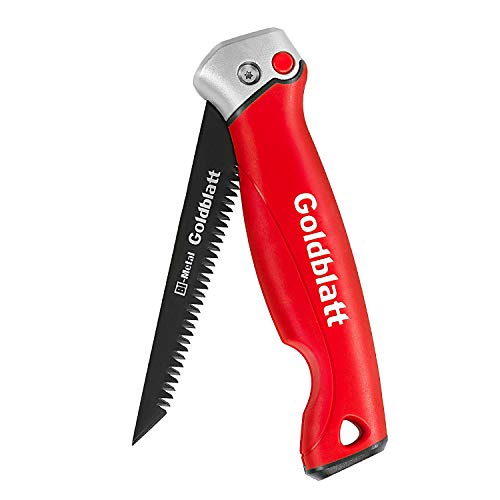 | Best for Precision Cuts | Blade Material: Bi-metal | Total Length: 11-3/4 inches | Ergonomic Handle: Soft grip | VIEW LATEST PRICE | Read Our Analysis |
| IRWIN Tools ProTouch Coping Saw (2014400) Blue & Yellow | 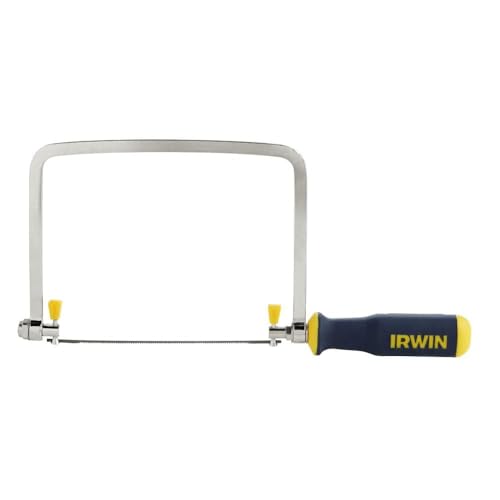 | Comfort First | Blade Material: High-speed steel | Total Length: 6-1/2 inches | Ergonomic Handle: ProTouch handle | VIEW LATEST PRICE | Read Our Analysis |
| BAHCO 3150-12-XT9-HP 12 Inch Ergo Superior Compass Saw with XT Toothing | 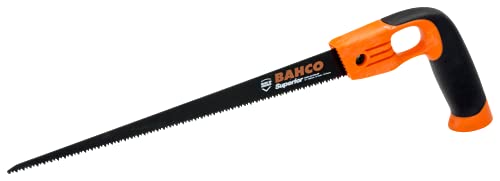 | Superior Stability | Blade Material: High-speed steel | Total Length: 12 inches | Ergonomic Handle: Ergonomic two-component | VIEW LATEST PRICE | Read Our Analysis |
| WEDGE 13″ Compass Saw with Ergonomic Handle |  | Lightweight Champion | Blade Material: High-speed steel | Total Length: 13 inches | Ergonomic Handle: Ergonomic plastic | VIEW LATEST PRICE | Read Our Analysis |
| BAHCO PC-12-COM 12 Inch Professional Cut Compass Handsaw |  | Professional Performance | Blade Material: High-speed steel | Total Length: 12 inches | Ergonomic Handle: Two-component | VIEW LATEST PRICE | Read Our Analysis |
| GreatNeck 12″ Compass Saw for Wood & Plastic | 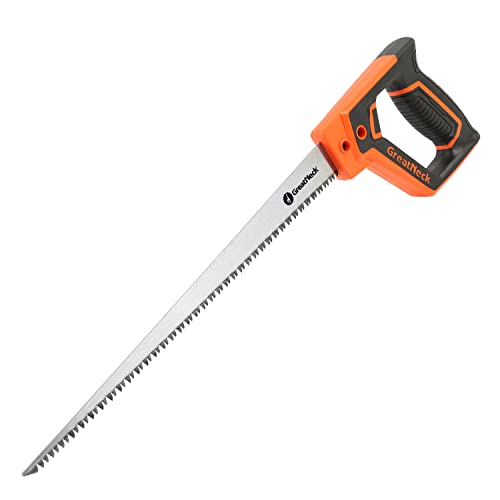 | Heavy-Duty Durability | Blade Material: Alloy steel | Total Length: 12 inches | Ergonomic Handle: Anti-slip comfort | VIEW LATEST PRICE | Read Our Analysis |
| Goldblatt Drywall Saw with Soft Grip Handle | 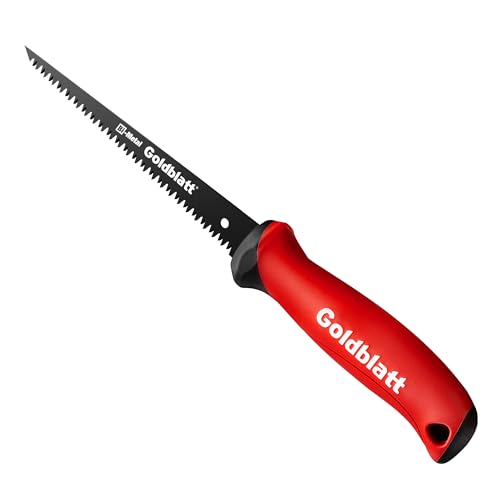 | Fast-Track Cutting | Blade Material: Bi-metal | Total Length: 6 inches | Ergonomic Handle: Soft grip | VIEW LATEST PRICE | Read Our Analysis |
More Details on Our Top Picks
Goldblatt Folding Drywall Jab Saw with Soft Grip Handle
The Goldblatt Folding Drywall Jab Saw, equipped with its precision triple-ground teeth, stands out as an essential tool for woodworkers and DIY enthusiasts alike, particularly those who require accuracy and versatility in their cutting tasks. With a total length of 11-3/4 inches and a 5-inch blade, this manual saw features an 8 TPI bi-metal blade that cuts effortlessly in both directions. Its ergonomic soft grip handle, measuring 6-3/4 inches, minimizes fatigue while allowing for superior cutting angles. Designed for safety, its secure lock system prevents accidental closure, and its foldable design guarantees easy portability, perfect for any toolbox.
- Blade Material:Bi-metal
- Total Length:11-3/4 inches
- Ergonomic Handle:Soft grip
- Cutting Direction:Both push and pull
- Applications:Drywall, plywood, plastic
- Weight:Not specified
- Additional Feature:Precision triple-ground teeth
- Additional Feature:Bidirectional cutting capability
- Additional Feature:Secure lock system
IRWIN Tools ProTouch Coping Saw (2014400) Blue & Yellow
When precision cutting is a top priority, the IRWIN Tools ProTouch Coping Saw (2014400) stands out as an excellent tool for woodworkers. Its vibrant blue and yellow design is complemented by an ergonomic ProTouch handle, ensuring you’ll remain comfortable during extended use. With a high-speed steel blade measuring 6-1/2 inches and featuring a tooth count of 17 points per inch, this saw excels in cutting through various materials effortlessly. The sturdy flat-bar frame, along with durable DuraSteel pins, guarantees long-lasting performance and frame depth of 5-1/2 inches makes intricate cuts a breeze. You won’t regret adding this to your toolbox.
- Blade Material:High-speed steel
- Total Length:6-1/2 inches
- Ergonomic Handle:ProTouch handle
- Cutting Direction:Push
- Applications:Various materials
- Weight:Not specified
- Additional Feature:Ergonomic ProTouch handle
- Additional Feature:DuraSteel pins durability
- Additional Feature:Flat-Bar frame design
BAHCO 3150-12-XT9-HP 12 Inch Ergo Superior Compass Saw with XT Toothing
Crafted specifically for woodworkers who demand precision and efficiency, the BAHCO 3150-12-XT9-HP 12 Inch Ergo Superior Compass Saw stands out for its ergonomic handle and exceptional stability. This high-speed steel blade, measuring 12 inches, features bevel ground teeth, providing greater height precision and enhanced straight cutting performance. You’ll appreciate the two-component ergonomic handle, designed to distribute power evenly along the tooth line, allowing for efficient cutting through various woods and plastics. The reusable plastic tooth protector offers added convenience, while its pull-cutting design guarantees maximum stability and effectiveness. It’s a reliable tool that’s perfect for your woodworking projects.
- Blade Material:High-speed steel
- Total Length:12 inches
- Ergonomic Handle:Ergonomic two-component
- Cutting Direction:Pull
- Applications:Woods and plastics
- Weight:Not specified
- Additional Feature:Exceptional stability on pull
- Additional Feature:Patented reusable tooth protector
- Additional Feature:Bevel ground teeth design
WEDGE 13″ Compass Saw with Ergonomic Handle
Woodworking enthusiasts seeking a reliable tool for intricate cuts will find the WEDGE 13″ Compass Saw with Ergonomic Handle particularly advantageous. Weighing only 2.5 ounces and featuring an 8″ high-speed steel blade, it delivers precision cutting with 10 teeth per inch. Its ergonomic plastic handle enhances comfort, allowing you to work longer without strain. This saw excels when tasked with curves and complex shapes, making it ideal for both wood and plastic projects. Lightweight yet durable, it’s suited for carpenters and builders alike, providing versatility for all your woodworking endeavors. Don’t underestimate the importance of this essential tool in your toolbox.
- Blade Material:High-speed steel
- Total Length:13 inches
- Ergonomic Handle:Ergonomic plastic
- Cutting Direction:Curved cuts
- Applications:Plastic and wood
- Weight:2.5 ounces
- Additional Feature:Optimized for intricate shapes
- Additional Feature:Lightweight construction
- Additional Feature:10 teeth per inch
BAHCO PC-12-COM 12 Inch Professional Cut Compass Handsaw
For precision and ease during demanding projects, the BAHCO PC-12-COM 12 Inch Professional Cut Compass Handsaw stands out as a top choice for woodworkers. With its 12-inch blade and 9 teeth per inch, this handsaw efficiently handles contour cuts in various wood and plastic materials. The high-speed steel blade features super sharp GT toothing, guaranteeing exceptional cutting results every time. Weighing only 4.5 ounces, the lightweight design allows for comfortable maneuvering. Additionally, its two-component handle enhances grip, promoting prolonged use without strain. Plus, the reusable patented tooth protector ensures longevity, making it a reliable tool for any serious woodworker’s toolbox.
- Blade Material:High-speed steel
- Total Length:12 inches
- Ergonomic Handle:Two-component
- Cutting Direction:Contour cuts
- Applications:Wood and plastic
- Weight:4.5 ounces
- Additional Feature:Super sharp GT toothing
- Additional Feature:Lightweight for ease of use
- Additional Feature:Limited lifetime warranty
GreatNeck 12″ Compass Saw for Wood & Plastic
The GreatNeck 12″ Compass Saw stands out as an ideal tool for both hobbyists and professional woodworkers seeking precision in their projects. With an alloy steel blade featuring an induction hardened, tri-bevel tooth design, this saw delivers durability and maintains sharpness for heavy-duty cutting across wood, plastic, drywall, and non-ferrous metals. Its compact design is versatile, enabling you to tackle tight spaces easily. The anti-slip comfort handle minimizes hand fatigue, providing a secure grip during long tasks. With excellent corrosion resistance, you’ll appreciate its reliable performance across various environments, ensuring a long lifespan for your essential cutting tool.
- Blade Material:Alloy steel
- Total Length:12 inches
- Ergonomic Handle:Anti-slip comfort
- Cutting Direction:Both push and pull
- Applications:Wood, plastic, drywall
- Weight:Not specified
- Additional Feature:Induction hardened blade
- Additional Feature:Anti-slip comfort handle
- Additional Feature:Versatile compact design
Goldblatt Drywall Saw with Soft Grip Handle
Crafted for the precise needs of both professionals and DIY enthusiasts, the Goldblatt Drywall Saw with Soft Grip Handle shines in its ability to cut through challenging materials like drywall and plywood with ease. Its 6-inch jab saw design effectively tackles materials such as wallboard and cement board, thanks to a D6A+M2 bi-metal blade that offers smooth operation. The precision cross-ground teeth enhance cutting speed by 50% compared to traditional blades, while the deep gullets keep the blade free of debris. With an ergonomic, slip-resistant handle aimed at reducing fatigue, this saw guarantees safe and efficient cutting for all your projects.
- Blade Material:Bi-metal
- Total Length:6 inches
- Ergonomic Handle:Soft grip
- Cutting Direction:Both push and pull
- Applications:Drywall, plywood, PVC
- Weight:Not specified
- Additional Feature:Bi-metal blade design
- Additional Feature:50% faster cutting speed
- Additional Feature:Prominent handle guard
Factors to Consider When Choosing a Compass Saw
When you’re selecting a compass saw, consider key factors like blade material type, which affects durability and cutting efficiency, as well as the ergonomic handle design for comfort during extended use. Evaluating cutting capacity range and tooth configuration benefits can greatly influence your project outcomes, allowing for precision in intricate cuts. Additionally, weight and balance considerations guarantee you have the control and agility needed to tackle various woodworking tasks effectively.
Blade Material Type
Choosing the right blade material type for your compass saw is vital for achieving ideal cutting results and longevity. High-speed steel blades are highly favored due to their strength and ability to maintain sharpness, making them a go-to choice. On the other hand, alloy steel blades offer enhanced corrosion resistance and longevity, allowing you to tackle various materials effectively. If you need improved cutting efficiency, look for blades featuring an induction-hardened, tri-bevel tooth design, which greatly reduces wear during heavy-duty use. Additionally, pay attention to the blade’s tooth design; beveled teeth provide precise cuts and better control, essential for intricate work. Always select a blade material suited for your specific applications, whether cutting wood, plastic, or other substrates.
Ergonomic Handle Design
While selecting a compass saw, the importance of an ergonomic handle design cannot be overstated, as it directly affects your comfort and precision during cutting tasks. A two-component handle can greatly enhance grip, reducing hand strain during prolonged use. Look for features like anti-slip materials, which not only improve user comfort but also provide better control when you’re executing intricate cuts. The handle’s shape and placement can facilitate even weight distribution, ensuring stability and precision as you work. Additionally, many ergonomic designs cater to varying hand sizes, which helps minimize fatigue. Enhanced maneuverability in well-designed handles allows you to navigate tight spaces with ease, making your cutting tasks smoother and more efficient.
Cutting Capacity Range
Selecting the right compass saw requires careful consideration of its cutting capacity range, which largely depends on several key factors. First, compass saw blades typically range from 6 to 12 inches in length, giving you versatility for different materials and thicknesses. The tooth count, varying from 9 to 17 teeth per inch, influences cutting speed and smoothness. High-speed steel blades enhance durability and maintain sharpness across various tasks. Additionally, the design and geometry of the teeth, including bevel-ground and tri-bevel options, affect cutting capability; some excel in straight cuts while others maneuver intricate curves. Finally, a saw’s frame depth impacts flexibility and control, particularly when you’re working in tight spaces. Choose wisely for ideal results.
Tooth Configuration Benefits
The tooth configuration of a compass saw plays an important role in determining its cutting efficiency and effectiveness, impacting your projects greatly. Bevel ground teeth enhance cutting precision, providing smoother cuts in wood and plastic. Opting for a higher tooth count, often around 10-12 teeth per inch, yields finer, more polished cuts, perfect for intricate work. Conversely, coarser configurations with about 6 teeth per inch allow for rapid material removal, albeit with a rougher finish. Tri-bevel designs can greatly improve cutting performance and blade longevity compared to traditional flat-ground configurations. Additionally, consider tooth spacing; deeper gullets between teeth facilitate better debris clearance, enhancing cutting speed and efficiency, which is vital for smooth, uninterrupted workflow during your projects.
Weight and Balance Considerations
Choosing the right compass saw involves understanding the significance of weight and balance, as these factors directly affect your control and comfort during use. A saw weighing under 5 ounces can help you maneuver without straining your hand, vital for extended work sessions. Additionally, balance is essential; a well-balanced saw guarantees stability for precise cuts during push and pull motions. Look for ergonomic handle designs that distribute weight evenly, reducing fatigue during detailed tasks. Keep the blade’s length and material in mind too—heavier blades make it challenging to navigate tight spaces where precision is key. Finally, consider the overall design and weight distribution of the saw, as this affects both handling and cutting accuracy.
Durability and Build Quality
Durability and build quality serve as pivotal factors when evaluating a compass saw, especially if you plan on using it for intricate woodworking projects. High-speed steel and bi-metal blades greatly enhance strength and wear resistance, giving you confidence in longevity. Look for frames constructed from flat-bar or two-component designs; these guarantee sturdiness and stability during use. Ergonomic handles can improve your grip while reducing fatigue, indirectly extending the tool’s lifespan by minimizing wear. A reusable patented tooth protector helps maintain blade sharpness and overall condition, making your saw last longer. Finally, select a model with durable tooth designs, like super sharp or tri-bevel edges, to guarantee efficient performance across various materials, reducing the need for frequent sharpening or replacement.
Ease of Use
When selecting a compass saw, several factors can greatly influence your ease of use during woodworking projects. The saw’s handle design plays a pivotal role; ergonomic and anti-slip features reduce hand fatigue during extended cuts. Opting for a lightweight model boosts maneuverability, enabling precise cuts in tight spaces. Blade tooth configuration is essential too; sharper, precisely angled teeth yield smoother cuts and decrease the force required, enhancing efficiency. Consider the blade length: shorter blades grant more control for intricate designs, while longer ones suit deeper cuts. Finally, a high-quality build guarantees durability and performance over time, making the tool easier to handle. Choosing wisely based on these aspects can greatly enhance your overall woodworking experience.
Application Versatility
A compass saw excels in application versatility, making it a must-have tool for woodworkers tackling a variety of projects. Designed to cut intricate curves and shapes in materials like wood, plastic, and drywall, this tool is ideal for detailed work. Blade lengths typically range from 6 to 12 inches, influencing its effectiveness in tight corners versus larger cuts. The tooth configuration, including bevel ground and tri-bevel designs, enhances cutting efficiency and precision across various materials. Ergonomic handles contribute to user comfort, reducing fatigue during prolonged cutting tasks. Weighing between 2 and 5 ounces, compass saws allow for easy manipulation in confined spaces, greatly improving cutting accuracy for all your woodworking needs.
Frequently Asked Questions
What Materials Can I Use Compass Saws On?
You can use a compass saw on a variety of materials, including softwoods like pine and hardwoods such as oak and maple. Notably, a compass saw can cut curves and intricate shapes with a blade length typically around 10 to 12 inches, which allows for precision. Its narrow blade, often under 1 inch wide, can also handle drywall and plastic, ensuring versatility in your woodworking projects. Accuracy is key for achieving flawless results.
How Do I Maintain My Compass Saw?
To maintain your compass saw, clean the blade after each use to prevent rust, using a soft cloth and mild oil. Make sure the tension is properly adjusted; a snug fit keeps the blade from bending during cuts. Regularly inspect the teeth for wear and replace the blade when necessary, ideally after 10-15 uses on hardwood. Store the saw in a dry place to prolong its lifespan and prevent damage.
Can Compass Saws Cut Curves Effectively?
Yes, compass saws can effectively cut curves. Imagine steering a winding river; the saw’s slender blade curves effortlessly around tight turns. Typically, it features a blade length of 12 inches, offering fine cutting control. When cutting, maintain a steady pace, allowing the blade to do the work—this guarantees accurate results on intricate designs. In tests, a compass saw performed excellently on curves with a radius of 3 inches, showcasing its capability for detailed woodwork.
Are Compass Saws Suitable for Beginners?
Yes, compass saws are suitable for beginners. Their slender blades, typically about 10 to 12 inches long, allow you to maneuver easily around curves and intricate cuts. With practice, you can achieve precision on delicate projects. Most models feature a comfortable grip, which enhances control during cuts. Although they require some skill, beginners often find them manageable, especially when tackling softer woods. Just remember to practice on scrap material before starting your main project.
What Is the Difference Between a Coping Saw and a Compass Saw?
A coping saw and a compass saw serve different purposes in woodworking. The coping saw, with a thin blade and a U-shaped frame, excels at intricate cuts, typically measuring 6.5 inches in depth, ideal for tight curves. In contrast, the compass saw features a more robust blade, usually 8-12 inches long, perfect for deeper or irregular cuts. While both tools excel at maneuverability, you’ll find the coping saw is best for delicate, detailed work.