As an Amazon Associate, we earn from qualifying purchases. Some links on this site are affiliate links at no extra cost to you. Our recommendations are based on thorough research and editorial judgment.


French Cleat Systems: How They Work and Benefits

Are you tired of cluttered walls and the constant struggle of finding the right spot for your tools or belongings? A French cleat system might just be the solution you need. These setups consist of two strips that lock together; one is mounted to the wall at a 45-degree angle while the other attaches to whatever item you’re hanging. It’s an effective way to keep heavy items in place without worrying about them toppling over.
You may be interested


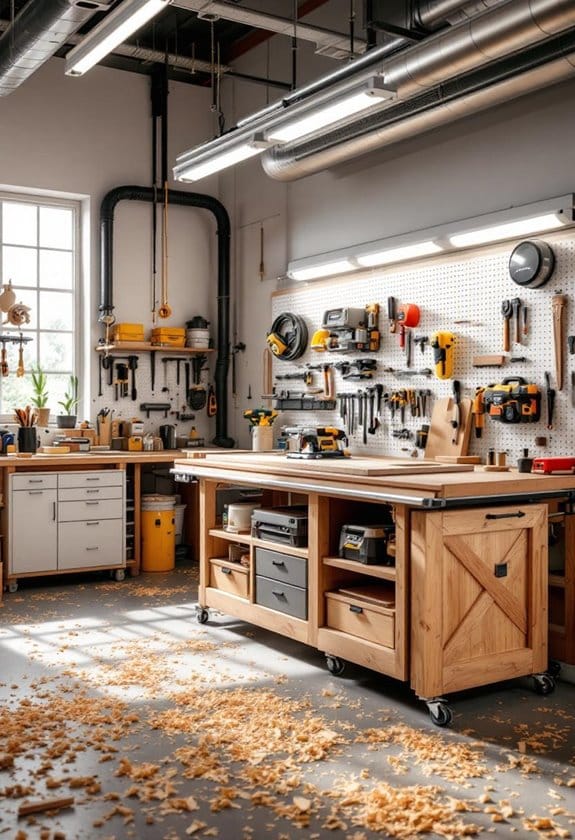
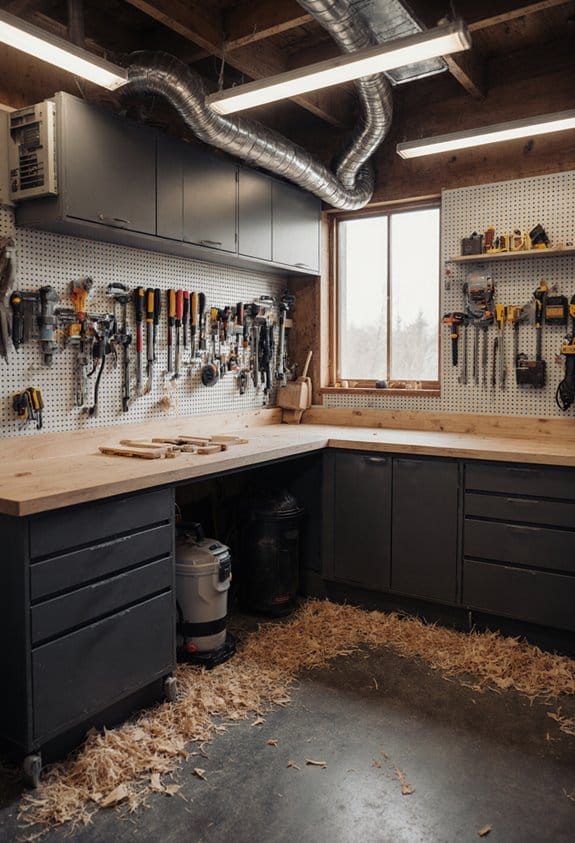
What’s great about French cleats is their flexibility. You can easily rearrange items, so if you decide to change up your space or redecorate, it’s as simple as lifting and re-hanging. They’re typically made from sturdy materials like 3/4-inch plywood or metals, making them tough enough to support everything from tools to cabinets without damaging your walls.
So, you might wonder, why should you consider this for your home? Here are a few perks:
- Minimal wall damage
- Easy to install and rearrange
- Works in various settings – garage, kitchen, or even your craft room
The best part is, it doesn’t take much to set up. You can use just a few tools, and you’ll find that your walls look cleaner and your items are readily accessible instead of tucked away somewhere.
Honestly, it really streamlines organization in any area. Want to keep your garage neat or create a clear workspace in your workshop? This system can transform both. You’ll find plenty of applications, whether it’s for hanging kitchen utensils or displaying your favorite artworks.
In brief, a French cleat system can make a world of difference in your space. What area of your home could benefit most from a little extra organization?
Key Takeaways
- French cleat systems consist of two interlocking strips; one fixed to the wall and another to the item, allowing for easy hanging and rearrangement.
- They minimize wall damage by reducing the number of fasteners and can support heavy items securely.
- Installation involves cutting strips at a 45-degree angle and anchoring them firmly to wall studs for stability.
- French cleats enhance organization by enabling customizable shelving and tool storage in various spaces, from garages to kitchens.
- Regular maintenance ensures safety and longevity, making these systems practical and visually appealing for any setting.
Understanding French Cleat Systems: What Are They?
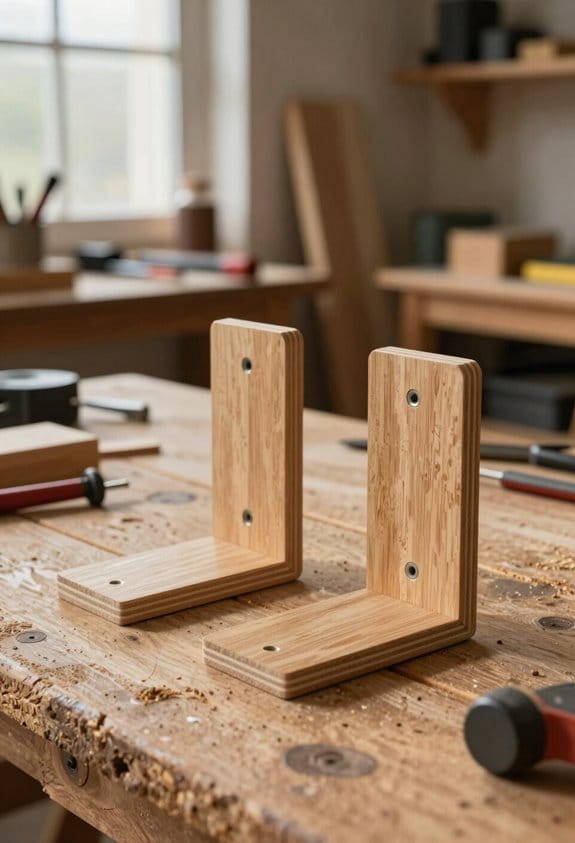
Tired of cluttered walls or unstable shelves that just won’t hold it all? French cleat systems might be the answer you’ve been looking for. This clever setup consists of two strips that interlock: one attached to the wall at a 45-degree angle, while the other goes on the item you want to hang. It’s a simple yet brilliant way to use gravity for holding heavier objects, keeping them in place without any hassle.
These cleats are usually made from robust 3/4-inch plywood or metal, so you can count on their strength and durability. They’re perfect for hanging everything from tools to cabinets. The best part? They allow for quick and easy rearrangement, which is a lifesaver if you’re someone who likes to change things up, whether it’s in a workshop or a retail space.
So, why does this matter? When brands and DIY enthusiasts alike praise the French cleat system, they really mean it. This method isn’t just practical; it can keep your space organized and looking sharp. Just imagine being able to swap out shelves and tools without having to wrestle with nails or screws every time.
Thinking of giving it a shot? Here’s the trick: start by finding a sturdy wall and measuring where you want to place your cleats. Once they’re up, hang your items and enjoy the freedom of a flexible storage solution.
Major Advantages of Using French Cleats for Storage Solutions

Are your walls looking like a cluttered gallery of mismatched tool holders and random shelves? If you’ve been struggling with storage solutions that just don’t seem to stick or make your space look tidy, French cleats might be a great option for you.
French cleat systems are a simple and effective way to streamline your storage. Made from sturdy materials like 3/4-inch plywood or metal, these wall cleats can hold heavy items like cabinets and tool holders safely, so you won’t have to worry about things tipping over. Plus, they’re designed with a clever bevel that keeps everything stable, no matter what’s hanging on them.
The beauty of using French cleats is that they require fewer fasteners and holes in your walls compared to traditional methods. This not only saves you some materials but also cuts down on the damage to your walls—perfect if you rent or just don’t want to repair endless holes later on.
You’ll appreciate their versatility too. Whether you’re organizing tools in your garage or showcasing your favorite artwork, you can easily reconfigure your setup as needed. Honestly, it’s a fantastic solution for just about any space, whether it’s your home or a professional setting.
Additionally, integrating French cleats with heavy-duty storage cabinets enhances both organization and accessibility in any workspace.
Recommended Products

PRECISION 2.5″ CLEAT CUTS: Our jig is engineered to produce uniform 2.5″ French cleat boards with clean 45° cuts, helping you create matching cleat hanger pieces for...
How to Install French Cleats
Installing a French cleat system can feel overwhelming at first, especially if you’ve got a bunch of tools but aren’t sure where to start. But honestly, it’s a pretty simple project that can really help you get your space organized.
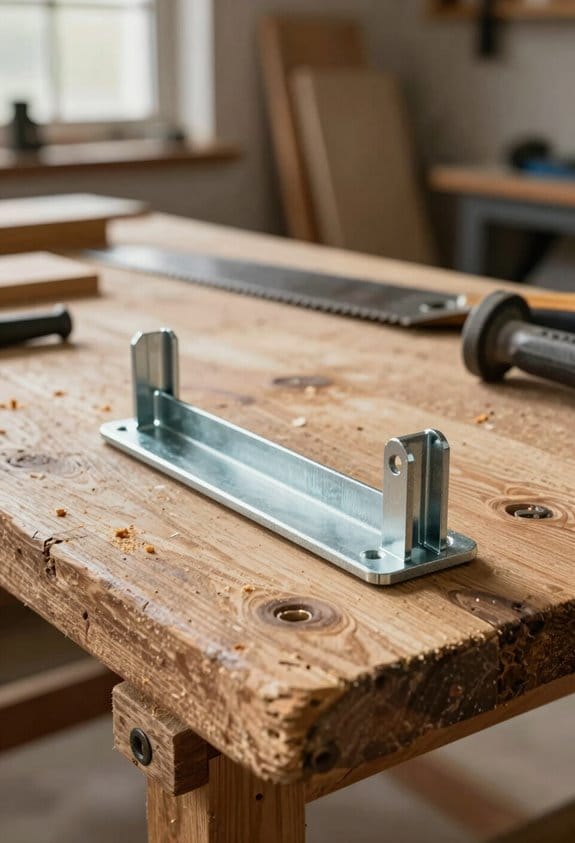
First off, you’ll want to cut two strips of wood or metal. Make sure each one has a 45-degree bevel on one edge. It’s important that they’re the same length, so take your time with those cuts! The next step is attaching the cleat that will go on the wall. Use long screws, and if possible, screw directly into the wall studs to ensure it’s strong. And don’t forget to check if it’s level before you move on!
For the piece you’re hanging, mount the cleat on the back with that beveled edge pointing downwards. Now, if you’re struggling to locate those studs, don’t sweat it. Just grab some suitable anchors to keep everything nice and secure.
Here’s the trick: before finishing up, double-check that your object sits firmly on the cleat without any wobbling. If it’s not stable, make a few adjustments until you’ve got it just right.
In short, a French cleat is a practical solution for maximizing your storage. Don’t you wish you had more space? Give it a shot, and you might just find it easier to keep everything organized! Using the right precision tools can make installation smoother and more accurate, especially when securing the cleats properly.
Recommended Products

HANGS PICTURES, MIRRORS, OR OTHER DÉCOR: This hanging system is great for hanging a variety of items up to its total weight capacity, including pictures and mirrors

[ What You Get ] : 2 pairs 2 Inch french cleat picture hanger X 4 pieces self-tapping screws X 4 pieces self drilling screw X 4 pieces expansion rubber plugs X 4 pieces clear bumpers
Practical Uses for French Cleats in Home and Workspaces
Have you ever struggled to find a place for your tools or felt like your garage was a chaotic mess? If so, you might want to consider a French cleat system. These clever tools can really help you organize your home and workspace like never before.
French cleats let you hang items such as tools right on the wall, giving you quick access in your workshop or garage. You can use a cleat set to hang wall cabinets or create custom shelving, making the most of your space while keeping everything looking neat. What’s great is that heavy-duty options, like aluminum French cleats, can support over 100 pounds, which is ideal for larger items that would otherwise take up valuable floor space.
You’ll also appreciate how easy this system is to use. It causes minimal damage to your walls, and if you need to reposition something, it’s a breeze. The flexibility in where and how you hang things makes French cleats suitable for all kinds of areas, from kitchens to home offices. Plus, they’re a nice mix of style and function, allowing you to show off your favorite items or keep them stored away. Many kits even come with installation tools like screws, anchors, and bubble levels to simplify setup.
So, why does this matter? By leaning into a French cleat system, you can maintain order without sacrificing style. Truth is, taking the time to organize now will save you headaches later on when you can find what you need in a snap.
In short, consider this practical approach to organizing your space. What could you hang on a French cleat that would make your life easier?
Recommended Products

【Secure Decorative Hook】: Our French cleat picture hangers are made of high-quality aluminum alloy, never rusting, ensuring strong support and long-lasting durability. Its innovative design incorporates the French cleat hidden hook technique, securely fastening your picture frames to the wall, preventing wobbling and instability.

Application:This french cleat hanger wall mounting bracket hardware kit includes all of the tools for a quick and easy installation. Z hanging kit is designed with Z shapes, can make your picture frame firmly fit with the wall without leaving redundant holes; you’ll have all you need to begin hanging your memories throughout home

[ What You Get ] : 2 pairs 4 Inch french cleat picture hanger X 4 pieces self-tapping screws X 4 pieces self drilling screw X 4 pieces expansion rubber plugs X 4 pieces clear bumpers
Choosing Between Wood and Metal Cleats
When you’re setting up a French cleat system, one big decision you’ll face is whether to go with wood or metal cleats. It can be a bit of a head-scratcher, right? You’ve got to think about weight capacity, how easy they are to install, and what looks best in your space.
Let’s break this down. Wood cleats usually need to be at least 3/4 inches thick to be strong enough. On the other hand, metal options like extruded aluminum are often thinner, which means they don’t stick out from the wall as much. If you’ve got something heavy and substantial to hang, metal cleats are probably the way to go. They tend to offer more stability and can handle a heavier load with ease.
Now, there’s also the durability aspect. Aluminum resists corrosion, so it can hold up well in different environments, while wood might start to show signs of wear over time. So, if you’re looking for something that lasts, that’s definitely something to ponder.
Then there’s the look—wood cleats give that timeless, classic vibe with a nice beveled edge, while metal cleats bring a modern touch. They often lead to cleaner installations, plus you may need fewer fasteners, which means less damage to your walls. So, why does this matter? Because if you’re aiming for a polished finish, the choice between the two can really influence the overall aesthetic.
Additionally, considering the ease of installation can help you choose the best cleat system for your setup, as some metal options include features that speed up assembly.
Recommended Products

[ Package List ]: Including 1 pairs of 12 inch french cleats, 16 self-tapping screws, 16 self-drilling screws, 16 plastic anchors and 8 expanding rubber plugs.

Invisible Mount: The mounting brackets stays hidden for a sleek, floating look. Each 41-inch interlocking Z clip locks your mirrors, cabinets, or artwork firmly in place while keeping the hardware out of sight

30” Cleats with hardware are ideal for hanging heavy or long items with wood frames like pictures, mirrors, and whiteboards; also perfect as a headboard wall mount; supports up to 250 pounds; designed for heavy duty mirror hangers and large picture hangers
Troubleshooting Common Issues With French Cleats?
Ever tried hanging something with a French cleat system and ended up scratching your head because it just doesn’t seem right? Trust me, you’re not alone. Even when you’ve done everything by the book, issues can pop up that make everything feel a bit unstable.
If your cleats aren’t locking in place, take a step back and check if both the wall cleat and the object cleat are level and snug. Any gaps could compromise how securely your item hangs. For those heavier pieces that seem to sag or droop, think about adding a support bracket. Sometimes, switching to thicker cleat materials can help distribute the weight better, which might save you from a potential disaster.
Has your cleat pulled away from the wall? That’s an annoying problem. Make sure you’re anchoring them into the wall studs using appropriate screws. It’s a simple fix that can make a big difference in how secure your installation feels. And if you’re worried about the items tipping over, consider adding another non-beveled cleat at the bottom. It boosts stability while still looking clean and neat. Also, using materials with durability and flexibility can enhance the longevity and safety of your cleat system.
Recommended Products

Wide Application: Measuring 2" L x 1.9" W, the wall mounting brackets are great for hanging photo frames, canvases, mirrors, headboards, whiteboards, workshop tools, and...
Frequently Asked Questions
What Are the Benefits of Using French Cleats?
Using cleat systems, we enhance our wall safety through sturdy materials, improve tool organization, and implement effective hanging techniques. Plus, we love how easy installation makes for versatile storage solutions and guarantees ideal weight distribution!
What Are the Disadvantages of French Cleats?
We’ve noticed that French cleats can present stability issues, wall damage, and installation complexity. Plus, there’s limited flexibility in load distribution, higher material costs, and aesthetic concerns that might detract from a polished look.
How Much Weight Will a French Cleat Support?
A French cleat can support 50 to over 100 pounds, depending on load capacity and cleat design. For safety, we should consider material strength, weight distribution, and follow proper installation tips for wall mounting.
What’s the Best Angle for a French Cleat?
The best angle for a French cleat is 45 degrees, ensuring stability. While considering cleat material options and installation height recommendations, we should also explore load distribution techniques and aesthetic design choices for ideal organization.