As an Amazon Associate, we earn from qualifying purchases. Some links on this site are affiliate links at no extra cost to you. Our recommendations are based on thorough research and editorial judgment.


Power Distribution Methods for Organized Workshops

When setting up power for your workshop, have you ever felt overwhelmed by the number of devices and the wattage they consume? It’s a common challenge, but there’s a straightforward way to tackle it. Start by figuring out the total wattage of all your equipment, and don’t forget to add a safety margin of about 20-25%. This cushion helps you avoid any surprises down the line.
The choice between 120V or 240V single-phase power often boils down to the size of your workshop and the load you’ll be running. The best part? Using metered or managed Power Distribution Units (PDUs) can give you real-time data on your power usage. This is handy for keeping an eye on things and avoiding overloads.
Now, let’s talk about cables. Have you ever had a setup that was a total mess? Effective cable management is vital not just for safety, but it can also make your workshop look a lot better.
Plus, regular testing and sticking to NEC guidelines are essential for keeping everything compliant.
So, why does all this matter? By improving your power distribution strategies, you can run your workshop more smoothly and efficiently. Keeping your power in check means fewer headaches later on.
In recap, getting your power setup right involves knowing your total wattage needs, using the right voltage, and ensuring everything is safely managed.
What’s one power tip you’ve found useful in your workshop?
Key Takeaways
- Assess total wattage and starting wattage of equipment to determine power distribution needs in the workshop.
- Utilize metered or managed PDUs for real-time monitoring and remote management of power consumption.
- Implement effective cable management with trays or raceways to keep power cables organized and prevent hazards.
- Ensure compliance with NEC guidelines and proper grounding to enhance electrical safety in the workspace.
- Regularly conduct risk assessments and equipment testing to identify weaknesses and maintain an organized power distribution system.
How to Determine Your Workshop’s Power Distribution Needs?
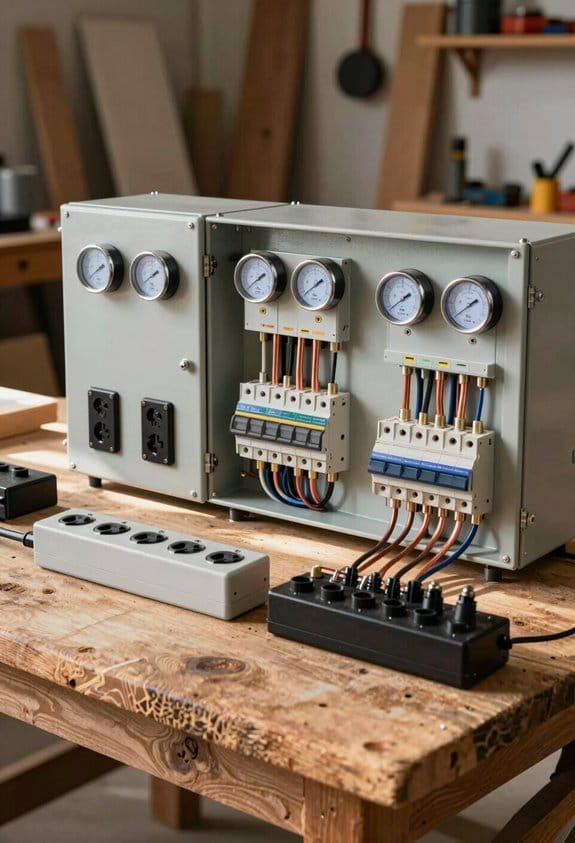
How can you figure out the right power distribution needs for your workshop? It can be a bit tricky if you’re not sure where to start. First off, you need to get a good grasp of how many watts you’ll need for all your equipment. The easiest way to do this is by checking the nameplate or user manual for each item. It’s like a little treasure hunt for the numbers that matter!
Next, don’t overlook the starting watts. This is especially important for motors and bigger tools—these can draw a lot more power when they first kick on. If you add up all the watts you need while running and then take note of the pieces of equipment that have the highest starting wattage, you can have a clearer picture of your peak power needs.
And here’s a tip: always include a safety margin of about 20-25% above your total calculated power. This extra cushion accounts for power spikes and any additional tools you might want to throw in later. You want to avoid any surprises when you’re in the middle of a project!
Lastly, make sure your chosen power distribution setup matches the voltage requirements. For smaller workshops, single-phase power (120V or 240V) is usually the way to go. It’s straightforward, and it gets the job done without the hassle.
Additionally, considering the CFM requirements of shop tools is essential to ensure your power source can handle the air compressor and pneumatic equipment effectively.
Choosing the Best PDUs for Effective Power Distribution
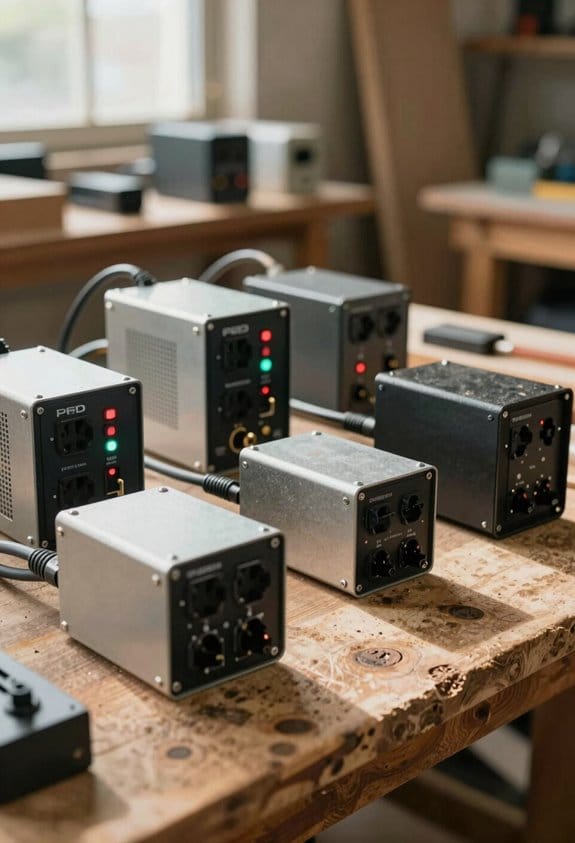
Choosing the Best PDUs for Effective Power Distribution
Have you ever struggled with power distribution in your workshop? It can be a headache if you pick the wrong Power Distribution Units (PDUs). The right choice can make all the difference in keeping everything running smoothly.
When it comes to PDUs, you’ve got options. Metered PDUs provide real-time power consumption readings which are super helpful. On the other hand, managed PDUs give you the ability to control devices remotely and set up alerts. If you’re managing several devices at once, these features can really save you time and energy.
Also, it’s important to think about your total power needs. Make sure you not only account for what’s currently plugged in but also leave some extra room for future gear. No one wants to deal with overloading their PDUs. Plus, ensure the outlets on your PDUs match the types of AV equipment you’re using. Compatibility can save you a big headache later on.
Now, if your workshop is smaller and doesn’t require lots of fancy features, basic PDUs can do the job just fine. They’re straightforward and won’t complicate your setup. Just make sure they can handle your power requirements. Selecting equipment with compatibility standards in mind helps ensure reliable and safe operation in your workshop environment.
Why Grounding Matters for Workshop Safety
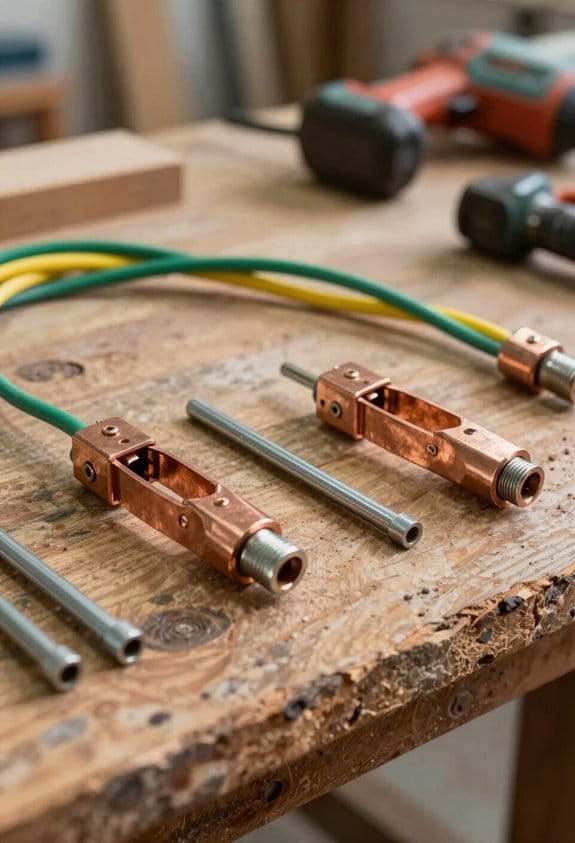
Have you ever thought about how important grounding is in your workshop? It might sound like a small detail, but proper grounding is crucial for keeping things safe and running smoothly. Grounding systems create a low-resistance path to the earth, which can significantly reduce the chance of electric shock. Following the National Electrical Code (NEC) isn’t just a box to check; it’s a vital practice to help avoid electrical hazards.
Consider this: an effective grounding system not only keeps you safe but also protects your equipment from nasty voltage spikes. When there’s excess current, the grounding system diverts it safely into the ground, preventing damage. Regularly checking the ground resistance is key. It helps you see how well your system is working and spot any issues before they become bigger problems.
And don’t forget about bonding connections. Connecting non-current-carrying metal parts to the grounding system can make a huge difference. It reduces the chances of dangerous voltage differences that might lead to electric shock. Honestly, taking these steps is about keeping yourself and your workspace safe.
Additionally, maintaining proper dust collection systems can also contribute to overall workshop safety by improving air quality and reducing respiratory risks associated with airborne particles.
Key Safety Regulations and Practices for Electrical Systems
When it comes to safety in our workshops, there’s more at stake than just following the rules. Keeping electrical systems safe and reliable is crucial, and it’s a must to comply with the National Electrical Code (NEC). So, how do you ensure you’re doing it right? Stick to the codes! These guidelines help you design, install, and maintain your power systems the safe way.
Personal protective equipment? Don’t skip it—especially when you’re dealing with electrical components. It’s essential for staying safe. You should also pay attention to grounding systems. Equipment Grounding Conductors (EGCs) and bonding jumpers play a key role here, giving fault currents a safe path to follow and significantly boosting your safety measures.
Now, if you’re working in areas where moisture is a concern, make sure you’re on top of GFCI requirements. This can really help reduce the risk of electric shocks, which could be life-threatening. And remember, it’s important to regularly test your grounded systems and overcurrent protection devices. This ensures everything’s working well and meets regulations, letting you breathe easier each workshop day. Using HEPA filtration systems in dust extractors can also help maintain a safer and cleaner workshop environment.
Cable Management Strategies for Safe and Efficient Distribution
Have you ever tripped over a cable while rushing to finish a project? It’s a common issue in workshops, and it can lead to some dangerous situations. That’s why effective cable management is key to keeping both people and projects safe.
One simple solution is to install cable trays or raceways. These create a permanent pathway for your electrical distribution, helping to keep cables off the floor and out of the way. Not only does this decrease the chances of someone tripping, but it also lets you set up your workspace more efficiently. You might also want to label your cables with color codes—this makes it super easy to identify which cable goes where, so you can make quick adjustments when needed.
If you’re working in high-traffic areas, consider using cable ramps. They can protect your cables while ensuring that everyone can move around safely. Truth is, a little prevention goes a long way, and these ramps can be a lifesaver.
Don’t forget about regular inspections! Take a moment to check your cable setups for any signs of wear or damage. This proactive approach can help you catch issues before they turn into serious problems.
These strategies not only boost safety but also create a more organized working environment. After all, a tidy space often leads to a tidy mind. So, how well are you managing your cables? Let’s make it safer and more efficient together!
Additionally, incorporating heavy-duty power strips with proper surge protection into your setup can enhance both the safety and reliability of your electrical distribution system.
Emergency Preparedness for Continuity in Workshop Operations
Ever had your workshop grind to a halt because of an electrical failure? It can throw everything into chaos. That’s why it’s super important to have solid emergency plans in place. You want your team to know exactly what to do when the lights go out. Make sure everyone is trained and aware of the steps to minimize downtime.
Regularly checking your electrical setups is a smart move. Conduct risk assessments to spot any weak spots in your setup. It’ll help reinforce the safety measures you have in place. And don’t forget about accessibility—keeping fire extinguishers and first aid kits within reach can make a world of difference in an emergency.
Here’s a little tip: test your electrical equipment before every workshop. It’s a simple way to catch problems early on and avoid a potential mess later. Scheduling emergency drills that mimic electrical failures can really boost your team’s confidence and readiness when things go south.
Being prepared isn’t just a box to check off; it’s about ensuring safety and continuity. Incorporating effective dust management tools, such as M Class Dust Extractors, can further protect workshop environments from health and safety risks during operations.
So, how prepared is your workshop for unexpected troubles?
Frequently Asked Questions
What Are the Methods of Power Distribution?
In our journey through energy systems, we often explore electric grids powered by renewable energy. By mastering circuit design, we guarantee safety measures and effective load balancing, creating harmony in power distribution for every workspace we envision.
How to Organize Effective Workshops?
To organize effective workshops, we’ll create a clear workshop agenda, focus on participant engagement, guarantee proper resource allocation, facilitate sessions dynamically, and actively collect feedback to improve future efforts together.
What Are the Four Types of Distribution Systems?
We’ve got four main distribution systems: radial distribution systems, loop distribution networks, network distribution systems, single phase systems, and three phase systems. Each has unique benefits, catering to different power delivery needs in various scenarios.
What Are the Three Main Steps in Power Distribution?
In power distribution, we generate electricity, transmit it through high-voltage lines, and distribute it to consumers. We prioritize load management, voltage regulation, and circuit protection, ensuring energy efficiency and adherence to safety protocols throughout the process.


