As an Amazon Associate, we earn from qualifying purchases. Some links on this site are affiliate links at no extra cost to you. Our recommendations are based on thorough research and editorial judgment.


Understanding Power Factor in Tool Operation

Have you ever noticed your energy bills creeping up even when you’re not using more power? It turns out, the power factor (PF) could be playing a significant role in that. A PF of 1.0 means your electrical systems are running at peak efficiency, but if you’re sitting around 0.80, you might be wasting up to 20% of your energy. That can lead to higher utility costs, plus the risk of overheating and even damaging your equipment.
So, what’s the fix? One effective strategy is to use capacitor banks or active power factor correction devices. These tools can help maintain a strong power factor, which keeps your operations running smoothly and can even extend the life of your tools.
You might be wondering why this all matters. Well, maintaining a good PF isn’t just about reducing bills; it’s about enhancing your overall operational efficiency, allowing you to get the most out of your machinery.
The best part? It’s not as complicated as it sounds. Just a bit of attention to your PF can lead to some serious savings and reliability in your operations.
Remember, keeping an eye on your power factor can lead to big rewards in the long run. Have you checked your power factor lately?
Key Takeaways
- Power factor (PF) measures the efficiency of electrical power usage, indicating how effectively electricity powers tools and machinery.
- Low PF can result in wasted energy, increased utility bills, and higher demands on electrical systems leading to potential equipment failures.
- Reactive power is essential for electric motors and tool operation; managing it effectively enhances tool performance and reduces the risk of overheating.
- Implementing strategies like capacitor banks and monitoring systems can improve PF, optimizing electrical system capacity and lowering operational costs.
- A good power factor extends the lifespan of electrical components, enhances voltage regulation, and supports sustainable energy practices in tool operation.
What Is Power Factor and Why Is It Important?

Have you ever noticed how your electricity bill seems higher than it should be? One of the culprits might be what’s called power factor (PF). It’s a handy measure showing just how efficiently you’re using the electrical power in your home or business. Basically, PF is the ratio of working power—measured in kilowatts (kW)—to apparent power, which you’ll see in kilovolt-amperes (kVA).
When your power factor is at a perfect 1.0, it means all the electricity you’re drawing is being put to good use. But if your PF is low, that indicates some inefficiencies, often from reactive loads that aren’t doing productive work. And let me tell you, those inefficiencies can be costly. Utility providers often impose penalties if your PF falls below 95% or 96%, which can really add up over time.
So, how can you tackle this issue? One effective method is power factor correction. For example, installing capacitors can significantly improve your power factor. This not only helps you save money on energy costs but also eases the burden on the electrical grid and can even boost the performance of your tools.
Additionally, in workshop settings, using equipment with high airflow capacity can contribute to overall energy efficiency.
Truth is, taking steps to address your power factor can lead to healthier energy consumption overall. Why not explore ways to enhance your setup? With a little effort, you might find that improving your efficiency pays off in spades. Have you checked your power factor lately? You might be surprised at what a difference it can make!
How Does Low Power Factor Impact Your Tools and Costs?

Have you ever wondered why you’re facing higher utility bills, even when you think you’re using less power? One culprit could be a low power factor (PF) in your tools. When your equipment operates at a PF around 0.80, you’re essentially wasting a chunk of energy—up to 20%, in fact. It’s frustrating to think about all that wasted energy and money! Plus, utility companies might charge you extra fees if your PF dips below the recommended level of 95%-96%.
But that’s not where it ends. A low power factor can make your electrical systems work harder, cranking up the current demands and speeding up wear and tear on your gear. It can be a real burden over time. So, what can you do about it?
Consider implementing power factor correction strategies. Using capacitors to boost your PF can make a noticeable difference. Not only will this enhance the performance of your tools, but it can also help bring down those operational costs. You’ll even minimize the need for larger transformers and conductors in your setup, which can save you money in the long run.
Honestly, managing your power factor is more than just a technical detail; it’s about keeping your costs down and making your tools last longer. Have you looked into your power factor lately? It might be time to take a closer look! Improving your setup can contribute to quieter operation, aligning with noise level considerations found in quality 1HP dust collectors.
Recommended Products

2 PACK TITAN HD MADE IN USA 40/5 CAPACITORS

2 PACK TITAN HD 35/5 CAPACITORS MADE IN USA WHAT THE PROS USE

Comprehensive Surge Protection: HVAC surge protector device provides comprehensive protection for your Heating, ventilation and air conditioning (HVAC) equipment and household appliances through three protection modes (L-G, L-L, L-N), for surge and voltage fluctuations to effectively block the potential damage
Why Is Reactive Power Essential for Tool Operation?

Have you ever noticed your tools not performing at their best? It might not just be about the active power you’re using. Reactive power is just as important to keep things running smoothly and efficiently. Take electric motors, for instance. They need a good chunk of reactive power—sometimes up to 30% of their rated power—to operate properly. Without enough of it, you might find your equipment struggling, which can lead to overheating and costly breakdowns.
Now, here’s a reality check: if your tools aren’t getting the reactive power they need, you’re probably looking at higher energy bills. Utility companies don’t cut you any slack for a low power factor—they hit you with penalties. So, managing reactive power isn’t just a nice-to-have; it’s crucial for your bottom line.
So, why does this matter for your setup? Think about it: by keeping your reactive power in check, you can boost your power factor. This means your tools will run consistently and reliably, while you avoid those annoying extra charges.
In short, don’t overlook reactive power. It plays a vital role in the efficiency and longevity of your tools. Have you checked your power factor lately? It might be time to give it some thought! Effective filtration efficiency in your workshop equipment is one example of how managing power properly contributes to optimal performance.
Effective Strategies for Power Factor Correction in Tools
Ever noticed how your tools seem to be underperforming, leading to higher energy bills? It’s frustrating, isn’t it? One of the culprits could be a poor power factor. Thankfully, there are some straightforward strategies you can put into place to improve this scenario.
First up, consider adding capacitor banks to your setup. These guys can help reduce the reactive power that gets pulled by your inductive loads. As a result, you’ll see a much improved overall power factor, which could translate to lower energy costs. Regularly checking your power factor using energy monitoring systems is crucial. If your readings dip below 0.95, you could be looking at penalties from your utility provider, which, let’s be honest, nobody wants to deal with.
If you’re working with tools that use variable speed drives, you’ll want to pay attention to the design. A solid design can prevent over-voltages and keep everything running efficiently. And don’t overlook active power factor correction devices. They adapt to your tool’s changing demands, aligning voltage and current in such a way that maximizes efficiency and helps manage your energy consumption.
Using dust collector filter bags with high filtration efficiency also aids in maintaining tool performance by reducing dust buildup that can impair electrical components.
When you pull all these strategies together, you can enhance performance and save on costs. So, what steps will you take to boost your tool’s efficiency? It’s all about making the right adjustments for better results.
Recommended Products
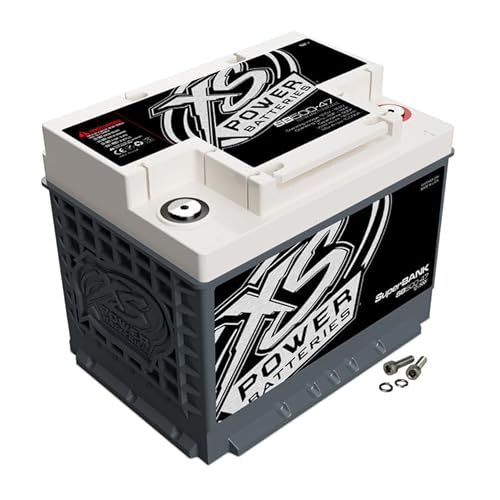

4000W Power Delivery: Delivers 4,000 Watts Max Power using 500 Farads of capacitance within a 12.0V – 16.2V voltage range. Provides an immediate surge of energy for amps and engine starting.
Used Book in Good Condition
Benefits of Enhancing Power Factor in Your Operations
Have you ever looked at your electric bill and thought, “Why is this so high?” One common reason might just be your power factor. Improving your power factor can lead to some serious cost savings that can really make a difference for your finances.
When you keep your power factor above 95%-96%, you’re not just dodging penalties from the utility, but you could also shave off up to 20% from your electricity costs. Imagine what that could do for your budget! Plus, a better power factor means your electrical systems run more efficiently. You’ll be able to make the most of your transformer and switchgear capacity, which helps keep your operational costs in check.
Here’s the trick: a higher power factor also reduces energy losses in your wiring because it lowers I²R losses. This means less heat generation in your electrical components, which is great for prolonging their lifespan. So, why does this matter? Improved voltage regulation can be a real lifesaver for your motors and other connected equipment.
If you’re wondering how to tackle poor power factor issues, consider installing capacitor banks. These can effectively counteract the negative impacts of reactive power. The best part is, making this change isn’t just good for your wallet; it can also lower your carbon footprint and help create a more reliable infrastructure.
Additionally, maintaining an efficient power factor helps optimize the capacity of your electrical systems and contributes to overall equipment performance and longevity.
Recommended Products

Used Book in Good Condition

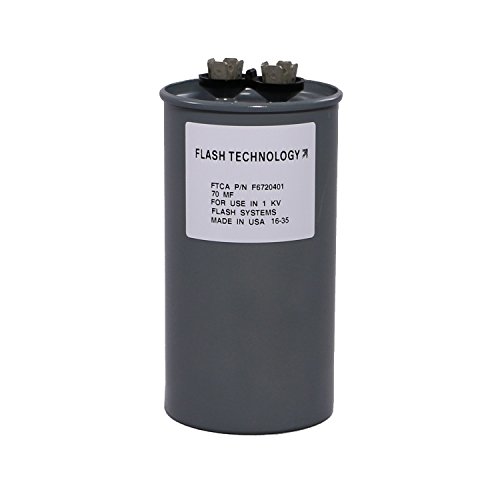
Flash Technology - Main Bank Capacitor (70 uF) C2A, C, D
Frequently Asked Questions
What Does a PF of 80% Mean?
A power factor of 80% means our electrical efficiency is low, wasting 20% as reactive power. By utilizing power factor correction and load balancing, we can improve equipment performance and achieve significant energy savings in industrial applications.
How Do You Explain Power Factors?
We explain power factors as a measure of energy efficiency in electrical systems. It reflects how well our loads—both inductive and capacitive—use power, impacting voltage regulation, harmonics distortion, and ultimately our utility bills.
What Does 0.95 Power Factor Mean?
A 0.95 power factor means we’re using 95% of our energy effectively, balancing reactive power from inductive and capacitive loads. It enhances electrical efficiency, reduces voltage drop, and optimizes power quality and motor performance for better energy consumption.
What Does a 1.0 Power Factor Mean?
A 1.0 power factor means perfect electrical efficiency, where all energy flows into useful work, balancing inductive and capacitive loads. It optimizes system design, enhances power quality, and leads to significant utility savings on energy consumption.


