As an Amazon Associate, we earn from qualifying purchases. Some links on this site are affiliate links at no extra cost to you. Our recommendations are based on thorough research and editorial judgment.


Surge Protection in Workshop Electrical Systems

Have you ever had a tool or piece of machinery suddenly fail during a critical project? It’s frustrating, right? A lot of times, that problem can be traced back to something as sneaky as electrical surges. Surprisingly, about 80% of those surges actually come from inside our buildings.
Try this: installing Surge Protective Devices (SPDs). They can give your equipment a fighting chance against those nasty voltage spikes that can throw a wrench in your operations and lead to costly downtime. Here’s the breakdown:
- Type 1 devices go at your main panel.
- Type 2 is for your distribution points.
- Type 3 protects individual machines.
So, why does this matter? Well, your tools aren’t just expensive; they’re also essential for getting the job done. Without proper surge protection, you risk damaging or even losing them, which can be a huge setback.
Honestly, staying informed about surge protection isn’t just about gear; it’s about keeping your workshop safe and efficient. With the right setup, you can work with peace of mind.
In the end, taking a few steps to protect your workshop can save you a lot of headaches down the line. Isn’t it worth making sure your tools are safe?
Key Takeaways
- Install Type 1 SPDs at the main service panel to guard against external surges impacting workshop equipment.
- Deploy Type 2 SPDs at distribution panels to protect against internal voltage fluctuations from machinery operations.
- Utilize point-of-use surge protection devices for sensitive electronics like computers and precision tools.
- Conduct regular inspections of surge protection devices to ensure they function correctly and provide adequate protection.
- Stay compliant with NEC regulations and perform risk assessments to continually improve workshop surge protection measures.
Understanding the Importance of Surge Protection for Workshop Safety

Have you ever thought about the hidden dangers lurking in your workshop’s electrical systems? You might think everything’s fine until a sudden voltage spike damages your sensitive tools or machinery. That’s where surge protection comes into play. It’s not just an afterthought; it’s a necessity for ensuring your workshop remains safe and reliable.
Many people don’t realize that around 80% of electrical surges actually come from within a building. This makes it crucial to have Surge Protective Devices (SPDs) installed. The National Electrical Code even stresses how important these devices are, especially when it comes to industrial machinery. You want to keep your gear running smoothly, right? Regular risk assessments and updates to your surge protection can help shield those sensitive electronics from unwanted voltage spikes.
So, what does a solid surge protection setup look like? To really keep your equipment safe, it’s smart to install both Type 1 and Type 2 devices. Together, they offer strong protection against electrical issues, which ultimately reduces downtime. This is about more than just safety; it’s about prolonging the life of your valuable tools and machinery.
Frankly, if you haven’t looked into surge protection for your workshop yet, now’s the time. Take a moment to assess how your electrical systems are set up. Could they use a little upgrade? Remember, safeguarding your workshop isn’t just a “nice-to-have” — it’s essential for keeping everything running smoothly. Incorporating devices with high surge protection ratings can significantly enhance your electrical safety measures. What steps will you take to protect your workspace today?
Recommended Products

SUPER BRIGHT & TYPE III: The 480V 320-watt LED Parking Lot Light commercial has a high efficacy of 150LM/W, and provides 48,000 lm at 5000K daylight. Type III distribution provides wider illumination coverage. The LED flood light comes with ETL listed

20,000W Industrial-Grade Capacity – Powerful heavy-duty step-down transformer built for high-load machinery, commercial environments, workshops, and large home appliances requiring continuous operation.

【Rack Mount Power Strip】: This PDU power strip surge protector equipped 12 outlets (125V/15A), providing enough space between the sockets to large plugs. rackmount power strip, features a 6 ft long cord so you can plug your devices in while leaving the rack mobile
The Impact of Power Surges on Workshop Productivity

Have you ever faced a power surge at your workshop? If so, you know firsthand how frustrating and disruptive it can be. Those unexpected electrical spikes can wreak havoc on your operations, leading to costly damages, especially to your sensitive machinery.
When machines go down, you’re not just looking at repairs; you’re staring at potential delays that can push project deadlines. And let’s be real, nobody wants to let a client down because of equipment failure. It’s a headache trying to explain why you missed a deadline, and frequent power spikes only worsen the situation, increasing the chances of losing valuable production time.
So, what can you do about it? First off, consider investing in surge protection devices. By putting these in place, you can help shield your equipment from those pesky electrical disturbances. This isn’t just about avoiding repair bills; it’s about ensuring your workshop runs smoothly and consistently, keeping your workflow steady and your clients happy.
Here’s the trick: the right surge protection can save you from the financial strain and stress of downtime. Imagine not having to worry about damage every time there’s a storm or a weird flicker in the lights. It makes a world of difference in maintaining productivity.
To maximize the effectiveness of your protection, look for devices with a minimum of 1080 joules surge protection for high-end equipment safety.
In the end, it’s clear that protecting your workshop from power surges should be a top priority. Think about how much smoother operations would be with the right strategies in place. Are you ready to safeguard your workshop and ensure a steady workflow?
Recommended Products

MULTI PLUG OUTLET SURGE PROTECTOR POWER STRIP: Charge your computer, laptop, phone, camera, and more with a single compact surge-protected extension cord

Output: 9x NEMA 5-15R

MULTI-OUTLET SURGE PROTECTOR: Power everything on your desk with a single compact multi outlet extension cord; 12 AC outlets with surge protection charge your computer, laptop, phone, camera, etc.
Understanding Surge Protective Devices (SPDs) for Optimal Protection

Have you ever had that sinking feeling when your prized tools suddenly go haywire after a storm? That jolt in your gut isn’t just from the thought of repairs; it’s the realization that voltage spikes can wreak havoc on your workshop. This is where Surge Protective Devices (SPDs) come in handy. They’re essential for keeping those pesky power surges at bay, safeguarding your gear from damage.
Let’s break it down a bit. Type 1 SPDs are your first line of defense, sitting right at the main disconnect. They protect against outside surges, like when lightning strikes or other external disturbances hit your electrical systems. Next up, you’ve got Type 2 SPDs, which defend your distribution panels. They’re great for keeping things running smoothly in-house. Finally, there are Type 3 SPDs that defend individual pieces of equipment—think of them as personal bodyguards for your machinery.
Honestly, using a mix of these three types provides comprehensive coverage. It’s kind of like wearing a seatbelt, putting airbags in your car, and having good brakes; together, they all play a role in keeping you safe. The best part is that it really minimizes equipment damage and downtime.
Also, you might be surprised to learn that the National Electrical Code (NEC) actually requires the use of SPDs in several situations, like for industrial machines and emergency systems. This isn’t just red tape; it’s about enhancing safety in workshops like yours. To keep everything up to speed, regular assessments and upgrades are key. With technology and equipment needs changing all the time, you want to be sure your SPDs are still doing their job effectively.
For additional safety and efficiency, it’s important to also consider automatic overheat protection features often found in complementary electrical devices like electric heaters, which help prevent potential hazards in workshop environments.
Recommended Products

Large 5000VA/4000W output capacity with full-time sine wave output offers guaranteed compatibility with all equipment types

Leviton surge protective devices (SPDs) divert damaging voltage transients, or surges, away from electronic equipment

3000VA/2700W online double-conversion uninterruptible power supply (UPS) battery backup system with true sine wave output to protect network devices, workstations, and other mission-critical electronics
Effective Strategies for Implementing Surge Protection in Workshops
Ever had a power surge mess with your workshop equipment? It can be a real headache! But hey, there’s a way to tackle this problem head-on and make your workspace safer.
Start with the basics: install Type 1 Surge Protective Devices (SPDs) right at your main electrical service panel. This setup protects your workshop from external surges, like those nasty lightning strikes. Then, think about adding Type 2 SPDs at your distribution panels. They help minimize internal voltage spikes from your machinery, which is crucial if you’re running heavy equipment.
For your delicate electronics, don’t overlook point-of-use devices like surge-protecting power strips. They’re an easy way to add a layer of security for your sensitive tools. And remember, regular maintenance checks on these surge protection devices are key. This way, you can make sure everything’s working like it should, keeping your workshop’s power systems reliable.
Now, why bother with all this? Well, following National Electrical Code guidelines not only boosts safety but also protects critical systems, like fire pump controllers. Surge protection is really something you shouldn’t ignore in your workshop. Make sure to use electrical outlet boxes with proper fire resistance ratings to further enhance safety during surge events.
Recommended Products

20 OUTLET, SINGLE 15 AMP CIRCUIT, MULTIMOUNT

6 Outlets Heavy Duty Power Strip - this wall mount power strip is equipped with 6 plugs, which can plug in multiple electrical appliances at the same. The power bar is 15 inch long and come with 6FT extension cord

16 Outlets Long Power Strip - this heavy duty power strip is equipped with 16 plugs, which can plug in multiple electrical appliances at the same. The power bar is 24 inch extra long and come with 10FT extension cord
What You Need to Know About Workshop Surge Protection Regulations?
Surge protection in workshops isn’t just a nice-to-have; it’s essential, especially as we rely more on technology in our work environments. You might wonder, why does this matter? Well, if you’ve got critical machinery or emergency systems running, compliance with the National Electrical Code (NEC) is non-negotiable.
Overvoltage protection is highlighted in NFPA 70 Article 670.6, and for good reason. It helps prevent safety hazards and protects your commercial electronics from damage. Regular risk assessments can really guide you in determining the right level of surge protection that’s necessary for your setup. It’s all about keeping your team safe and your equipment in good shape.
And don’t forget about the latest UL1449 5th Edition standards. Staying updated with these guidelines is crucial for effective surge protection. It’ll help you mitigate risks tied to voltage surges that could disrupt your operations and lead to expensive downtime.
Honestly, ensuring your workshop adheres to these surge protection regulations isn’t just about compliance; it’s about creating a safe working atmosphere for everyone involved. So, take a quick look at your current surge protection measures. Are they up to par?
Choosing surge protectors with a high surge protection rating provides enhanced safety by absorbing larger voltage spikes, minimizing risk to your equipment and operations.
Recommended Products

【Smart Trickle Charge】Accurately monitors the actual charging status of the battery to ensure it is truly fully charged without under-charging,significantly extending the battery's lifespan.

✅ 【9.8 FT Long Extension Cord】: Equipped with 9.8 FT Ultra Long grounded power cord (SJT 14AWG/3C). Voltage: 125V 60Hz, Current: 15Amp, Power rating: 1875W.
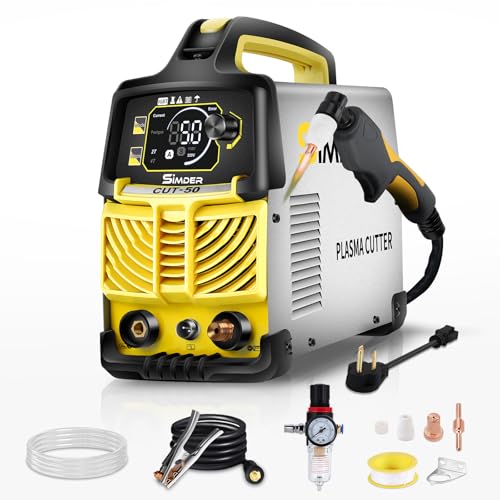
【Powerful Cutting Ability】The CUT-50 plasma cutter machine can achieve an ideal clean cut of 1/2" (10mm) and a maximum severance cut of up to 3/4" (20mm). This Plasma Cutter machine's effectiveness in cutting through rough, painted, and rusted surfaces are pretty good, improving work efficiency, and its suitability for various materials.
Frequently Asked Questions
What Are the NEC Requirements for Surge Protection?
As we navigate the tangled wires of compliance guidelines, the NEC requires surge protective devices to match equipment ratings, adhere to installation procedures, and meet grounding requirements, ensuring our electrical system design safeguards against potential risks through rigorous testing methods.
What Should You Never Plug Into a Surge Protector?
We should never plug high wattage appliances like refrigerators or HVAC units, sensitive electronics, medical equipment, large power tools, projectors, TVs, and gaming consoles into surge protectors, as they can cause serious damage or failure.
What Are 10 Safety Rules in an Electrical Workshop?
In our electrical workshop, we prioritize safety rules: follow electrical safety guidelines, inspect equipment grounding, guarantee proper voltage ratings, maintain tools, use circuit breakers, practice ladder safety, and establish emergency procedures to minimize fire hazards and protect ourselves.
What Is Type 1, Type 2, and Type 3 Surge Protection?
Like shields guarding a castle, Type 1, Type 2, and Type 3 surge protector types are essential. Their proper installation guidelines guarantee robust protection levels, addressing user misconceptions about voltage clamping, response time, and equipment compatibility.


