As an Amazon Associate, we earn from qualifying purchases. Some links on this site are affiliate links at no extra cost to you. Our recommendations are based on thorough research and editorial judgment.

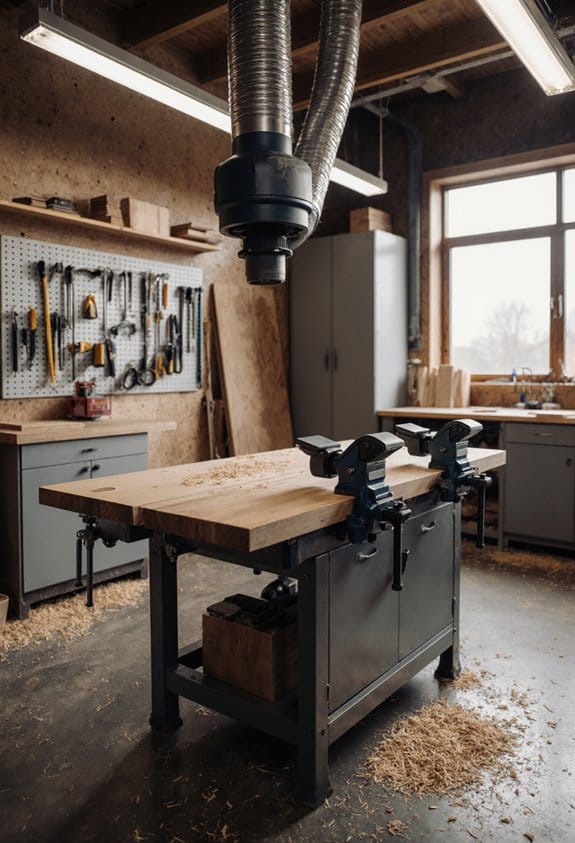
Understanding Workbench Vise Types and Their Uses

Have you ever felt frustrated trying to hold a workpiece steady while you’re cutting or sanding?
You may be interested


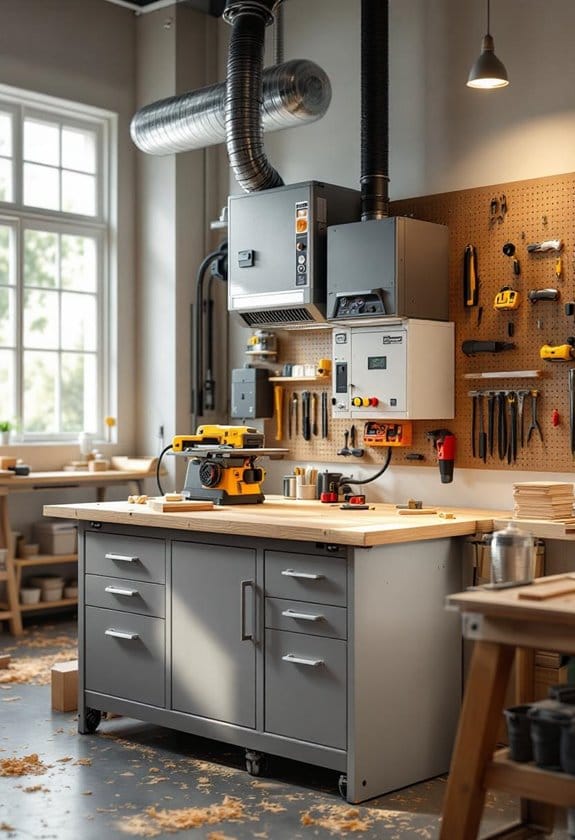
A solid workbench vise can be a real lifesaver in your workshop. They’re designed to grip your materials tight, making everything from precise cuts to smooth finishes way easier.
When it comes to choosing the right type of vise, you’ve got options. Front vises are great for clamping at different angles, which is perfect for various projects you might take on.
On the other hand, end vises shine when working with long, flat materials. It’s all about what you need for your specific tasks.
Consider these features when selecting a vise:
- A sturdy construction—cast iron is popular for its durability.
- The right size for your projects: don’t go too big or too small.
- Features that suit your specific work style.
So, why does this matter? The right vise can really boost your work quality.
It can make tasks feel smoother and help you achieve better results.
But don’t overlook maintenance and safety tips—these are just as crucial.
Keeping your vise clean and checking for any wear can save you headaches down the road.
Always ensure you’re using it properly to avoid accidents, too.
To wrap it up, picking the right workbench vise can make a big difference in how you approach your projects.
What’s the first project you’re thinking about tackling with your new knowledge?
Key Takeaways
- Front vises are versatile, clamping workpieces in multiple orientations for various woodworking tasks.
- End vises secure flat materials using bench dogs, ideal for longer workpieces.
- Leg vises provide high clamping power, suited for larger projects integrated into workbench legs.
- Shoulder vises enable unobstructed vertical clamping, perfect for precision tasks.
- Quick-release vises offer time-saving adjustments, beneficial for repetitive projects and efficient workflows.
Understanding the Essential Role of Workbench Vises in Woodworking
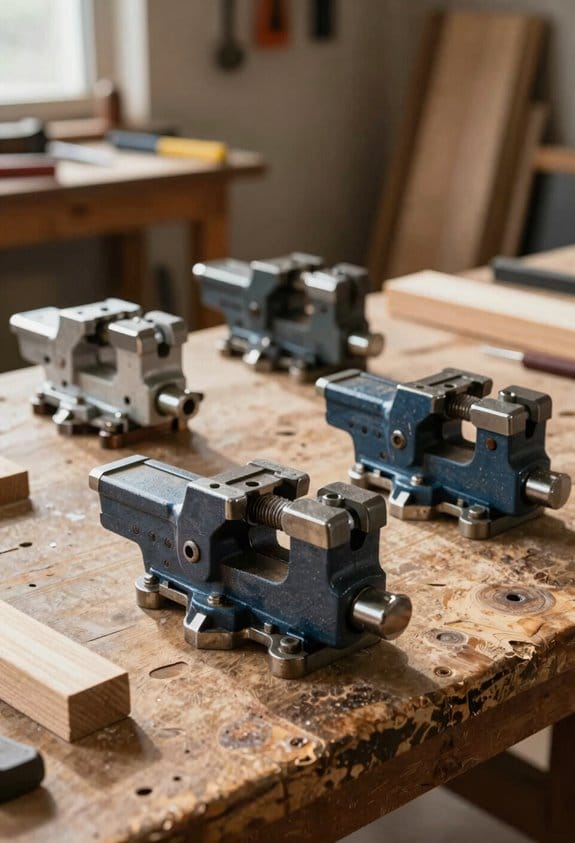
Have you ever struggled to keep a piece of wood steady while trying to make that perfect cut? It can be frustrating, right? That’s where workbench vises come in handy. These tools are vital for securing your workpieces, allowing you to cut, plane, and finish with the precision you need.
When it comes to bench vises, you’ll often hear about front vises and end vises. Front vises are great for holding materials in both upright and horizontal positions, while end vises excel at securing flat stock with the help of bench dogs. Choosing a vise with the right jaw size that fits your projects is crucial. Heavy-duty options can give you the stability you want when working on big pieces.
Most vises are made from durable cast iron, so they’re built to last and withstand wear and tear. Plus, features like quick-release and twin-screw mechanisms make it easier to secure larger workpieces. Here’s the trick: having the right vise can really streamline your workflow and make your woodworking process smoother.
One important feature to consider is a 360-degree swivel base, which allows for easy adjustments to working angles and improves versatility in your projects.
So, why does all this matter? Well, it’s about improving your experience in the shop. You want tools that are dependable and help you focus on creating, not struggling. Don’t overlook the significance of a good vise—it’s a true ally in your woodworking endeavors.
In closing, make sure you pick the right vise for your needs. Think about what projects you’ll be working on and choose accordingly. What kind of woodworking projects are you excited to tackle next?
Recommended Products

Versatile Multi-Jaw Function: Our 4.5" bench vises feature a unique multi-jaw design that can securely hold both flat materials and pipes or tubes without slipping or scratching their surfaces

Country Of Origin : China

[Iron Structure]: All iron structure with paint coating, wear-resistant, resistant to corrosion and rust. At the same time, it is very strong and resistant to use.
Key Types of Workbench Vises and Their Uses

Ever found yourself struggling to hold a piece while trying to get a clean cut? It can really slow you down and frustrate your creativity. Picking the right vise for your woodworking projects can make a world of difference, but with so many options, it can feel overwhelming. Let’s break down the various types and discover their unique benefits.
Front vises are typically found at the left corner of the workbench. They come with two jaws, making them fantastic for clamping workpieces either upright or flat. They’re great for your regular cutting and sanding tasks. Now, if you need to secure wood flat against the surface, an end vise is what you’re looking for. Positioned at the end of the workbench, these vises use bench dogs to hold materials in place, which is especially handy when you’re working on longer pieces.
Don’t overlook the leg vise, either. It’s directly integrated into the workbench leg and boasts a beefy clamping power that’s tough to beat. Super useful for larger projects where stability is key. Meanwhile, the shoulder vise gives you unobstructed vertical clamping, making it an excellent choice for specific tasks that require precision.
Quick-release vises can really help you change things up efficiently. With a split nut mechanism, you can make adjustments in a snap. Honestly, this kind of speed can seriously cut down on time spent in the shop, letting you focus more on the fun parts of your projects.
Recommended Products

This item is Pony 26545 4-1/2-Inch x 6-1/2-Inch Light Duty Woodworker's Vise

Toe-in toward top jaws helps ensure firm grip on workpiece

HOME VISE: Is the perfect tool for your home workshop. Made from heavy duty 30,000 PSI Gray Iron castings, 3x stronger than cast iron vises.
Find the Perfect Vise for Your Workshop

How do you know you’ve got the right vise for your workshop? It’s a question many of us face, especially when sizing up our workspace and projects. For starters, think about how the width of the vise’s jaws matches your workbench. You want to ensure it clamps securely, so don’t overlook those dimensions.
If you’re working on heavy-duty tasks, a solid bench vise is a must. Whether you go for a fixed base or a swivel base depends on what you need. Swivel bases can offer flexibility, while quick-release vises are a huge time-saver during repetitive tasks. Are you tackling larger projects? Then, twin-screw vises are worth considering—they can handle bigger pieces without breaking a sweat.
Do you often work with pipes? Pipe jaws can really step up your game by giving you extra grip and stability. Now, traditional vises might save you some cash, but modern options tend to have better construction and are easier to set up. It’s worth weighing those options.
In short, picking the right vise is crucial for making your workspace more efficient and safe. For optimal project accuracy, it’s also beneficial to use reliable measuring tools like wire gauge tools alongside your vise.
What type of projects do you usually tackle?
Recommended Products

Built to Last: The swivel vise is forged from sturdy 60,000 PSI ductile iron, with a powder coating on the surface for a rust-proof finish. High-quality nuts and screws increase durability. Replaceable serrated jaw plates are made of premium carbon steel for superior grip. Go above and beyond and knock out all those tough projects!

Built to Last: The swivel vise is forged from sturdy cast iron, with a powder coating on the surface for a rust-proof finish. High-quality nuts and screws increase durability. Replaceable serrated jaw plates are made of premium carbon steel for superior grip. Go above and beyond and knock out all those tough projects!
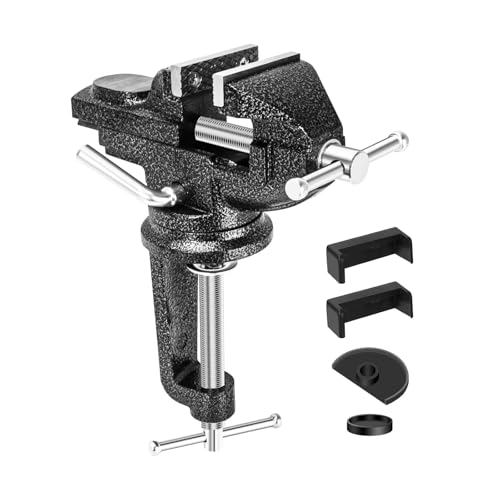
📐【Universal Table Vise】: Weighing 3.24 lbs with compact dimensions (6.12 × 2.48 × 7.14 inches), this portable vise fits securely on most workbenches and tables.This heavy duty bench vise features a 2.37" jaw width and 3.15" maximum jaw opening, 2.2 inch throat depth, 1.57 x 1.25 inch Anvil. Our portable bench vise are designed to fit securely on most workbenches and tables of varying thicknesses. This versatile bench vise built with cast steel construction for durability, delivers a secure grip and steadfast stability across a wide range of applications. It is the perfect tool for woodworking,jewelry making,cutting conduit,sawing,DIY crafts,electronics soldering,workshop tasks,home repairs.
Workbench Vise Maintenance Tips for Longevity
Ever found yourself struggling with a sticky vise right when you need it the most? If you’ve been there, you know how important it is to keep your tools in tip-top shape. Selecting the right vise is just the beginning; the real challenge comes with maintaining it so it lasts through all those DIY projects.
Regular maintenance is your best friend. Try this: lubricate the lead screws once a month if you have an exposed type, and go for an annual lube if it’s an enclosed model. This simple step not only keeps everything moving smoothly but also helps prevent rust from creeping in. After each use, especially if you’ve been cutting or sanding, be sure to clean your vise thoroughly. It’s amazing how much debris can pile up and cause wear.
So, why does this matter? Those jaws of your vise are like your best buddies — if they start to wear down, their gripping power isn’t what it used to be. Check them regularly for signs of excessive wear, and don’t hesitate to replace them if you notice anything off. Keeping those jaws in good shape means you can tackle your projects without worrying about slips.
Here’s the trick: never use a cheater bar on the handle. It may seem like a quick fix for stubborn workpieces, but it can lead to misalignments that’ll cost you more hassle down the road. Speaking of care, consider where you store your vise too. Keeping it in a dry place is key, and a coat of paste wax on exposed surfaces can protect it from rust and scratches.
In a nutshell, keeping your vise in great shape isn’t complicated, but it does require a little effort. With regular maintenance, you’ll ensure it serves you well for years to come. Incorporating regular inspection and appropriate maintenance is as crucial for your vise as keeping cabinet scrapers sharp is for woodworking surfaces. What’s your go-to tip for tool maintenance?
Recommended Products

COMPACT DESIGN - Measuring 4" L x 4" W x 1.3" H , this convenient, easy-to-store bench block is ideal for cleaning and maintenance tasks, offering a stable surface for all your repairs

WOODWORKING HARDWARE KIT: Designed for woodworking, vise kit for moxon enhances the functionality of your workbench. Hardware for moxon vise has broad compatibility with a wide range of woodworking benches and can help woodworkers with fine carving, cutting tenons or dovetails.
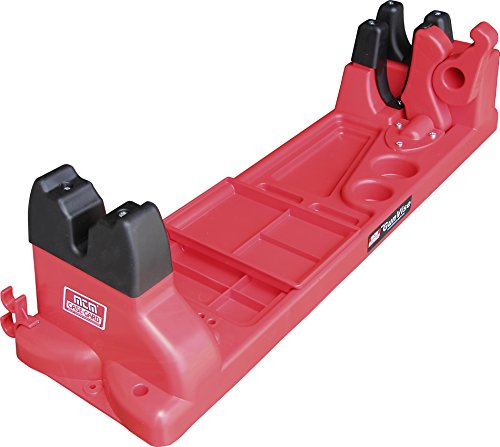
Quick clamp up using a single cam activated lever for a secure non-marring hold
Essential Safety Tips for Using Workbench Vises
Have you ever tried to work with a bench vise only to feel a bit overwhelmed by how to do it safely? Let’s face it, while these tools can be super helpful, they can also be pretty risky if you don’t take the right precautions. Here are some real-life tips to keep you safe and your projects intact.
First off, make sure your workbench is solid and secure. If it’s wobbling or shifting, even a little, you could end up with a nasty accident. Taking a moment to double-check that everything’s sturdy will save you a lot of trouble down the line.
Another thing to think about is protecting yourself. Seriously, safety goggles are a must. You never know when a piece of wood or metal might snap off and fly in your direction. That little investment can save your eyesight.
While you’re working with the vise, don’t overdo it with the tightening. It might be tempting to crank down on the jaw to hold everything in place, but that can actually lead to damage or unexpected slips. Finding the right balance is key here — just enough pressure to hold your work securely without risking breakage will do the trick.
And let’s not forget about where you place your hands. Keep your fingers and hands clear of that clamped area. You don’t want to end up pinching or crushing them while you’re focused on the task at hand. It’s all about creating a safe working environment that lets you concentrate on what you’re doing.
In addition, understanding the maximum jaw opening of your vise is essential to ensure it can accommodate the materials you work with safely.
Recommended Products
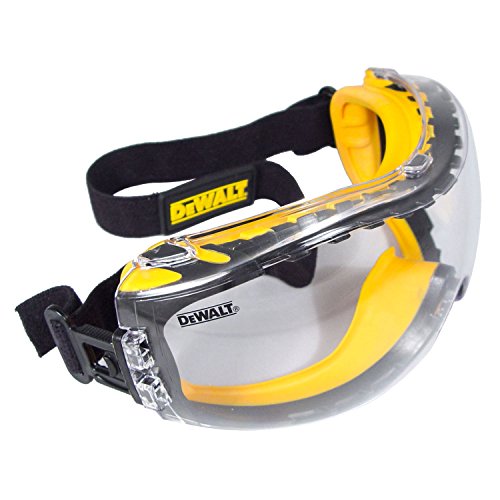
DEWALT ToughCoat hard coated lens provides tough protection against scratches.

Safety glasses with side shields: This safety clear glasses with side shield design, can be used to anti -scratch/anti -saliva/anti -dust/anti -pollen/anti -particles/anti -blue light.

Durable, one piece lens helps protect eyes from certain liquids, dirt and particles
Frequently Asked Questions
What Are the Different Types of Vices and Their Uses?
We’re diving into different vice varieties! Woodworking vise applications and metalworking vise features matter. Portable vise benefits pop, while specialty vise types shine. Vise size, material options, jaw construction, attachment methods, and maintenance tips are key!
What Are the Different Types of Bench Vises?
There’re various bench vises to evaluate: woodworking, metalworking, heavy duty, and portable. Features include vise jaws, quick release systems, swivel bases, and options like pipe or screwless vises, such as the Jorgensen vise.
What Are the Different Kinds of Vices?
There’re countless types of vices, from a mechanics vise with a robust jaw to a portable vise ready for adventure. Specialty vices, like pipe and woodworking vises, boast adjustable jaws and quick release mechanisms. Let’s explore together!
How to Specify a Bench Vice?
To specify a bench vice, we should focus on bench vice specifications like materials, jaw types, and clamp strength comparison. Let’s consider portability options, brands, installation tips, maintenance practices, and budget considerations to enhance our choice.