As an Amazon Associate, we earn from qualifying purchases. Some links on this site are affiliate links at no extra cost to you. Our recommendations are based on thorough research and editorial judgment.


Calculating CFM Requirements for Your Workshop Size

Calculating CFM requirements for your workshop can feel a bit overwhelming, but it’s crucial for keeping the air clean and your workspace safe. Imagine you’re working with wood dust swirling around or welding fumes filling the air—that’s not a pleasant scenario. You need to start by measuring your space accurately—length, width, and height—so you can figure out the total volume of your workshop.
Here’s the trick: use the formula CFM = (Volume x ACH) / 60 to find your necessary air movement. Ideally, you’re aiming for about 5-6 air changes per hour (ACH). It’ll make a noticeable difference in how fresh the air feels while you’re working.
When you’re dealing with specific tasks like woodworking or welding, it gets a bit more nuanced. CFM recommendations can vary quite a bit—typically ranging from 200-500 CFM and sometimes even higher depending on what you’re doing.
So, why does this matter? Having the right ventilation setup can help to reduce your risk of respiratory issues and maintain a healthier work environment.
Truth is, a little planning goes a long way toward creating a safe workspace. Take the time to calculate your needs, and you’ll be glad you did. Just imagine working in a space with fresh air flowing freely—feels great, right?
So, whether you’re crafting a new project or just trying to keep things safe, understanding your CFM needs is essential. In short, make those measurements and calculations now so you can focus on what you love—your craft. What steps will you take to improve your workshop’s air quality today?
Key Takeaways
- Measure your workshop dimensions accurately: length, width, and height in feet, to calculate the room volume precisely.
- Use the formula: CFM = (Volume x ACH) / 60 to determine required airflow based on room volume and desired air changes per hour.
- Aim for 5-6 ACH for general workshops; adjust based on specific tasks generating more dust or fumes.
- Regularly maintain your ventilation system and perform assessments to ensure adequate airflow and air quality.
- Consider implementation of HEPA filters and proper placement of equipment for optimized airflow and ventilation efficiency.
Why Is Calculating CFM Important for Your Workshop?

Calculating CFM for your workshop might seem a bit tedious, but when you think about it, it’s crucial for keeping your space safe and effective. Have you ever walked into a workshop and immediately felt overwhelmed by the fumes? That’s why aiming for around 5 air changes per hour (ACH) is important. It ensures that the air is fresh and any harmful fumes from machinery are cleared out.
Getting your ventilation system just right matters too. If you go too big, not only can it be wasteful, but it may run up your energy bills. Have you noticed how certain tasks create more dust or fumes than others? This means you’ll need to adjust those CFM calculations based on what you’re working on.
So, what’s the takeaway? Getting a grip on your CFM numbers can help you set up your HVAC system in a way that boosts air quality and keeps everyone safe. Plus, it keeps you in line with any legal requirements, all while helping you work better and focus on the task at hand.
In the end, it’s about creating a workspace where you can thrive. What steps are you taking to ensure your workshop stays safe and productive? Using dust collectors with HEPA filtration can significantly improve your workspace air quality by capturing fine dust particles.
Steps to Measure Your Workshop Dimensions for CFM Calculation

How often do we overlook the basics when setting up our workshops? Getting your workshop’s air flow right starts with one crucial step: measuring the space accurately. Grab a tape measure and let’s get going.
First, jot down the length, width, and height of your workshop in feet. These numbers are vital since they’re going to help you figure out the room’s volume in cubic feet. To get that volume, it’s as simple as multiplying those three measurements together. If the ceiling height isn’t consistent throughout, don’t fret—just average out those heights. It makes a big difference in ensuring our CFM calculations are spot on.
When you’re measuring, it’s smart to double-check those figures. Even the tiniest errors can throw off your calculations. The last thing you want is to underestimate how much ventilation you need. Getting the room volume right is the foundation for ensuring your workshop has effective air flow.
To maximize dust removal efficiency, consider that a minimum airflow of 1100 CFM is recommended for workshops of typical size to maintain a cleaner environment.
Understanding Air Changes per Hour (ACH) Requirements

Ever walk into a workshop and feel like the air is just… off? You might not realize it, but the air quality can seriously affect your health and productivity. That’s where understanding Air Changes per Hour (ACH) comes into play. This metric measures how many times the air in your space is replaced in just one hour. Ideally, for workshops, you should aim for an ACH of at least 5-6.
So, why does this matter? A higher ACH helps improve air quality, especially in closed spaces where dust, fumes, and other contaminants can linger. By maintaining this rate, you’re working towards a healthier environment for everyone involved.
To hit those ACH targets, you need to figure out the right CFM (cubic feet per minute) for your ventilation systems. It sounds technical, but it’s straightforward. Here’s the trick: calculate the room volume and multiply it by your desired ACH. Then convert that number to CFM to see what you need for your ventilation.
Truth is, keeping an eye on your ACH and CFM can create a safer and more comfortable workshop. You want to breathe clean air while you’re working, don’t you?
In short, don’t underestimate the importance of good air quality. It could make all the difference in how you feel and perform during those long workshop hours. What steps can you take today to ensure your workspace is breathing easy?
Additionally, just like how selecting the right load capacity is crucial for slatwall shelves to support weight efficiently, choosing an appropriate ventilation system with proper CFM ensures effective air exchange without overloading your setup.
Top Calculation Errors When Determining CFM for Ventilation
Determining the right CFM for ventilation can feel like a daunting task, but it’s crucial for keeping the air quality in your workshop just right. Have you ever noticed how even a slight miscalculation can lead to all sorts of airflow headaches? One of the biggest blunders happens when folks don’t accurately measure the room dimensions—length, width, and height. If these numbers are off, the required airflow rate is going to be skewed, and that can seriously affect your workspace.
Another area where people slip up is in adjusting the air changes per hour (ACH). Every workshop has its unique needs, so it’s important to tailor this based on what you’re doing. For example, if you’re doing projects that produce a lot of fumes or dust, you need to increase ventilation. And don’t forget about cross flows—like when doors are open or fans are running; these can completely throw off your airflow patterns.
Are you rounding your room dimensions? This can really mess up your calculations, so be precise. Plus, if you’re running multiple operations at once, like welding or sanding, you shouldn’t overlook how that impacts the required CFM for proper fume extraction. It’s easy to underestimate what you need when you’ve got a lot going on.
To sum it up, be thorough and accurate in your measurements and calculations. Avoid these common mistakes to ensure you get the airflow right. After all, isn’t having a safe and healthy workshop worth the extra effort? Using a properly sized dust collection boom arm can also significantly improve dust capture and maintain better air quality.
Recommended Products

MOVE AIR! – The X-47ATR has a high torque motor capable of producing 3600 Cubic Feet/min while drawing a low 2.8 Amps for maximum airflow capacity and efficiency. Dry wet floors, carpets, walls, ceilings, furniture, paint, drywall, cement, etc


High Speed Direct Drive Centrifugal Upblast Exhaust Fan with speed control (three phase), disconnect switch and 18-3/4" wheel.
Recommended Products

PORTABLE FUME EXTRACTOR, 8 FT HOSE

Commercial Exhaust Fan,48",Belt-Drive,23
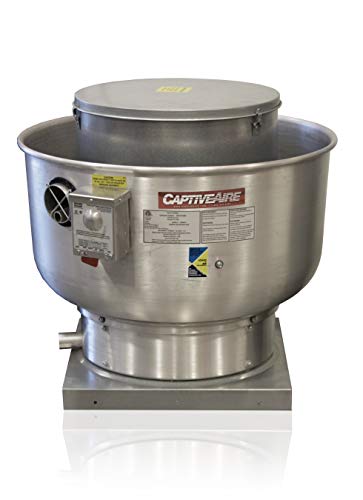
High Speed Direct Drive Centrifugal Upblast Exhaust Fan with speed control, disconnect switch and 10-1/2" wheel.
Calculate CFM for Your Workshop Size
Calculating the right CFM for your workshop can feel like a daunting task, but it’s crucial for keeping the air fresh and safe while you work. Have you ever noticed how musty your shop can get? That’s often a sign you need better ventilation.
First things first, let’s figure out your workshop’s volume. Just multiply the length, width, and height—all in feet. Once you have that number, you’ll want to think about how many air changes per hour (ACH) your space needs. For most workshops, aiming for around 5 ACH is a good rule of thumb.
Want to get to the CFM? Here’s the trick: use this formula: CFM = (Volume x ACH) / 60. For example, if you’ve calculated your workshop volume to be 1,000 cubic feet, you’d need about 83.33 CFM to keep things fresh.
Now, keep in mind that other things can play into your CFM needs. How many folks are working in there? What kind of materials are you using? Regularly reassessing your airflow makes sure you’re keeping up with any changes. So, how often do you check in on your workshop’s ventilation?
In the end, good air quality isn’t just about comfort; it’s about safety, too. Using a dust collection system can significantly enhance air quality by capturing harmful particles right at their source. Make sure you stay on top of it, and your workspace will feel a lot better for it. What steps will you take today to improve your workshop air?
Recommended Products

Industrial-Size Work Area: Features a massive 343L interior (48" x 24" x 24") for blasting large parts like wheels and engine blocks

Cyclone's two-stage separation provides more working CFM than comparable horsepower single-stage units

Powder coated paint
Recommended CFM Based on Common Workshop Tasks
When you’re working in a workshop, picking the right CFM (cubic feet per minute) for airflow can really make a difference. Whether you’re crafting, welding, or painting, each task has its own air change rate that ensures you stay safe and comfortable.
For woodworking, you’ll want to aim for around 5 to 8 air changes per hour (ACH). This equates to roughly 200-300 CFM in a 500 square foot space. It’s not too high, but enough to keep the air fresh while you work.
Now, if you’re into welding, things get a bit more serious. For those heavy-duty tasks, shoot for 6 to 12 ACH—this can mean pushing over 500 CFM in a 1,000 square foot workshop. The fumes generated here are no joke, so adequate ventilation is crucial.
Painting and finishing projects? You need to ramp it up even more. A range of 15-20 ACH is ideal, translating into about 400-600 CFM for 300 square feet. Those chemicals can be pretty harsh, and you’ll want to keep the air as clean as possible.
Lastly, when you’re doing electrical or mechanical work, you’re looking at about 5-7 ACH, which calls for 150-250 CFM in a 400 square foot area. This ensures you’ve got the ventilation necessary for good airflow while you tackle those tasks.
So why does this all matter? Well, adequate airflow not only keeps you comfortable but also helps prevent accidents and health issues down the line. Safety first, right?
In short, know your projects and plan your airflow accordingly. What workshop task do you tackle most often? Also, consider the filtration efficiency of your dust collector to ensure optimal air quality and protection for your respiratory health.
Recommended Products
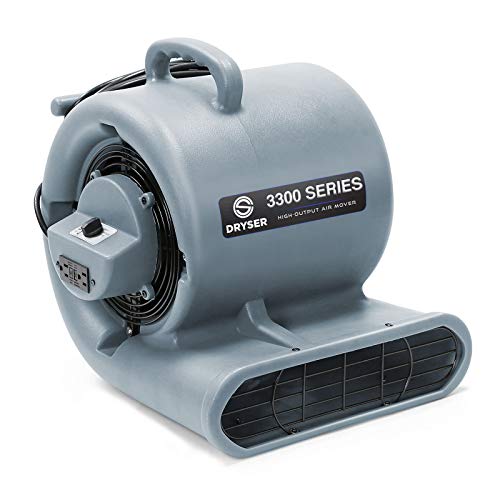
This professional-grade, industrial-strength air mover fan will meet all your air circulation needs. Featuring a precision-engineered impeller for maximum efficiency, with a best-in-class CFM (Cubic Feet per Minute) output from its powerful 1/3 horsepower motor.

1-speed 24" belt-drive exhaust fan for use in exterior ventilation

18" Wall Propeller Direct Drive Fan For Applications Requiring Large Air Volumes. Includes Wall Box with Guard Screen.
Avoiding Common Mistakes in Workshop CFM Calculations
Do you really know how to get your CFM calculations right for your workshop? It might seem like a small detail, but getting proper airflow measurements is crucial. Start with measuring your room dimensions in feet; even a small miscalculation can result in serious errors in airflow estimates.
Choosing the right Air Changes per Hour (ACH) is another important step. The tasks you do in your workshop should dictate how much air needs to circulate. Whether you end up oversizing or undersizing your setup could impact not just air quality but energy efficiency too. And let’s not forget about things like machinery placement—obstructions can mess with how air flows in your space.
Consistency in your units is key; stick to cubic feet for volume and CFM for airflow. It might sound like a hassle, but trust me, it’s worth it to avoid any pesky conversion errors. Before you call it done, take a moment to compare your calculated CFM with industry standards. This checks ensures you have enough ventilation, which is vital for both safety and comfort in your workshop. Keep in mind that higher CFM ratings allow for quicker cleaning which can make your ventilation setup more efficient.
Recommended Products
High Speed Direct Drive Centrifugal Upblast Exhaust Fan with speed control, disconnect switch and 15-3/4" wheel.
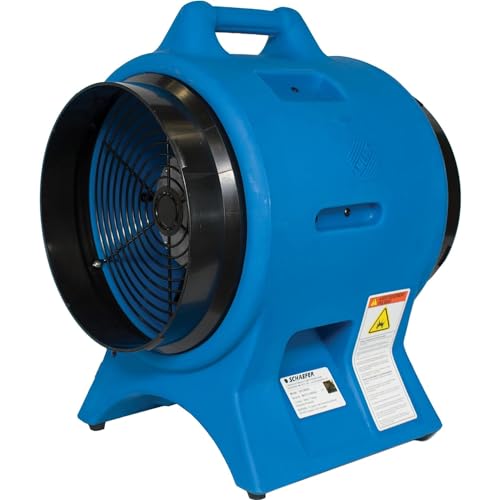
HEAVY-DUTY POLYPROPYLENE BLADE FOR MAXIMUM DURABILITY: The exhaust fan blade is made from tough polypropylene, designed to handle the toughest conditions while ensuring long-lasting durability. Its high-quality construction ensures this ventilator blower can withstand demanding environments, making it ideal for construction sites and industrial use.

POWERFUL 1200 CFM VENTILATION: Features dual heavy-duty motors providing four distinct speed settings from 550 CFM up to a maximum 1200 CFM airflow capacity. This high-capacity system quickly draws out dense smoke, steam, grease, and strong cooking odors from your kitchen, operating efficiently at a low sound level of 48 dB on its minimum setting and 68 dB at peak performance.
How CFM Affects Indoor Air Quality and Worker Safety
Do you ever think about the air you’re breathing while working in a workshop? It’s a huge deal, especially if your job involves activities like welding, which can release harmful fumes and pollutants. Getting your CFM levels right is essential for both air quality and worker safety.
Here’s the trick: by calculating the proper CFM, you can help clear out toxic fumes from the air. This not only helps reduce respiratory problems but also lowers long-term health risks. For instance, welding environments often need around 10 air changes per hour (ACH) to effectively dilute and remove dangerous airborne hazards. If ventilation isn’t up to par, those toxic concentrations can rise rapidly, putting workers at serious risk.
What’s even better is that maintaining proper CFM doesn’t just improve air quality; it also makes things more comfortable. Good ventilation helps regulate temperature and humidity, reducing fatigue and making it easier for you and your team to stay productive. Adhering to NIOSH guidelines for activities like welding can really help you achieve the best indoor air quality.
Using tools equipped with HEPA filtration systems can further enhance the removal of fine particles and allergens from the workspace air.
In short, keeping track of your CFM levels is a no-brainer if you want to ensure a safe and comfortable work environment. So, why not check on your workshop’s ventilation today? Investing a little time and effort now can lead to a healthier workplace down the line.
Tips to Maintain Optimal CFM in Your Workshop
Keeping the air in your workshop clean and fresh can be a real challenge, can’t it? Regularly checking and maintaining your ventilation system is key, as even small issues can really mess with your air quality. Aim for about 5 air changes an hour (ACH). This level helps get rid of those harmful fumes that can hang around, making it safer and healthier to work.
One trick I’ve used is to implement displacement ventilation. It’s a neat method that pushes fumes toward extraction points while bringing in fresh air low down. This strategy not only helps with circulation but also improves the overall atmosphere in your workshop. And let’s not forget where we place our extraction units. Positioning them correctly can be crucial; if they’re not in the right spots, cross flows might stop them from removing those dangerous substances effectively.
Don’t skip out on regularly measuring your workshop’s size and the activities you are running. This will help you adjust your CFM needs for an efficient ventilation setup. After all, a well-ventilated workspace isn’t just good for you; it’s vital for everyone around. So, how does your workshop stack up in these areas? Using long hose lengths above 10 feet may cause airflow resistance, affecting the overall ventilation efficiency.
Frequently Asked Questions
How Do I Calculate How Much CFM I Need?
Calculating our CFM needs isn’t rocket science—just a bit of math! We’ll assess our ventilation needs by measuring our workshop space and considering air quality to boost efficiency. Let’s guarantee our air’s as fresh as our projects!
How Do You Calculate CFM for a Garage?
To calculate CFM for garage ventilation, we measure the space’s volume and multiply by the desired Air Changes Per Hour. This guarantees ideal workshop airflow and maintains quality air by reducing humidity and pollutants effectively.
How Much CFM Do I Need for 2000 Square Feet?
For a 2000 square foot workshop, we’ll need about 1,667 CFM to guarantee good ventilation requirements. This helps maintain air quality and enhances workshop efficiency. Let’s adjust based on specific activities and changes we encounter.
How Much CFM for Woodshop?
For ideal woodshop ventilation, we need about 427 CFM to guarantee proper air circulation and effective dust extraction. Let’s prioritize clean air, maintain safety, and enhance our woodworking experience together.