As an Amazon Associate, we earn from qualifying purchases. Some links on this site are affiliate links at no extra cost to you. Our recommendations are based on thorough research and editorial judgment.


HEPA Filtration in Woodworking: What You Need to Know

Have you ever walked into your workshop and felt that scratchy throat or found yourself sneezing after a long day of sanding? It’s no surprise. The wood dust generated during woodworking can lead to serious health issues, including asthma and reduced lung function.
You may be interested
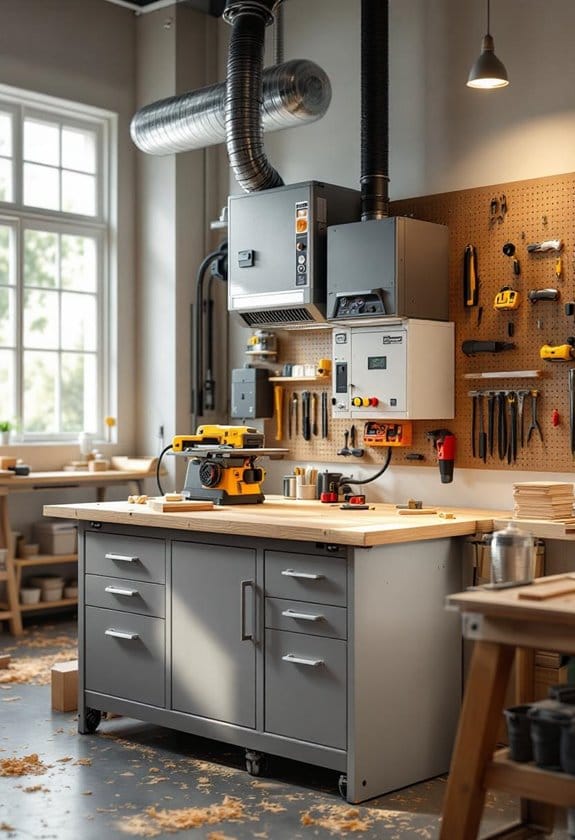
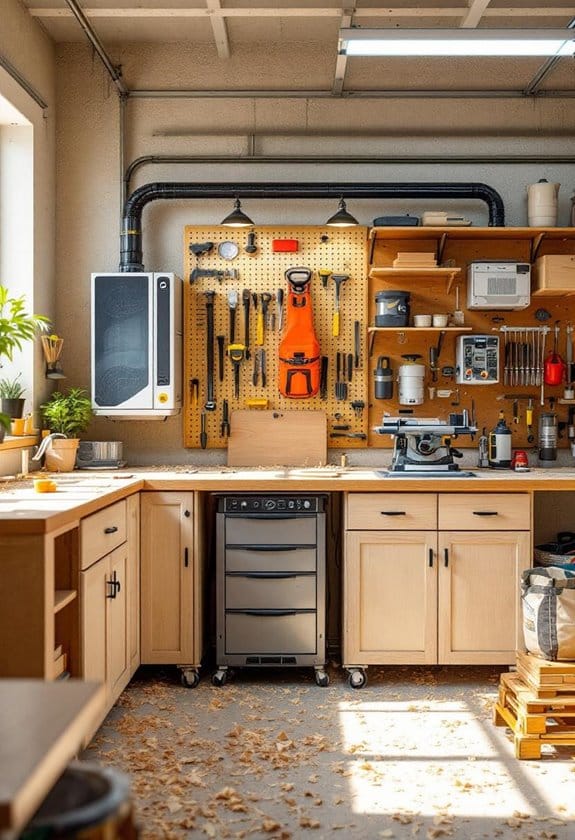
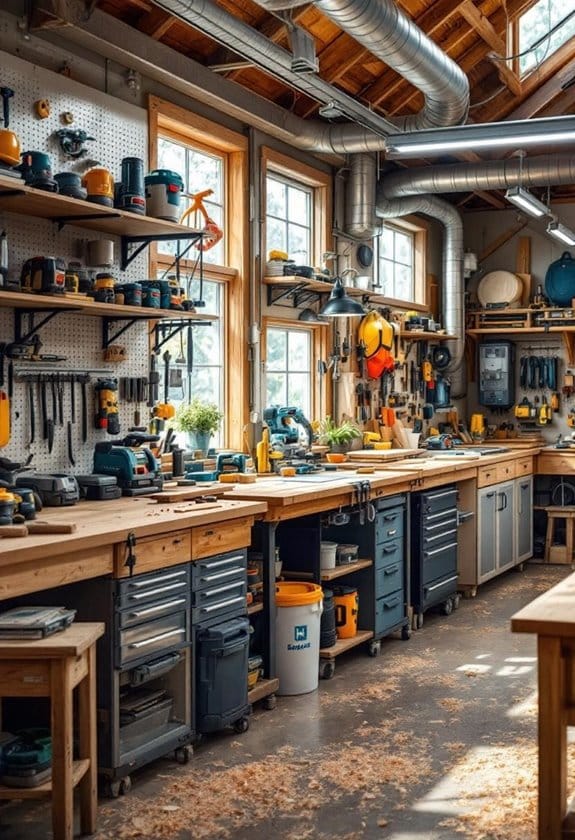
That’s why having a solid dust management system, especially one with HEPA filtration, is so important for your health and the quality of your air.
These HEPA filters are designed to trap an impressive 99.97% of particles that are as small as 0.3 microns. This means they can capture a lot of the harmful stuff floating around, making your workspace much safer to breathe in.
So, why does this matter? Well, every time you cut or sand wood, you’re introducing tiny particles into the air that can really affect your respiratory health over time.
When you’re picking a HEPA purifier for your workshop, consider the size of your space. You should aim for an air change rate of about 6-10 changes per hour to keep the air clean.
This isn’t a one-size-fits-all situation; the right setup depends on how big your shop is and how often you’re working with wood.
Try this: gauge the size of your workspace and research HEPA purifiers that fit those measurements. It’s about finding what works best for you and your specific needs.
The best part is, combining good filtration with regular cleaning can make a noticeable difference in air quality.
In the end, investing in a HEPA filtration system is an essential step for any woodworker. You’ll breathe easier and keep your workshop healthier for years to come.
So, what steps will you take today to improve your air quality while woodworking?
Key Takeaways
- HEPA filters capture 99.97% of particles down to 0.3 microns, crucial for protecting respiratory health in woodworking environments.
- Regular exposure to wood dust can lead to respiratory issues like asthma; HEPA filtration significantly reduces these risks.
- Choose HEPA air purifiers with a CFM rating suitable for your workspace size to ensure effective dust filtration.
- Combine HEPA filters with dust collection systems and maintenance practices to enhance air quality and minimize health risks.
- Professional-grade HEPA systems often feature automatic cleaning, ensuring lasting efficiency and healthier working conditions.
Why You Need HEPA Filtration in Your Woodshop
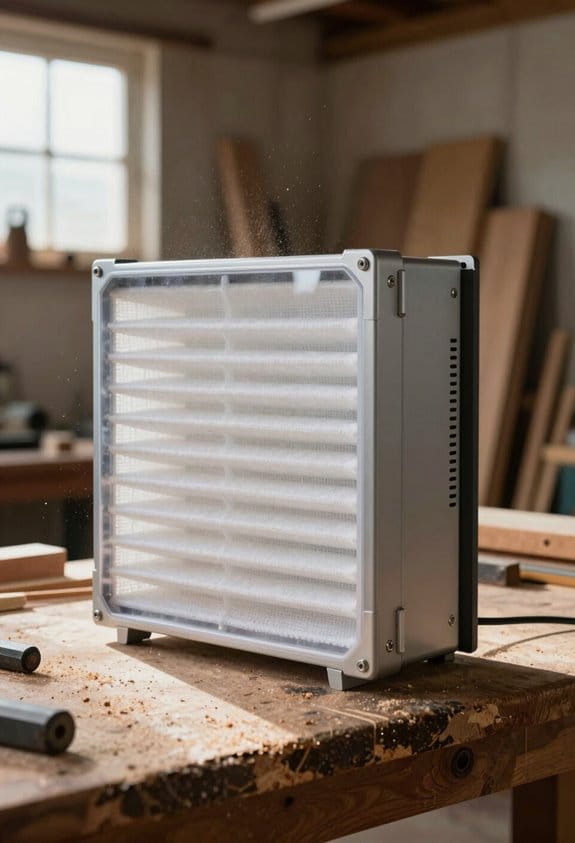
Have you ever noticed how much dust gets kicked up in your woodshop? It can feel overwhelming at times, and it’s not just the mess that’s the problem. Incorporating HEPA filtration isn’t just a good idea; it’s vital for keeping your workshop—and your lungs—safe. HEPA filters can trap an impressive 99.97% of those tiny particles that are just 0.3 microns in size. This means they can catch that fine wood dust and other harmful stuff that can wreak havoc on your health.
So, why does this matter? Studies link exposure to woodworking dust with various allergic reactions and even respiratory diseases. You wouldn’t want to make your hobby a health hazard, right? To keep the air clean, it’s recommended to aim for 6-10 air changes per hour. You can easily reach that level by combining HEPA systems with smart dust collection methods.
Here’s the trick: by investing in a good HEPA filtration system, you’re not just creating a safer working environment; you’re also improving the overall comfort of your space. Think about it: less dust in the air means better air quality, which can seriously help boost your productivity too. Many models now come with automatic filter cleaning to reduce maintenance and ensure consistent performance.
To sum it up, adding HEPA filtration is a smart move for any woodshop. It protects your health while making your workspace more enjoyable. So, what steps are you planning to take to ensure your woodshop is a safe haven?
Recommended Products
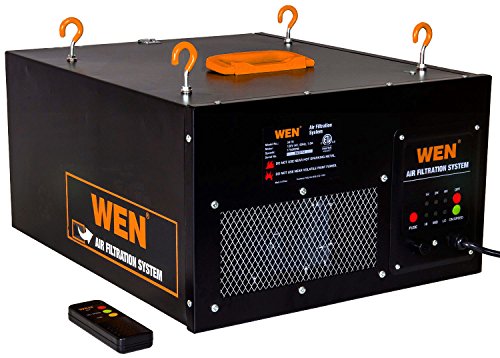
Includes a 1-micron filter and a 5-micron pre-filter, both of which can be easily replaced

Kindly Note: This woodworking air filtration systems does not meet California's regular requirements, it can not be shipped to California.
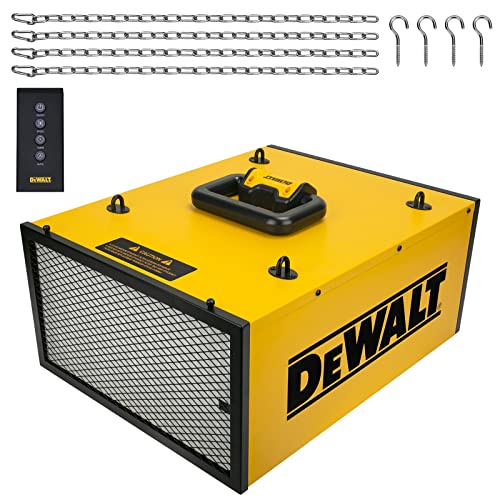
【2-STAGE FILTRATION】This dust collector is equipped with a 2-stage filtration system, featuring a static cotton pre-filter and an H11 HEPA filter, capable of capturing over 95% of 0.3 μ m particles, providing cleaner air for your workshop
Common Sources of Wood Dust and Their Health Risks

Creating a safe woodshop environment isn’t just about having the right equipment; it’s also about knowing where wood dust comes from and the health risks that come with it. You probably generate wood dust every time you cut, sand, or shape wood. Hardwoods are particularly concerning because they often produce dust that contains allergens and toxins. So, why should you care? Well, exposure to this dust can lead to serious respiratory problems like asthma and reduced lung function, and even small amounts can be harmful with no proven safe levels.
Here’s the trick: invest in good HEPA filters for your workshop. These filters are great because they can capture those fine particles, which helps reduce the risk of inhaling harmful dust. It’s all about protecting yourself and your health in the long run.
Consider these tips for minimizing wood dust in your workspace:
- Keep your workspace clean by regularly sweeping and vacuuming.
- Make sure to wear a mask when you’re working with wood, especially during cutting or sanding.
- Utilize a dust collection system, if possible.
Honestly, taking these steps can make a huge difference in your overall wellbeing while you work. So, it’s not just about creating something beautiful; it’s about doing it safely. For optimal dust management, choosing dust extractors with automatic HEPA filter cleaning can maintain continuous suction and reduce airborne particles effectively.
How HEPA Filters Work

Have you ever walked into a woodworking shop and felt that dusty fog in the air? It’s not just annoying; it can be a health hazard too. That’s where HEPA filters, or High Efficiency Particulate Air filters, come into play. These filters are pretty remarkable because they can catch an incredible 99.97% of particles that are as small as 0.3 microns. If you’re serious about keeping the air clean while working on your projects, investing in a HEPA filter is a smart choice.
So, how do these filters actually work? They utilize three key processes: interception, impaction, and diffusion. What this means is they effectively trap both large bits and tiny specks of dust and allergens that float around. Unlike your basic filter, which might just push these particles back into the air, HEPA filters hold onto them, ensuring cleaner air. They’re rated between MERV 17 to 20, which stands for Minimum Efficiency Reporting Value, making them top-tier when it comes to filtering out microscopic particles.
Now, it’s crucial to remember that just having a HEPA filter isn’t enough. You’ve got to keep up with regular maintenance and replace them on time. Clogged filters can slow down airflow and diminish their overall performance, which is the opposite of what you want. You don’t want to compromise your health and safety by ignoring this part!
If you’re wondering why this matters, consider how much time you spend working in a shop filled with dust. Protecting your lungs is as important as perfecting your woodwork.
Many modern dust collectors feature automatic filter cleaning functions that help maintain airflow and efficiency.
Choosing the Perfect HEPA Air Purifier for Your Shop
How do you find the right HEPA air purifier for your woodworking shop to boost air quality? It’s not just about keeping the dust down; it’s about protecting your health too. You’ll want to start by looking for HEPA air purifiers that can capture 99.97% of particles at 0.3 microns. This is key for filtering out fine sawdust and other harmful bits floating around in the air.
Next, consider the CFM rating to match your shop’s size. For small spaces, look for models that range between 400–800 CFM. If you’ve got a larger workshop, you might need something beefier—think 1200 to 2000+ CFM. That way, you’re ensuring your air purifier can handle the workload.
It’s also smart to pick a model with multiple stages of filtration. Look for ones with pre-filters and activated carbon layers. These will help tackle not just dust, but also odors and volatile organic compounds (VOCs) that can linger in the air.
Noise levels matter too. Do you want to work in peace, or is a bit of background hum no big deal? Models that operate between 50 and 70 dB are pretty standard, but if you can find one that stays under 60 dB, that’ll help keep your workspace more comfortable for longer periods.
Additionally, regular maintenance is crucial to keep filters working at peak efficiency and prolong the lifespan of your purifier with proper care of filtering components.
So, here’s the trick: prioritize capturing those tiny particles, ensure the CFM matches your space, and don’t forget about noise levels. Each of these factors contributes to better air quality while you work.
In the end, it comes down to making your shop a safer place to work. What features do you think are most important in your search?
Recommended Products

𝐇𝐢𝐠𝐡𝐞𝐫 𝐀𝐢𝐫 𝐈𝐧𝐭𝐚𝐤𝐞 & 𝐋𝐚𝐫𝐠𝐞𝐫 𝐂𝐨𝐯𝐞𝐫𝐚𝐠𝐞 𝐟𝐨𝐫 𝐏𝐞𝐭 𝐋𝐨𝐯𝐞𝐫𝐬: This air purifier for home pets is designed with a larger front air inlet and wider dual-side air inlet. Compared to the single air inlet design, it can trap airborne pet hairs and odors more easily. This air purifier for large room can clean up to 2200 ft² per hour

WHY CHOOSE AHAM VERIFIDE AIR PURIFIERS: AHAM (Association of Home Appliance Manufacturers) is an ANSI-accredited organization that sets strict standards for appliance performance. Air purifiers with the AHAM VERIFIDE seal have been independently tested for air cleaning performance and energy efficiency. When you choose an AHAM certified air purifier, you're choosing a product trusted for reliable and effective indoor air quality improvement

𝐖𝐇𝐘 𝐂𝐇𝐎𝐎𝐒𝐄 𝐀𝐇𝐀𝐌 𝐕𝐄𝐑𝐈𝐅𝐈𝐃𝐄 𝐏𝐑𝐎𝐃𝐔𝐂𝐓𝐒: AHAM (Association of Home Appliance Manufacturers) is an ANSI-accredited organization that sets strict standards for appliance performance. Air purifiers with the AHAM VERIFIDE seal have been independently tested for air cleaning performance, safety, and energy efficiency. When you choose an AHAM certified air purifier, you're choosing a product trusted for reliable and effective indoor air quality improvement.
Top Strategies for Using HEPA Filters in Your Workshop
Ever felt like you’re breathing in a cloud of sawdust while working in your workshop? If you’ve been there, you know how important clean air is for your health. Getting your woodworking shop equipped with HEPA air purifiers can be a real step toward a safer working environment.
To make the most out of those HEPA filters, try placing them close to the areas where you create the most dust, like when you’re sanding or cutting wood. This way, you’ll improve their ability to capture those pesky airborne particles right where they start. Aim for an air exchange rate of about 6-10 times per hour. This means you’re cycling through and filtering the air effectively, keeping things fresh and clean.
But don’t stop there. The best part is that you can boost your air quality by combining HEPA filters with dust collection systems and other filtration methods. Consider adding electrostatic systems or carbon filters that tackle volatile organic compounds. So, why does this matter? Because improving your air quality not only benefits your health but also enhances your overall woodworking experience.
And let’s not forget the maintenance part. Regularly checking and replacing your HEPA filters based on the guidelines can make a huge difference. If you let them get too dirty, they won’t do their job as well, which means you could still be exposed to harmful wood dust.
Using dust collectors with quick-release collection bags can simplify maintenance and ensure your filters and bags are kept in top condition.
In short, taking these steps can lead to a cleaner, healthier workshop. Have you thought about how to improve air quality in your space today?
Maintenance Tips for Effective HEPA Performance
Are you worried about the air quality in your workshop? Keeping your HEPA filtration system in good shape isn’t as scary as it seems, but it’s crucial for breathing easier and keeping your workspace healthy.
To keep things running smoothly, aim to swap out those HEPA filters every 6 to 12 months, just like the manufacturers recommend. It may sound like a hassle, but think of it this way—regular filter changes can save you from bigger problems down the line. Cleaning or replacing pre-filters often helps capture larger particles, which not only keeps your air fresher but can also help your HEPA filters last longer.
Also, pay attention to the airflow and suction power. If you notice a drop-off in performance, it’s time for a little maintenance. And don’t forget to clear the area around your air cleaner. A tidy space boosts airflow, making your dust collection system work even better. Routine inspections for signs of wear can go a long way in keeping your air quality consistent. Using electrical equipment with surge protection can further prevent power disruptions that might affect your air filtration system’s operation.
Recommended Products

Small, lightweight P100 HESPA replaceable filter

10x higher suction pressure than standard dust collectors and 20% more airflow through 4" ports than the classic Supercell!
Frequently Asked Questions About HEPA Filtration in Woodworking
Ever noticed how the air in your woodworking shop can get pretty stuffy and full of dust? It’s a real issue, especially when you’re cutting, sanding, or working with materials that kick up harmful particles. That’s where HEPA filtration steps in. These filters are no joke—they capture 99.97% of particles as small as 0.3 microns. That means they’re pretty effective at trapping sawdust and other nasty contaminants that can be floating around.
If you’re serious about keeping the air quality in your shop pristine and minimizing respiratory risks, you really need to consider getting a HEPA-rated dust collection system. Most woodshops should aim for about 6-10 air changes per hour. In larger spaces, this might mean you’ll have to set up multiple HEPA air purifiers to keep things circulating well.
Regular maintenance is a must, too. Keeping an eye on your filters and replacing them when needed not only helps maintain good airflow but also ensures that your systems work effectively. You don’t want to be breathing in more dust than necessary. Also, here’s a tip: pairing HEPA filters with activated carbon filters can take your air quality to another level by dealing with smoke and odors. It’s a great way to create a healthier environment while you work.
Many professional-grade systems come with automatic filter cleaning features that reduce downtime and maintain suction power, making dust management more efficient.
Frequently Asked Questions
What Is the 2 3 Rule for Air Purifiers?
Think of air purifiers as cleaning our living environment’s lungs. The 2 3 rule states that an air purifier’s CADR should be two-thirds of the room size, enhancing our woodworking safety and air purifier efficiency.
What Are the Requirements for HEPA Filtration?
To meet HEPA standards, our filters must achieve at least 99.97% filtration efficiency for 0.3-micron particles. This is essential for woodworking safety, ensuring we breathe cleaner air and minimize harmful dust exposure in our workshops.
What MERV Rating Is Needed for Woodshop Filter?
In our quest for woodshop safety, we need filters with a MERV rating of at least 11. This helps maximize air quality, enhancing our dust collection systems while protecting us from harmful particles floating around.
What Are the Two Disadvantages of HEPA Filters?
HEPA filters have disadvantages, like high maintenance costs due to regular replacements and reduced filter efficiency over time. Additionally, they can generate higher noise levels, making our woodworking environment less enjoyable while we work.