As an Amazon Associate, we earn from qualifying purchases. Some links on this site are affiliate links at no extra cost to you. Our recommendations are based on thorough research and editorial judgment.


How Dust Masks Filter Particles: The Science Behind Protection

Ever wondered how dust masks really work and why they’re so important for your health? It’s all about that clever design. Dust masks filter airborne particles using a unique combination of physical and electrostatic methods. This means they can trap annoying and harmful stuff in the air, even those tiny particles that are just 0.1 micrometers wide.
So, how does this all come together? Larger particles get snagged by the tightly woven fabrics of the mask. Meanwhile, the smaller ones are pulled in by charged fibers—kind of like how static electricity makes dust cling to your furniture. This two-pronged approach not only helps you breathe easier but also cuts down the chances of getting sick from those nasty respiratory bugs.
Try this: when shopping for a dust mask, look for ones that fit snugly against your face with multiple layers of filters. This can make a big difference in the level of protection you get. Plus, a good fit ensures that air isn’t slipping in around the edges, giving you better coverage against those pesky particles.
Frankly, if you’re going to invest in your health, you might as well choose a mask that offers the best protection possible. Keep in mind that not all masks are created equal, so it pays to do a little research—or even ask friends or family for recommendations.
The best part is that this small change can have a huge positive impact on your air quality. Have you ever thought about what you might be breathing in? Taking the time to choose the right dust mask could be a simple yet effective step toward a healthier you.
Key Takeaways
- Dust masks utilize layered filtration techniques to trap particles of various sizes, enhancing overall air quality and safety.
- Mechanical filtration captures larger particles through thick fabric weaves, while electrostatic techniques attract smaller particles down to 0.1 micrometers.
- A combination of inertial impaction and size exclusion in mechanical filtration creates physical barriers against dust and allergens.
- Electrostatic filters employ charged fibers to enhance the capture efficiency of bacteria and viruses, significantly reducing respiratory infection risks.
- Key materials, typically nonwoven polypropylene, facilitate effective filtration through advanced manufacturing methods like melt-blown technology for optimal protection.
Why Dust Masks Are Essential for Protection

Have you ever stepped outside and immediately felt the effects of smog or dust in the air? It can be really unsettling, especially if you have allergies or respiratory issues. That’s where dust masks come into play—they’re not just for construction sites anymore!
Dust masks act like a shield against harmful particles floating around in the air. They’re designed with multiple layers of filters. The first layer catches the bigger stuff, while the extra layers trap smaller particles, including those pesky PM2.5 ones that can sneak right into your lungs. But that’s not all; these masks also combine mechanical filters with electrostatic technology. This combo helps block not just dust and pollen, but also bacteria and viruses. So, why does this matter? If you live in a high-pollution area or struggle with allergies, a dust mask can significantly improve what you breathe in.
When you’re shopping for a dust mask, don’t just grab any old thing. Look for options like N95 or KN95 masks, which are designed to filter out at least 95% of harmful particles. A properly fitted mask is key to making sure you’re getting the full benefits. The best part is, when you wear a dust mask, you’re not only taking care of your health, but you’re also reducing your risk of respiratory infections. Masks with adjustable straps and nose clips can ensure a snug fit, enhancing protection and comfort during use.
How Do Dust Masks Filter Different Particle Sizes?

Have you ever walked into a dusty area and wished you had a better way to protect your lungs? Dust masks are more than just a simple barrier; they’re designed to filter out different sizes of particles, helping you breathe easier in various environments.
These masks really shine when it comes to their layered filtration techniques. They’re built to handle everything from larger particles to those pesky PM2.5 particles, which are 2.5 micrometers or smaller. What’s interesting is that larger particles, usually around 1 micrometer, get trapped using tighter fabric weaves. The cool part? There’s also electrostatic attraction at work, which helps snag those smaller particles—down to 0.1 micrometer.
The combination of mechanical filtration and electrostatic attraction means these masks provide strong protection against both biological and environmental threats. The materials play a huge role in their filtering capabilities, ensuring you get the best breath of fresh air possible.
So, why is this important? Well, whether you’re in a construction zone or just dealing with seasonal allergies, a good dust mask can help safeguard your respiratory system. Remember, it’s not just about looking cool—you want to actually breathe well, right?
Many of the top-rated masks feature multi-layer designs that enhance filtration efficiency and comfort for extended wear.
Recommended Products
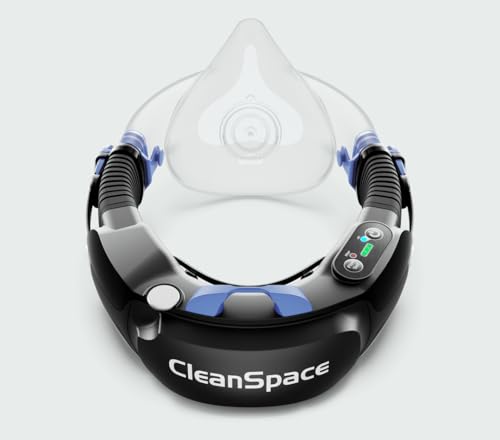
Compact and lightweight: (< 1lb) - easy to don and doff

𝗡𝗜𝗢𝗦𝗛 𝗔𝗣𝗣𝗥𝗢𝗩𝗘𝗗 𝗦𝗨𝗣𝗣𝗟𝗜𝗘𝗗 𝗔𝗜𝗥 𝗥𝗘𝗦𝗣𝗜𝗥𝗔𝗧𝗢𝗥 – Designed for use with compatible Allegro low-pressure breathing air systems. Ideal for industrial environments such as painting, manufacturing, refinishing, and maintenance applications

ALL-IN-ONE WELDING, GRINDING, AND RESPIRATORY MASK: Replaces a traditional welding helmet, grinding face shield, and respirator in one compact system. Flip-up design allows you to grind, prep, or weld without changing gear. Designed for welders, fabricators, and metalworkers who need coverage for multiple tasks.
Mechanical vs. Electrostatic Filtration in Dust Masks

When you’re out and about, facing the dust and pollution, have you ever wondered how effective your dust mask really is? It’s important to know the difference between mechanical and electrostatic filtration methods used in these masks.
Mechanical filtration is like having a sturdy shield. It uses thick fabric layers to block larger particles, such as dust and pollen. Think of it as a physical wall that catches heavier stuff by either bumping them off (inertial impaction) or just not letting them pass because they’re too big (size exclusion).
On the flip side, you have electrostatic filtration, which works a bit like magic. It employs charged fibers that attract smaller particles—yes, even bacteria and viruses. This setup can catch tiny things as small as 0.1 microns. So, why does this matter? It means you can breathe a bit easier when you’re wearing a mask designed this way.
A crucial factor in how well these masks work is their filter material. You want tightly woven fabrics for better mechanical filtration. The best part is, regularly checking the electrostatic charge and making sure the material stays in good shape can go a long way in keeping your mask effective over time. Proper fit and an adjustable design also play an essential role in maximizing the filtration efficiency.
Recommended Products

NIOSH APPROVED: For at least 95% filtration efficiency against certain non-oil based particles like dust.

[ Portable PAPR Respirator ] - PAPR respirator system fully charged can work continuously for more than 7 hours. Compact and lightweight, the waist belt design transfers the weight of the PAPR respirator to the waist, helping to reduce the weight on the face while improving mobility.

UNIVERSAL COMPATIBILITY: 24x30x1 replacement air filters for your furnace, air conditioner, or heat pump enhance HVAC system efficiency and support a healthy lifestyle (actual size: 23.88" x 29.88" x 0.75")
Key Materials in Dust Masks That Improve Filtration
Have you ever wondered why some dust masks seem to work better than others? The materials they’re made from are key to keeping you safe from all those pesky airborne particles. Let’s break it down.
Most dust masks are crafted from nonwoven materials like polypropylene. This fabric isn’t just any old cloth; it’s designed to create thick layers that trap particles through mechanical filtration. That means they physically catch dust, pollen, and other unwanted stuff in the air.
But there’s more to it! Have you heard about electrostatic attraction? It’s pretty cool—positive and negative charges work together so that the fibers in the mask grab onto dust and allergens like a magnet. Plus, many masks are built with multiple layers, which target different sizes of particles. This way, they tackle everything from larger debris to those tiny PM2.5 particles that can sneak into your lungs.
Want to know another trick? Some materials are even treated to make them better at soaking up moisture. This is helpful because it captures that damp dust that can often float around. Those nifty manufacturing techniques, like melt-blown technology, create finer fibers which seriously boost how well a dust mask performs.
Honestly, knowing what goes into these masks can make a big difference for your respiratory safety. So next time you pick one up, think about what’s actually in it. Are you prepared to protect yourself from those airborne risks? Choosing masks or cartridges that meet NIOSH-approved standards helps ensure you get effective protection against hazardous particles.
Recommended Products

NIOSH APPROVED: For at least 95 percent filtration efficiency against certain non-oil based particles like dust.
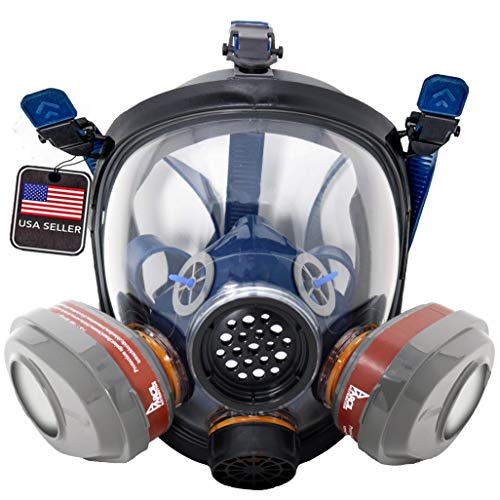
IDEAL FOR WILDFIRE SMOKE, SMOKE HAZE & POOR AIR QUALITY - A reusable respirator built for emergency preparedness during elevated AQI and airborne particle events, helping provide reliable respiratory protection.

ULTIMATE PROTECTION AND COMFORT WITH A LIGHTWEIGHT AND ERGONOMIC MASK - Keep your eyes and face safe in any environment with a thick lens shield and airtight silicone seal lock that protects you from fumes, debris and particulates so you can focus on the task at hand without worrying about your safety. This respirator mask won’t dig into your skin when worn and allows you to stay cool with an airflow valve designed to reduce the humidity and heat build-up inside the mask.
How to Choose the Right Dust Mask for Your Needs
When it comes to protecting your lungs, the right dust mask makes all the difference. Have you ever been in a dusty environment and felt like you were inhaling more than just air? A good mask is crucial for filtering out those harmful particles that can really mess with your health.
Try this: look for masks with a high filtration efficiency. N95 masks are a solid choice because they filter out at least 95% of particles that are 0.3 microns or larger. Though they might feel a bit tight at first, a snug fit around your nose and mouth is key. If there are gaps, that unfiltered air is rushing in—defeating the whole purpose!
Consider these features for better protection:
- Multiple layers for finer filtration
- Adjustable nosepieces for a better fit
- Elastic ear bands to keep it comfortable during long use
The best part is that these small adjustments can make a huge difference in how effective the mask is for you.
So, why does this matter? Paying attention to these details can keep your airways safe, especially in places where dust and particles are common. Don’t underestimate air quality—your health is worth it.
Additionally, selecting masks with exhalation valves can reduce heat and moisture buildup, making long wear more comfortable.
In the end, choosing the right dust mask can seem overwhelming, but focusing on filtration efficiency and comfort can simplify your decision. Have you checked your mask’s fit lately?
Recommended Products

𝐃𝐞𝐬𝐢𝐠𝐧𝐞𝐝 𝐟𝐨𝐫 𝐂𝐨𝐦𝐟𝐨𝐫𝐭, 𝐏𝐫𝐨𝐭𝐞𝐜𝐭𝐢𝐨𝐧, 𝐚𝐧𝐝 𝐋𝐨𝐧𝐠-𝐋𝐚𝐬𝐭𝐢𝐧𝐠 𝐔𝐬𝐞: Our adjustable disposable N95 Mask offer a reliable and convenient way to safeguard against particles, ensuring both safety and ease of wear throughout the day.

PET HAIR NO MORE: Effortlessly picks up pet hair and dander with its ultra-effective suction; keep your floors sparkling clean without compromising on love for your furry friends.

PET HAIR NO MORE: Effortlessly picks up pet hair and dander with its ultra-effective suction; keep your floors sparkling clean without compromising on love for your furry friends.
Frequently Asked Questions
What Do Dust Masks Provide Protection From?
Dust masks provide protection from various dust types and particulate sizes, improving our respiratory health. They utilize mask materials with filtration mechanisms that enhance allergy relief and industrial safety, but may pose some breathing resistance and effectiveness limits.
What’s the Science Behind LED Face Masks?
LED face masks harness light therapy for skin rejuvenation, offering benefits like acne treatment and wrinkle reduction. With technological advancements, they meet safety standards, ensuring a positive user experience at cost-effective prices aligned with market trends.
What Is the Protection Factor of a Dust Mask?
The protection factor of a dust mask typically ranges from 2 to 4. In effectiveness comparisons, we must consider mask types, filtering efficiency, material composition, fit testing, and usage guidelines to guarantee our respiratory health and comfort.
Do Masks Help With Particulate Matter?
Absolutely, masks can be superheroes for our respiratory health! Their effectiveness in particulate filtration varies by type and materials. By following usage guidelines, we can dramatically improve air quality while staying comfortable against those pesky air pollutants.


