As an Amazon Associate, we earn from qualifying purchases. Some links on this site are affiliate links at no extra cost to you. Our recommendations are based on thorough research and editorial judgment.


How to Properly Maintain Safety Equipment

How can you really make sure your safety equipment stays in top shape? It’s such a headache when you’re ready to work but find your gear isn’t up to par. Keeping your safety gear maintained is key to staying safe and making sure it lasts.
You may be interested


Start with some simple habits. Before each use, do a quick visual check of your gear. You’d be surprised how often a small tear or crack can sneak up on you.
After your session, give everything a good clean. It’s essential to clean off dirt, sweat, or any chemicals that might compromise your equipment.
What about those manufacturer guidelines? Following them isn’t just a good idea; it’s a must. Stick to what they say for maintenance, inspections, and lifespan checks. Regularly documenting your inspections is also smart.
So, why does this matter? Having a record can help you stay compliant and could save you from a nasty surprise down the road.
When you’re done using the gear, make sure to store it properly. Keep everything in a dry, clean space, organized so you won’t have to sift through a mess to find what you need. It helps to avoid damage and degradation over time.
Training is another vital piece of the puzzle. Knowing how to use and store your equipment correctly can really up your safety game. Honestly, investing time in training will pay off in reduced risks and make you feel more confident.
To sum it up, with a few straightforward practices, you can reduce risks dramatically and keep your safety gear working for you.
So, what’s your favorite tip for maintaining your safety equipment?
Key Takeaways
- Conduct regular visual checks to identify any damage before using safety equipment.
- Clean PPE after each use according to manufacturer’s washing instructions for optimal hygiene.
- Adhere strictly to manufacturer’s maintenance guidelines to ensure effectiveness and compliance.
- Store safety gear in dry, organized conditions to prevent damage and maintain quality.
- Train employees in proper maintenance, usage, and storage techniques to enhance safety.
The Importance of Proper Safety Equipment Maintenance
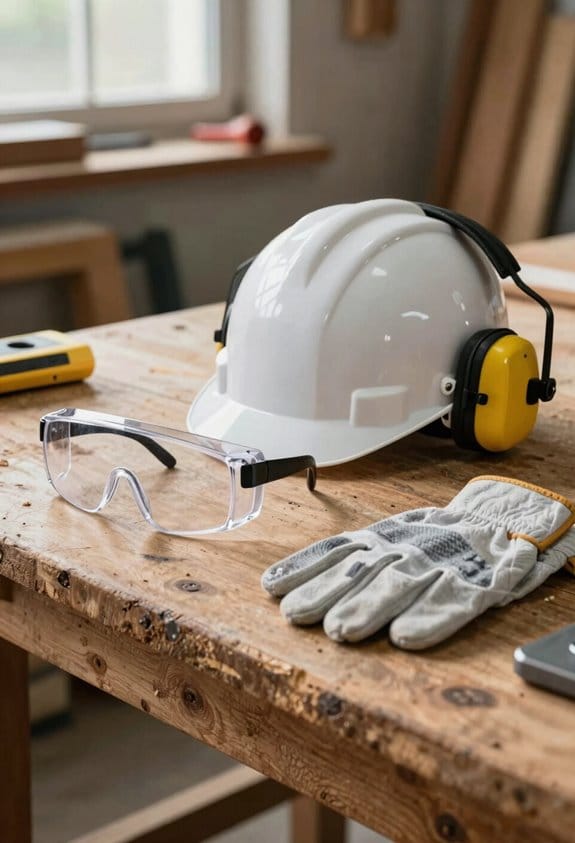
When it comes to keeping your workplace safe, one thing’s for sure: maintaining your safety equipment is a must. You might think, “How big of a deal can it be?” Well, the truth is, regular upkeep of your personal protective equipment (PPE) can seriously cut down on hazards and help you stay compliant with OSHA regulations.
So, here’s the trick: set up a maintenance schedule for your safety gear. Aim for those critical pieces to get a check at least once a year. This isn’t just good practice; it can actually extend the life of your gear. Plus, you’ll significantly lower the chances of accidents that come from faulty equipment.
Think about it. Not only do you protect your team, but you also save yourself from potential legal headaches and expensive accidents. Frankly, no one wants to deal with that mess!
When you invest time and resources into proper maintenance and safety protocols, you’re not just following rules. You’re actively fostering a culture of safety at work, which can really boost morale. Who doesn’t want to be part of a workplace where everyone feels secure?
In the end, keeping up with safety equipment maintenance is simple but crucial. Using high-quality materials and reliable designs, such as those found in dust cyclone separators, can enhance the durability and efficiency of your safety systems. Are you ready to take action and make safety a top priority in your workplace?
Recommended Products
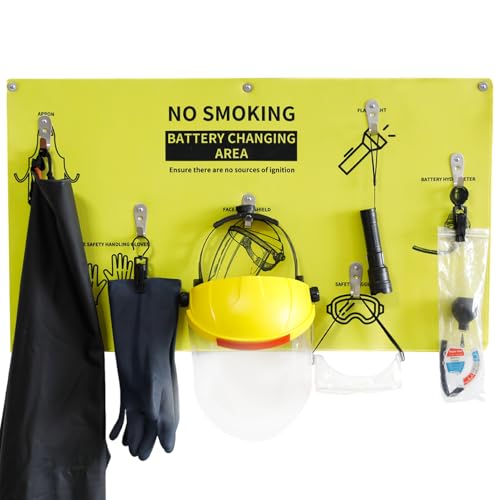
【Complete PPE Kit with All Essential Gear Included】Everything needed for forklift battery care and warehouse fluid-handling tasks comes in one kit: gloves, chemical-splash goggles, a full-face shield, protective apron, hydrometer, flashlight, and a wall-mount board to keep them all together.
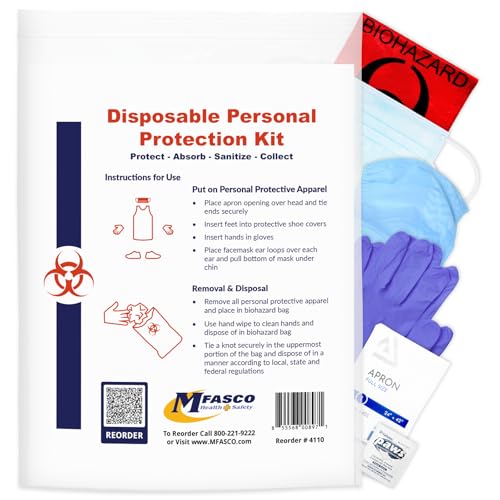
Comprehensive Protection: Includes mask, visor, apron, gloves, and shoe covers for head-to-toe coverage in potentially biohazard situations or during cleanup tasks. Assembled in USA

OSHA Compliant Bloodborne Pathogen Kit – Engineered for safe and effective cleanup of bodily fluids, this kit provides essential protection against exposure risks. Suitable for hospitals, doctor’s offices, healthcare facilities, schools, retail environments, offices, and all other workplace settings.
How to Maintain Your Safety Equipment Effectively
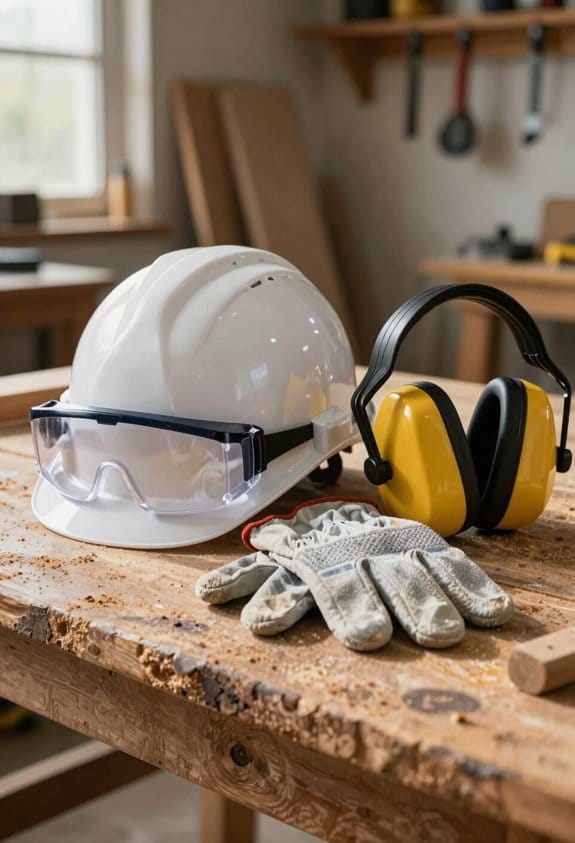
Maintaining safety equipment isn’t just a chore—it’s a crucial part of keeping your team safe at work. Ever thought about what could happen if you skip a quick check before using gear? Regularly inspecting safety equipment for damage, like tears or holes, can make a world of difference in preventing accidents. So, before each use, take a moment to do a visual check. It’s worth it.
Another thing that often gets overlooked is sticking to the manufacturer’s maintenance guidelines. These are there for a reason! Following those instructions helps ensure everything works as it should. And speaking of personal protective equipment (PPE), it’s essential to clean it after each use. Just make sure to follow the washing instructions carefully—this keeps the gear intact and ready for the next round.
Training your team on the best ways to maintain and store safety gear can really set the tone for a safety-first workplace. Have you ever considered how lockout-tagout procedures fit into all this? They’re a huge part of keeping things safe and compliant.
Storage matters, too. Keeping safety equipment in a clean, dry place doesn’t just help with longevity; it also ensures it won’t fall victim to mold or deterioration. You want your gear to be in tip-top shape when you need it most.
In short, taking the time to maintain safety equipment does a lot more than just save you money on replacements. It keeps everyone safe and fosters a culture of responsibility. So, what steps are you planning to take to ensure your safety equipment is always ready when you need it?
Also, just as dust collectors require regular inspection and maintenance to ensure their filtration efficiency, so too must safety equipment be regularly checked to guarantee optimal performance and protection.
Recommended Products
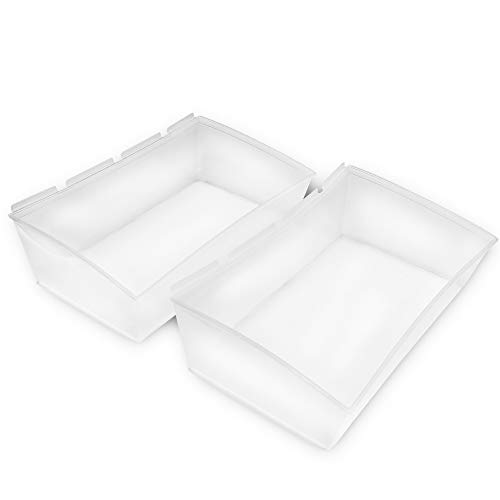
Perfect place to keep your paper towels, cleaning supplies and spray bottles
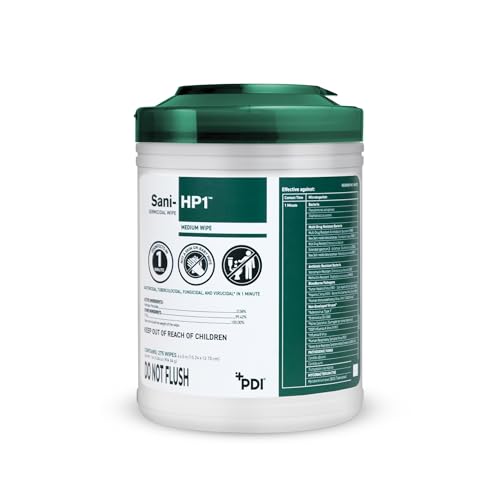
1-Minute Contact Time: Designed for efficient surface cleaning with a 1-minute contact time when used as directed—ideal for high-touch surfaces and shared equipment.

Durable: Crafted from high-impact resistant polystyrene, our cabinets and containers ensure long-lasting performance, enduring the rigors of daily use with ease. Built to withstand wear and tear, they offer reliable storage solutions for years to come, maintaining their quality and functionality even in demanding environments.
Top Storage Practices for Maintaining Safety Gear
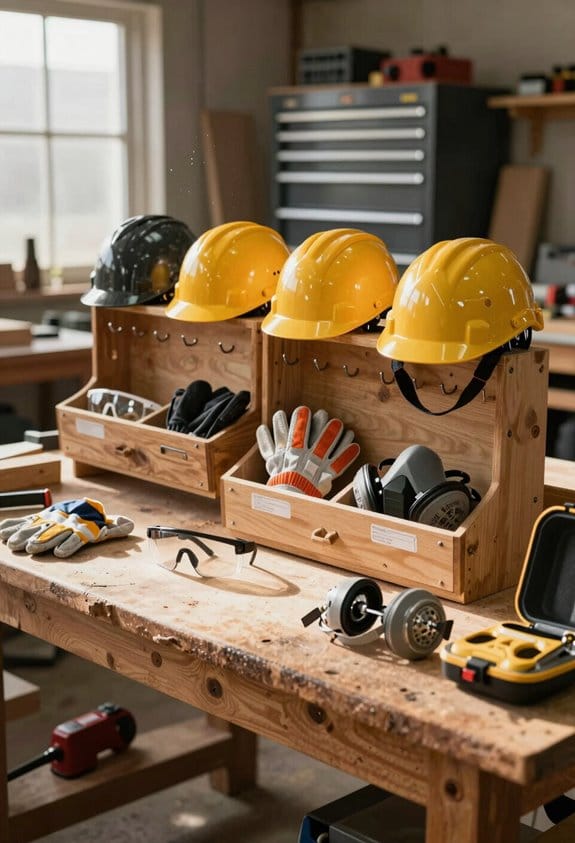
Have you ever pulled out your safety gear only to find it’s not in the best shape? Proper storage makes a world of difference in keeping your safety equipment effective and long-lasting. It’s really important to make sure your PPE is completely dry before you tuck it away. If you don’t, you could end up with mold, which nobody wants to deal with.
Here’s a simple tip: try to use the original packaging or some airtight containers when storing your gear. This not only protects it from dust but also shields it from harmful UV light. Sticking to what the manufacturers recommend is a smart move too.
Closing all zippers and storing your gear carefully can prevent those annoying fabric rubs that wear things out faster than you’d like. Plus, when you’re dealing with ropes and straps, make sure they’re lying flat. It keeps them from tangling, which can save you a ton of time when you’re ready to roll.
Regularly checking your storage area for cleanliness and organization isn’t just about aesthetics—it’s about safety and access too. Think about how much easier it is to find what you need when everything’s in its place. Can you imagine scrambling around to find gear when time is of the essence?
Using drawer organizers can enhance the neatness and accessibility of your stored safety equipment.
To sum it all up, maintaining your safety gear through proper storage ensures you’re ready for anything. What are your go-to tips for keeping your gear in tip-top shape?
Recommended Products

Tested for durability

Built for Marine Use: Store and protect boat tools, dock gear, and small equipment with this dry box water resistant designed for on boat storage resists rust, dust, and moisture in harsh saltwater and freshwater environments.

Made from FDA food-safe, BPA-free, PC-free #5 plastic (polypropylene)
Keeping Inspections on Schedule
Have you ever faced the panic of realizing your safety equipment needs maintenance but you forgot to check it? You’re definitely not alone. Keeping that gear in peak shape goes beyond just where you store it. Sticking to a regular inspection schedule can save you from potential headaches down the line.
Try this: set up a routine that’s easy to follow and aligns with the manufacturer’s suggestions. Doing so not only keeps things organized but also helps you catch issues before they become big problems. Keeping a log of inspection dates and findings in a register can make a huge difference. It brings clarity to how your equipment is performing, and let’s be honest, it’s crucial for audits.
You might want to consider assigning this responsibility to trained personnel who know what they’re doing. They can give you accurate assessments that can prevent accidents. Having an automated alert system in place can also be a lifesaver. It’s the best way to ensure you don’t miss those important deadlines. And remember, it’s wise to check critical equipment more often. Why risk injuries or costly repairs when a simple routine can mitigate those risks?
Using equipment with automatic cleaning systems can also reduce maintenance frequency and improve safety.
In short, keeping your safety equipment inspection on track is straightforward. Set a schedule, document everything, and ensure trained folks are in charge. What steps will you take today to get your inspections on a solid routine?
Recommended Products

Vehicle inspection report book helps document and report needed repairs to help maintain safe workplace utility vehicles.

1 Large Capacity Design:This forklift log book includes 60 sheets double sided pages providing long term use for daily inspection and forklift log book record keeping ideal for continuous tracking

Vehicle inspection report book helps document and report needed repairs to help maintain safe workplace utility vehicles.
Training Employees on Proper Safety Equipment Usage
Have you ever noticed how safety equipment isn’t just a box to check off at work? It’s vital for keeping everyone safe, especially in manufacturing plants. Once you’ve set up a reliable inspection routine for your gear, it’s time to talk about training your team to use it correctly.
Hands-on training sessions are a must. They give workers the chance to get familiar with each piece of equipment in real-world conditions. You might want to consider doing regular refreshers, too. These are key to keeping your team in the loop on best practices and the latest safety regulations. Plus, using demonstration videos can really help to clarify how things should be used.
Also, here’s a little tip: try implementing a buddy system. It’s amazing how much experienced employees can teach new hires. This not only helps the newbies learn but really builds a culture of safety within the workplace.
You know what else can help? Evaluating how effective your training is. Take some time to gather feedback and maybe even give assessments. This way, you ensure that everyone is confident in preventing equipment malfunctions and using safety gear like they mean it.
At the end of the day, proper training on safety equipment usage isn’t just about compliance; it’s about protecting every single person in the plant. Additionally, incorporating eco-friendly practices in your safety protocols can promote a healthier environment for all employees. Are you ready to step up your safety game?
Recommended Products


DURABLE PLASTIC. Signs use 55 mil thick HDPE (high density polyethylene) and can last up to 2 years outside. Signs have a 100% recyclable base material.
Frequently Asked Questions
How to Maintain Safety Equipment?
To maintain safety equipment, we need a robust inspection schedule, an equipment cleaning plan, proper storage techniques, usage training sessions, regular performance tests, and diligent maintenance log keeping for ideal safety and accident prevention.
What Are the 10 Ways of Maintaining Tools and Equipment?
Let’s keep our toolbox sharp! Regular inspections, tool cleaning, preventive repairs, proper storage, user training, lubrication schedules, and equipment upgrades all guarantee our tools stay reliable and safe for each project we tackle together.
What Are the 4 P’s of Maintenance?
The 4 P’s of maintenance we focus on are Preventive upkeep, Predictive strategies, Corrective actions, and Planned schedules. They involve routine inspections, equipment logging, risk assessments, safety audits, and compliance training for peak performance.
How Do You Maintain Equipment Properly?
Did you know that 70% of equipment failures come from improper maintenance? We maintain equipment properly through regular inspections, cleaning schedules, user training, and detailed maintenance logs, ensuring proper storage and timely repair actions for maximum safety.