As an Amazon Associate, we earn from qualifying purchases. Some links on this site are affiliate links at no extra cost to you. Our recommendations are based on thorough research and editorial judgment.


Task Lighting vs Ambient Lighting: When to Use Each

Have you ever walked into a room and felt like it just didn’t vibe with what you were doing? That’s often because of the lighting. It’s important to get the right mix to suit your needs, and that’s where task lighting and ambient lighting come in.
You may be interested


Task lighting is all about focus. Think of it as your best buddy when you’re diving into a good book, whipping up a delicious meal, or working on a craft project. It typically shines with a brightness of 3500-4500 K, which gives you that clear, bright light that’s perfect for detailed activities. So, whenever you find yourself in a situation that requires concentration, reach for those task lights.
On the other hand, there’s ambient lighting. This type of lighting creates a warm and cozy feel in your space—think of those nights spent curled up on the couch. It generally falls in the 2700-3000 K range, which sets a relaxing atmosphere. If you’re looking to unwind at the end of a long day, ambient lighting is your go-to.
So, why does this matter? Because the right light can really change your mood and how you experience your space.
Here’s the trick: create a nice blend of both. Use task lighting when you need to focus and then switch to ambient lighting for those moments when you just want to chill. Getting the balance right can transform your home into a place where you feel productive yet relaxed.
In conclusion, think about how you’re using lighting in your home. Are you getting that focused brightness when you need it, and cozy warmth for relaxation? It makes a bigger difference than you might think!
Key Takeaways
- Use ambient lighting in living rooms and social spaces to create a cozy, warm atmosphere conducive to relaxation and gatherings.
- Opt for task lighting in specific areas like desks and kitchens to provide focused brightness for activities like reading or cooking.
- Choose ambient lighting with a color temperature of 2700-3000 K for warmth, while task lighting should range between 3500-4500 K for energy.
- Combine both lighting types for enhanced functionality; ambient lighting sets the mood while task lighting ensures visibility for detailed work.
- Consider dimmable options for both lighting types to adjust brightness according to activities, enhancing comfort and versatility in any space.
How Can Ambient Lighting Set the Right Mood?

How can ambient lighting truly change the vibe of your space? When you choose ambient lighting with a color temperature of around 2700-3000 K, you’re bringing in that cozy, warm white light that just invites you to relax. There’s something about softer lighting that instantly shifts the mood, making it perfect for when you’re entertaining friends or just winding down after a long day.
So, here’s the trick: mix and match different fixtures like ceiling-mounted lights, floor lamps, or wall sconces to create a seamless visual flow in each room. Not only does this enhance the room’s overall look, but it also helps to create those little cozy corners that make you want to settle in. Dimmable lighting options can also be a lifesaver. Depending on what you’re doing—whether it’s having a dinner party or curling up with a book—you can adjust the brightness to fit the moment perfectly.
Honestly, ambient lighting is more than just about brightness; it can significantly impact how you feel in your space. Think about it! Are you more inclined to socialize in a brightly lit room, or do you prefer a softer glow that feels welcoming? The choice you make can resonate through your daily life.
In the end, lighting may seem like a small detail, but it can actually be the backbone of a well-designed setting. So, take the time to explore what types work best for you and don’t shy away from switching it up. Adding energy-efficient LED lights can further enhance ambiance while reducing power consumption. How will you light up your space today?
Understanding Task Lighting: Purpose and Benefits

Have you ever tried to settle down with a good book, only to realize you can’t quite see the words? Or maybe you’ve been in the kitchen, trying to slice veggies, and the shadows just won’t cooperate. That’s where task lighting comes in! It’s all about giving you the right amount of focused light for those activities that require a little extra visibility.
When we think about lighting our spaces, we often focus on that warm glow that sets the mood. But the truth is, task lighting is essential for getting things done. Whether you’re reading, writing, or whipping up dinner, having the right light can make all the difference. It not only helps you see better but also cuts down on eye strain. Think desk lamps for your workspace or under-cabinet lights in the kitchen—these are prime examples of how task lighting can enhance your everyday life.
The color temperature is a factor, too! Ideally, you want something in the 3500 to 4500 K range. This range really promotes a bright, energizing space that helps you focus. Now, placement is where it gets tricky. Positioning your task lighting correctly is key to preventing shadows from messing with your flow. You want to shine the light right where you’re working to boost efficiency and keep your space well-lit.
So, next time you’re setting up your reading nook or kitchen prep area, think about how you can integrate some task lighting. It’s all about making sure you have the perfect brightness for your activities without sacrificing the overall vibe of your room. Using energy-efficient fixtures with high brightness and long lifespan can also save on energy costs and reduce the need for frequent replacements.
Recommended Products

💡Great Brightness-- Very bright nicely diffused light, no led dots of light showing on your countertops, the light bar has 33LEDs, covering a wide range. The color is best for detailed work and kitchen cooking.

★【𝐁𝐫𝐢𝐠𝐡𝐭 𝐔𝐧𝐝𝐞𝐫 𝐂𝐚𝐛𝐢𝐧𝐞𝐭 𝐋𝐢𝐠𝐡𝐭𝐢𝐧𝐠 𝐁𝐚𝐫𝐬】ASOKO UNO-LK 4500K cabinet light is 1299lumens(Pack of 3 pieces) , soft white daylight 4500K, can illuminate any vignette-ting angle, No glare, no LED dots, no flicker; It is the perfect lighting for kitchen counter cabinet, closet, sink, bookcase, TV cabinet, shelf and so on.

【Material】Aluminum alloy & Plastic lamp body. 24inch, 18watt, 1237lm, 120 Volts.
Comparing Task and Ambient Lighting: Key Differences

Have you ever walked into a room and felt like the lighting just wasn’t right? It’s a common struggle, and understanding the difference between task and ambient lighting might just make a difference in how your space feels and functions.
Task lighting is all about focusing the light where you need it most. This type of lighting is perfect for specific activities like reading, cooking, or working on crafts—essentially anything that requires your full attention. You’ll find it’s usually brighter and more concentrated, aiming to reduce eye strain while you’re getting things done. Think about strategically placing these lights near your favorite reading spot or the kitchen counter where you chop veggies.
On the flip side, we’ve got ambient lighting. Instead of spotlighting a particular area, this type of light fills the entire room with a warm, inviting glow. It usually has a color temperature between 2700–3000 K, which creates that cozy atmosphere many of us crave after a long day. This kind of lighting helps set the mood, making any space feel relaxing and welcoming.
So, why does this matter? Frankly, having just the right mix of both task and ambient lighting can elevate your home. You can combine the focused functionality of task lights with the soothing embrace of ambient light to create a space that’s not only practical but also feels good to be in. When selecting lights, considering factors like brightness measured in lumens ensures the lighting meets the specific needs of your space effectively.
Recommended Products

CLASSIC VINTAGE AESTHETIC - Elevate your living room or bedroom with a distressed antiqued goldtone finish on a sturdy metal frame

Dynamic RGBICW Color Technology:Unleash your creativity with our RGBICW LED floor lamp, offering customizable colors for each segment to match nature themes, festivals, or your mood. Simultaneous multi-color displays make it ideal for holiday decor or as a unique family gift.

DUAL LED PROJECTION — Two independently controlled LED heads face opposite directions, creating a customizable light wash across walls and floors for enhanced visibility and ambience
When Should You Use Task Lighting?
Have you ever struggled to find the right light for a specific task? Whether you’re reading a book, whipping up a meal, or putting together a project, having the right kind of light can really make a difference. Task lighting gives you that focused brightness to help you see better and stay on track.
For example, desk lamps and under-cabinet lights are fantastic options. They minimize eye strain when you’re doing detailed work. The ideal color temperature for task lighting falls between 3500 to 4500 K, which is a cooler light that really helps with concentration.
Here’s the trick: when you’re setting up your lighting, try to keep shadows and glare to a minimum. This ensures you’re getting the best possible conditions for whatever you’re working on. By mixing in task lighting with your ambient lights, you create a space that’s not just functional but also comfortable. Think about it—wouldn’t it be nice to have a work area that feels both productive and cozy?
In short, paying attention to your lighting can change how effective and enjoyable your workspace is. Using bulbs with a high Color Rendering Index can also improve color accuracy and reduce eye fatigue.
How will you explore task lighting in your own home?
Recommended Products

Selectable 5CCT from 2700K to 5000K: Adjust color temperature easy and hassle free to match finishes, room tone, or task needs using the built-in selector for flexibility during installation
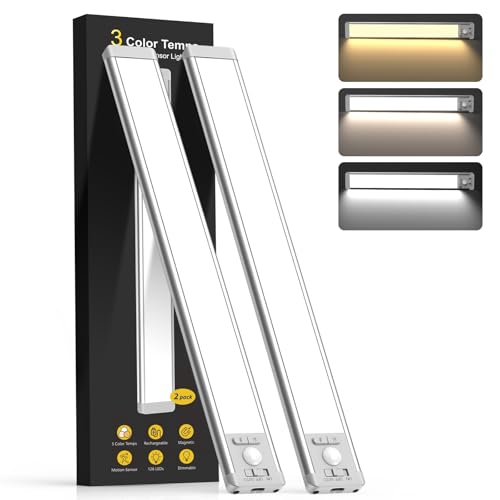
Upgraded Motion Sensor Under Cabinet Lights: Setting the under cabinet lights on motion sensor mode, they auto-on when human motion is detected within 120°and 10ft in a dark or low light environment, and auto-off after about 20 seconds of no motion detected. No longer have to worry about tripping on the step in the dark trying to turn on the switch
The Role of Ambient Lighting in Everyday Spaces
Have you ever walked into a room and instantly felt comfortable, like you could just kick back and relax? That feeling often comes from the magic of ambient lighting. It’s not just about turning on a light; it’s about creating an atmosphere that helps you feel safe and at ease in your space.
Ambient lighting is your go-to source for overall illumination. You want it to be warm—think around 2700 to 3000 K—to really set that cozy vibe. It’s perfect for places where you spend time relaxing, like living rooms, or even working, such as home offices. Common fixtures, like ceiling lights, chandeliers, and wall sconces, spread light evenly, ensuring you’ve got a balanced mix with any natural light streaming in during the day.
But here’s the cool part: you can make it even better with dimmers. Want it brighter for a game night? No problem! Looking for something more subdued for a movie marathon? Just turn it down a notch. It’s all about adjusting the brightness to match your activities or the time of day.
And don’t forget about mixing in some decorative lighting. When you couple ambient lighting with that stylish floor lamp or those cute string lights, it transforms your space into an inviting oasis that can seriously boost your mood. So, why does this matter? Because the right lighting can change how you experience a room and directly impact how you feel day-to-day.
Additionally, using fixtures with energy-efficient LED technology can enhance the ambiance while reducing electricity consumption.
In the end, creating the perfect ambiance isn’t just about illuminating a room, it’s about enhancing your life. So, what lighting changes are you thinking about making in your space?
Recommended Products

⭐ DIMMABLE BR30 LED FLOOD LIGHT BULB, 10%-100%. These BR30 LED flood light bulbs dim smoothly from 10% to 100% with compatible dimmers, giving precise control over light intensity for any room or application. Instant-on technology means no warm-up delay, and flicker-free output keeps light consistent throughout the dimming range. A direct dimmable replacement for 65-watt incandescent BR30 flood light bulbs in 5-inch and 6-inch recessed cans, track lighting, and wide-coverage indoor flood light applications. E26 medium base fits standard sockets with no adapter required. Compatible with standard leading-edge and trailing-edge dimmers.

Smooth Dimming Performance: Customize your lighting with smooth dimming from 10%–100% to create the right ambiance for everyday activities. The 2700K soft white light delivers a warm and comfortable atmosphere for living spaces.
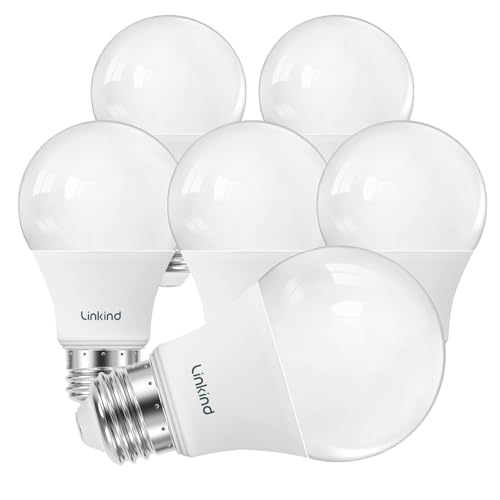
✔ 2700K WARM YELLOWISH LIGHT: The A19 dimmable LED light bulbs give off 800 lumens of 2700k cozy color light. Easy installation with the standard medium screw base E26. NOTE: Please confirm the Kelvin (K) value. This is the most accurate way to select your desired light color. This bulb is 2700K light, which produces a WARM YELLOWISH light. It is not a Bright White or Daylight White bulb. If you prefer a whiter light, please consider our 4000k Cool White or 5000K Daylight options.
Tips for Effectively Combining Task and Ambient Lighting
Are you tired of sitting in poorly lit spaces that either strain your eyes or don’t really set the mood? Combining task and ambient lighting can totally change how you use your home. By carefully placing task lighting right over work areas like your desk or kitchen counter, you’re ensuring that you have the best visibility for whatever you’re doing.
Here’s the trick: mix warm ambient lighting with cooler task lights. This combo not only creates a cozy vibe but also keeps you focused without feeling overwhelmed. It’s super helpful to use glare-free fixtures in places where you read or work. Consider using shades or dimmers to adjust brightness based on what’s happening in the moment.
Dimmable lights are a dream—they let you go from bright and alert to soft and mellow with just a flick. This is perfect for when you need a bright workspace but later want to unwind. And don’t overlook focused task lamps; they deliver clarity without causing eye strain. Opting for lighting options with long lifespans can also minimize maintenance and replacement efforts, ensuring consistent illumination over time.
Frequently Asked Questions
What Is the Difference Between Ambient and Task Lighting?
We find that ambient lighting benefits provide a warm atmosphere, while task features target specific activities with ideal brightness levels. By considering color temperature and fixture styles, we optimize our workspace and enhance overall design aesthetics and energy efficiency.
What Is the 5’7″ Lighting Rule?
We’ve found that the 5’7″ lighting rule enhances our spaces. By considering fixture types and placements, light intensity, and color temperature, we achieve energy efficiency while ensuring ideal design for various room functions and styles, including dimming options.
What Are the 4 Types of Lighting?
There’re four types of lighting: ambient, task, accent, and decorative. Each serves unique room functions, utilizing various lighting fixtures and bulb brightness while considering energy efficiency, color temperature, and effective light layering for ideal design.
What Is Task Lighting Used For?
We use task lighting for focused activities like reading or crafting, ensuring ideal placement and adjustable sources. Examples include desk lamps and under-cabinet lighting, benefiting our productivity and comfort while reducing eye strain in specific tasks.


