As an Amazon Associate, we earn from qualifying purchases. Some links on this site are affiliate links at no extra cost to you. Our recommendations are based on thorough research and editorial judgment.

Tool Accessibility vs Storage Efficiency: Finding Balance

Are you constantly juggling between accessing your tools quickly and keeping things organized? It can feel like a balancing act, right? The key is to adopt a strategy that fits your needs. You can combine high-performance storage for the things you access frequently with more affordable options for the stuff you don’t use as often.
Here’s the trick: this approach can seriously boost how efficiently you work by 20-30%. Imagine what that could mean for your productivity. By keeping everything within reach, you’re not just helping yourself; you’re also making collaboration smoother for everyone around you.
So, what do you do to keep track of all this? Periodically look at how often you’re using your tools. Set up a simple system to manage your data smartly. This will help keep everything safe, while still being easy to access.
Here’s the best part: by monitoring your usage trends, you can tweak your strategies as needed. This will lead to better results and make your workflow feel a lot more manageable. Plus, it allows you to gather useful insights down the line.
In short, finding a balance between tool accessibility and storage efficiency doesn’t have to be tricky. It just requires a bit of thought and some periodic checks.
How do you currently manage your tools, and have you found any tips that work well for you?
Key Takeaways
- A hybrid storage model balances accessibility and efficiency by using high-performance storage for critical tools and cooler storage for less vital assets.
- Regularly assessing tool usage ensures that frequently accessed items remain easily available, optimizing both accessibility and operational efficiency.
- Implementing effective metadata management aids in the swift retrieval of tools, promoting accessibility without sacrificing storage organization.
- Streamlined access to tools boosts productivity while cost-effective storage options allow for efficient management of less frequently used data.
- Automation of data transfer between storage types based on usage patterns maintains balance, ensuring resources are allocated effectively for optimal user experience.
How to Balance Tool Accessibility and Storage Efficiency?
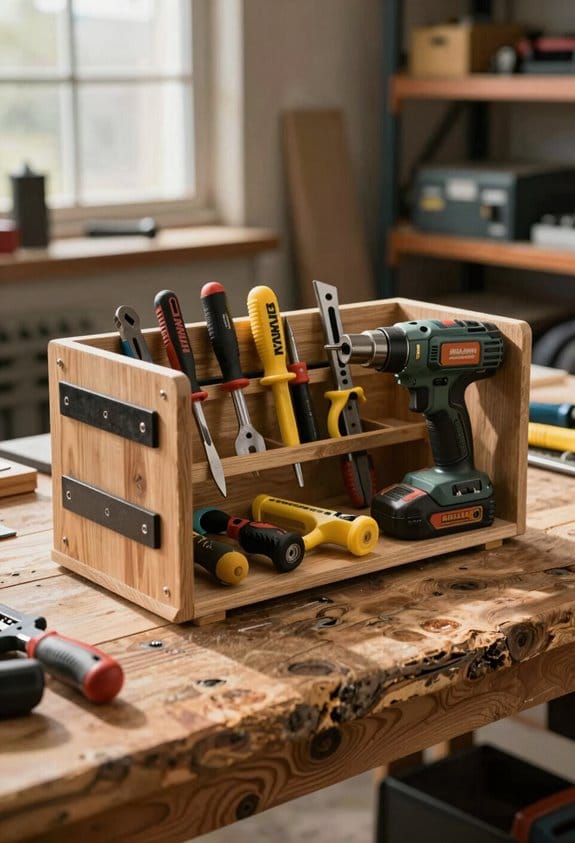
Ever feel like you’re drowning in tools and data? It’s a common struggle these days, especially with so many options at our fingertips. Balancing tool accessibility with storage efficiency isn’t just about saving space; it’s about making sure you can get what you need when you need it without breaking the bank.
To tackle this, consider using a hybrid storage strategy. What does that mean? It’s about finding a balance between different types of storage. You can keep your most-used tools in high-performance (or hot) storage where they’re easily accessible. The less-frequent ones can take a back seat in cooler storage. Think of it like your closet: your favorite outfit should be at the front, while the seasonal stuff goes further back.
Try this: regularly assess how often you’re using your tools. You’ll quickly notice which ones are vital for day-to-day tasks. This understanding lets you allocate your resources wisely — sort of like organizing your kitchen. Nobody wants to dig to the back of the pantry for that one spice they use all the time!
Now, here’s the trick: don’t forget about metadata management. This makes navigating through your tools a breeze, ensuring you can find what you’re looking for without draining your budget. And let’s be honest, no one enjoys a cluttered storage system.
Training users on clear policies can also smooth out the transition between storage options. If everyone knows how things work, it leads to a better experience for everyone. You’re not just maximizing tool accessibility; you’re making sure folks aren’t frustrated with clunky systems. Using customizable compartments can further enhance organization by tailoring storage to specific tool sizes and needs.
Recommended Products
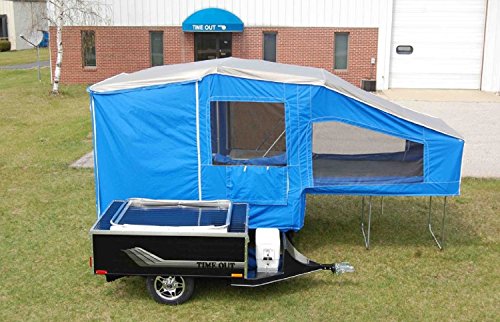
On those hot days it serves to keep your cold A/C in while still being able to enjoy the view of the outdoors. Yes each camper has an optional attachment for an A/C unit! Time Out Deluxe Camper with 23 cubic feet of cargo space. Set up time is about 3 minutes with one person. Black or White Color Scheme, Grey, Blue, or Red Stripes, Air Mattress, Wiring Harness, 1 7/8" Ball Coupler, Table, Chair, Wheels 12"

Spacious Multi-Purpose Gazebo: Accommodating up to 15-20 people, it offers plenty of space for relaxation and comfort, an entertaining area, conservatory, or dining space to meet your various needs in different seasons. Size: 12' x 20'

Quick and Easy Deployment - The Rigid-Lock QuickBerm features a single-piece construction that allows you to deploy a spill barrier in minutes, making it ideal for emergency or routine containment
The Benefits of Optimized Tool Accessibility

Have you ever found yourself wasting time searching for the right tools or resources in your job? It’s frustrating, isn’t it? Optimizing tool accessibility can make a huge difference in how we work and collaborate. When everything you need is just a click away, it becomes so much easier to get things done efficiently.
Organizations that streamline access often see a notable boost in operational efficiency—think 20-30% better performance. This isn’t just good for the company; happier employees tend to be more productive. Who doesn’t want that? Plus, when your team can easily share data and tools, collaboration becomes a breeze. You can connect in real-time and get feedback without the usual hassles.
Here’s the trick: Support optimization to not just keep your data safe but also to grow your storage solutions as your needs change. This way, you won’t have to worry about running out of space or dealing with slow performance. It keeps everything running smoothly for different users, ensuring everyone can find what they need without fuss.
So, why does this matter? Because efficient tool accessibility helps you thrive in today’s fast-paced work environment. You’re setting yourself up for success by making sure the right tools are always within reach. Incorporating technology such as remote control delay shutdown can further enhance workflow by automating tool operation timing.
In short, optimizing how we access our tools can lead to better productivity and teamwork. Are you ready to make that shift?
Evaluating Affordable Storage Options for Better Accessibility

Are you struggling to keep your digital files organized without spending a fortune? Affordable storage options are a lifesaver for anyone looking to manage their digital assets better. Warm storage solutions can be a smart choice, allowing you to access less frequently used data quickly, but at a much lower cost than hot storage.
Here’s the trick: by opting for slower hard drives or even some mid-tier cloud services, you can scale your storage effectively. This means that as your collection of digital assets grows, you won’t have to worry about performance taking a nosedive. It’s all about finding a balance that works for your budget while keeping your files just a click away.
Don’t overlook the magic of automation in your Digital Asset Management (DAM) system. Setting criteria to shift data automatically to warm storage can save you time and stress. Thorough and accurate metadata management plays a huge role here. When your metadata is spot-on, it makes organizing and retrieving your stored assets a whole lot easier.
Additionally, adopting tools with ergonomic design ensures ease of use and efficiency, reducing fatigue when managing your digital assets.
So, why does this matter? If you can streamline your storage solution, you’re freeing up your brain space for more creative ideas rather than stressing about where you saved your last important file.
In short, evaluating affordable storage doesn’t have to be complicated. With the right approach, you can keep things accessible and budget-friendly. What’s stopping you from taking the next step to improve your storage strategy?
Recommended Products

VectoTech 16TB External SSD USB-C Portable Solid State Drive (USB 3.1 Gen 2) | 3D NAND Flash | Rapid
PERFORMANCE – Ultra fast read/write speeds of up to 540MB/s, lets you transfer conveniently large files, 4K videos, high end gaming in seconds. With USB 3.1 Gen 2 interface (Type-C connection) and 3D NAND technology VectoTech portable SSD provides transfer speeds 5x faster than conventional hard drives

Ultra-fast: over 2x faster than Thunderbolt portable enclosures with up to 3836MB/s real-world performance

Solid metal frame: Our RecPro Charles recliner sofa is built with a sturdy metal frame, perfect for lasting use and durability. It's designed to resist stresses from everyday wear and tear and ensure that you can enjoy your piece of furniture for years to come.
Practical Strategies for Ensuring Both Accessibility and Storage
Managing our digital files can be a real headache, especially when you run out of storage space. It can feel like a juggling act between keeping everything accessible and making sure you don’t drown in a sea of data. So, what are some practical ways to strike that balance?
One approach that’s worth trying is a hybrid storage model. This means you keep the important stuff on your local device where you can get to it quickly, and sync the rest with cloud storage. This setup helps you avoid having the same files stored in multiple places, which can just clutter things up. By using smart syncing options, you can ensure that the files you use often stay right where you need them, while the less important ones get tucked away online.
Here’s the trick: take control of your storage settings. When you can choose what to keep offline and what goes online, you can really optimize how you access your files. Plus, don’t forget to regularly check your metadata. Keeping it up to date can make it way easier to find what you need when you need it.
Another thought—automated policies can actually help. By tracking how you use your data, these policies can shift files around based on your habits. This means you save money and still keep data you use less often easy to get to when you need it.
In a world where storage solutions are everywhere, finding what works for you is key. Being mindful of your file organization can keep your digital space tidy and functional. So, how do you manage your storage, and what tools have you found helpful? Remember, just like using a HEPA filter improves vacuum performance by efficiently managing airflow and debris, managing your data efficiently keeps your digital workspace optimized.
Recommended Products

COMPLETE COLLABORATION: Vibe combines a smart digital whiteboard and whiteboarding software to build an open ecosystem with enterprise-grade data protection. Meet, ideate, brainstorm and present, all in one device.

【Portable All-in-One 3D Scanner】EinScan Rigil Lite is a portable all-in-one 3D scanner designed for creators, engineers, educators, and 3D printing users who need a complete scan-to-model workflow without connecting to a computer. This handheld 3D scanner integrates scanning, processing, display, storage, and power in one device, making it ideal for mobile scanning, studio projects, classroom use, product design, and on-site capture. With a 6.4-inch 2K touchscreen, 24GB RAM, 512GB SSD storage, Wi-Fi 6, and a replaceable battery, it helps users quickly turn real-world objects into digital 3D models for 3D printer, reverse engineering, digital archiving, and creative modeling workflows.

HPE SMART CHOICE PROLIANT MODEL P83315-005: Preconfigured and factory-tested for reliability, this HPE ProLiant ML30 Gen11 Smart Choice model includes 16GB DDR5 memory, 2 x 1TB SATA HDDs, 350W power supply, Intel VROC SATA controller, and embedded 1GbE 4-Port Ethernet adapter—ready for small business deployment
Best Practices for Implementing Your Hybrid Storage Approach
Are you struggling to figure out the best way to manage your data? It can feel overwhelming, especially with so many options out there. But finding a balance between offline and online storage is key to keeping your workflow smooth and efficient.
To get started, take a good look at what you actually need and how you access your data. This involves understanding your specific usage patterns. For example, do you often work on the go, or do you have a pretty steady access to the internet? Knowing this can help you decide what mix of storage works best for you.
Here’s the trick: implementing smart syncing algorithms can really up your game. By minimizing network requests, these algorithms allow for quicker access to your data. Plus, local caching means your most frequently used files are right at your fingertips without needing to wait for a download.
It’s also important to give users some power here. Customizable settings let everyone manage their storage based on their device limitations. Want to ensure your device runs smoothly? Adjust those settings to optimize space as needed!
Regularly checking data integrity isn’t just a nice-to-have; it’s essential for maintaining consistency. Simply put, you want to make sure your data is always accurate and accessible. And let’s not overlook security. It’s crucial to put strong measures in place, like encryption and secure protocols. These steps act as a safety net against potential data losses and breaches.
In the same way that workshop efficiency hinges on dust filtration to maintain a clean environment, managing data requires attention to both accessibility and protection.
So, why does all this matter? A well-implemented hybrid storage approach can save you time and frustration while keeping your data secure.
Frequently Asked Questions
What Is Storage Efficiency?
Storage efficiency is our ability to maximize space through data deduplication techniques, compression algorithms, and effective capacity planning strategies. By using cloud storage solutions and virtual systems, we can improve data lifecycle management and backup optimization practices.
What Are the Storage Efficiency Features of Netapp?
Imagine freeing up vast storage space. With NetApp’s snapshot technology, deduplication methods, and compression techniques, we achieve exceptional space efficiency. Thin provisioning and tiering strategies optimize data, maximizing efficiency metrics and ensuring peak performance.
How to Improve Storage Efficiency?
To improve storage efficiency, we should utilize smart storage solutions, apply data compression techniques, and implement file deduplication methods while leveraging cloud storage optimization and tiered storage strategies for automated resource management and maximizing virtualization benefits.
What Approach Can Developers Take to Efficiently Manage Storage Resources?
Did you know that 30% of stored data is duplicate? To efficiently manage storage resources, we should apply storage optimization techniques, use data deduplication strategies, and leverage automated resource allocation for better performance and cost management.


