As an Amazon Associate, we earn from qualifying purchases. Some links on this site are affiliate links at no extra cost to you. Our recommendations are based on thorough research and editorial judgment.
When to Replace Air Filtration Filters: Signs and Schedules

When it comes to air filters, do you ever notice increased sneezing, more dust around your home, or even rising energy bills? These can be telling signs that your filters are working overtime and might need a change.
Honestly, keeping your air clean is not just about comfort—it’s important for your health, too.
The general rule is to change your filters every 1 to 3 months. If you’ve got pets or allergies, I recommend doing it monthly. It sounds like a hassle, but staying on top of this can make a huge difference in capturing harmful particles. Taking care of your air filters means you can breathe easier and create a healthier home.
So, how do you know when to replace them? Look for:
- Sneezing fits or itchy eyes that just won’t quit.
- Dust collecting in places you haven’t cleaned.
- A sudden climb in your energy bill, which could mean your system is struggling to circulate air efficiently due to dirty filters.
The best part is that by keeping your filters fresh, you can dramatically improve your indoor air quality and potentially dodge some health issues down the road.
Before we wrap up, are you sure you’re using the right type of filter for your needs? This matters more than you might think.
Let’s dive into how to select the right filter next.
Key Takeaways
- Replace air filters every 1 to 3 months for optimal indoor air quality and efficiency, especially in homes with pets or allergy sufferers.
- Increase in sneezing, visible dust on the filter, and spikes in energy bills indicate it’s time for a filter replacement.
- MERV ratings help determine filter effectiveness; choose MERV 9-12 for sensitive individuals and MERV 5-8 for general household needs.
- Set calendar reminders to ensure you remember to check and replace filters regularly, improving air quality and HVAC functionality.
- Monitor filters monthly for dust accumulation and discoloration, ensuring proper fit for airflow and efficiency in your HVAC system.
Why Air Filtration Filters Matter for Your Health and Home

Have you ever noticed how dusty your home can get, even if you clean regularly? You might be surprised to learn that the air filtration filters you use can play a huge role in your indoor air quality. When filters are clogged, harmful particles—like dust, pet dander, and mold—can start to swirl around your space. Not only does this contribute to a stuffy environment, but it can also make allergies and respiratory issues worse.
So, why does this matter? A dirty air filter doesn’t just let allergens slip through; it can allow up to 99.97% of airborne particles larger than 0.3 microns to enter your living area. That’s not exactly reassuring if you’re trying to create a healthy home. Regularly changing your air filter every 1 to 3 months can make a noticeable difference. It helps maintain the filter’s effectiveness and can also lead to a more efficient HVAC system. You might even see a drop in your energy bills—up to 15% savings in some cases!
Try this: set a reminder on your phone to check your air filter every month. By keeping it clean, you’re not just taking care of your health; you’re also helping your home run smoother. Honestly, it’s one of those small tasks that can have a big payoff. Choosing filters with high filtration efficiency ensures you capture the smallest harmful particles to protect both your health and equipment.
In recap, clean air filters make a real difference in your indoor air quality and overall comfort. Think about it—when’s the last time you checked yours? It might just be time to give it some attention.
Common Signs It’s Time to Replace Your Air Filter
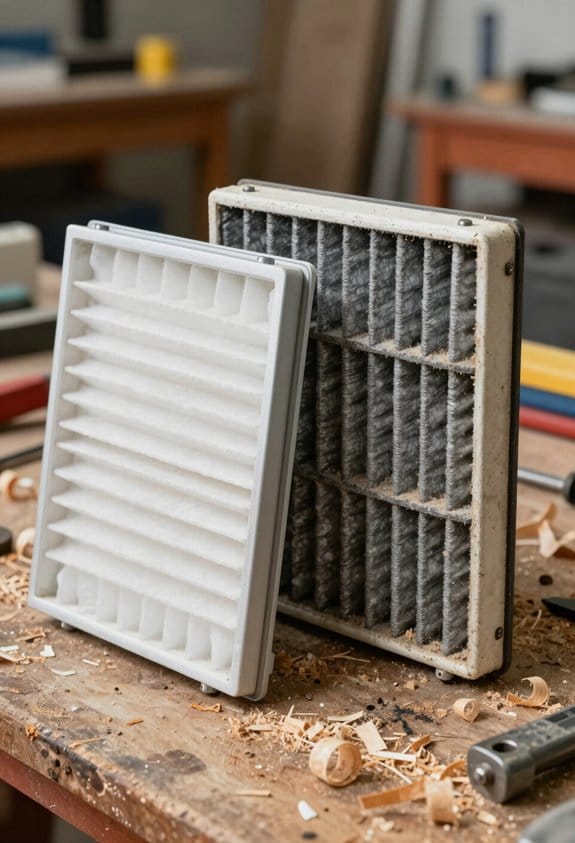
Have you ever noticed your allergies acting up or felt like the air in your home just doesn’t feel right? It might be more than just the change in seasons—it could be time to replace your air filter. When the air filter gets clogged with dust and other allergens, it can really impact your indoor air quality.
So, what signs should you look for? Here are a few to keep in mind:
- If you’re sneezing or coughing more than usual, that’s a red flag. It’s possible that your filter is stuffed with dust, and it’s not working like it should.
- A quick visual check can tell you a lot. If your filter looks dusty and gray, it’s definitely time for a change.
- Do you find yourself dusting your furniture more often? Excessive dust on surfaces may mean that your filter is struggling to let air flow through, causing it to circulate dust instead.
- Keep an eye on those energy bills, too. If they suddenly spike, it might be because a clogged filter is forcing your HVAC system to work overtime.
Honestly, replacing your air filter every 1–3 months can really help keep your home feeling fresh and can even lower your energy costs. It’s a simple task that can make a big difference in your air quality. For best results, consult filter replacement guidelines provided by your air filtration system’s manufacturer to ensure optimal air quality and maintain airflow efficiency.
Recommended Products

This listing includes: Goodman 3 Ton 14.3 SEER Air Conditioner Model: GLXS4BA3610

X6672 16x25x5 Air Filter Replacement for your furnace, air conditioner, or HVAC system. The filter and is suitable for hospitals, homes, or just about anywhere.

Seasonal Considerations for Air Filter Replacement

Have you ever thought about how changing seasons can mess with your air filters? When the weather shifts, it’s a good idea to take a moment and think about changing those filters to keep the air in your home clean and fresh. Early spring is perfect for this, as it’s when HVAC systems start to work harder with warmer temperatures.
Once allergy season eases up, a filter replacement can really make a difference. Those pesky allergens like pollen and dust can get trapped in your filters, and a simple switch can clear the air. If you have pets, this is even more important. Monthly changes can seriously help with pet dander and keep those filters from getting clogged.
After doing any renovations at home, it’s crucial to deal with the dust that settles in your filters. You might not notice it at first, but neglecting filter maintenance typically means your HVAC system has to work harder, which can drive up your energy bills. You should aim to change your filters every one to three months. Using a HEPA filter can significantly improve air quality by capturing fine dust and allergens that regular filters might miss.
Recommended Products

3-pack filter replacement bundle: Genuine replacement filters from IQAir! Designed for our advanced HealthPro Plus room air purifiers, this 3-pack 3-in-1 IQAir filter bundle includes three long-lasting replacement filters: PreMax Pre-Filter, V5-Cell Gas and Odor Control Filter, and HyperHEPA Filter.

WHOLE-HOME AND EXTRA LARGE ROOM COVERAGE Designed for open floor plans and whole-home air purification. Rapidly cleans 1,043 ft2 in 15 minutes & up to 4,172 ft2 in 1 hour, delivering consistent purification where you sleep, work, and relax.

5-Pack HEPA Replacement Filter: Genuine HyperHEPA replacement for IQAir HealthPro Series Air Purifiers
Establish Your Air Filter Change Schedule
Have you ever noticed how much dust and allergens seem to build up in your home? It’s easy to overlook air filters in the hustle and bustle of daily life, but keeping them fresh is key for good indoor air quality and HVAC efficiency.
So, what’s the deal with air filters? Ideally, you should be changing them every 1 to 3 months. If you have pets or deal with allergies, go for monthly changes to catch all that dander and other irritants. Trust me, your nose will thank you!
Timing matters too. Consider swapping out your filters in early spring or right after peak allergy seasons; this way, your HVAC system is ready to work hard without all that extra gunk slowing it down. And remember, if you’re doing any home renovations, it’s a smart idea to replace your filters then too since dust can really pile up.
To keep track of this important task, set up some calendar reminders or digital alerts. It’ll help make air filter changes a no-brainer in your routine.
Honestly, how often do we forget these small chores until it’s too late? Staying on top of air filter changes not only improves your home’s air quality but keeps your HVAC system running smoothly. Isn’t that worth a little effort?
Effective dust collection significantly reduces airborne particles, contributing to a safer and cleaner indoor environment through dust and fume extraction.
Recommended Products

Single Phase Circulating Pump Grundfos Pump 1/2HP 115V 3 Speed Replaces Grundfos UP43-75BF On Third Speed

31.5x37.5x2 ACTUAL: The actual size of this replacement filter is 31.5x37.5x1.75
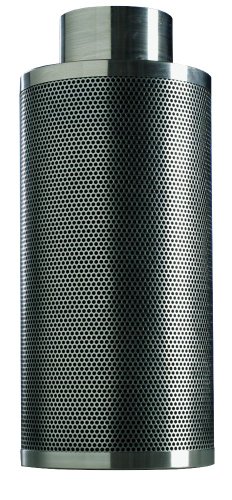
Lasts longer than other carbon filters
How Dirty Filters Can Impact Your Health?
Have you ever noticed that when your air filters are dirty, you start sneezing a lot more? It’s not just a coincidence. Those clogged filters can push harmful stuff like dust, pet dander, and even mold spores into the air you breathe. If you’re already dealing with allergies or respiratory issues, this can make things a whole lot worse.
Here’s the reality: indoor air quality isn’t something to brush off. When we neglect changing our air filters, we might be inviting bacteria and pollutants right into our homes. It’s a little shocking, but research links poor indoor air quality to increased healthcare costs and can even lead to serious respiratory problems. In fact, indoor air pollution is tied to 1 in 9 global deaths!
So, what can you do? Replacing your air filters regularly is a simple yet effective way to improve the air you breathe. Not only does it help clear your home’s air of nasty particles, but it can also ease those pesky allergy symptoms. The best part is, you don’t have to wait long to feel the difference.
If you want to breathe easier, here’s the trick: set a reminder on your phone or make a note on your calendar to check your air filters every few months. It’s a small step that can lead to big changes in how you feel.
In short, keeping an eye on your air filters can boost your well-being and reduce health risks. So, the next time you notice allergy symptoms creeping in, think about when you last changed that filter. Could it be time for a refresh?
Additionally, just like selecting the right dust collection efficiency improves your workshop air quality, maintaining clean air filters ensures better airflow and reduces contaminants in your living space.
The Impact of Clogged Filters on HVAC Efficiency
Have you ever noticed your HVAC system struggling to keep your home at a comfortable temperature? If so, clogged air filters might be the culprit. When the filters get dirty, they block airflow, forcing your system to work overtime. That could lead to energy bills rising by as much as 15%. So, one easy way to keep your costs down is to make sure you’re changing those filters regularly.
Not only do dirty filters restrict airflow, but they can also cause your HVAC system to overheat. This heat buildup can lead to repairs that might end up costing you a pretty penny. Think about it: taking just a little time to replace your filters can save you from unnecessary breakdowns down the road.
Here’s the trick: set a reminder on your phone or write it on your calendar. Changing your filters every one to three months can prevent dust from piling up, improve airflow, and actually extend the life of your system. Honestly, it’s a pretty simple fix that doesn’t take much effort.
In short, clean filters mean a happier, more efficient HVAC system—and that leads to lower bills and better comfort in your home. So, why not make filter changes part of your regular home maintenance routine? You’ll thank yourself later! Additionally, just like using heavy-duty materials in extension cords enhances durability, maintaining clean filters ensures your system operates efficiently and lasts longer.
Selecting the Right Air Filter
Choosing the right air filter for your HVAC system can feel overwhelming, especially with so many options out there. Have you ever looked at those MERV ratings and wondered what they really mean? The MERV rating system ranges from 1 to 20, indicating how well a filter can capture particles. The higher the number, the better it is at filtering out those tiny culprits that can affect your indoor air quality.
If you don’t have pets or allergies, filters in the MERV 1-4 range can do the trick. They’ll catch larger particles like dust and keep your air relatively clean. But for those of you who share your home with furry friends or have allergies, consider stepping up to a MERV 5-8 filter. It provides a nice balance of filtering that can capture pet dander and other common allergens. And if you’re really sensitive or just want to breathe easy, MERV 9-12 filters are great for catching finer particles like pollen.
When it’s time to replace your air filter, check that it fits your system properly. A clean filter that fits right is key to maintaining good airflow, and believe me, it can help you avoid higher energy costs. It’s a small but important step in keeping your home comfortable. Using a dust separator can also help reduce the amount of dust and debris entering your HVAC system, extending filter life and improving overall efficiency.
Recommended Products

This is not a replacement for a Lennox furnace filter.

PROTECH PD540043 - Replacement Merv 8 Media Filters for Exact Fit XGF Series Media Air Cleaners, 21" X 28" X 5"

Hypoallergenic and antimicrobial pleated electrostatic filter material
DIY Air Filter Replacement: Steps for Maintenance & Care for Better Indoor Air Quality
Have you ever noticed how dusty your home can get, especially if you have pets or live in a busy area? Keeping an eye on your air filters can really make a difference in your indoor air quality. It sounds simple, but replacing those filters is super important. Think about it: a dirty filter can cause dust, allergens, and even odors to circulate in your home.
Start by checking those filters every month. Look for visible dust, discoloration, or any signs that they need replacing. If you have furry friends or suffer from allergies, consider swapping them out every month. For most of us, replacing every 1 to 3 months is a good rule of thumb. You definitely want to pick the right size and MERV rating to capture the airborne stuff effectively.
Here’s the trick: when you’re ready to change filters, don’t just toss the old one out. Seal it in a bag to keep all that dust contained. It might seem small, but this little step helps keep your space cleaner.
Honestly, tracking your filter changes can take a load off your mind. Set reminders on your phone or keep a simple log—it’s a straightforward way to stay on top of things. With a little effort, you can ensure the air in your home stays fresh and healthy. Additionally, using durable and flexible materials like PVC dust collection hoses in your ventilation system can enhance dust management and prolong filter lifespan.
Recommended Products
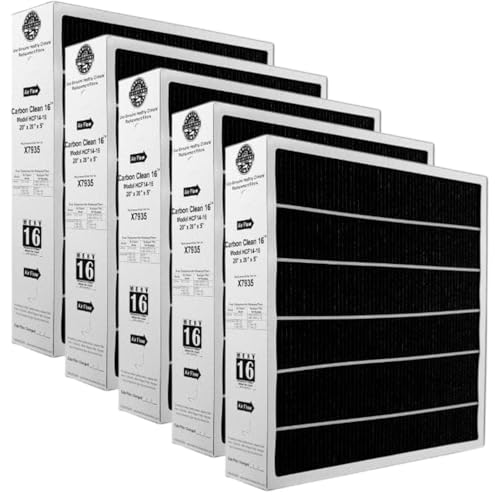
Use in Lennox Healthy Climate HCC14-16 Air Cleaner

31.5x37.5x2 ACTUAL: The actual size of this replacement filter is 31.5x37.5x1.75

MERV 16 rating. Actual size: 20-3/4 x 24-3/4 x 4-3/8
Frequently Asked Questions
How to Tell if Your Air Filter Needs Replacing?
Did you know a clogged air filter can decrease airflow by up to 15%? If we notice increased dust, odd noises, unusual odors, or allergy flare-ups, it’s time we follow manufacturer recommendations and replace it.
How to Know if an Air Purifier Filter Needs Replacing?
We can tell our air purifier filter needs replacing by monitoring filter maintenance tips, noting signs of wear like dust accumulation, and observing air quality deterioration. Regular filter replacement frequency guarantees ideal filter efficiency and improves indoor air considerably.
What Is the $5000 AC Rule?
Imagine crisp, clean air filling our homes. The $5000 AC Rule suggests maintaining our HVAC systems to enhance efficiency and air quality. Regular air filter replacements reduce costs, ensuring peak performance through seasonal changes and DIY maintenance tips.
How Do I Know if My AC Needs a New Filter?
We understand our AC needs a new filter if we notice clogged filter symptoms, poor indoor air quality, or air flow issues. Let’s follow seasonal filter checks and maintenance tips to ascertain consistent performance and freshness!