As an Amazon Associate, we earn from qualifying purchases. Some links on this site are affiliate links at no extra cost to you. Our recommendations are based on thorough research and editorial judgment.

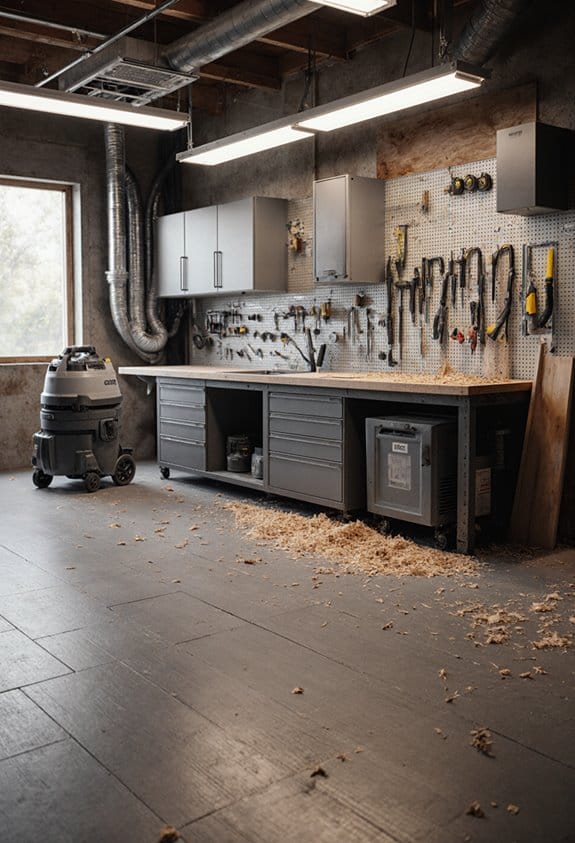
Workshop Flooring Options: Features and Considerations

When it comes to flooring for your workshop, picking the right option is crucial for both safety and getting the job done efficiently. Have you ever slipped on the wrong surface? It’s scary, and it could set you back in more ways than one.
That’s why going with durable choices makes all the difference.
Epoxy flooring is a solid contender, priced around $2.40 per square foot. It’s not just tough; it stands up to chemicals and lasts a long time.
Then there’s rubber flooring, which offers great slip resistance and a cushioned feel underfoot. For those wanting something a bit classier, vinyl is trendy and resists water, which is handy for spills.
Interlocking tiles are another smart option. They’re easy to install and repair, making your life simpler when it comes to maintenance.
So, why does this matter? A workspace that can handle heavy use and any accidents you might encounter means a safer environment for everyone involved.
At the end of the day, understanding these features will help you create a workshop that lasts. Think about how each flooring option suits your needs, and don’t hesitate to explore what fits best in your space.
What’s your top priority when choosing flooring?
Key Takeaways
- Choose flooring that offers slip resistance to minimize workplace accidents in busy workshop areas.
- Opt for durable materials that can withstand heavy foot traffic and chemical exposure for long-term cost savings.
- Consider the comfort of workers; anti-fatigue mats can enhance comfort during prolonged standing.
- Regular maintenance routines, including inspections and proper cleaning methods, prolong the lifespan of workshop flooring.
- Evaluate aesthetic appeal and functionality; seamless and well-maintained floors contribute to a safe and inviting workspace.
Why You Should Choose the Right Flooring for Your Workshop
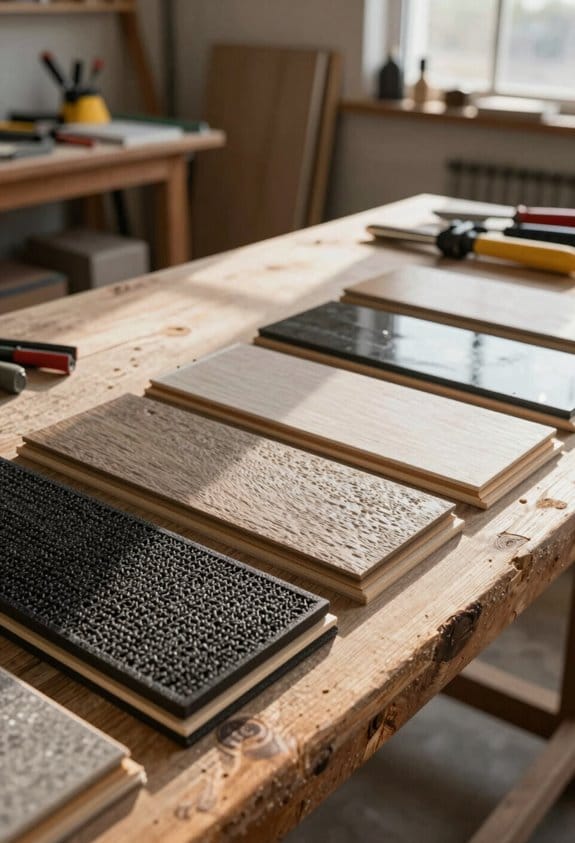
Choosing the right flooring for your workshop isn’t just about looks; it directly impacts safety and how well you get things done. Think about it: a durable floor can handle spills, heavy equipment, and all that foot traffic without falling apart. If you don’t pick the right material, you might find yourself spending more in the long run on repairs and replacements.
When it comes to safety, a slip-resistant surface is crucial. Nobody wants to deal with workplace accidents that could have been avoided with a simple flooring change. Consider options that are both tough and easy to clean. A good floor should survive the chaos of a busy workshop while providing enough grip to keep everyone on their feet.
Comfort matters too. You might want to look into rubber flooring or anti-fatigue mats. These options can really help your team feel better during long hours on their feet, not to mention they can save you on maintenance costs. Plus, a comfortable workspace might just bring out the best in your crew.
Don’t forget about the value of your property. Quality flooring doesn’t just make a difference in how you work; it can also make your workshop more appealing if you ever decide to sell. So, why not invest in something that serves a dual purpose?
In the end, the right flooring is more than just a technical detail. It creates a workspace that’s efficient and safe. Have you thought about what kind of flooring would work best for your setup? Choosing mats that are waterproof and stain-resistant can help maintain a clean and safe environment effortlessly.
Essential Features for Durable Workshop Flooring

Choosing durable flooring for your workshop can feel overwhelming. After all, you want something that can handle heavy use while keeping you safe and comfortable. So, what should you keep in mind?
First off, slip resistance is a must. You want to avoid any accidents, especially in those busy areas where you’re moving around a lot. Think about it: no one wants to take a tumble just because they picked the wrong type of flooring.
Then there’s durability. Your flooring will take a beating, with constant foot traffic and exposure to chemicals. It needs to stand strong against that stress without cracking over time. And while it might be tempting to go for the cheapest option, think about long-term costs too. Sometimes, a lower initial price tag can mean more maintenance further down the line, which isn’t ideal for anyone.
Another aspect to think about is comfort. Honestly, if you’re going to be on your feet for a while, you want something that won’t leave you aching. Anti-fatigue mats are a solid choice here, as they can really boost your comfort during those long workshop sessions.
In addition, factors like airflow and temperature control in the workshop environment can impact flooring choice, especially when paired with equipment such as industrial ceiling fans designed for spacious areas.
In the end, it’s all about making a smart choice that keeps your workshop safe, efficient, and comfortable for years down the road. Have you thought about what features you need most in your workspace?
Recommended Products
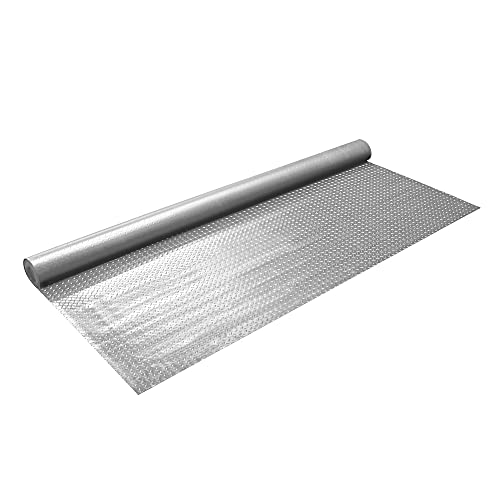
ROLL OUT A ROBUST ROOM: Seamlessly strengthen the floor in minutes with a low-profile garage floor cover solution featuring moisture resistant textured polyvinyl that’s prepared to tackle the toughest workspaces without being tough to work with.

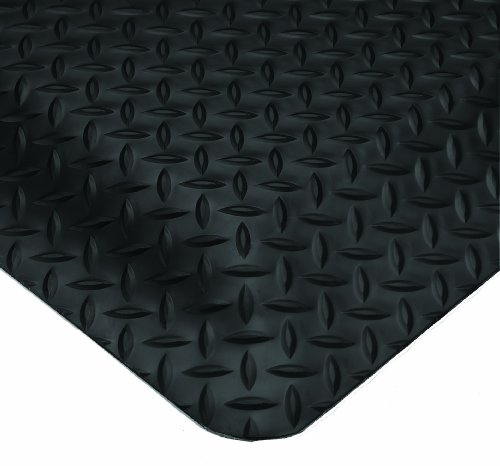
Enhanced slip resistance and comfort - Our anti fatigue matting features a vinyl laminate surface made from recycled materials for improved traction, combined with a dense closed cell PVC foam base for maximum comfort
Top Flooring Options for Different Workshop Needs
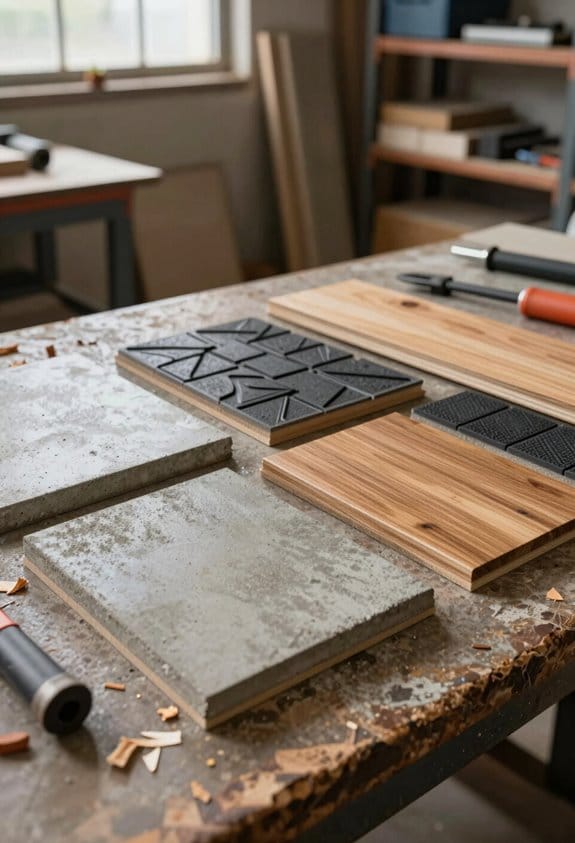
Choosing the right flooring for your workshop can feel overwhelming, can’t it? A well-thought-out floor doesn’t just protect your space; it can also play a huge role in safety and comfort. Let’s dive into some top options that might just fit your needs.
For durability, consider epoxy flooring. It’s tough and resistant to chemicals, making it a great choice for those high-traffic areas where spills and heavy use happen often. Polished concrete is also worth a look—it’s budget-friendly and has that sleek look everyone loves, plus it keeps maintenance to a minimum. Who doesn’t appreciate less cleanup?
But if comfort ranks high on your list, vinyl flooring might be just what you need. It’s not only versatile and water-resistant, but it can also be pretty stylish. A cozy workspace could make your time there much more enjoyable. Similarly, don’t overlook rubber flooring; it’s perfect for busy workshops thanks to its slip-resistant and noise-reducing features—two big wins when you’re moving around a lot.
And don’t forget about interlocking tiles! They allow for easy installation and replacement, which means you can keep your space looking fresh without too much hassle. They’re also tough enough to handle heavy-duty use, so you know it’ll stand the test of time.
Recommended Products
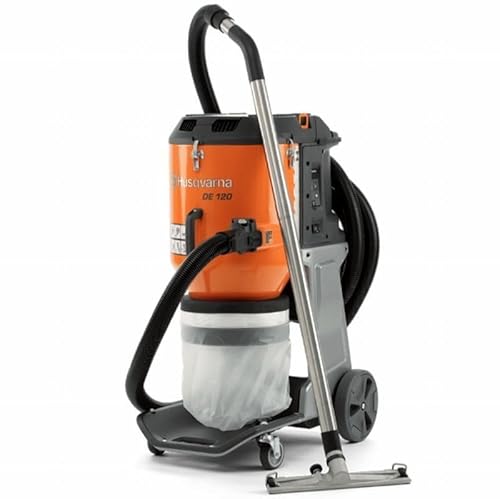
Continuous High Performance: The ingenious e-flow system automatically adjusts air flow to prolong time between filter cleanings, allowing operators to work longer without interruption

Built for Medium-to-Large Commercial Hard Floors: This 22-inch walk-behind floor scrubber is ideal for retail stores, schools, offices, gyms, workshops, and mixed-use commercial spaces that need dependable daily cleaning without stepping up to a larger, bulkier machine
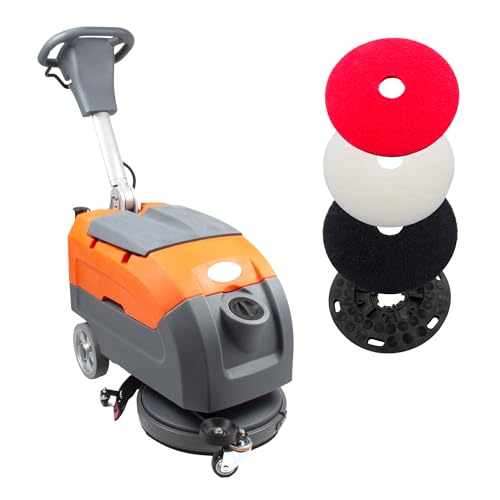
Compact 17" Commercial Scrubbing Power: Built with a 17-inch brush/pad scrubbing path and 22-inch squeegee vacuuming width, this walk-behind scrubber offers stronger business-cleaning capability than mini scrubbers while staying easier to handle than larger 18"–20" machines.
The Pros and Cons of Epoxy Flooring
Are you tired of flooring that can’t keep up with your busy workshop? If so, epoxy flooring might just be what you need. It’s known for being super tough and can handle heavy foot traffic along with those unexpected spills.
One of the standout features of epoxy surfaces is their durability. They’re designed to last, which means you won’t be replacing your flooring anytime soon. Plus, that glossy finish not only looks great but also reflects light, making your workspace feel brighter. And if you like a little flair, you can customize the colors to match your style.
Cleaning is a breeze with epoxy—no deep scrubbing or special products needed. Just a quick mop, and you’re good to go. However, there’s a small downside: that shiny surface can hide dropped items, which might lead to a little tumble now and then. So, be careful about that!
When you look at the costs, epoxy flooring generally runs around $2.40 per square foot, including additives. This can make it a smart investment over time compared to other flooring materials.
Additionally, maintaining a clean workspace with solutions like dust collection efficiency can significantly enhance your overall workshop environment.
In the end, if you’re considering an upgrade, think about how epoxy could change your shop for the better. What features do you think would make your workspace more efficient?
Recommended Products

✨ Transform Your Space: Achieve a showroom-quality, stone-like finish with our 4-layer epoxy system – perfect for garages, retail stores, and workshops. Resists oil, chemicals, and UV fading for decades of durability.

PREMIUM FLOOR COATING FOR GARAGE & DESIGNER FLOORS – Create durable, seamless surfaces with this garage floor epoxy kit ideal for concrete floors, designer floors, workshops, and industrial areas. Delivers a high-coverage, waterproof, abrasion-resistant finish that transforms worn flooring into a clean, modern, professional look
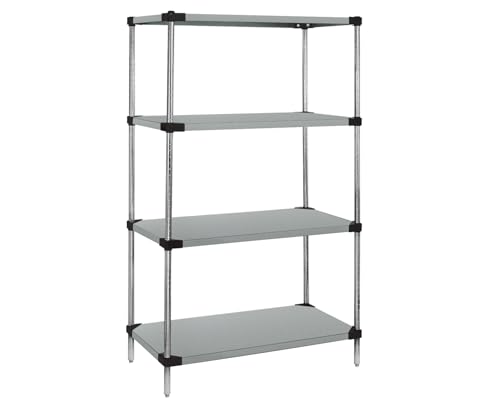
Design: Solid shelving unit with flat shelves featuring a marine edge perimeter to prevent spillage, ideal for secure and organized storage.
The Benefits and Drawbacks of Rubber Flooring
When choosing flooring for a workshop, rubber flooring often grabs attention for its toughness and comfort. It really shines in busy areas since it helps absorb shocks and cushion your feet. If you’ve ever slipped on a slick floor, you know safety is a big deal. The non-slip surface of rubber flooring can reduce the chances of slips and falls, especially when spills happen.
You’ll find it comes in different thicknesses, which is great when heavy machinery is in the mix; it offers solid insulation against the cold, too. Plus, it cuts down on noise and vibrations, leading to a more pleasant working environment. So, why does this matter? Think about working in peace instead of a noisy chaos—it’s a significant quality of life improvement!
However, there’s a catch. Heavy rubber mats can sometimes become trip hazards, especially if they shift around, and they might not support extremely heavy machinery as well as you’d like. This isn’t a one-size-fits-all solution, so evaluating your specific needs before making a choice is crucial.
In the end, weigh the benefits against the drawbacks. Will rubber flooring work for your setup? Take a moment to really think about what you need. Additionally, pairing rubber flooring with a durable heavy-duty workbench can maximize both comfort and functionality in your workshop.
Recommended Products

ROLL OUT A ROBUST ROOM: Seamlessly strengthen the floor in minutes with a low-profile garage floor cover solution featuring moisture resistant textured polyvinyl that’s prepared to tackle the toughest workspaces without being tough to work with.

Horse mats are easy to clean to ensure a longer life-span. Liquids and solids can be easily wiped or brushed off

Gym rubber tiles absorb shock and impact from heavy weights and equipment thus protecting both the machinery and the floor from damage.
How Do Interlocking Tiles Stack Up Against Other Flooring Types?
How do interlocking tiles stack up against other flooring options for workshops? If you’re debating what flooring to choose for your workspace, you may feel overwhelmed by all the choices. It can be tricky, but interlocking tiles definitely have some solid benefits that make them worth considering.
For starters, installation is a breeze. You won’t need any adhesives or fancy tools, which means you can quickly change up your workshop’s look without shutting things down for days. Plus, these tiles are moisture-resistant, so spills and humidity won’t be a major issue. Just keep an eye out for any water that might get trapped underneath, which can happen if not monitored.
Another thing to consider: durability. Interlocking tiles are made from tough materials like PVC, which means they’re built to last. They can withstand the kind of wear and tear that happens in workshops, and they’re pretty good at handling moderate chemical spills, too. Safety matters in a busy space, and these tiles offer slip resistance, making them a good pick if you’re moving around a lot.
If one tile happens to get damaged, don’t worry about replacing the whole floor. You can easily swap out the problematic tile without much hassle. That straightforward maintenance can save you time and money in the long run. Additionally, their compatibility with adjustable height workbenches makes them an excellent choice for customizable and ergonomic workshop setups.
Recommended Products

12" x 12" Tile - 1/2" Thick

HIGH PERFORMANCE: The high-performance patented diamond substructure is built to withstand the harsh elements of a residential garage environment. Made from high impact copolymer, it can support rolling loads of over 80,000 pounds while allowing air and moisture to escape.

SHOW OFF YOUR STEED: Lay down the groundwork of a better garage in minutes with textured, snap together display flooring made from vibrant moisture resistant polypropylene thermoplastic that’s ready to show off beloved bikes in the toughest spaces.
Maintenance Tips for Longer Lasting Workshop Flooring
Have you ever stepped into a workshop and noticed the flooring looking a bit worse for wear? Maintaining that flooring isn’t just about keeping it looking nice; it’s about extending its life and functionality, too. Creating a regular maintenance routine can really make a difference when it comes to controlling dirt, stains, and everyday wear and tear.
Start by keeping the debris in check with a simple vacuum or broom. This helps maintain your flooring’s appearance and makes it safer to work on. If you’ve got epoxy coatings on your floors, think about applying a specialized sealer every couple of years. It strengthens the surface while giving it that shiny look that resists stains and chemicals. Just remember to ventilate the area well during drying; nobody wants peeling floors!
Spills happen, right? Here’s a tip: deal with them immediately. Use the right cleaning products to make sure you don’t end up with permanent stains. Also, it’s wise to schedule periodic inspections. Catching minor damage can save you from facing costly repairs down the road.
So why does all of this matter? Keeping your workshop flooring in great shape isn’t just about aesthetics; it’s about creating a safe and functional space for you to work efficiently. Maintaining that seamless surface is worth it in the long run. For the best protection and longevity, consider choosing a high-quality concrete sealer that suits your specific workshop conditions.
Frequently Asked Questions
What Type of Flooring Is Best for a Workshop?
We think epoxy flooring’s durability and low maintenance make it ideal for our workshops. For instance, incorporating slip-resistant rubber mats enhances safety, while interlocking tiles offer customization. Let’s consider our specific needs and budget carefully.
What Is the 3/4/5 Rule Flooring?
The 3/4/5 Rule helps us guarantee precise right angles in our flooring installations. It enhances our cost analysis, improves safety features, and aids in durability assessments while considering maintenance requirements and aesthetic elements.
What Is the Rule of 3 Flooring?
So, three types of flooring sound extravagant, right? Yet, this Rule of 3 addresses cost analysis, durability factors, safety standards, and even aesthetic appeal—ultimately optimizing moisture resistance, sound insulation, and installation methods for our workshops.
What Are the Points to Consider When Choosing Flooring?
When choosing flooring, we need to evaluate durability factors, installation methods, maintenance requirements, cost analysis, safety features, moisture resistance, aesthetic appeal, insulation properties, sustainability options, and noise reduction to make the best decision.


