As an Amazon Associate, we earn from qualifying purchases. Some links on this site are affiliate links at no extra cost to you. Our recommendations are based on thorough research and editorial judgment.

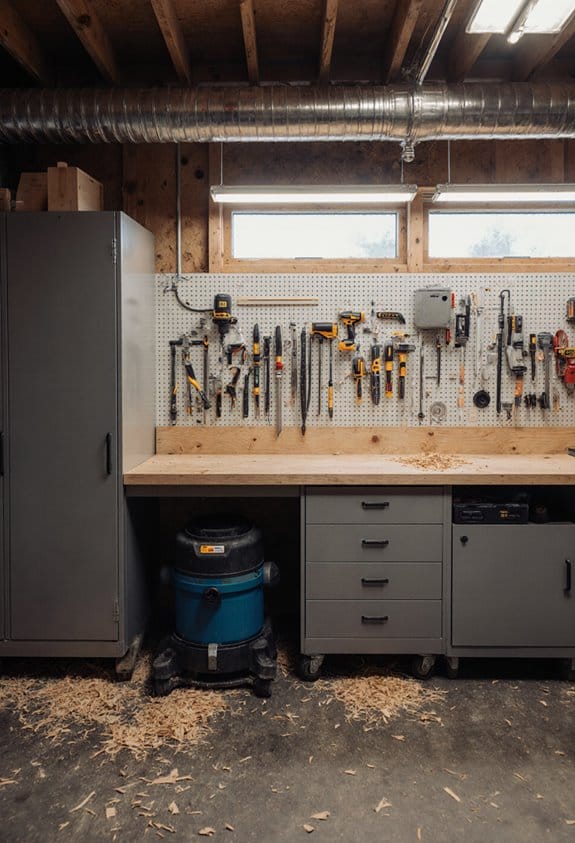
Grounding Requirements for Workshop Safety

Grounding is a critical piece of the puzzle when it comes to keeping your workshop safe. Ever thought about what could happen if stray electrical currents didn’t have a place to go? Without proper grounding, you might be at risk for shocks or even fires.
It’s important to make sure that all of your power tools have grounded plugs. GFCIs (Ground Fault Circuit Interrupters) are a must in any damp area — they cut power if they sense any imbalance, which can help prevent nasty accidents.
Regular inspections of grounding connections aren’t just smart; they’re required by OSHA. Keeping them in check means you’ll have more peace of mind, knowing you’re compliant and prioritizing safety.
And let’s not forget thorough bonding procedures for any flammable containers you might have. You’ll want to make sure those are solid to avoid disaster.
Here’s the trick: schedule those inspections like you would a dentist appointment — don’t skip them! You could think of it as regular maintenance for your workshop.
So, why does this matter? A safe workshop not only protects you but also the project you’re working on. Truth is, grounding might not seem like a big deal until it saves you from an accident.
In summary, grounding is vital for safety in your workshop. So, are you ready to take a closer look at your setup?
Key Takeaways
- Ensure all power tools have grounded plugs and GFCIs are installed in damp areas to prevent electrical hazards.
- Regularly inspect grounding connections and equipment to comply with OSHA safety standards and ensure effective grounding.
- Use grounded and bonded containers when handling flammable liquids to minimize fire risks due to static electricity.
- Test Ground-Fault Circuit Interrupters (GFCIs) monthly to guarantee functionality and reduce the risk of ground faults in wet environments.
- Incorporate circuit breaker lockout procedures to prevent accidental energization and enhance overall electrical safety in the workshop.
Why Grounding Matters: Key Principles for Workshop Safety
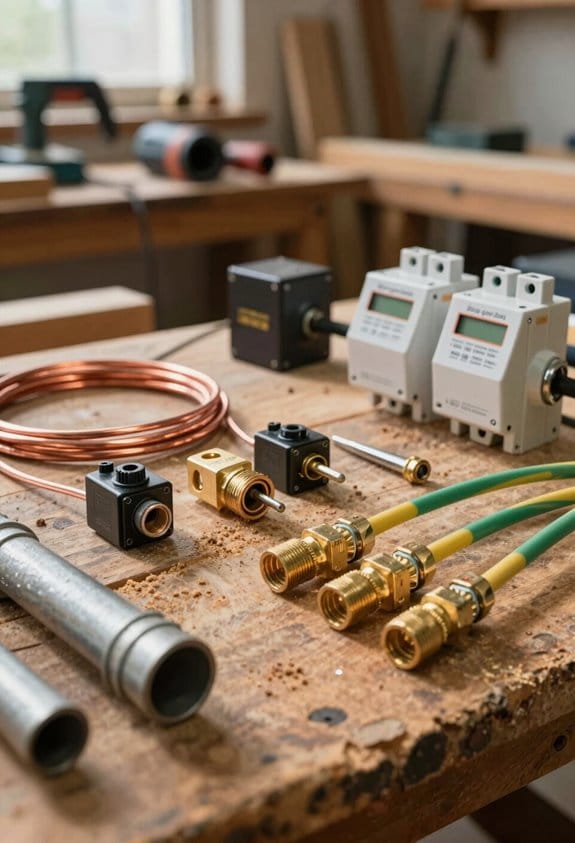
When you’re setting up a workshop, have you ever thought about the safety risks stemming from electricity? Grounding is one key player you can’t ignore. It’s all about creating a safe path for any stray electrical currents to divert into the earth. This cuts down on the risk of shock or worse.
To really nail grounding, you should connect your electrical systems to a grounding electrode system. Make sure you’re following the National Electrical Code (NEC) Article 250. It sounds technical, but it’s vital for keeping everything safe. It’s also a good idea to get your grounding connections and equipment inspected regularly. OSHA requires it for a reason—keeping you and others safe from electrical faults is the goal here.
If your workshop tends to get damp, Ground-Fault Circuit Interrupters (GFCIs) are a must. These nifty devices can instantly cut off power if there’s a ground fault, which is a lifesaver. And don’t forget about all those conductive tools and machines lying around. If they’re not grounded properly, static discharges can ignite flammable materials. So, why risk it?
The best part? Just taking the time to ensure everything is grounded can offer you peace of mind while you work. A bit of diligence goes a long way toward safety. Remember, grounding isn’t just an option—it’s a necessity for safe workshop operations. For comprehensive safety, having a well-stocked first aid kit nearby is essential to handle any emergencies that may arise.
Recommended Products

【Built-in 2 Outlet】The outdoor lights for house is equipped with two GFCI outlets (ground fault circuit interrupter), accommodating both two-pronged and three-pronged plugs. This setup provides convenient outdoor power access while also offering enhanced safeguards against power surges, short circuits, and other electrical issues.This outlet is suitable for various scenarios, including string lights, lawnmowers, BBQ grills, CCTV cameras, and other outdoor equipment.


Generates 1500 psi at 1.4 gpm
Key Grounding Requirements for Flammable Liquid Safety
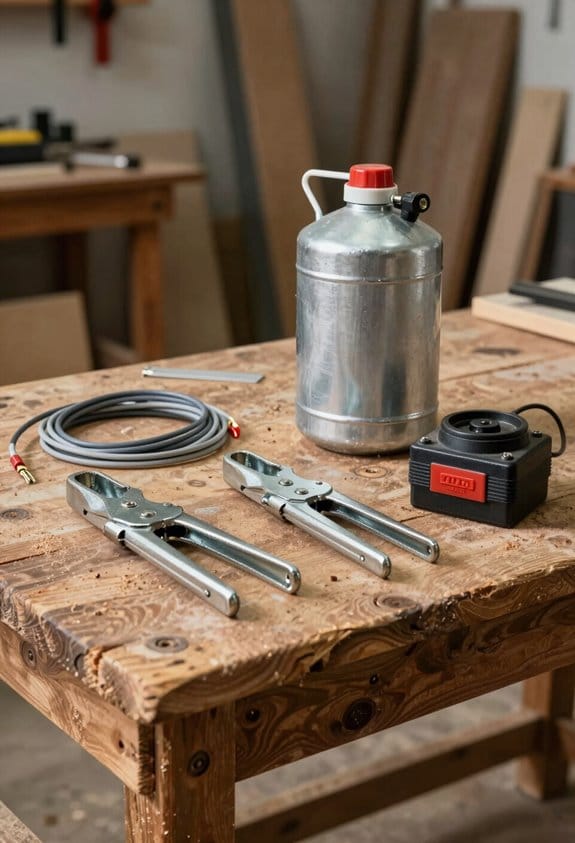
Ever thought about how dangerous working with flammable liquids can be? It’s not just about keeping a fire extinguisher nearby; you need to tackle static electricity too. When handling Category 1 or 2 flammable liquids, and even some Category 3 liquids with a flashpoint under 100 °F, it’s crucial to use containers that are grounded and bonded. This isn’t just precautionary—it’s a necessary step to greatly reduce the risk of igniting a fire.
So, what does grounding and bonding really mean? Bonding is about connecting conductive objects to ensure they have the same electrical potential, preventing buildup of static charges. Grounding, on the other hand, takes things a step further by linking these objects to the earth. This way, if there’s a fault in the system, electricity has a safe route to go.
Remember OSHA Standard 29 CFR 1910.106? This guideline lays down the essential protocols for safely dispensing flammable liquids. Ignoring these steps can lead to serious accidents. So, don’t take shortcuts. By ensuring that your containers are properly grounded and bonded, you’re making a significant step towards a safer workspace.
Honestly, implementing these practices isn’t just about compliance—it’s about peace of mind. You’ll feel more secure knowing you’ve taken extra steps to keep yourself and your environment safe. Using equipment with high-efficiency filtration systems can further enhance safety by minimizing airborne contaminants during handling.
How to Properly Bond and Ground Containers
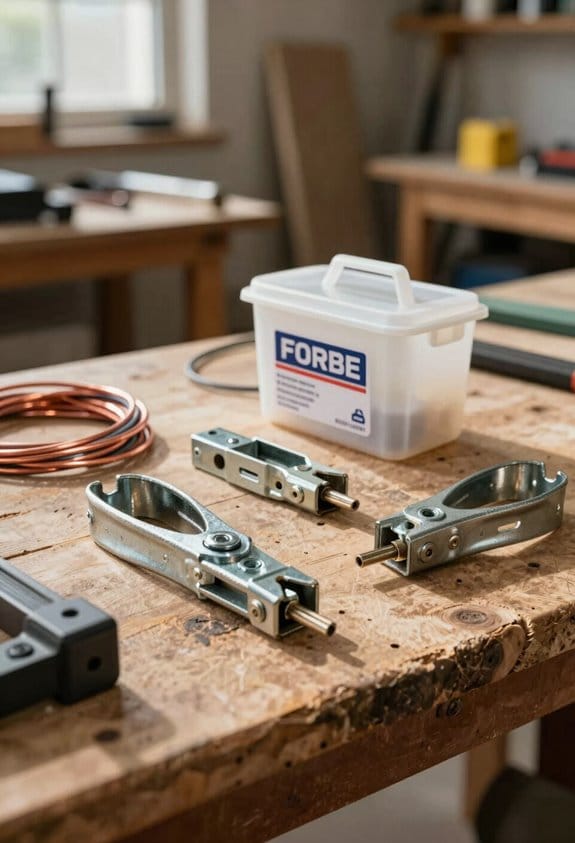
Have you ever wondered how to keep things safe while handling flammable liquids? Proper bonding and grounding of containers is absolutely crucial. It’s not just about safety; it’s also about efficiency in preventing those nasty risks of fire and explosion.
When you’re dispensing flammable liquids, make sure to connect all containers using approved bonding cables. This helps keep electrical potential equal, which is key for avoiding static discharges that can lead to accidents. So, remember to interconnect the metallic parts of both the dispensing and receiving containers. This step is especially important when working with Category 1, 2, and 3 liquids.
Before you go ahead and make those connections, take a moment to clean off any paint, dirt, or debris from the surfaces. This little effort ensures the best metal-to-metal contact, which is vital for effective grounding. Just think about it: a clean connection can make all the difference in safety.
And don’t forget about grounding yourself. It’s a simple step—just touch something that’s properly grounded to get rid of any static charge on your body. This small act enhances your safety while you’re handling those flammable liquids.
To maintain a safe working environment, it’s also beneficial to use an air compressor filter to remove moisture and particles from the air, reducing the risk of contamination and potential ignition sources.
Recommended Products

Dimensions & Capacity: Fireproof cabinet suitable for 60~85 gal, Storing up to maximum of 90 gallons. Cabinet Outer Size 34" x 34" x 65" , Cabinet Inner Size 30.5" x 30.3" x61".

【Dimensions & Capacity】Fire Resistant Storage Cabinet Outer Size 23.2"x18.1" x 35.4", Cabinet Inner Size 19.9" x 15" x31", Suit for 12-24 gal (with Optional Capacity Expansion to 30 Gallons).

Double-Wall Steel Containment for Industrial Fire Protection: Constructed with dual-wall 18-gauge steel and an insulating air space, this flammable cabinet enhances thermal performance and structural rigidity for regulated flammable liquid storage
How GFCIs Enhance Grounding Safety
Have you ever thought about how safe your workshop is when it comes to using electricity? One of the best tried-and-true methods to boost your safety is by installing Ground-Fault Circuit Interrupters, or GFCIs for short. These little gadgets can make a big difference—they automatically cut off power if they detect any imbalance in the electrical current. This feature is a must-have, especially in areas that tend to get wet, like garages and bathrooms.
So, why does this matter? Well, electric shocks can happen quicker than you think, especially when you’re working with tools and equipment surrounded by moisture. That’s why many electrical codes now require GFCIs not just in workshops, but also in kitchens, bathrooms, and outdoors. They’re not just handy; they’re essential for keeping everyone safe.
Here’s the trick: you should test your GFCIs each month. If one fails to respond when you test it, you could be in serious trouble if a ground fault happens. A GFCI that’s not working means it won’t cut the power during a fault, putting you at risk.
Truth is, adding these devices into your workshop setup is a straightforward way to create a safer environment. It can really lessen the chances of an electric shock, which is a big win for anyone who uses power tools. Using protective devices that comply with OSHA standards is critical to ensuring effective hazard communication and workplace safety.
Effective Grounding Techniques for Essential Workshop Tools
How do you ensure your essential workshop tools are safely grounded? This is a real concern for anyone working with power tools, especially when safety is on the line. First off, it’s crucial to make sure that all your power tools have grounded plugs featuring grounding prongs. This simple step provides a safe path in case of electrical faults.
Now, if you’re working in damp spaces, GFCIs (Ground-Fault Circuit Interrupters) are a must-have. These handy devices can save you from serious accidents by automatically tripping the circuit if a ground fault occurs. It’s one of those things that might seem small but can make a huge difference in a potentially hazardous environment.
It’s also important to think about how you’re handling flammable liquids. When transferring these materials, make sure to use 3’ or 5’ braided grounding cables for proper bonding. Clean metal-to-metal connections are key here to avoid any static discharge that could lead to fire risks. So, what’s the takeaway? Always connect your containers before you start dispensing flammable materials.
And don’t underestimate the power of knowledge. Educating everyone in your workshop about these bonding procedures plays a significant role in maintaining safety. Regular inspections of grounding connections are also vital. Keeping an eye out for any damage helps you stay compliant with safety standards and keeps your workspace accident-free.
In wrapping this up, grounding your tools isn’t just about following rules; it’s about keeping yourself and your team safe. Utilizing remote controls with UL-certified materials can also enhance workshop safety by reducing unnecessary manual contact with power tools. What’s your go-to strategy for safety in the workshop?
Recommended Products

One Of The Largest Wire Size Ranges On The Market! Wire Range 22 AWG - 2-1/4" OD

HIGH-QUALITY CORD - The extension cord is made with thicker 16 AWG wire diameters which can handle more amperage, Get more from your heavy-duty 3-Prong extension cord with a high capacity of 1625 Watt rating (13 Amps, 125V). Link additional extension cords, power strips, surge protectors, plug adders, and devices up to a max of 1625W.
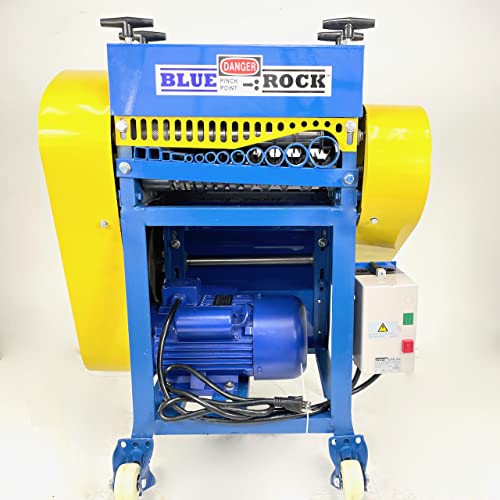
11 cutting channels, cut different wire types and sizes without constant adjustment (including flat house wire)
Tips for Inspecting Grounding Connections Safely
Ever thought about how important grounding connections are in your workshop? Keeping them in check is crucial for safety and efficiency.
Start by making sure all your metal contacts are secure, clean, and free of corrosion. This is key for good conductivity. You wouldn’t want any hiccups in your workflow, would you? Then, take a closer look at the grounding wires. They need to meet National Electrical Code (NEC) standards for their size, which ensures they can handle maximum current without overheating.
Try this: grab a multimeter and test the resistance of your connections. You want to see a reading below 25 ohms; if it’s higher, that could be a sign to dig deeper. Also, don’t forget to check the grounding electrode system. Is it compliant with Article 250 of the NEC? You might think, “Why does this really matter?” Well, it plays a big part in preventing electrical issues down the line.
Finally, make a note of your inspection results and any maintenance you do. Keeping track not only helps with safety but also serves as a reference for the future. Additionally, ensuring your dust collection system has proper grounding can significantly improve health and safety in your workspace.
Best Practices for Using Extension Cords in the Workshop
Using extension cords in the workshop isn’t just about convenience; it’s a safety must. Have you ever thought about what could happen if a cord isn’t up to par? Choosing extension cords with grounding prongs is a smart move; they create a safe path to ground for any electrical issues that might pop up.
It’s crucial to make sure your cords are rated for the wattage or amperage of the tools you’re using. This helps prevent overheating and potential fire hazards. Keep your cords as short as you can. This cuts down on voltage drop and lowers the risk of electrical shocks.
Regularly inspecting your cords is something you don’t want to overlook. Check for frayed wires or any signs of damage, and if you find something off, it’s best to toss the cord immediately. Honestly, it’s not worth taking risks for the sake of saving a few bucks on a new one.
Oh, and here’s the trick: don’t daisy-chain cords. Stick to using a single, properly rated extension cord whenever possible. This simple habit can help keep you safer while you work.
In the end, these small steps make a big difference in protecting yourself in the workshop. Using cords with flame resistance adds an extra layer of safety against fire hazards. So, how often do you check your extension cords? Making safety a priority is key!
Recommended Products

SOOTHING MASSAGE SYSTEM: The SaluSpa Miami Inflatable Hot Tub Spa features 120 jets which release air bubbles to create a warm, relaxing experience at your home! The massage system has two different intensity levels for your preference.

1800 Watt portable DEWALT power station

This self-priming heavy-duty external water pump delivers outstanding reliability and performance at an affordable price.
What Happens If Grounding Isn’t Done Right?
What Happens If Grounding Isn’t Done Right?
Have you ever considered what might happen if your workshop isn’t grounded correctly? It sounds technical, but neglecting proper grounding can lead to some serious risks that you might not even think about. You’re putting yourself in harm’s way if you’re not connected properly, exposing yourself to electrical shocks or even the risk of electrocution.
One of the scariest parts? A faulty ground connection can stop circuit breakers from kicking in when there’s an overload. That means you’re at a much higher risk of electrical fires, especially if you’re working with flammable materials. And don’t forget about your tools—if they’re not grounded right, they could malfunction. This can lead to unpredictable performance, which is not just annoying but could also jeopardize both your safety and your project’s outcome.
Ever dealt with static electricity? It can build up on surfaces that conduct electricity and, honestly, that creates a serious ignition risk. Plus, grounding failures can mess with essential devices like Ground-Fault Circuit Interrupters (GFCIs). These are what help keep you safe in wet or risky environments. Additionally, using quality materials in your equipment connections, such as ABS plastic, can minimize air leaks and improve safety by maintaining optimal performance and durability.
Training Your Staff on Grounding and Bonding
When it comes to running a workshop safely, grounding and bonding are crucial, especially if you’re dealing with flammable materials. Think about it: how many times have you seen someone spill a liquid and not think twice about the risks? Understanding how to effectively ground and bond can prevent nasty surprises like electrical shocks or static discharges during those transfers.
OSHA, which sets standards everyone must follow, has specific rules—29 CFR 1910.106—to make sure we’re handling flammable liquids the right way. This isn’t just legal mumbo jumbo; it’s about keeping each other safe. So, what can you do to get equipped on this?
Start with training. Cover the correct ways to use and take care of your grounding and bonding equipment. You want to make sure everyone knows how to connect those containers in a way that stops static charge buildup. Regular workshops and drills aren’t just busywork; they’re a great way to cement that knowledge of bonding protocols and grounding requirements.
Here’s a trick for enhancing understanding: Use visual aids like diagrams and videos. Everyone learns differently, and seeing the process can stick in people’s minds far better than just talking about it. So, do you have the right materials to ensure your team understands these safety procedures?
To further protect your staff during potentially hazardous tasks, equipping them with proper professional knee pads can enhance safety and comfort when working in demanding workshop environments.
Remember, safety isn’t just a box to tick off; it’s about creating a mindful culture in the workshop. The best part? When everyone knows the rules, it makes the environment safer for all of us.
Resources for Electrical Safety and Compliance
What steps can you take to make sure your workshops meet electrical safety standards? It can feel overwhelming, but starting with safety data sheets (SDS) is key. These sheets are crucial for making sure your team understands potential hazards and knows the right way to handle materials, especially when flammable substances are involved. Training everyone on emergency procedures is a must.
Don’t underestimate the value of focused training materials on proper grounding techniques, like those from the National Fire Protection Association. Keeping your staff updated on these standards doesn’t just promote safety; it also fosters a strong culture of awareness. Regular inspections of your grounding and bonding connections, as required by OSHA Standard 29 CFR 1910.106, are essential. They help you minimize the risks associated with static discharge when you’re dispensing flammable liquids.
Oh, and here’s a tip: using bonding cables to connect conductive objects helps equalize electrical potential, making your workspace safer. This simple proactive approach means you’re not just meeting regulations, but you’re also creating a much safer environment for everyone who steps foot in your workshops. Additionally, incorporating circuit breaker lockouts into your safety protocols can prevent accidental energization and further enhance electrical safety.
Frequently Asked Questions
What Are the NEC Requirements for Grounding?
When we discuss NEC requirements for grounding, we’re really diving into essential grounding techniques that uphold safety standards. Compliance guarantees our systems function efficiently while protecting us from potential electrical hazards we’d rather avoid.
What Are the Two Types of Grounds That Are Required by OSHA?
OSHA requires two types of grounding systems: the Equipment Grounding Conductor for electrical safety and the Grounding Electrode System for dissipating electricity. Together, they help guarantee we stay safe from electrical hazards in our work environments.
What Is the NFPA Code for Grounding?
We’re all about electrical safety, and the NFPA Code for grounding emphasizes grounding principles to keep us safe. It’s essential to follow these guidelines to guarantee our environments are free from electrical hazards.
What Are 10 Safety Rules in an Electrical Workshop?
In our electrical workshop, let’s always remember: keep the workspace organized, inspect equipment regularly, use safety gear, understand electrical hazards, avoid water, unplug tools when not in use, and never bypass safety features.


