As an Amazon Associate, we earn from qualifying purchases. Some links on this site are affiliate links at no extra cost to you. Our recommendations are based on thorough research and editorial judgment.


How to Conduct a Workshop Safety Audit

Got a workshop? Need to make sure it’s as safe as it can be? Conducting a safety audit might be just what you need.
You may be interested

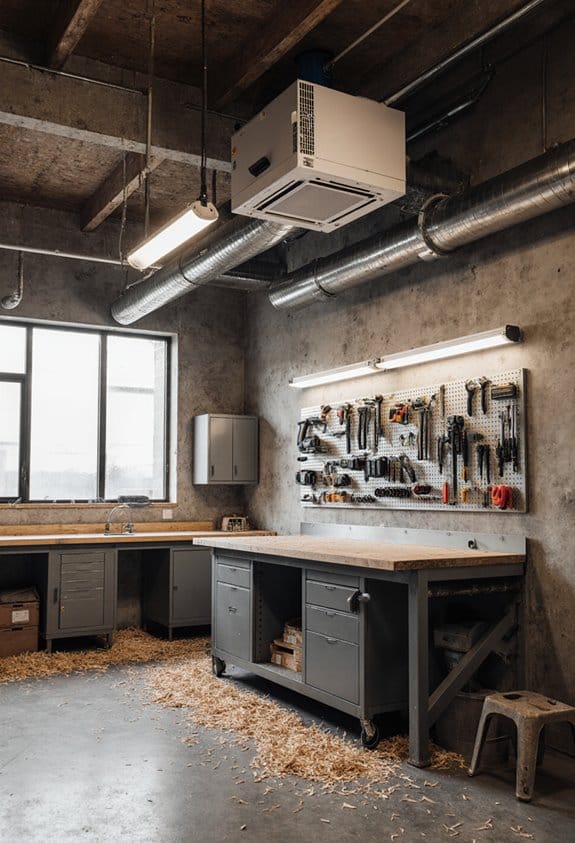

It all begins with figuring out where the biggest risks are, like machinery that might not be up to snuff.
Next, it’s key to pull together a team with different backgrounds. When you involve both management and frontline workers, you can gather a lot more insights.
Have you ever noticed how the people who work on the ground often spot things that others might miss? Plus, reviewing past inspection data can reveal recurring hazards you’ve got to tackle.
Creating a tailored checklist helps zero in on the specific issues you want to address.
Once you dive into the audit, make sure you document the hazards you find. Classifying the risks can also help you prioritize which problems to tackle first.
What’s more, identifying the necessary actions can really set your team up for safer practices down the road.
When it’s time to summarize your findings, keep it clear and straightforward. This clarity helps in driving those continuous safety improvements.
The best part is, audits can spark conversations about safety that lead to real change in your workshop.
So, are you ready to take the plunge into improving safety? Your workshop’s environment will surely thank you for it!
Key Takeaways
- Clearly define the audit scope to focus on high-risk areas and ensure compliance with safety regulations.
- Assemble a diverse audit team, including management and frontline employees, to gather comprehensive insights.
- Develop and regularly update customized checklists based on operational changes and past audit findings.
- Identify and classify hazards during inspections, using a ranking system to prioritize risks effectively.
- Summarize audit findings clearly, suggest corrective actions, and commit to continuous safety improvements through regular assessments.
Why You Need to Conduct Workshop Safety Audits
Have you ever thought about the hidden dangers lurking in your workshop? It’s easy to brush aside safety procedures when you’re busy with projects, but taking a moment to conduct regular safety audits is not just wise—it’s essential. The U.S. Bureau of Labor Statistics reported over 2.8 million workplace injuries and illnesses in just 2022. With numbers like that, it’s clear that we need to be more proactive about managing risks in our workspaces.
Safety audits are an opportunity to spot hazards that could disrupt our work environment. By identifying these risks early, we can put measures in place to avoid accidents before they happen. Here’s the trick: involve your team in the process. When you engage everyone in safety training during these audits, you create a culture where every person feels responsible for safety. Isn’t that the kind of environment we all want to work in?
Consistent safety audits also have a practical side. They can uncover gaps in your current safety protocols that might go unnoticed otherwise. That’s important because addressing those gaps not only keeps your workers safe but also prevents costly penalties from OSHA. Plus, knowing you’re taking steps to ensure a safe workplace can really boost morale. Trust develops when people see that their well-being is a priority.
So, why does this matter? It’s about creating a space where everyone can focus on their work without worrying about accidents. Conducting regular safety audits isn’t just a check off the list; it’s a fundamental part of running a productive and healthy workshop. Incorporating HEPA filter dust collectors can further improve workplace air quality and reduce respiratory risks.
In the end, remember that a safe workplace is a thriving workplace. Are you ready to make safety a priority in your workshop?
Define Your Audit Scope and Objectives
Let’s face it: keeping a workshop safe is no small feat. So, how do we make sure our safety measures are up to par? One of the first steps is to clearly define our audit scope and objectives. This starts with pinpointing the areas and processes that need our attention—especially those high-risk spots like machinery and hazardous materials.
You want to dive deep into what’s actually going on. Make it your goal to uncover potential hazards, check compliance with safety regulations, and see how effective our current safety measures are. Here’s the trick: looking at insights from past audits and incident reports can be a real eye-opener. This way, you can zero in on those recurring safety concerns and identify new risks that might be creeping in.
It’s also crucial to get management on board with our audit process. Their support can really make a difference in ensuring cooperation among everyone involved. Prioritizing safety-critical components can lead to a thorough and focused audit experience, ultimately creating a safer workshop environment. Incorporating equipment with HEPA filtration systems can significantly improve air quality and reduce operator exposure to harmful dust during your safety assessments.
Assemble a Diverse Audit Team for Comprehensive Insights
As you think about workshop safety, have you ever wondered how to get the best insights? One way to tackle this issue is by assembling a diverse audit team. When you include people from different areas—like management, production, maintenance, and safety—you can really broaden your understanding of the safety landscape. Each person on the team has a unique perspective, which can help identify risks you might not have considered.
Try this: Engage employees who work directly in the workshop. They can provide firsthand insights into what actually happens on the ground, which can greatly enrich your safety audit. When everyone collaborates, it’s easier to spot high-risk areas and come up with specific actions to improve workplace practices.
Frankly, making sure communication is open and ongoing can create an environment where all kinds of ideas can thrive. Plus, it helps everyone feel more comfortable discussing their concerns. Ultimately, this can strengthen your safety culture and ensure you’re addressing issues thoroughly. Using advanced tools with HEPA filtration systems can further improve air quality and reduce health risks during audits in dusty environments.
How to Prepare for Your Audit: Review Past Inspection Data
Have you ever wondered why some workplaces keep tripping over the same safety hazards? Reviewing past inspection data can reveal a lot about the trouble spots lurking in your workplace. It’s not just about having a diverse audit team—though that’s important too. The real gem lies in digging into what’s happened before.
First off, consider taking the time to look over previous audits and incidents. By analyzing past accidents and injuries, you can pinpoint ongoing risks that might need more attention. This isn’t just about keeping the workplace safe; it’s about making smart decisions regarding hazardous materials too.
Keeping track of issues from earlier audits can shine a light on unresolved challenges. This is crucial because it boosts the potential of your current audit, turning it into a productive process rather than just ticking boxes. Plus, with updated data at your fingertips, you’re not just guessing what works—you’re measuring what’s effective in your safety measures over time.
So, why does this matter? When you align your checklist with current regulatory requirements and best practices, you not only enhance your preparedness but make your workplace safer for everyone involved. Incorporating open-head drum design can improve safety compliance when handling hazardous materials during inspections.
Recommended Products
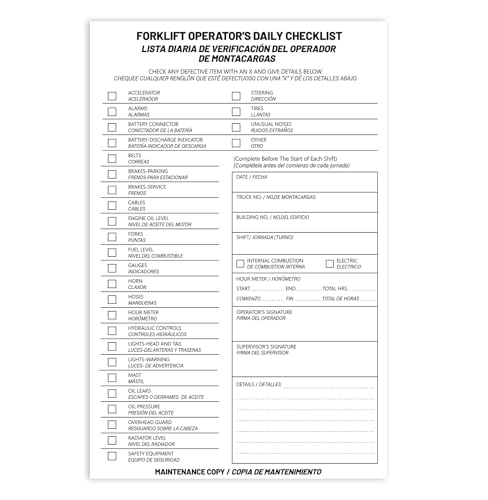
Designed to Support Daily Forklift Inspection & Recordkeeping:This book provides a structured format for operators to perform and document the pre-shift inspections required by regulations. It supports systematic checks for internal combustion forklifts


Vehicle inspection report book helps document and report needed repairs to help maintain safe workplace utility vehicles.
Create a Customized Audit Checklist for Your Workshop
Crafting a customized audit checklist is key to boosting safety and efficiency in your workshop. Think about it: how many times have you faced an avoidable accident or a near miss? Reviewing past audits and incident reports helps pinpoint recurring issues like hazardous chemicals or the proper use of personal protective equipment (PPE).
So, what’s next? Break down your checklist by specific areas such as emergency exits, equipment maintenance, and common hazards like slips, trips, and falls, as well as electrical safety. You want to ensure every corner of your workshop is covered. The best part is, there are existing templates out there, like the EHS Audit Checklist, that can guide your compliance efforts.
Now, it’s crucial to keep your checklist fresh. Regularly updating it based on audit findings and changes in operations sends a strong message about the importance of safety assessments. Honestly, if we want a culture of safety in our workshop, those checklists need to be a top priority. Incorporating a review of dust collection systems can further enhance air quality and reduce respiratory risks in your workshop.
Recommended Products

Perfect for routine safety checks, each tag includes fields for equipment ID, date, inspector name, and remarks—helping teams stay compliant and organized.

Form provides forklift operators with a safety and maintenance forklift checklist to be filled out at the beginning of each shift.

Form provides forklift operators with a safety and maintenance forklift checklist to be filled out at the beginning of each shift.
Conduct Your Audit Using Best Practices and Techniques
When’s the last time you took a hard look at workshop safety? It’s so easy to overlook the little things, but those can lead to big problems. Before diving into your workshop safety audit, it’s crucial to know what areas need your focus first. You should map out high-risk spots that need immediate attention—you’ll want to keep an eye on those.
Start by pulling together customized checklists from past audits. These can really help you pinpoint where recurring issues often show up, like problems with personal protective equipment (PPE). As you go through the audit, assign each team member a specific area to inspect. It’s all about teamwork here! Make sure everyone takes detailed notes and snaps some photos along the way; this helps to capture any hazards that needs addressing.
As you gather your findings, don’t just list them. Categorize them by severity—it’s key to tackle high-severity issues first to ensure safety doesn’t take a backseat. And once all the dust settles from your audits, having a clear and organized report makes all the difference. You’ll need to summarize your findings, suggest specific corrective actions, and lay out next steps for continuously improving safety in your workshop. Using dust separators can also help maintain a cleaner work environment by efficiently capturing dust and debris, which reduces airborne hazards and improves overall safety.
Recommended Products

【HIGH EFFICIENCY】 Our DEWALT high efficiency dust separator can capture wood chips and other debris before they enter your vacuum cleaner, reducing suction loss due to clogged vacuum filters. Saves you the cost and time of expensive filter and dust bag replacement.

Sleek Design & Easy Portability: The metal housing offers a sleek look, and the sturdy handle makes this air filtration system highly portable. With a side cord wrap design makes it easy to store the power cord (11.5 ft)

Air Filtration System:This high-efficiency dust collection unit features a unique 270° three-sided intake design that maximizes particle capture while maintaining powerful airflow (780-1080 CFM). Its multi-directional suction effectively controls airborne dust in workshops and industrial environments.
How to Identify Hazards and Document Findings Thoroughly
Identifying hazards in your workshop can feel like a daunting task, but it’s absolutely crucial for keeping everyone safe. Picture this: you’re in the middle of a project, and suddenly, you realize a piece of equipment is unsafe. What could have been avoided with a little attention to detail? A solid Workshop Inspection Checklist can be your best friend here. Make sure to give extra attention to high-risk areas like machines, electrical setups, and how you store chemicals.
As you’re scanning for hazards like slip, trip, and fall risks, don’t just check the box—document everything. You’ll want to note where each hazard is, what it is, and what risks it poses. And honestly, snapping a few photos can make your documentation even clearer. Visuals can really help showcase the potential problems at a glance.
Engaging your team during these inspections is a solid move. They often spot unsafe practices that you might miss, making their input invaluable. So, why does this matter? Because getting everyone involved means better insights and a safer work environment. By focusing on thorough documentation and encouraging your coworkers to speak up, you’re setting the stage for effective solutions.
In addition, incorporating effective dust collection systems in your workshop can significantly reduce airborne particles and improve overall safety during your projects.
Recommended Products

You Will Receive: you can get 10 vehicle inspection report, each containing 31 sets of forms; In total, you will receive 310 forms; The size of each book is 5.5 x 8.5 inches/ 14 x 21.6 cm, 2 layers, with yellow carbonless copy paper, sufficient quantity, enough to meet your usage needs, to ensure that you have enough supply to meet your needs; Whether you drive alone or manage a fleet, this package can fully meet your needs

You Will Receive: you can get 20 vehicle inspection report, each containing 31 sets of forms; In total, you will receive 310 forms; The size of each book is 5.5 x 8.5 inches/ 14 x 21.6 cm, 2 layers, with yellow carbonless copy paper, sufficient quantity, enough to meet your usage needs, to ensure that you have enough supply to meet your needs; Whether you drive alone or manage a fleet, this package can fully meet your needs

Vehicle inspection report book helps document and report needed repairs to help maintain safe workplace utility vehicles.
Classify Risks and Determine Required Actions
Have you ever stepped into your workshop and felt that knot in your stomach, wondering if everything is safe? Spotting hazards is just the first step; the real challenge is figuring out how to tackle these risks. It’s all about classifying and prioritizing.
Start by ranking your risks on a High/Medium/Low scale. This helps you focus on the most serious problems first, like those pesky electrical hazards that can turn a minor issue into something much bigger. Once you’ve got your risks sorted, group them based on the actions you need to take—think repairs, equipment needs, or updates to training for your team.
Here’s a straightforward way to move forward: assign a numeric rating from 1-5 to each hazard. This means you’ll evaluate not just the potential impact but also the likelihood of someone getting injured. It’s a clear way to see what needs your attention right away. And don’t forget to map out where these hazards are—especially in storage areas—so nothing slips through the cracks. Assigning deadlines for each action item can really help keep you on track. Using dust filtration systems effectively also plays a key role in reducing airborne hazards in woodworking workshops.
Recommended Products

AWARD-WINNING AND PATENTED LOW-PROFILE DESIGN: The Dustopper “PRO” version awarded “Most Innovative Concept Award” at the 2023 National Hardware Show in Las Vegas. Fine Woodworking Magazine editor-at-large says this, “…I like the new Dustopper PRO best.”

Circulate up to 1,300 cubic feet of air per minute

【HIGH EFFICIENCY】 Our DEWALT stainless dust separator can capture wood chips and other debris before they enter your vacuum cleaner, reducing suction loss due to clogged vacuum filters. Saves you the cost and time of expensive filter and dust bag replacement.
Create an Effective Audit Report to Drive Improvements
Creating an effective audit report can feel like a daunting task, but it’s crucial for making workshops safer. Have you ever wondered what happens when safety issues are ignored? The reality is that detailed notes taken during the audit can shine a light on problems that need fixing, so let’s talk about how to make that happen.
Start by summarizing what you looked at during the audit and the key findings. It helps to break down your findings by location, description, and severity. That way, it’s much easier to pinpoint urgent issues that require immediate attention. For each urgent finding, make sure to suggest specific corrective actions, and don’t forget to assign responsibilities. Accountability is key, after all.
Here’s the trick: Visuals can help make your report clearer and show trends at a glance. Tables or charts can break down complex data and make it easier for everyone to grasp. Plus, at the end of your report, lay out clear next steps along with a timeline for implementing changes. This isn’t just busy work; it’s a path toward continuous safety improvements that can lower risks in your workshop. Additionally, incorporating safety features and certifications into your evaluation can enhance the reliability of your safety audit by ensuring equipment meets established standards.
Frequently Asked Questions
What Are the Steps for Conducting a Safety Audit?
Did you know 75% of workplace incidents stem from unrecognized hazards? To conduct a safety audit, we should focus on audit procedures, checklist development, risk assessment, hazard identification, employee training, and compliance evaluation.
What Are 5 Safety Rules in a Workshop?
In our workshop, we prioritize safety gear usage, hazard recognition, regular tool maintenance, emergency procedures readiness, and continuous risk assessment through training programs. Together, we create a safer environment for everyone involved.
What Is a Safety Audit Checklist?
A safety audit checklist’s our tool for checklist creation, helping in risk assessment, compliance evaluation, and hazard identification. It guarantees we meet workshop standards and maintain a safe environment for everyone involved.
What Does a Safety Audit Consist Of?
We once found serious equipment maintenance issues during a safety audit. It consists of hazard identification, risk assessment, compliance evaluation, and employee training to guarantee safety standards are met and risks are minimized effectively.


