As an Amazon Associate, we earn from qualifying purchases. Some links on this site are affiliate links at no extra cost to you. Our recommendations are based on thorough research and editorial judgment.


Emergency Lighting Requirements for Workshop Safety

When it comes to workshop safety, have you ever thought about the importance of emergency lighting? If the power goes out, you want to make sure everyone can find their way without tripping or losing their cool.
To keep your workshop safe, you’re really going to want to follow some strong lighting standards. For instance, you need at least 10 foot-candles of brightness and compliant exit signs to help guide workers during those unexpected blackouts.
Now, keeping that emergency lighting in top shape isn’t just a “nice-to-have” but a must. Regular checks are where it’s at! Think about doing quick monthly tests lasting at least 30 seconds.
And then, once a year, commit to a longer test of 90 minutes. This is how you can make sure those lights are ready when you need them most.
Here’s the trick: using a mix of maintained and non-maintained lights is a great approach, and LED lights are often the way to go. They’re energy-efficient and last longer, which means both safety and savings in the long run.
So, why does this matter? It’s all about creating a safe environment for you and your team. If something goes wrong, the last thing you want to worry about is whether your emergency lighting is up to snuff.
If you’re hoping to dive deeper into installation and maintenance best practices, there’s a lot of helpful info out there. Safety shouldn’t be an afterthought!
To wrap it up, making sure your emergency lighting is reliable can save lives. What steps will you take this week to enhance workshop safety?
Key Takeaways
- Workshops require a minimum of 10 foot-candles of illumination for safety during emergencies and regular operations.
- Maintain proper emergency lighting along exit paths to provide at least 1 foot-candle during evacuation.
- Conduct monthly visual checks and annual tests lasting at least 90 minutes to ensure emergency lights function correctly.
- Incorporate automated self-testing emergency lighting systems to simplify maintenance and ensure consistent functionality.
- Ensure all emergency lighting and exit signs comply with NFPA standards and UL 924 visibility requirements.
Emergency Lighting Standards for Workshops

Have you ever thought about what would happen in your workshop if the lights went out? It’s a pretty scary thought, but having a solid emergency lighting plan can help keep everyone safe. Emergency lighting is crucial during power outages and emergencies, and getting it right isn’t just a good idea – it’s a must.
To stay on top of safety regulations, follow the NFPA 101 standards. Here are a few important points to remember:
- Emergency lighting needs to give off at least 1 foot-candle along the paths people exit, and when they’re walking, it should brighten up to 10 foot-candles.
- Make sure those lights kick in automatically within 10 seconds of losing power. You want people to see where they’re going without delay.
- It’s smart to mix maintained and non-maintained lights. This way, you keep things lit up all the time, which is a safer option.
Think about it: OSHA also has its own requirements. For general areas, you need a minimum of 5 foot-candles, but workshops really ought to have 10 foot-candles. Honestly, nobody wants to fumble around in the dark, especially when tools and machinery are involved. So, why does this matter? Because safety isn’t just about having lights; it’s about the right ones.
It’s essential to keep those emergency lights in tip-top shape. Don’t forget to carry out regular testing. Aim for monthly checks that last about 30 seconds and a more thorough 90-minute test at least once a year. Regular testing assures you that when it really counts, your systems will work.
In addition, pairing emergency lighting with fire safety equipment like dry chemical extinguishers can further enhance overall workshop safety.
Why Is Emergency Lighting Vital for Worker Safety?

Have you ever thought about what would happen if the lights suddenly went out at work? Emergency lighting isn’t just some fancy feature; it’s a crucial part of ensuring everyone’s safety during those unexpected moments. When the power goes out, this system jumps into action, lighting up exit paths so folks can see where to go.
To keep everyone safe, the Occupational Safety and Health Administration (OSHA) has set a standard requiring at least 5 foot-candles of light along exit routes. That’s not just a suggestion; it’s a rule we need to follow. Plus, according to the National Fire Protection Association (NFPA) 101 code, the lights should keep shining for at least 90 minutes. This gives you and your coworkers enough time to make a safe exit without fumbling around in the dark.
Mixing maintained and non-maintained lighting options helps us cover all bases. It means that when it’s business as usual, the lights are on, but when there’s an emergency, backup lighting kicks in. Regular checks are essential—don’t forget those monthly inspections and the annual 90-minute tests. They’re key in making sure your emergency lighting works when you need it most. Additionally, maintaining compliance with OSHA standards for safety equipment further enhances the overall protection of workers during emergencies.
Key OSHA Regulations on Workshop Emergency Lighting

When it comes to emergency lighting in workshops, it’s not just a nice-to-have—it’s a vital part of keeping everyone safe. You might be wondering, why does it matter? Well, the Occupational Safety and Health Administration (OSHA) has set specific standards we need to follow. Here are the basics: general areas need at least 5 foot-candles, while workrooms and shop areas should have a minimum of 10 foot-candles. This isn’t just a suggestion; it’s crucial for making sure tasks can be done safely, even when the lights go out.
For first-aid stations and offices, the brightness needs to ramp up to 30 foot-candles. This ensures that, in the heat of the moment during an emergency, visibility isn’t compromised. And don’t forget about loading platforms; they require at least 3 foot-candles to handle materials safely. You might ask, what about exit signs? They have to be visible and well-illuminated, placed just right so everyone can find their way out in a pinch.
Also, consider how high your light fixtures are mounted. It’s a good practice to keep them at least 7 feet above work surfaces. This not only offers some durability but keeps them protected from accidental damage.
Ensuring the proper balance between durability and maintenance ease in emergency lighting fixtures can significantly extend their effectiveness and lifespan.
To recap, getting emergency lighting in check isn’t just about compliance, it’s about protecting everyone who steps into that workshop. Are you ready to make your workplace safer today?
Recommended Products

Security First - Our emergency lights have two adjustable LED lamp heads, providing ample lighting at multiple ranges. Emergency lights become your safety savers when there are power outages, fires, or other emergencies from accidents.

⭐ Top Rated Emergency Exit Sign with Adjustable Lights

Choosing the Right Emergency Lighting System for Your Workshop
Choosing the Right Emergency Lighting System for Your Workshop
Have you ever thought about what would happen in your workshop during a power outage? It’s tough to keep momentum when the lights go out, and safety is a priority. Selecting the right emergency lighting system is crucial not just for regulations but for your peace of mind.
To ensure you have the best protection in place, consider using a mix of maintained and non-maintained emergency lighting fixtures. This way, you’ll have continuous light when the power is on and fixtures that kick in automatically when it’s not. Aim for at least 1 foot-candle (that’s about 10.8 lux) along exit paths, as you’ll want to meet the NFPA Life Safety Code standards.
Now, if you haven’t already, think about making the switch to LED lighting. The longevity is impressive; many of these lights can last up to 50,000 hours, which also means lower energy costs for you. When it comes to exit signs, make sure they’re battery-operated and visible from at least 100 feet away to stick to those UL 924 guidelines.
For optimal illumination during emergencies, choose LED emergency lights with a high lumens output to ensure your entire workshop area is safely illuminated.
So, why does all this matter? Regular testing is a big part of keeping your lighting systems reliable. Schedule monthly 30-second checks along with annual 90-minute tests. Trust me, staying on top of this can pay off.
In a nutshell, investing in the right emergency lighting system combined with regular maintenance can make a world of difference when unforeseen situations arise. What steps are you taking to ensure your workshop is prepared?
Recommended Products

24 High flux LED's

LSF5 SERIES. ASD LED STAIRWELL FIXTURE WITH MOTION SENSOR AND BATTERY BACK-UP has a narrow, low-profile design. Durable commercial grade housing resistant to rust and impact along with an anti-glare PMMA lens provide many years of use. Design of the fixture allows to connect multiple fixtures together with connection bracket (ASIN B0D7MM6P9G, Sold Separately). It is designed to operate on 120-277V circuits with a 0-10V dimmable driver.

✅ 3-Level Adjustable Power & Color This 9-in-1 LED High Bay Light offers flexible 240W/200W/150W wattage and Warm(4500K)/Neutral(5000K)/Cool(5700K) color options. Easily adapt lighting to match any environment, mood, and energy-saving goal
Best Practices for Installing Emergency Lighting Systems
When you’re trying to keep your workshop safe, have you thought about how a power outage could throw things into chaos? It’s crucial to conduct a thorough risk assessment so you can pinpoint all the exit paths and key areas that need light. Installing maintained emergency lighting fixtures is a smart move. These provide consistent illumination and you should aim for at least 1 foot-candle along exit routes to guide people safely.
And what about those emergency exit signs? They need to be clearly visible from every angle, with lettering that’s at least six inches tall to meet UL 924 requirements. You don’t want anyone scrambling in the dark trying to find their way out!
The National Fire Protection Association has set standards for emergency lighting systems, and keeping up with them is non-negotiable. Monthly tests for 30 seconds and an annual test for 90 minutes sound tedious, but they’re vital for safety. Keep a detailed maintenance log of all inspections and repairs. This not only proves you’re compliant but also ensures your emergency lighting will actually work when it’s needed most.
Honestly, putting these pieces in place might seem like a hassle, but think about the peace of mind you’ll have knowing you’re prepared. Have you checked your emergency lighting lately? Remember, safety is all about the regulations compliance.
Recommended Products
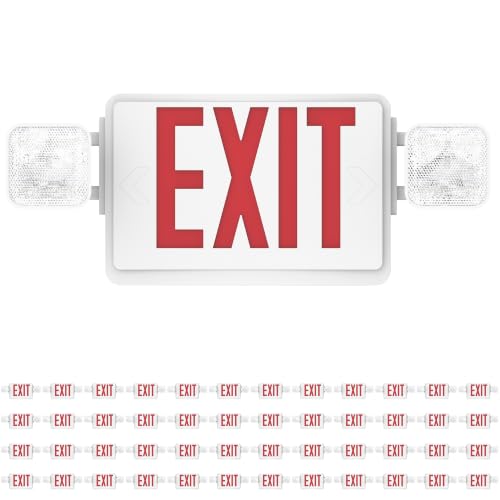
⭐ Top Rated Double Sided Emergency Exit Sign with Adjustable Flood Lights and Red Letters

GUARANTEED SAFETY】Spectsun waterproof emergency lights approved by UL 924 and CUL LISTED certificate and complies with United States fire inspection and International Fire Code. The emergency lighting is made of injection-molded, flame-retardant and high impact thermoplastic housing. This will not age after prolonged .(5 Years Warranty).

⭐ Top Rated Red LED Emergency Exit Sign with Adjustable Lights
Testing and Maintaining Your Emergency Lighting: Best Practices
Effective oversight of emergency lighting systems doesn’t just wrap up once they’re installed; it’s all about consistent testing and maintenance to truly ensure they’ll shine when you need them most. Have you ever thought about how critical those lights can be in an emergency? That’s why you should aim to conduct monthly tests that last at least 30 seconds. This quick check helps confirm that the lights activate correctly, keeping in line with NFPA 101 guidelines.
But don’t stop there. An annual test is also vital, and it should last a full 90 minutes. Why? This lengthy check guarantees you’re meeting that crucial minimum illumination standard of 1 foot-candle along egress paths. Plus, incorporating regular maintenance is a must—make sure you’re visually inspecting the lights for any signs of damage and keeping an eye on battery backups.
Here’s the trick: keep detailed records of all your testing and maintenance. This isn’t just good practice; it also helps you stay compliant with safety regulations and makes life easier when it’s time for audits by Authorities Having Jurisdiction (AHJs).
Frankly, if you want to simplify the whole process, consider using automated self-testing units. They can routinely check functionality and report any issues for you—saving you time and hassle.
Additionally, just as fire extinguisher cabinets require compliance with OSHA and NFPA standards, your emergency lighting systems must also adhere to relevant regulatory guidelines to ensure comprehensive safety.
In short, staying on top of your emergency lighting systems is crucial for safety. So, how prepared are you for an emergency lighting check?
Recommended Products
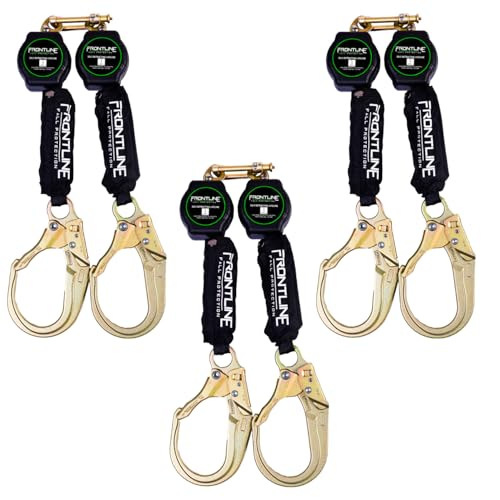
Webbing provides continuous fall protection without any obstacles keeping the lifeline out of worker’s way reducing snags, trip falls, worker fatigue therefore increasing productivity and user comfort

90 Min Emergency Lighting : Our Emergency Recsssed Lights have a built-in emergency backup battery that provides power for at least 90 minutes in the event of a power outage. With a self-test function and test button on the panel, this emergency kit is designed to meet many types of security and general lighting needs.

🌞【Efficient & Durable】--This 12W/1200 Lumen LED emergency wall light has built-in 4.8V 1800mAh nickel-cadmium battery, which can keep on for at least 90 minutes after a power failure, and maximum 24 hours for full recharge time,The replaceable battery used in led emergency exit light can be recharged AC 120-277V more than 600 times.It approved by UL 924 certificate and comply with commercial grade. it's the ideal solution for your power outages and keeping your family safe in an emergency.
Avoid These Common Emergency Lighting Mistakes
One common mistake people make with emergency lighting is not testing it regularly. Have you ever thought about what you’d do in a power outage? Emergency lighting is meant to be your safety net during those critical moments. Monthly tests are not just a good idea; they’re essential to catch issues before they become real problems. Plus, keep in mind that codes like NFPA 101 require these checks for a reason.
Now, let’s talk about brightness. Did you know that your emergency lights should provide at least 1 foot-candle in exit paths and 10 foot-candles in stairwells? If you don’t have enough light, you might as well be trying to navigate a dark maze when everything goes awry. Installing lights that don’t give enough backup power can really put you in a bind. It’s a simple fact: you need to be able to see where you’re going to get out safely.
Another biggie is using lights that don’t meet compliance standards. It might seem easier or cheaper, but relying on non-compliant emergency lights can lead to failures when you really need them. So, do your homework and understand your local regulations. This not only keeps you safe but also prevents any compliance headaches down the road.
In addition, ensuring proper filtration and air quality in your workspace, as achieved by devices with filtration efficiency, complements emergency safety by reducing hazards that could escalate during a power outage.
In short, don’t overlook the importance of testing your emergency lighting, ensuring it’s bright enough, and using compliant fixtures. It could make all the difference when you need to find the exit. Have you checked your emergency lighting setup lately?
Recommended Products

⭐ Top Rated Emergency Exit Sign with Adjustable Lights

【5 YEAR'S WARRANTY 】Spectsun lighting red exit signs.Led red exit signs Long-lasting Epstar SMD LED light; Charging time 24 hours, discharge time 90 minutes.
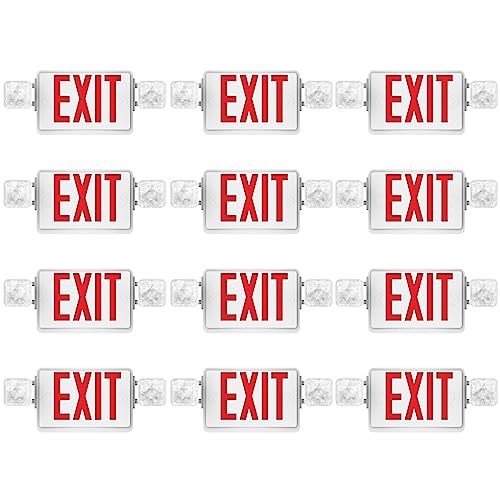
⭐ Top Rated Red LED Emergency Exit Sign with Adjustable Lights
Frequently Asked Questions
What Are the Lighting Requirements for a Workshop?
In our workshop layout, we prioritize task visibility through energy-efficient lighting controls and comfortable colors. Regular maintenance schedules and safety training guarantee we create a safe, productive environment for everyone involved in the workshop.
What Are the Minimum Requirements for Emergency Lighting?
We need to guarantee our emergency lighting meets safety compliance by providing adequate illumination levels along evacuation routes during a power outage, while also implementing regular lighting maintenance to address workshop hazards effectively.
What Is the OSHA Rule for Lightning?
We’re all about ensuring safety here, right? OSHA compliance emphasizes proper lighting design for effective hazard identification. Workshops need adequate illumination, so let’s prioritize electrical standards and schedule regular safety inspections for emergency procedures.
What Are the NFPA Requirements for Emergency Lighting?
The NFPA codes require proper illumination levels at emergency exits, lighting duration of at least 90 minutes, automated backup power, and regular maintenance schedules to guarantee workplace safety and effective exit signage during emergencies.


