As an Amazon Associate, we earn from qualifying purchases. Some links on this site are affiliate links at no extra cost to you. Our recommendations are based on thorough research and editorial judgment.

First Aid Station Setup: Essential Items and Placement

Setting up a first aid station can feel overwhelming, but it doesn’t have to be. You want it to be easy to find and stocked with everything you might need in an emergency—ideally within a minute’s reach.
So, what should you have on hand? Here are the essentials:
- Adhesive bandages
- Sterile gauze pads
- Antiseptic wipes
- Disposable gloves
Regular inventory checks every three months are a must. This helps ensure everything’s fresh and compliant with ANSI/ISEA Z308.1-2021 standards. You wouldn’t want to reach for an expired product in an emergency, right?
The best part is that you don’t have to figure this out alone. By assessing the specific risks in your workplace and adjusting your supplies accordingly, you’ll be better prepared to address any potential accidents or injuries.
For example, if you’re in a setting where cuts are common, you might want to stock more bandages.
So, why does this matter? Having these supplies readily available can make a real difference in how quickly and effectively you respond to an injury.
It’s all about being proactive, not reactive.
Truth is, setting up your first aid station might just save someone’s day—or even their life.
And while we’re at it, consider looking into integrating AEDs. Knowing how to use your supplies effectively is crucial, too.
In short, stay prepared and keep those essential items handy.
Are you ready to take action and make your first aid station a safe haven?
Key Takeaways
- Place first aid stations where they are accessible within 60 seconds in case of emergencies.
- Stock essential items such as adhesive bandages, sterile gauze pads, and non-latex gloves per ANSI/ISEA Z308.1-2021.
- Customize supplies based on workplace risks, including burn kits for kitchens and eye wash stations for laboratories.
- Conduct thorough risk assessments and regular reviews to keep supplies current and fit for changing environments.
- Ensure first aid kits are organized, clearly labeled, and accompanied by instructions and documentation for efficient use.
Why First Aid Stations Matter
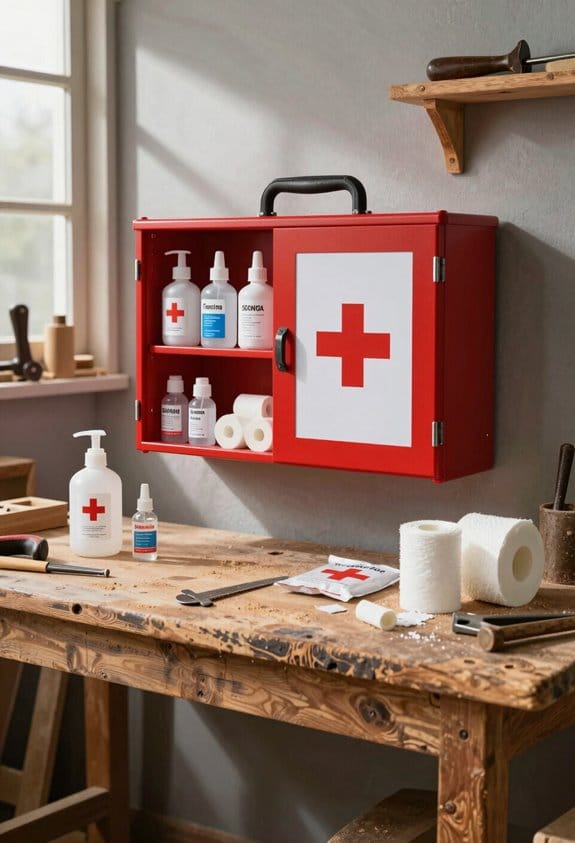
Have you ever thought about what happens when someone gets hurt at work? First aid stations are more important than you might think. They’re crucial for getting fast medical help when emergencies strike, and they serve as central hubs for first aid supplies. This means no fumbling around trying to find what you need when every second counts.
The best part is that these stations should ideally be accessible within 60 seconds from wherever you are in the building. That alone can make a huge difference in how quickly someone gets the care they need. But don’t just set them up and forget about them. It’s vital to conduct thorough risk assessments that focus on the specific dangers in your workplace. What supplies do you really need in case of an accident or injury?
Also, let’s be real: compliance with safety regulations isn’t just a checkbox. It’s essential. You should stock your first aid stations according to standards like ANSI/ISEA Z308.1-2021. This doesn’t just keep you compliant; it also boosts safety and prepares your workplace for a wide range of injury scenarios. Regular inspections and restocking of supplies are necessary to ensure readiness for emergencies and maintain compliance with OSHA and ANSI standards.
Key Supplies Every First Aid Station Should Have
Setting up a first aid station isn’t just about having a place to treat injuries; it’s about making sure you have the right stuff when you need it most. Ever found yourself scrambling in an emergency, only to realize you’re missing key supplies? It’s a common scenario, but with a little planning, you can avoid that panic.
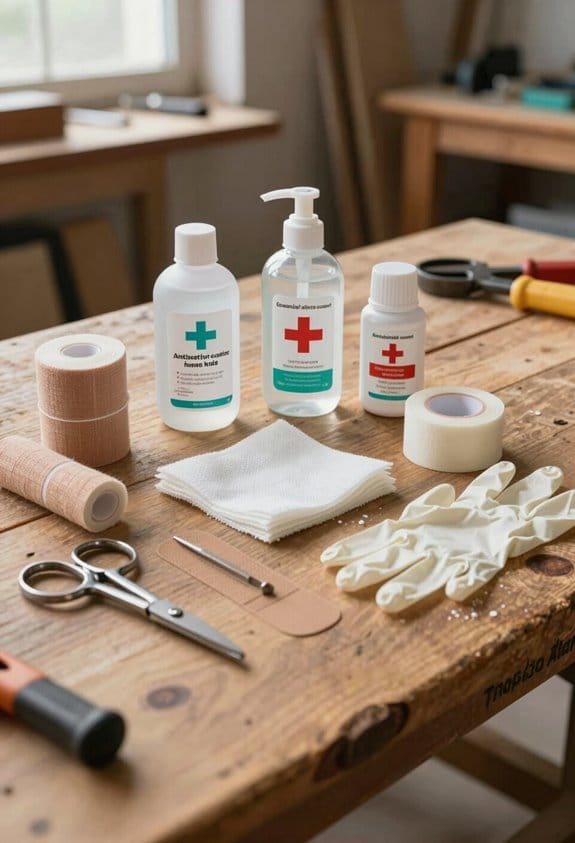
Start by ensuring your first aid kit has the essentials. You’ll definitely want a variety of adhesive bandages – trust me, they come in handy more than you think. Throw in some sterile gauze pads and adhesive tape for effective wound management. Don’t overlook an emergency blanket; it can make a huge difference in cases of shock or exposure to the cold.
Are you prepared for minor injuries? Antiseptic wipes and antibiotic ointment packets are lifesavers for cleaning cuts and preventing infections. And let’s not forget a pair of non-latex gloves—hygiene is key when treating anyone.
The best part is, having a first aid manual on hand can really boost your confidence. It’s like having a personal guide during an emergency; it can help you feel a bit more in control when things get chaotic. What could be more reassuring than knowing you’ve got the right resources to help someone in need?
In short, make sure your first aid station is stocked properly to handle various situations. After all, why not be prepared? Think about what essentials you might be missing today. Additionally, organizing your supplies with modular design principles can help keep everything accessible and orderly in critical moments.
Recommended Products

【Optimized Luminosity and Harmony】 The Front&Backlit Lighted Medicine Cabinet is designed to masterfully enhance functionality within your space. Equipped with state-of-the-art LED strips, this medicine cabinet delivers a dual-purpose lighting solution. The front illumination provides ample light for practical uses such as grooming and makeup, ensuring clarity and precision. Meanwhile, the backlighting casts a soft, ambient glow, enriching your room's atmosphere with a serene light.

BETTER DEFOGGING: With the medicine cabinet's built-in defogger, there's no need to worry about moisture on the mirror blocking your view. The medicine cabinet's IP54 waterproof rating ensures safety and durability in humid bathroom environments and protects against rust and corrosion
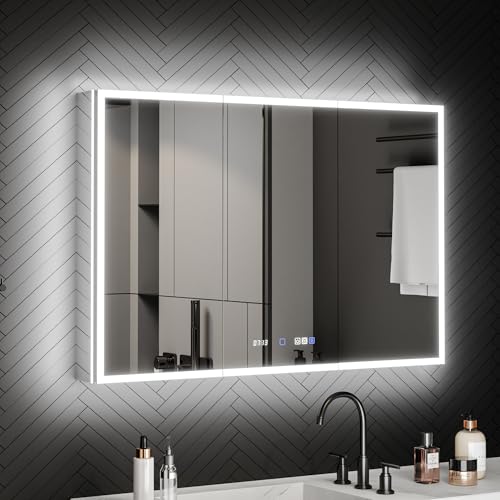
【Optimized Luminosity and Harmony】 The Front & Backlit lighted medicine cabinet is designed to masterfully enhance functionality within your space. Equipped with state-of-the-art LED strips, this medicine cabinet delivers a dual-purpose lighting solution. The front illumination provides ample light for practical uses such as grooming and makeup, ensuring clarity and precision. Meanwhile, the backlighting casts a soft, ambient glow, enriching your room's atmosphere with a serene light.
Step-by-Step Guide to Assessing First Aid Needs in the Workplace
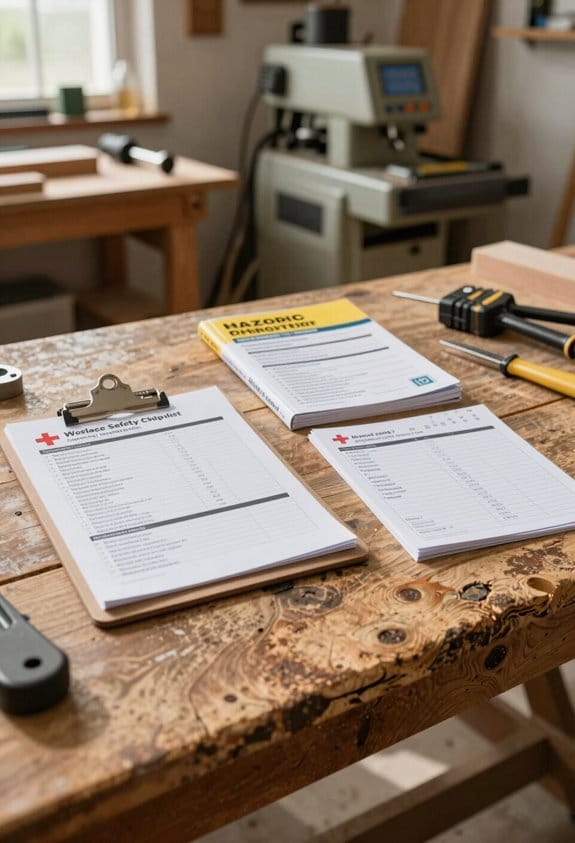
Have you ever wondered how prepared your workplace is when it comes to first aid? That’s a critical question, and assessing your first aid needs shouldn’t be taken lightly. The first step is a thorough risk assessment to pinpoint the types of injuries or health issues that might pop up in your specific environment. Consider the nature of your work and the unique risks it presents.
Looking back at your accident history can reveal a lot. What incidents happen frequently? Are there particular injuries that keep occurring? By understanding these patterns, you can tailor your first aid kits to meet those specific needs. Don’t forget to check if your supplies align with the different job roles and the hazards tied to each position.
Next up, think about where your first aid kits are located. If an employee gets hurt, can they reach a first aid kit in under a minute? Ensuring easy access can make all the difference in an emergency. It’s a small but crucial detail that can save valuable time when it matters most.
Finally, reassessing your first aid needs shouldn’t be a one-and-done deal. Regularly check and update your supplies to reflect any changes in your workplace—like new employees, shifts in job functions, or updated health regulations. Additionally, considering the use of protective gear with ANSI Z87.1 compliance can enhance workplace safety alongside first aid readiness.
Recommended Products
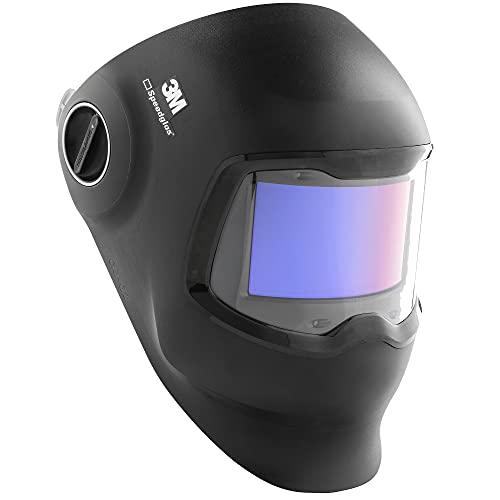
3M SPEEDGLAS CURVED GLASS TECHNOLOGY: Follows your head's curvature and the range of your peripheral vision to provide a 100% wider ADF field of view

ANSI Z87.1+ CERTIFIED IMPACT PROTECTION — Independently tested and compliant with the ANSI Z87.1+ high-impact standard to protect against flying debris, particles, and projectiles on construction sites, manufacturing floors, and industrial worksites. Also compliant with CSA Z94.3 for Canadian jobsites.

Premium Optics – The VIKING FGS Series welding helmets feature the exclusive 4C lens technology, which creates a crystal clear, true color view of the arc and puddle. This enhances your control and increases weld quality, while reducing eye strain. Additionally, the 2450 ADV Series lens has a 1/1/1/1 optical clarity rating, which showcases the absence of common lens imperfections, such as blurriness and distortion, while also providing consistent brightness and performance at an angle.
Tailoring Supplies to Your Work Environment
Ever thought about how your workplace first aid supplies might not be ready for the unique challenges you face each day? It’s super important to tailor your first aid kit to fit the specific risks in your environment. Depending on what your team is up to, the hazards can vary widely. For example, if you work in a kitchen, you’re going to need burn kits on hand. But if you’re in a lab, having eye wash stations is a must.
Take a moment to really think about where injuries might happen. Are there certain machines that could cause accidents? Or maybe you’re around chemicals that could lead to spills? Regularly checking your accident history can give you insights into what supplies you need to add to your kit. So, why does this matter? Keeping your first aid supplies relevant can make a big difference when an emergency arises.
Now, if you want to get it right, it’s a good idea to follow the ANSI/ISEA Z308.1-2021 standards. This really helps in selecting the right equipment for your specific industry. It’s about making informed choices that keep your team safe. And don’t forget to do checks often. That way, you can make sure your first aid station is stocked and ready when it counts. Additionally, considering the portability of your first aid station ensures quick access and ease of use during emergencies.
Recommended Products

Prestan Professional Manikins with feedback, 4 Adults, 4 Infants, 2 each, Med and Dark Tone

Includes 12 Dark Tone Adult Ultralite Manikins with rate and depth feedback--compliant with guidelines
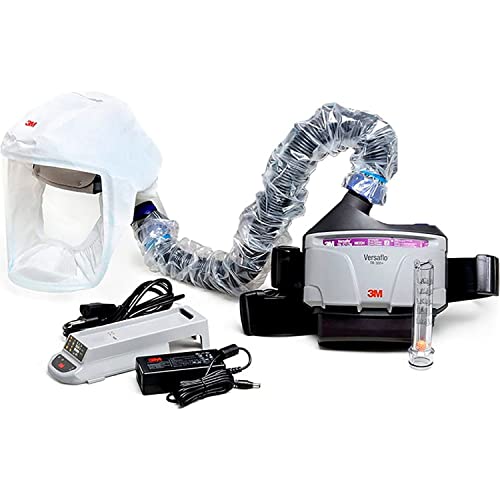
KIT HEALTHCARE PAPR VERSAFLO TR-300N+HKS
How to Keep Your First Aid Supplies Fresh and Ready
Have you ever reached for your first aid kit only to find it lacking the basic supplies you need? It’s a real concern, especially when emergencies happen without warning. To keep your first aid supplies in tip-top shape, it’s a good idea to check everything every three months.
Make a habit of looking over your kit. Check for any damage or expired items and ensure nothing’s missing. When you find expired medications, be sure to replace them right away and dispose of them properly. You don’t want anyone accidentally using expired supplies.
Here’s the trick: maintain an inventory checklist. This makes tracking what you have easy and helps prevent surprises later on. Make a note of anything you use up, so you can restock quickly. Trust me, it’s worth it to keep a fully stocked first aid station.
Setting reminders on your phone or calendar can really help too; this way, you’ll never forget to review and update your supplies, especially before big events or seasonal activities. So why skip it? Staying prepared is key to handling the unexpected with confidence.
In short, a little effort goes a long way in keeping your first aid kit ready for anything. Also, including disposable dust masks in your first aid supplies provides essential protection during emergencies involving airborne particles. How often do you check your supplies?
Recommended Products


Pro Series Design: Equipped with hospital-quality tools, this professional first aid kit ensures preparedness for backcountry emergencies

Comprehensive Emergency Kit: Contains a variety of first aid supplies, including 2 tourniquets, a vented chest seal, an Israeli bandage, and a hemostatic blood-clotting gauze pad; Treat complex injuries like burns, eye injuries, sprains, and more
The Importance of First Aid Training for Effective Response
Have you ever found yourself in a situation where you wished you knew what to do in an emergency? It’s a scary thought, right? That’s why keeping our first aid supplies up to date is just part of the equation. Knowing how to respond effectively when the unexpected happens is just as crucial.
First aid training can literally be a lifesaver. It gives you the skills to spot different medical emergencies, and this can make all the difference in outcomes. Research shows that workplaces with trained responders tend to see a big drop in injury severity and faster recovery times. So, why does this matter? Because when the stakes are high, every second counts.
A big part of this training involves knowing how to use things like automated external defibrillators (AEDs). It’s not just a fancy gadget; knowing how to use one can help you act quickly during a cardiac event. When you’ve practiced these skills, you feel more confident jumping into action when it’s needed most.
Regular training isn’t just nice to have; it builds your self-assurance. Imagine facing a critical moment and knowing what to do without a second thought. Honestly, that kind of preparedness is invaluable. The Occupational Safety and Health Administration (OSHA) recommends we provide this vital training to employees, which cultivates a workplace culture centered around safety and readiness.
For effective emergency response, using equipment such as extension cords with safety certifications ensures reliable power for medical devices when needed.
Integrating AEDS Into Your First Aid Station
Have you ever thought about what would happen in your workplace if someone went into cardiac arrest? It can be a real shocker, and let’s face it, survival rates drop significantly after just a few minutes. That’s why integrating Automated External Defibrillators (AEDs) into our first aid stations is so important.
When it comes to placing these life-saving devices, think strategically. They should be easy to grab within a minute from anywhere in the office. This kind of accessibility can make a huge difference when every second counts. You might also want to think about setting up an AED program to elevate your emergency response capabilities.
Regular training for staff on how to use AEDs is a must. Not everyone is familiar with these devices, and let’s be honest, knowing how to operate one can really save a life during those critical moments. Plus, staying compliant with local regulations will ensure that everything is in order when you need to rely on your AEDs.
Additionally, just as with respirators, proper maintenance and usability of your AED equipment is essential to ensure it functions correctly when needed.
Recommended Products

Philips HeartStart M5066A-C02BPB OnSite AED Defibrillator is a virtually ready to use emergency medical device for cases of suspected sudden cardiac arrest

Philips HeartStart M5066A-CO2VPB OnSite AED Defibrillator is a virtually ready to use emergency medical device for cases of suspected sudden cardiac arrest

Philips HeartStart M5066A-R01 OnSite AED Defibrillator is a virtually ready to use emergency medical device for cases of suspected sudden cardiac arrest
Effective Use of First Aid Supplies in Emergencies
When an emergency strikes at work, how quickly can you get to a first aid kit? Ideally, you should be able to reach one within 60 seconds, no matter where you are in the building. It’s a small detail, but having first aid supplies close by can be a lifesaver.
A solid first aid kit should have essentials like absorbent compress dressings, adhesive bandages, antiseptic wipes, and gloves. These supplies can tackle a wide range of injuries, from minor cuts to more serious wounds. But it doesn’t stop there. The best part is keeping that kit well-stocked and up-to-date. Regularly check for expired items and replace them to make sure you always have what you need when it counts.
Now, here’s a tip: make sure everyone knows where the first aid supplies are kept and what’s inside them. If you’re familiar with your resources, you’ll feel more confident in a crisis. So, why does this matter? Because confidence boosts your response efficiency during emergency incidents.
Another point to consider is to take a systematic approach to track and review past injuries at your workplace. This is a great way to fine-tune your first aid supplies based on the specific risks related to your environment. Honestly, knowing what you’re dealing with can help you prepare better and might even prevent some incidents in the first place.
In short, being ready for emergencies at work is all about accessibility and preparation. Installing equipment like fire extinguisher brackets at recommended heights ensures safety resources are within reach alongside first aid kits. Are you ready to take that first step?
Helpful First Aid Documentation and Instructions
Have you ever been in a situation where someone needed first aid, and you were stuck fumbling around looking for supplies? It’s a stressful moment, and having an organized first aid station can make all the difference. Sure, you need the right supplies, but what’s often overlooked are the clear instructions and documentation that come along with them.
One of the best things you can do is to put up signs and posters that show the best practices for giving first aid. It’s not just about knowing what to do; it’s about having a visual reference when you’re in the heat of the moment. Make sure there’s also a clear map indicating where everything is located. Emergency First Aid guidelines should be front and center so they’re easy to grab during a crisis.
Now, think about how often safety protocols change. Keeping documentation updated isn’t just a suggestion—it’s crucial. A solid checklist for every item in your kit, along with instructions on how to use them, ensures you’ve got everything under control. And don’t forget about keeping records of any incidents and treatments. This can really help you stay compliant with safety regulations, plus it allows you to evaluate how effective your first aid efforts are. So, why does all this matter? Ultimately, it leads to a safer environment for everyone around you.
In addition, ensuring quick access to ANSI Z358.1-2014 compliant eyewash stations is a critical part of workplace first aid preparedness.
In short, having a well-organized first aid station with easy access to supplies and clear instructions can seriously make things easier when emergencies arise. You’ve got the tools; now it’s time to make sure you’re ready for anything. Are you prepared enough to handle a first aid situation?
Evaluating and Enhancing Your First Aid Station Setup
As we think about our first aid station, it’s important to ask ourselves: can we really count on this setup when we need it most? Evaluating your station might feel like a chore, but it can seriously boost how quickly and effectively you respond to emergencies. Start by doing a risk assessment to figure out what first aid supplies you’ll really need based on potential injuries and accidents that have happened in the past.
Here’s a practical tip: make sure your first aid station is accessible within 60 seconds from anywhere in your facility. You never know when an emergency might pop up, and every second counts. Plus, it’s a great idea to restock supplies regularly and toss out any expired items. Keeping everything up to date is key.
You should also think about how to make everything clear for your coworkers. Having signs and easy-to-follow instructions can really help someone in a panic. And don’t overlook the idea of specialized kits for unique hazards you might encounter. If you tailor your station to the specific risks in your workplace, you’ll be much better prepared when something goes wrong.
Additionally, just like maintaining high standards improves safety in your shop, investing in proper equipment with impact resistance ensures reliability in critical moments.
Frequently Asked Questions
How Often Should I Inspect My First Aid Station Supplies?
We should inspect our first aid station supplies at least monthly. Regular inspection frequency guarantees timely supply replenishment and readiness for emergencies, helping us maintain a safe environment and support each other in times of need.
What Type of Containers Are Best for Organizing First Aid Items?
We find that plastic bins and stackable containers are the best options for organizing first aid items. They’re durable, space-efficient, and make it easy to access supplies quickly when emergencies arise.
Can I Use Expired Medical Supplies in Emergencies?
We don’t recommend using expired supplies in emergencies. While some may still function, their effectiveness can’t be promised. It’s best to prioritize safety and replace expired items to guarantee proper care when needed most.
How Do I Choose the Right Location for a First Aid Station?
Choosing the right location for a first aid station is like finding a lighthouse guiding ships to safety. We should consider indoor locations with easy access and outdoor locations shielded from elements, ensuring readiness during emergencies.
Should My First Aid Station Be Accessible to Everyone?
Absolutely, our first aid station should be accessible to everyone. Ensuring first aid accessibility facilitates quicker responses during emergencies, especially when our team has undergone emergency training to handle various situations effectively.


