As an Amazon Associate, we earn from qualifying purchases. Some links on this site are affiliate links at no extra cost to you. Our recommendations are based on thorough research and editorial judgment.

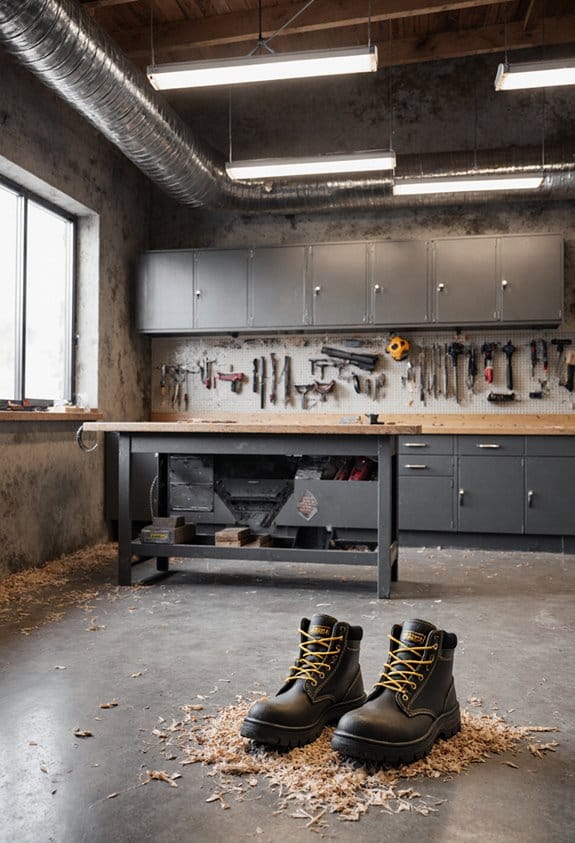
Steel Toe vs Composite Toe Safety Boots: The Differences

Choosing the right safety boots can feel overwhelming, especially when you’re torn between steel toe and composite toe options. So, what really sets them apart?
Steel toe boots are known for their impressive impact resistance. They meet ASTM F2413 standards by withstanding 75 pounds of force. Sounds solid, right? But here’s the catch: they can be heavy and might wear you out during those long shifts.
On the flip side, composite toe boots are a lighter, non-metallic alternative. They shine in cold or wet conditions, since they won’t conduct heat or cold like their steel counterparts.
Plus, they’re perfect if you work in environments with metal detectors, as they won’t set those off.
When weighing your options, think about your daily needs: Do you need maximum protection, or is comfort a higher priority?
Honestly, it might just boil down to what you’re most comfortable with and what your work environment demands.
In the end, whether you lean towards steel toe or composite toe, it’s crucial to pick the right pair that keeps you safe without sacrificing comfort.
What’s your top priority when it comes to footwear on the job?
Key Takeaways
- Steel toe boots offer maximum impact resistance and are ideal for high-risk environments with heavy machinery, while composite toe boots prioritize comfort and mobility.
- Composite toe boots are lighter and do not conduct heat or cold, making them better for extreme weather conditions compared to steel toe options.
- Both types of boots must comply with ASTM F2413 and ANSI standards to ensure necessary protection against foot injuries in various workplaces.
- Common misconceptions include the belief that OSHA exclusively requires steel toe boots; both steel and composite can meet safety regulations.
- Choosing the right boot type can enhance safety when paired with appropriate personal protective equipment (PPE) in hazardous work environments.
Deciding Between Steel and Composite Toe Boots
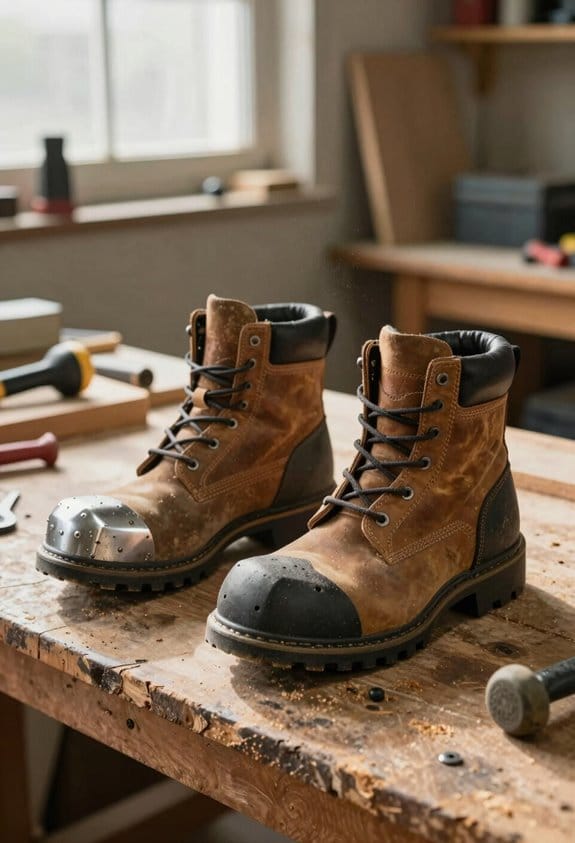
When you’re trying to choose between steel and composite toe boots, you might be wondering what really makes a difference for your needs. It’s not just about looks; comfort and durability are crucial if you’re spending hours on your feet. Steel toe boots have a reputation for their strong impact resistance, making them perfect for heavy-duty jobs. But then there are composite toe options, which are lighter and generally more comfortable—ideal for those who need to move around a lot.
Both types of boots meet the ASTM F2413 standards, meaning they can handle 75 pounds of impact and 2,500 pounds of compression. Still, there are some key differences to consider. For instance, composite toe boots tend to shine in extreme weather because they don’t conduct temperature. This can make a serious difference when you’re working in cold or hot conditions. Plus, they pass electrical hazard testing, which is a safety feature that steel toe boots don’t always provide. So, if you’re often around electrical hazards, composite might be the way to go.
Think about your work environment and needs. Are you working in heavy machinery, or are you on the road moving around a lot? Steel might be your best bet if you need maximum protection from tough impacts. Conversely, if you’re more concerned about comfort and flexibility, composite toes could be the better choice.
Whichever you lean toward, make sure it fits well; a great boot means nothing if it doesn’t feel right on your feet. So, what’s most important to you: protection or comfort? Balancing those needs may help you make your best choice. Remember to pick the right boot for your specific situation!
Additionally, selecting footwear with appropriate insulation quality can enhance comfort during extended wear in varying temperatures.
Recommended Products

Includes removable plastic cover, allowing bollards to be filled with concrete for extra reinforcement

Black Prime Waterproof, Flame, and Cut-Resisting Leather upper

Two large front inlet ports and a ventilated shinplate deliver continuous airflow for optimal cooling and heat exchange.
Safety Boot Standards: ASTM & ANSI Overview
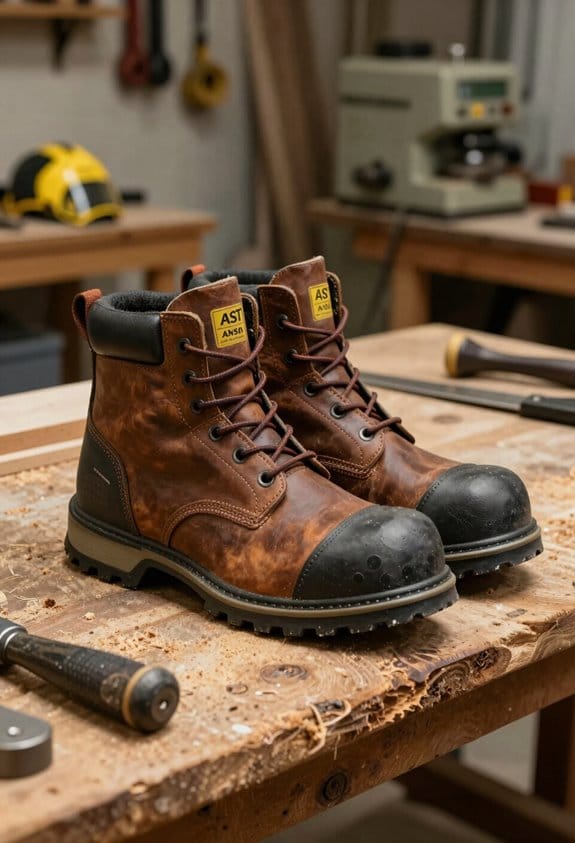
When it comes to finding the right safety boots, you might be left scratching your head over the various standards. Ever wondered what ASTM and ANSI really mean for your footwear choices? The ASTM standards, especially F2413, lay down some solid rules for safety toe boots. This means both steel toe and composite toe boots need to withstand a hefty 75 pounds of impact and handle up to 2,500 pounds of compression. Those specs are no joke when you’re in a hazardous job.
On the other hand, we’ve got ANSI standards, which go a step further by making sure that protective toe caps are there to stay. These caps are tested to keep their strength under tough conditions. So, why does this all matter? Meeting these standards isn’t just about fitting into workplace regulations—it’s about protecting your feet from potential injuries.
Try this: when you’re shopping for safety boots, don’t just grab the first pair you see. Look for those that proudly display ASTM and ANSI certifications. It’s a simple way to ensure you’re getting quality protection. Trust me, your feet (and your peace of mind) will thank you. Additionally, choosing footwear systems with durability and quality similar to those emphasized in dust collection materials can extend the life and effectiveness of your safety boots.
Recommended Products

NFPA 1951, NFPA 1971, NFPA 1977, NFPA 1990(1992), ASTM F2413 & CAN/CSA-Z195 certified

10 inch tall 2.8mm thick full grain leather uppers

NFPA 1971, NFPA 1990(1992), ASTM F2413 & CAN/CSA-Z195 certified
Key Differences Driving Your Choice: Steel vs. Composite Toe Caps
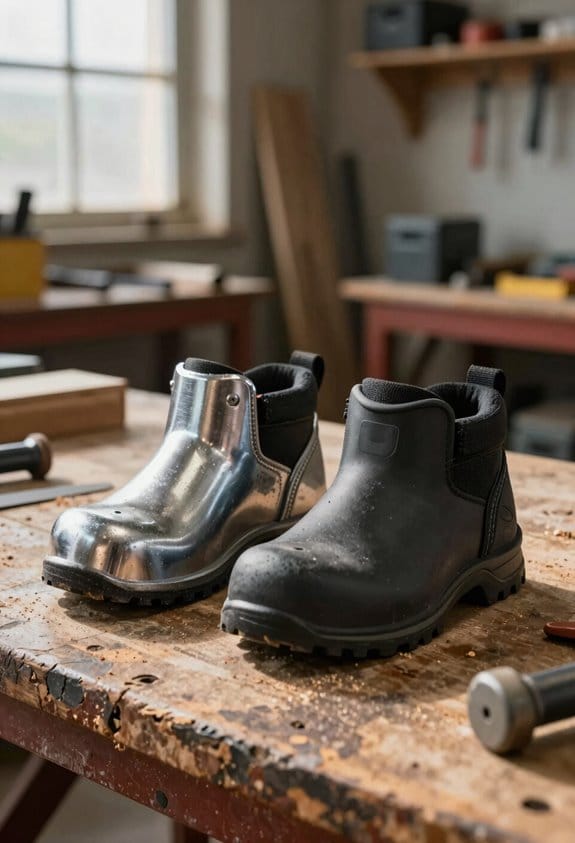
When you’re in a job that requires protective footwear, choosing the right toe cap can feel overwhelming. Steel or composite? They both meet strict safety standards, but they have some key differences that will impact your daily comfort and safety.
Steel toe caps are known for their durability, but there’s a catch: they can be pretty heavy. If you’re on your feet all day, that extra weight might lead to some serious fatigue. On the flip side, composite toe caps are much lighter, which means you could feel a lot more comfortable during long shifts. Plus, if you’re working in extreme weather, composite options are often better since they don’t transfer heat or cold the way steel does.
Here’s the trick: if you work in a place with metal detectors, composite toe caps are typically non-metallic and get you through without a hitch. Cost-wise, steel toe caps usually take the lead as the more affordable option. But don’t overlook composite materials like Kevlar or carbon fiber—they can be super durable and could help reduce the risk of injuries over time.
So, what’s the best choice for you? Think about what you’ll be doing in those shoes every day. Comfort, safety, and even budget can play a big role in your decision. At the end of the day, you want to make sure your feet are protected without feeling worn out by the weight of your footwear.
Truth is, taking the time to choose the right option can make a significant difference in your work experience and well-being. What’s most important to you when picking out your work shoes? In addition to protective qualities, considering the health and safety benefits of your work gear can enhance your overall workplace well-being.
Recommended Products

RACE READY HELMET KIT: Includes Moto 8.5 Composite Helmet, FREE Velocity 5.5 goggles, PLUS Visor Extension and Helmet Bag
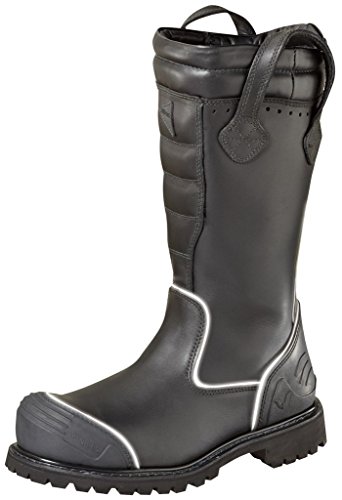
Flexible L-Protection Puncture-Resisting Insole Material Shaft Vapor Exhaust Vents Super Reinforced Leather Pull Straps Flexible Goodyear Storm Welt Construction 3M Scotchlite Reflective Material - High Visibility Piping
Black Prime Waterproof, Flame, and Cut-Resisting Leather upper
Best Environments for Steel and Composite Toe Boots
Selecting the right environment for your steel and composite toe boots can feel overwhelming, especially if you’re not sure what you really need. Different settings demand different features, so let’s break down what each type does best.
Steel toe boots are your go-tos in high-risk areas like construction sites or factories. If heavy machinery is your daily grind, these boots are built tough for that kind of work. They don’t just protect your toes; they offer that durability that can withstand the wear and tear of rugged jobs. On the flip side, do you often work in wet or cold conditions? Composite toe boots shine in those situations. They’re lighter and made from non-conductive materials, which makes them a smart choice for electrical work where you need that extra protection from electrical hazards.
Think about it: how often do you have to walk through metal detectors? If you’re tired of your boots setting off alarms, there’s good news. Composite toe boots won’t trigger those security systems, allowing you to breeze through without any hassle. When you’re working in an environment that really puts your gear to the test, steel toe boots are reliable allies thanks to their toughness. But, if warmth and insulation are what you’re after, then composite toe models really keep your feet cozy in various conditions.
In the end, understanding where you’ll be wearing your boots is key to making the right choice. Steel toe for heavy-duty protection or composite toe for lighter, insulated comfort? Both have their place, depending on your needs. What’s it going to be for you?
Additionally, just like choosing the right protective gear for your knees, considering durability and comfort is essential when selecting boots for prolonged use.
Recommended Products

Motorcycle-Ready Design: 11-inch pull-on design built for motorcycle enthusiasts seeking reliable performance and protection.

BUILT FOR PROFESSIONAL CLIMBERS – Designed for linemen, arborists, and utility workers, the Wesco Highliner 16" Boot delivers dependable support, stability, and protection for demanding climbing and outdoor work environments.
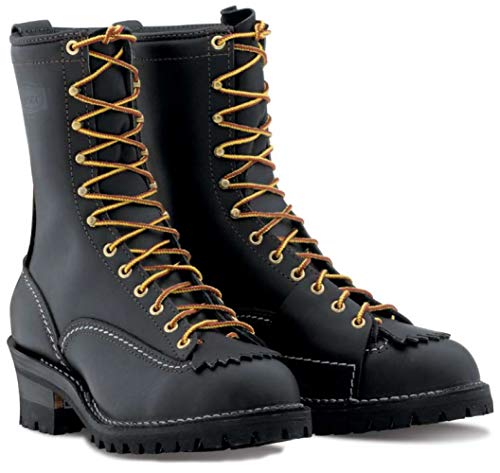
Premium Construction: The ultimate climbing boot worldwide, featuring 10 inches of 7-ounce oiled-leather top and foot for maximum durability and protection
Debunking Common Myths About Steel vs. Composite Toe Boots
Ever wondered which is better for safety at work: steel toe boots or composite toe boots? There’s a lot of talk about these types of footwear that can make choosing a bit of a headache. The truth is, you don’t have to stress. OSHA doesn’t specifically require steel toe boots; they accept both steel and composite as long as they meet safety standards. That means you’ve got options.
And here’s the kicker: steel toe boots can actually pass electrical hazard tests. So, if you think steel is the only tough choice, think again! Composite toe boots are made from some pretty durable materials too. They offer the same level of protection and meet ASTM standards for impact and compression resistance—great for jobs that call for both safety and comfort.
You might be surprised to find that composite toe boots resist rust and wear just as well as steel. If you’re worried about how they perform in extreme conditions, they hold their own too. Honestly, believing that only steel can give you the durability and safety you need is a common misconception. For workers who also use personal protective equipment, pairing boots with high noise reduction gear can enhance overall safety and comfort.
Frequently Asked Questions
Recommended Products
Black Prime Waterproof, Flame, and Cut-Resisting Leather upper
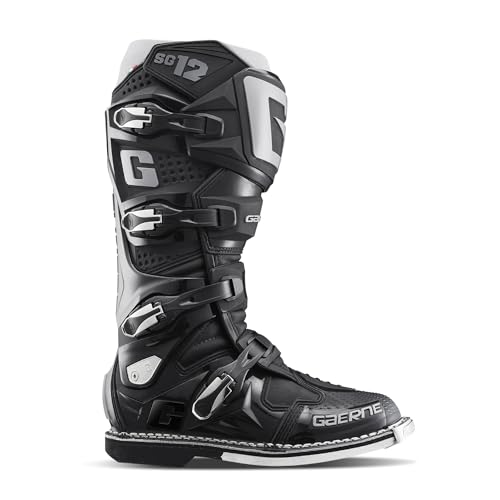
DSPS (Dual Stage Pivot System) provides superior lateral support, preventing over-compression and hyper-extension.
What Is the Difference Between Composite Safety Toe and Steel Toe?
Think of safety boots as a protective shield. We’ll find composite boots lighter and more breathable, while steel offers rugged durability. Both meet safety standards, but comfort levels and temperature effects vary. Let’s explore them together!
What Are the Disadvantages of Composite Toe?
Composite toes might be less durable and can have flexibility issues. Their weight comparison to steel toes affects comfort level, and we must consider their heat sensitivity, moisture protection, and overall workplace safety in our cost analysis.
Are Composite Toe OSHA Approved?
Yes, composite toe boots can be OSHA approved if they meet industry standards, offering lightweight comfort, temperature resistance, and durability. Their pressure ratings guarantee protection against electrical hazards, making them a smart choice for many workers.
What’s the Difference Between Steel and Composite?
When comparing steel and composite, we find differences in safety features, weight, comfort levels, temperature resistance, and durability. User reviews highlight varying cost differences and style options, helping meet diverse workplace requirements and electrical hazards effectively.