As an Amazon Associate, we earn from qualifying purchases. Some links on this site are affiliate links at no extra cost to you. Our recommendations are based on thorough research and editorial judgment.
Remote Control Systems for Dust Collectors: How They Work

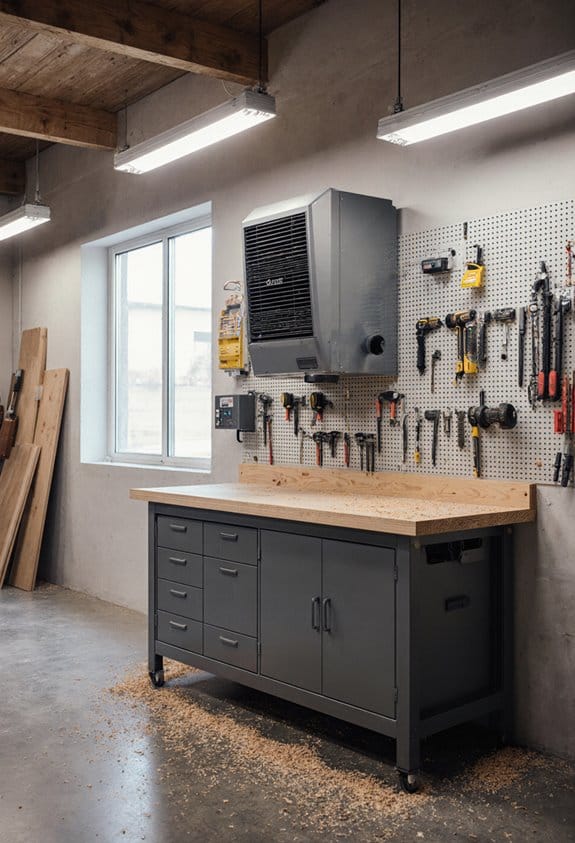
Have you ever found yourself battling the dust in your workshop, juggling tools while trying to turn on your dust collector? It’s frustrating, right? That’s where remote control systems for dust collectors come into play. With wireless switches and sturdy contactors rated for 240 volts, you can manage your dust collection without the hassle of running back and forth—perfect for those busy moments.
You’ll appreciate how these systems make your workspace a lot cleaner. Less time spent adjusting equipment means more time for actual work. They work well for motors up to 5 horsepower, which is ideal if you’re running multiple machines. Plus, features like automatic filter cleaning and delay shutdowns keep the suction power consistent, not to mention the air quality. No more worrying about what to do after you finish working; you can just pack up and leave.
So, what are the real productivity benefits? With these systems, maintenance time drops significantly. You won’t need to constantly check if the dust collector is running optimally, which lets you focus on your projects instead.
Plus, having it all set up means you won’t disrupt your workflow every time you need to clean up.
The best part is that setting one up isn’t as complicated as you might think. If you’re keen to learn more about the specific setup, there are plenty of resources out there to guide you along the way. Honestly, investing a bit of time into understanding these systems can turn your workspace into an efficient, cleaner environment.
If you’re tired of all the interruptions, maybe it’s time to consider a remote control system for your dust collector. What changes do you think it could make in your daily routine?
Key Takeaways
- Remote control systems allow users to operate dust collectors remotely, enhancing convenience and reducing manual work during tasks.
- These systems require a wireless remote switch and heavy-duty contactor properly wired to handle the necessary voltage and amperage.
- They provide delay shutdown features, enabling users to clear residual debris after operation without needing to remain present.
- Regular checks on electrical connections, battery levels, and placement of the remote’s receiver ensure effective operation without interference.
- Upgrading to modern systems can improve air quality, increase productivity, and reduce maintenance costs through features like automatic filter cleaning.
Understanding Remote Control Systems for Dust Collectors

Ever get tired of constantly running back and forth to turn your dust collector on and off? It can really eat into your productivity and make your workspace feel cluttered. That’s where remote control systems for dust collectors come in handy. These nifty devices let you control your dust collection units from pretty much anywhere, making things way more accessible and convenient.
Most of these systems work with a wireless control setup that operates contactors. This means you can send a low-power signal to manage the motors on your dust collectors, even if they draw a lot of amperage. Just a heads up, while many common solutions are great for low amperage loads, if you’ve got equipment working with 240-volt circuits, you might have to dig a little deeper for specialized options.
The best part is that integrating a remote control system can seriously cut down on the manual work involved. You won’t be stopping what you’re doing every few minutes to turn on the dust collector. This not only increases how often you collect dust but also helps to keep your workspace tidy, which is important for a healthier environment. Many models feature delay shutdown features that allow the dust collector to continue running briefly after use to clear residual debris, enhancing cleanup efficiency.
Get Started: Setting Up Your Remote Control Dust Collector

Setting Up Your Remote Control Dust Collector
Ever struggle with a dusty workspace while woodworking? It can feel overwhelming, but setting up a remote control dust collector can really help out. Let’s break it down into manageable steps. It’s all about making sure your dust collector runs smoothly and, most importantly, safely.
First off, you’ll need a wireless remote switch and a heavy-duty contactor that’s rated for 240 volts. This component is crucial as it can handle the higher amperage of your dust collection system. When it’s time to install, make sure to wire the 120-volt line to the contactor correctly, and be diligent about connecting the 240-volt line properly to avoid circuit overload. It’s those little details that make a big difference!
Mounting a junction box securely is another important step. Keep those connections organized; you don’t want to dig through a mess to access your dust collector’s power source. Trust me, having everything tidy makes troubleshooting easier down the line. If your setup involves motors up to 5 horsepower, it’s worth considering an upgrade to a heavy-duty contactor for improved reliability.
Lastly, when you position the remote control switch near your woodworking machines, it encourages you to use the dust collector regularly. A clean workspace not only improves your health but also your efficiency. It just makes sense, doesn’t it?
To ensure optimal performance, pairing your remote control system with a properly sized 5-inch dust port will significantly enhance dust collection efficiency and workspace cleanliness.
Recommended Products

4 Pole Contactor: 63 Amp 4 Pole Normally Closed (NC) AC contactor designed for home and industrial uses, featuring a 220/240V coil. Compatible with 35mm DIN rail mount systems and equipped with a power status indicator. Complies with IEC/EN standards for consistent and reliable installation, perfect for HVAC parts and air conditioner contactor applications
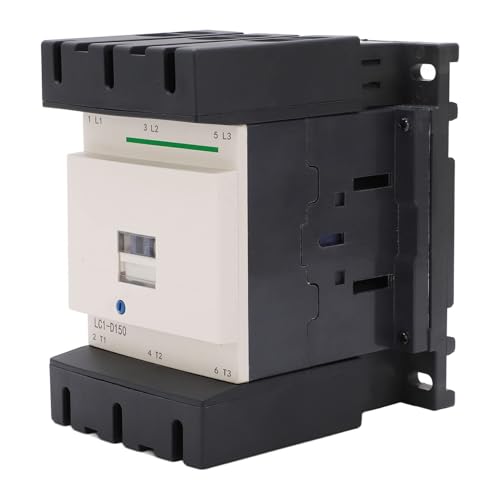
Complete Accessories: AC contactors are equipped with some accessories that are needed for installation, and can be installed directly upon receipt, without waiting.

Troubleshooting Your Remote Control Dust Collector

Ever had your remote control dust collector suddenly act up when you need it most? It’s a frustrating situation, but don’t worry—you’re not alone. Here’s a rundown of what to check to ensure everything runs smoothly.
First things first, check if your remote control is a good match for the dust collector. It should match the voltage and amperage ratings, especially if it’s dealing with heavier loads. Taking a moment to verify that can save you a lot of headaches down the line.
Make sure all of your electrical connections are secure. The contactor needs to be wired correctly—if it’s not, you might experience weird malfunctions that’ll leave you scratching your head. Trust me, taking the time to double-check these connections can prevent a lot of frustration later.
And about those remote control batteries? If you notice things aren’t working properly, that’s the first thing you should look into. Low battery power can lead to unreliable activation, and honestly, changing the batteries is a quick and easy fix.
If you’re having trouble with the connection, consider the placement of the remote control’s receiver. Sometimes obstacles like walls can get in the way. Try repositioning it to see if that solves the connection issue.
Also, don’t forget about regular check-ups. Keeping an eye on both the dust collection system and remote components ensures everything stays in good shape. After all, you want your system to last and work reliably.
For safety, look for remote control systems that include automatic overheat protection to prevent damage during use.
Recommended Products
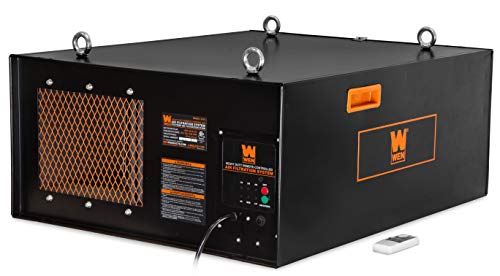
Includes a 1-micron filter and a 5-micron pre-filter, both of which can be easily replaced

Dust Collector Remote Power Switch: Conveniently turn your dust collector on and off from any place in your workshop with our Dust Collector Remote Switch 110v! Signal will travel up to 50 ft. and can easily pass through walls!

Ideal for occasional cleaning tasks without having to change the CT dust extractor from Auto to man mode.
How Can Remote Controls Increase Workshop Productivity?
Are you tired of the constant mess that comes with woodworking or other workshop projects? Dust can be a big headache, reducing air quality and making cleanup a nightmare. But here’s the thing: remote control systems for dust collectors can really help streamline things in your workshop.
With remote controls, you can turn your dust collection system on and off from different spots in your workspace. No more running back and forth to adjust manual gates! This little change can save you time and let you focus on your projects instead of constantly managing dust. You might find, like many others, that that instant activation helps keep the air cleaner while you work, and it cuts down on the cleanup time afterward.
And let’s be real—noise can be a distraction. Remote controls allow you to turn off the system when you don’t need it running, leading to a much quieter workspace. You can maintain your OSHA compliance, which means you’re keeping things safer while making the most of your time.
In addition, many modern dust collectors with remote systems are designed with two-stage filtration to enhance dust capture and prolong filter life.
So, why not give it a shot? Think about how much smoother your work could flow when you’re able to manage dust collection with just a click. No more interruptions or tedious adjustments; just pure focus on what you love to do.
Honestly, investing in a remote dust control system could clear up more than just dust! What challenges have you faced in your workshop, and how could simplifying your setup help?
Recommended Products

Cyclonic action separates the heavy dust particles from the fine particles and drops them into the 55-gallon steel drum

Captures 99% of 2-micron particles, and 86% of 1-micron particles

10X HIGHER SUCTION POWER than standard dust collectors and the only dust collection system on the market with high enough levels of static pressure (WC) and airflow (CFM) to effectively capture and contain dust from every tool in the shop with a dust port size of 1” to 5”. BEST DUST COLLECTOR – Popular Mechanics 2020 Tool Awards
Maximize Efficiency With Remote Dust Control
Maximizing efficiency in the workshop can feel like a never-ending battle, especially when dealing with dust. Ever notice how dust management tends to take more time than you’d expect? By using remote control systems, you can change that and get back to what really matters—your projects.
Remote dust collectors are a fantastic way to streamline your workflow. With wireless remote switches, you can easily turn your powerful dust collectors on and off from just about anywhere. This isn’t just about convenience; it makes operating the tools safer and saves you time running back and forth. The best part is when you pair these switches with automatic blast gates. They kick in based on which tools you’re using, cutting down on the manual work and keeping your area cleaner without you having to lift a finger.
One system you might want to check out is the Long Ranger. It’s designed to handle heavy-duty contactors and supports motors up to 5 horsepower. Truth is, it makes managing dust collection a seamless part of your routine. You’ll find it’s user-friendly, so you’ll want to make dust collection a regular part of your workflow.
So, why does this matter? Keeping your workspace clean not only promotes a healthier environment, but it can also improve productivity. Many systems now feature automatic filter cleaning to maintain suction and extend filter life. If you’re still chasing dust around the shop, consider switching to remote dust control systems. It could really simplify your life and help keep your focus where it should be—on making awesome stuff.
Recommended Products

2-Stage Motor for Powerful Suction and Quiet Operation
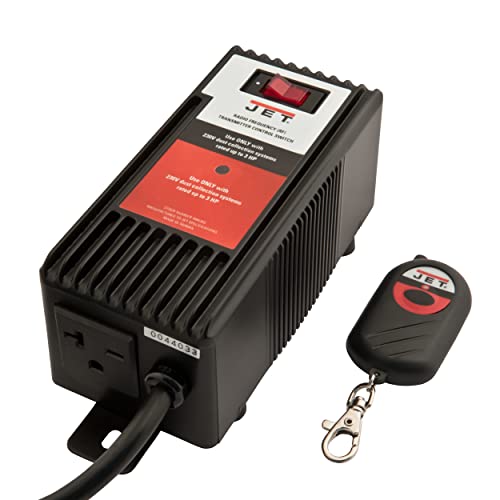
Compatible with dust collectors up to 3 HP (230V 1Ph only)

Three control methods: automatic, wireless remote, and manual wired
Frequently Asked Questions
How Does a Remote Control System Work?
A remote control system works through wireless communication, allowing us to send signals from a user interface. This enables seamless signal transmission and system integration, making operation convenient and enhancing our overall experience in managing connected devices.
How Do Dust Collection Systems Work?
Dust collection systems work through effective dust collector operation, using suction power to pull debris. Cyclone separation enhances air filtration, ensuring clean air while removing dust efficiently from our workspace, keeping it safe and healthy.
How to Balance a Dust Collector System?
Think of our dust collector system like a well-tuned orchestra. To achieve dust collector efficiency, we must balance airflow by adjusting blast gates and maintaining filtration systems, ensuring regular equipment maintenance to keep everything performing harmoniously.
How to Explain Remote Control?
To explain remote control, we can highlight its functionality through frequency modulation, emphasizing automation’s benefits. A well-designed user interface simplifies operation, enhancing convenience while improving operational efficiency in our workspace.


