As an Amazon Associate, we earn from qualifying purchases. Some links on this site are affiliate links at no extra cost to you. Our recommendations are based on thorough research and editorial judgment.


Cyclone Dust Collectors Explained: Benefits and Drawbacks

Have you ever faced a dust problem in your workshop? It can be frustrating, especially when it’s all over your equipment and in the air you breathe. Those pesky dust clouds aren’t just annoying; they pose a real safety hazard. That’s where cyclone dust collectors come into play. These machines use centrifugal force to separate dust particles based on their weight, making them pretty effective at keeping your space clean.
So what are the benefits? First off, these systems don’t have filters, which means you won’t deal with the hassle of frequent clogs or replacements. They often run with lower maintenance costs, too. But it’s not all sunshine and rainbows. Cyclone collectors can struggle with fine dust, and if they’re poorly designed, horizontal options might get blocked up. Vertical designs generally do a better job at improving airflow, so that’s something to keep in mind.
Industries like woodworking and pharmaceuticals depend on these systems for safety and efficiency. They help keep workspaces safer by reducing airborne particles, allowing workers to focus on their tasks rather than clearing away dust.
Here’s the trick: when choosing a cyclone dust collector, think about your specific needs. What kind of materials are you working with? How fine is the dust generated in your processes? Understanding your situation will guide you in selecting the right system.
Don’t forget about maintenance, too; keeping it in tip-top shape can boost its performance significantly.
Honestly, cyclone dust collectors can be a solid investment for your workspace. They offer a practical solution to a common problem, but they do have quirks you need to know about. Want to keep your environment cleaner and safer? Investing the time in choosing and maintaining the right cyclone dust collector could make a world of difference.
Key Takeaways
- Cyclone dust collectors utilize centrifugal force to separate heavy particles from air, enhancing efficiency and reducing clogging compared to filter-based systems.
- They require less maintenance due to the absence of filters, leading to improved productivity and reduced downtime in high-production environments.
- Vertical cyclone designs leverage gravity for better separation and airflow consistency, minimizing clogging risks and improving safety in various applications.
- While effective, cyclone systems may struggle with capturing fine dust particles and can be prone to clogs, especially in horizontal designs.
- Initial investment costs can be significant, and space requirements may pose challenges in smaller facilities or workshops needing effective dust management.
What Are Cyclone Dust Collectors and How Do They Work?

Have you ever noticed how dust can quickly take over a workshop or manufacturing floor? It seems like no matter what you do, it just keeps coming back. That’s where cyclone dust collectors come in handy. These machines are built to tackle dust in a pretty efficient way.
So, how do they work? Well, cyclone dust collectors suck in air that’s laden with dust from the side. This creates a swirling vortex thanks to centrifugal force, which pushes the heavier particles to the outer edges. As those larger dust pieces get flung outward, they drop down into a collection bin. The cleaner air then travels up and out of the system.
One of the best parts is that cyclone dust collectors don’t use filters, which means you don’t have to worry about them clogging up like baghouse systems do. Instead, they can keep doing their job without being constantly maintained. Plus, they adapt easily to different air volumes. This makes them great for all sorts of industries like woodworking, manufacturing, and food processing.
In woodworking, models such as the DEWALT Dust Separator offer up to 99.5% dust efficiency which significantly improves dust capture.
So, why does this matter? Simply put, cyclone dust collectors make your space cleaner and safer. They harness gravity for effective separation, which is a big bonus. If you’re looking for a solution to manage dust in your workspace, these might just be the answer you need.
Key Benefits of Cyclone Dust Collectors

Is dust piling up in your workspace and slowing down your operations? If you’re in an industrial setting, you know how important it is to keep the air clean and the equipment running smoothly. That’s where cyclone dust collectors really shine.
These systems use centrifugal force to pull heavy dust particles away, which means less clogging compared to those traditional bag systems. This is a real advantage if you want to keep that airflow consistent. You’ll notice that with their vertical designs, they actually harness gravity to work more efficiently. You’ll find that the performance is noticeably better. Less energy is used, and you’ll have sustained suction, which means the air that gets cleaned flows easily to the downstream processes without needing constant filter changes.
Plus, maintenance is often less of a headache with cyclone dust collectors. Less downtime means more productivity, which translates to long-term savings, especially in high-production environments. So, why does this matter? If you’re looking to optimize your space and still keep things running smoothly, a compact cyclone dust collector could be your best bet.
The best part is, these systems can tackle a variety of industrial needs while ensuring cleaner air and maximizing your output. Incorporating a dust separator can further improve suction power and reduce filter clogs for even better efficiency. Next time you’re dealing with that dust, consider switching things up. What’s your current solution, and is it really working for you?
Recommended Products

Cyclonic action separates the heavy dust particles from the fine particles and drops them into the 55-gallon steel drum

Captures 99% of 2-micron particles, and 86% of 1-micron particles

Shop Fox 3 HP Portable Cyclone Dust Collector W1869
Comparing Horizontal vs. Vertical Cyclone Designs

Choosing the right cyclone design for dust collection can feel a bit overwhelming, can’t it? Let’s break it down so it makes sense. You’ve got two options: horizontal and vertical cyclones, and the difference between them can really affect how well your system works.
Horizontal cyclones can run into some airflow problems, thanks to their mechanical structures. This leads to resistance that can throw a wrench in your efficiency. On the flip side, vertical cyclones have the advantage of gravity on their side, which helps separate debris more effectively. This means less chance of clogging, which is something everyone wants to avoid.
Now think about the placement of the fan wheels in horizontal designs. They can end up right in the line of fire for debris, which sounds like a recipe for trouble. Vertical systems, however, usually tackle debris before it has a chance to reach those critical components—pretty smart, right? Maintenance is another sticky point; horizontal models can be a hassle when long materials get stuck in the system.
When you look at industry practices, vertical cyclones often come out on top. Their ability to separate debris with ease is a constant highlight. So, if you’re weighing options, it might be worth leaning toward a vertical design for the best performance. What’s your experience with dust collection systems?
Additionally, many effective systems recommended for workshops operate at an ideal airflow capacity of 550 CFM or higher to ensure efficient dust extraction.
Recommended Products

Cyclone's two-stage separation provides more working CFM than comparable horsepower single-stage units

Cyclone's two-stage separation provides more working CFM than comparable horsepower single-stage units

Motor: 2 HP, 220V, 3450 RPM, 9A
How Do Cyclones Achieve Effective Particle Separation?
Ever wondered how those large machines called cyclones actually separate particles? It’s pretty fascinating when you dig into it. Cyclone separators work by creating a swirling airflow that generates a strong force, pushing heavier particles against the walls. This is where the magic happens—while the heavier stuff gets pushed down, lighter particles get to float up and escape at the top.
Now, gravity plays its part too, especially in vertical cyclones. Larger particles settle down into a collection bin, while the clean air spirals upward. It’s like a dance of particles, and knowing how they move can offer great insights into the equipment’s design and functionality. You might be wondering, how does the size of the cyclone or the airflow rates affect this? That’s where Stokes Law comes into play, explaining how different dust types behave based on their aerodynamic properties.
It’s important to consider things like pressure drops when assessing a cyclone’s efficiency. You’ll find that vertical designs usually outperform horizontal ones, which is worth noting if you’re looking into new equipment for any projects. Honestly, understanding these principles can really help when you’re trying to decide on the best separation method for your needs. Additionally, choosing cyclones with high capture efficiency can greatly improve dust separation performance and reduce filter maintenance.
Potential Damage and Clogging Risks in Cyclone Systems
When you’re trying to keep your workspace clean and dust-free, you might run into a pesky problem with your dust collection system—especially if you’re using a horizontal cyclone. Ever noticed how these systems can clog up more than you’d like? It’s often because of those stationary fins that snag long, stringy materials. This not only reduces airflow but can also lead to some serious headaches down the line.
Imagine this: you’ve got large debris getting sucked into your fan wheel. That’s a nightmare waiting to happen! Not only could this contaminate your setup, but it also raises maintenance alarms. Since the fan typically sits before the separator, it’s really exposed. If clogs occur, you might find yourself knee-deep in a full system tear-down trying to fix it. Talk about frustrating!
Now, here’s where vertical cyclones come into play. They take advantage of gravity for separation, which means they’re much better at keeping larger chunks from wreaking havoc on your vital components. By keeping the airflow consistent, vertical designs make sure everything runs smoothly. Choosing a dust collector with an appropriate airflow capacity can greatly enhance dust removal efficiency and reduce clogging risks.
Industry Applications for Cyclone Dust Collectors
Cyclone dust collectors are one of those unsung heroes in a lot of industries, and understanding their role can really help you step up your operations. Ever worked in woodworking? You know how messy it can get with all the wood chips and sawdust flying around. It can really cloud up the air quality, making it tough to see or breathe comfortably while you’re milling. That’s where these dust collectors shine—they catch the debris and make your workshop a much safer place.
Now let’s talk about food processing. You definitely don’t want any contaminants messing with your ingredients or air quality, right? A cyclone dust collector can tackle that issue head-on while helping you recover valuable ingredients. Reduced risk of contamination means cleaner products and peace of mind.
In manufacturing, the stakes are high, especially with metal shavings and dust getting everywhere. It can mess with your machines and even create safety hazards. These systems help manage that clutter effectively, keeping your tools safe and your workspace hygienic. It’s a win-win situation.
And what about the pharmaceutical industry? Talk about precision! These collectors are brilliant at gathering fine powders without compromising air quality—vital when you’re dealing with sensitive production processes.
The best part is that they’re adaptable and can fit right into your existing setup—no major overhauls needed, which is a real plus.
Additionally, integrating adjustable dust collection features into your system ensures maximum efficiency across various tools and workspaces.
So, why does this matter? If you’re looking to optimize your workspace or just want cleaner air while you work, cyclone dust collectors can really help. They slot into a variety of industries, enhancing performance and keeping things running smoothly.
In short, investing in a cyclone dust collector is a way to ensure a cleaner, safer environment, no matter your field. Have you considered how a small change like this could make a big difference in your day-to-day operations?
Recommended Products

Our largest Dust Collector features a whopping 4029 CFM capacity and can handle any large duct system with a static pressure loss less than 16

Motor: TEFC Class "F", 7-1/2 HP, 220V/440V*, 3-phase, 25A/12.5A

Pulls enough airflow to overcome resistance caused by ducting
Top Tips for Keeping Your Cyclone Collector Running Smoothly
How often do you think about the dust flying around in your workshop? If you’ve got a cyclone dust collector, keeping it running smoothly is essential not just for cleanliness, but for efficiency, too. You can do some straightforward things to help it work better and last longer.
Start by checking that collection bin regularly. Emptying it out ensures nothing’s clogging up the airflow, which can cut down on how well the system collects dust. It’s worth taking a look at the cyclone walls every month too. If you spot any wear patterns, you’ll be able to address issues before they turn into bigger problems down the line. So, why does this matter? Keeping tabs on wear keeps your collector performing consistently.
Now, let’s talk about air velocity. Proper airflow is crucial, and that means regularly inspecting and cleaning the inlets and outlets. Those little bits can get gummed up and cause pressure drops, making it harder for your system to suck up dust effectively. Also, tracking the pressure drop across the system is a good way to gauge how well everything’s running.
Try setting up a maintenance schedule that covers daily, weekly, and monthly checks. It doesn’t have to be extensive; even short inspections can make a big difference. By doing this, you not only keep your workspace cleaner but also help cut down on air pollution.
In addition, optimizing your ductwork design can significantly enhance airflow efficiency and dust capture, ensuring your cyclone collector operates at peak performance.
In short, with just a little attention, you can keep your cyclone collector running smoothly. Have you checked your dust collector lately?
Recommended Products

Circulate up to 1,300 cubic feet of air per minute

INCLUDES: (1) Wall hanging dust collector with mounting bracket & 1 micron dust collector filter bag. Compact size is ideal for small Pro or hobby shop
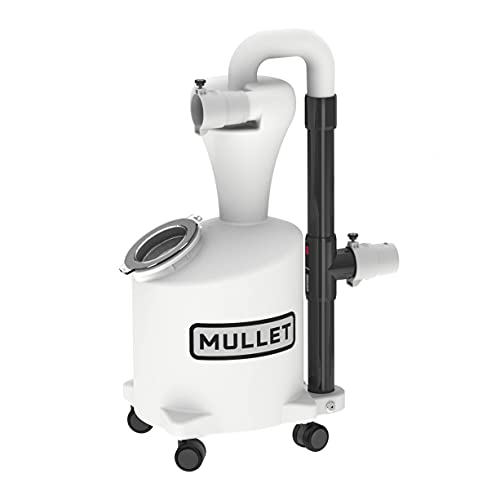
NO MORE CLOGGED FILTERS -- Pre-separates over 99% of debris sending clean air to your shop vac or dust extractor keeping suction strong and your vac running in tip top shape.
Choosing the Right Cyclone Dust Collector for Your Industry
Choosing the right cyclone dust collector for your industry can feel overwhelming. It’s crucial to make the right choice to ensure everything runs smoothly. So, how do you even start? Let’s break it down.
First off, take a good look at the dust particles you’re dealing with. Cyclones are great at capturing larger particles, but the size distribution matters. Knowing what you’re working with helps in finding a collector that maintains ideal airflow while trapping those pesky particles efficiently.
Next, think about the design and materials. The gas flow rate and temperature need to match with the materials used—like steel or aluminum alloys. This is particularly important if you’re working with abrasive materials. You definitely don’t want to be constantly replacing parts because they can’t handle the wear and tear.
Now, have you considered a vertical cyclone design? It can really make a difference. The way gravity helps with separation can boost efficiency and cut down on clogging, which is something every operator wants to avoid. You’ll want to size the equipment properly, too. A well-sized cyclone prevents excessive pressure drops, keeps your operations compliant with environmental standards, and ensures smooth performance across various applications.
Additionally, selecting materials with proper corrosion resistance is key to enhancing the durability of your dust collector, especially in harsh operating environments.
To wrap it up, getting the right cyclone dust collector involves examining your specific needs and the conditions you’ll be working with. What’s the dust particle size? What’s your airflow requirement? Taking all these factors into account can save you time and money down the line. What’s your experience been with choosing industrial equipment?
Recommended Products

Efficiency & Cost Savings: By removing larger dust and debris before it fills your filter bag, the CT CYCLONE reduces how often you need to replace filter bags and filters — saving you both time and money.

Impressive Filtration: The premium pleated table saw dust collector is designed for the Rockler 1250 CFM Dust Collector and captures dust down to an incredible 1 micron, enhancing the air quality in your workspace by up to 30 times
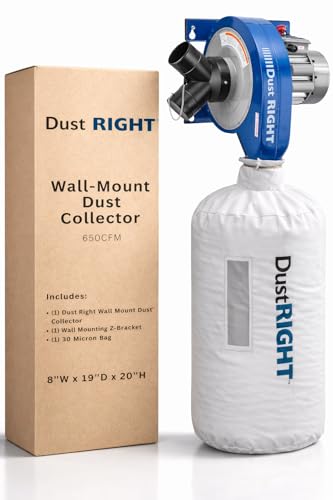
High-Capacity Dust Collection: Achieve strong suction with this 650 CFM wall mount portable dust collector that supports multiple tools at once—ideal for efficient dust collection system setups in busy woodworking shops.
Frequently Asked Questions
What Are the Advantages of Cyclone Dust Collectors?
Cyclone dust collectors offer excellent efficiency ratings, lower maintenance costs, and various sizing options. When installing, we should consider airflow and space requirements to maximize performance and guarantee peak dust collection for our needs.
What Are the Advantages and Disadvantages of Cyclone?
Did you know cyclone dust collectors can effectively capture up to 98% of larger particles? While they’re low-maintenance and efficient for many applications, they may struggle with fine dust, impacting performance in specific industries.
Is a Cyclone Dust Separator Worth It?
Yes, a cyclone dust separator’s worth it for many industrial applications. It enhances the separation process, lowers maintenance costs, and maintains efficiency levels, ensuring a cleaner environment while protecting our equipment in high-production settings.
What Are the Disadvantages of a Cyclone Separator?
In our bustling workshop, we’ve noticed cyclone separators can struggle with separator efficiency and application limitations. Their design considerations lead to clogging, demanding maintenance requirements that often halt our work and drain our resources prematurely.


