As an Amazon Associate, we earn from qualifying purchases. Some links on this site are affiliate links at no extra cost to you. Our recommendations are based on thorough research and editorial judgment.


Blast Gates Explained: Function and Placement Strategy

Ever feel like your workspace is constantly covered in dust no matter what you do? It’s frustrating, isn’t it? That’s where blast gates come in—they’re essential for keeping your dust collection system running smoothly and effectively.
So, what exactly do these handy devices do? Well, they help you control the airflow in your dust system, directing it to where you need it most. By doing this, you can significantly reduce the spread of dust and maintain a cleaner environment in your shop.
Here’s the trick: placing these gates near your tools is key. This setup minimizes any unnecessary bends in the ductwork, which can lead to pressure loss.
You’re probably wondering how to maintain peak efficiency once everything’s set up. Regular inspections are crucial! Make it a habit to check for leaks and ensure everything operates as it should. Trust me, this simple step can save you from bigger headaches down the road.
If you run into challenges while installing these gates, don’t fret—you’re not alone. Many have faced similar issues, but overcoming them can lead to better performance.
So, why does this matter? Because a good dust collection system doesn’t just make for a cleaner workspace; it contributes to a healthier environment overall.
In short, blast gates are an important part of your dust management strategy. By keeping them well-placed and well-maintained, you’re not just enhancing your system’s efficiency—you’re also creating a safer environment for yourself.
Ready to tackle that dust problem head-on?
Key Takeaways
- Blast gates control airflow in dust collection systems, enhancing efficiency by directing dust extraction to specific tools and reducing suction loss.
- Placement near equipment allows for convenient operation, while positioning within ductwork offers flexibility and optimizes airflow management.
- It’s important to avoid bends in ducting to minimize pressure loss and ensure effective dust collection with multiple gates in complex setups.
- Regular maintenance of blast gates, including inspections for leaks and lubricating moving parts, helps maintain efficiency and prolongs the lifespan of the dust collection system.
- Proper orientation of blast gates prevents air leakage, ensuring optimal performance and improved air quality in the workspace.
How Blast Gates Enhance Dust Collection Efficiency

Have you ever struggled with dust collection in your workshop? It can be frustrating when your tools are losing suction and dust is just floating around. That’s where blast gates come in. These handy devices manage the airflow of your dust collection system, directing it right where you need it most—like to your table saw or router.
When you close off lines that aren’t in use, blast gates prevent suction loss. This ensures that your active tool gets the full power it needs to pull dust and debris effectively. By keeping the airflow concentrated, you not only improve the dust extraction process but also create a cleaner work environment. And who doesn’t want that?
Additionally, installing blast gates can help cut down on noise from your dust collector. No one likes working in a noisy space, right? And they can also reduce wear and tear on your equipment, helping your tools last longer.
Here’s the trick: whether you go for manual or automatic blast gates, the operation can be seamless. You’ll streamline your tasks and find that working on projects becomes more efficient.
Many dust collection systems benefit from enhanced cyclone designs that improve dust capture efficiency alongside blast gates.
So, why does this matter? With improved dust extraction and lower noise levels, your workshop can turn into a more pleasant place to work. It’s all about making things easier and cleaner.
In short, blast gates can significantly enhance your dust collection setup. Have you tried them in your workshop yet?
Recommended Products

High-Capacity Dust Collection: Achieve strong suction with this 650 CFM wall mount portable dust collector that supports multiple tools at once—ideal for efficient dust collection system setups in busy woodworking shops.

Skat Blast VAC-55 HEPA VAC is "super quiet", only 68-71 decibels.

Enhanced Durability: The fan-cooled motor is permanently lubricated and totally enclosed, providing up to three times the lifespan and requires no maintenance
Choosing the Right Blast Gate for Your Application?

Have you ever felt frustrated watching dust pile up in your workspace, all because your dust collection system isn’t working right? Choosing the perfect blast gate for your setup is key to keeping things efficient and your air clean.
First off, let’s talk size. The blast gates come in a range of sizes from 2 to 30 inches, which means you can easily find one that fits your ductwork and meets your airflow needs. If you’re the hands-on type, you might lean towards manual blast gates. But if you want something that does the work for you, then automatic gates might be more your speed—just keep in mind they can be pricier.
Think about your work environment, too. If you’re in a space that gets super hot or deals with corrosive materials, it’s worth looking into pneumatic or electric options. These models are designed to handle tough conditions without leaking air, ensuring you get the best performance possible.
Material matters as well. Cast aluminum and stainless steel are solid choices for durability and corrosion resistance. So why does this matter? Choosing the right materials not only boosts the longevity of your setup but also keeps your dust collection system running smoothly.
To optimize the dust collection efficiency, ensure your blast gate setup complements a system with appropriate airflow capacity.
Installing Blast Gates for Best Performance

Ever tried working with a dust collection system only to find that it sucks—literally? If your blast gates aren’t installed correctly, you could be losing more air than you’re capturing, which is a real bummer for your efficiency.
To get the most out of your blast gates, you’ll want to pay attention to a few key details. First off, make sure the plate faces toward the dust collector. This simple adjustment can keep air from leaking out and really boost how well your system does its job. Position your blast gates carefully at each extraction point. It’s all about directing that suction right to your tools when you need it.
Another important tip? Tighten that thumbscrew towards the collector. This helps keep everything nice and secure, reducing the chance of any air loss. And don’t forget about routine checks. Regularly inspect for debris and leaks—this is key to keeping your setup performing well over time. Additionally, ensuring proper maintenance helps extend the lifespan and effectiveness of your dust collection system.
Recommended Products
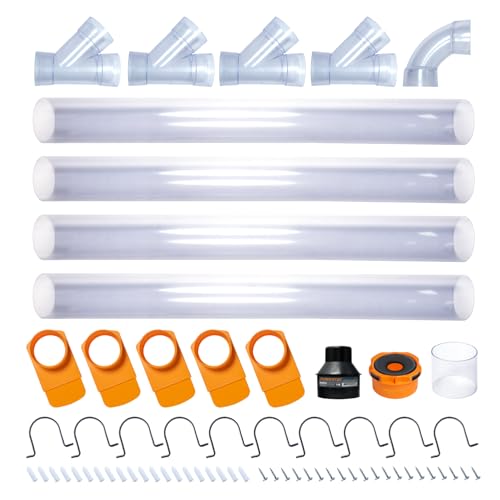
INCLUDES: (1) 4 Inch Quick Connect Dust Collection Tool Adapter; (5) dust collection blast gates, (1) splice, (4) 3ft dust collection pipes, (4) y-fittings, (1) 90-degree elbow, (10) U bracket clamp hangers, (20) screw, (20) wall plugs; (1) 4” to 2 1/2” Dust Collection Hose Reducer

INCLUDES: (5) dust collection blast gates, (1) reducer, (4) 3ft dust collection pipes, (4) y-fittings, (1) 90-degree elbow, (10) U bracket clamp hangers, (20) screw pans, (20) wall plugs

【HIGH EFFICIENCY】 Our DEWALT stainless dust separator can capture wood chips and other debris before they enter your vacuum cleaner, reducing suction loss due to clogged vacuum filters. Saves you the cost and time of expensive filter and dust bag replacement.
Overcoming Common Challenges in Blast Gate Implementation
Have you ever struggled with keeping air flowing smoothly through your dust collection system? Implementing blast gates might feel overwhelming, but with a few straightforward tips, you can make the process much easier.
To start, make sure your blast gates are oriented correctly. The plate should face the collector—this is crucial to prevent air leakage. Tightening the thumbscrew toward the collector helps keep things snug, reducing suction loss. Regular inspections of all connections and seals can save you from costly wear and tear. Plus, keeping airflow at its best helps avoid those annoying leaks that can disrupt your work.
Don’t overlook the importance of using the right-sized clamps when connecting those blast gates to your ductwork. Using clamps that fit well not only cuts down on air leakage but can also boost your system’s overall efficiency. You’re working hard; every bit of airflow counts!
If you’re relying on automatic blast gates, there’s a little extra maintenance involved. It’s important to ensure a consistent power supply and check on them regularly, especially if your environment is demanding. This way, you can trust that they’ll keep doing their job when you need them.
Also, selecting components that optimize filtration efficiency will improve your system’s overall performance and protect your workspace from dust buildup.
In short, while there might be challenges with blast gate implementation, focusing on these key areas can ease the process. So, what’s your next step in improving your system?
Recommended Products

Product 1: INCLUDES: (5) dust collection blast gates, (1) reducer, (4) 3ft dust collection pipes, (4) y-fittings, (1) 90-degree elbow, (10) U bracket clamp hangers, (20) screw pans, (20) wall plugs

4-Inch quick connect blast gate, Bench brush attachment

Includes (1) 4" diameter 20 feet long left spiral clear flexible hose (1) 4” to 2 1/2” Dust Collection Hose Reducer, (2) 4 inch 45 Degree Elbows, (2) Y-Fittings, (3) Clog Resistant Blast Gates, and (20) 4” Keyed Bridge Hose Clamps
The Importance of Blast Gates for Workplace Air Quality
Have you ever walked into a workshop and immediately felt like you were breathing in a cloud of dust? It’s a common problem many people face, especially in environments with lots of machinery. One key player in improving that air quality is the often-overlooked blast gate in a dust collection system. These simple devices are super important for controlling airflow and helping to clear out harmful particles.
Blast gates are a smart solution for directing suction right where you need it. When you’re using certain tools, they improve dust removal efficiency by cutting off airflow to equipment that’s not in use. This helps reduce noise levels too, which can make your workspace more comfortable. Plus, it even helps extend the lifespan of your dust collectors.
You might be wondering, why does this matter? Well, when you strategically place blast gates at each extraction point, you significantly lower airborne dust exposure. This creates a safer work environment and keeps respiratory risks to a minimum. Honestly, nobody wants to work in a place where they’re constantly breathing in dust.
To get the most out of your blast gates, regular maintenance is key. Make it a habit to check them frequently; this will ensure they’re performing at their best and keeping that airflow effective. Remember, functioning blast gates are vital for any workspace aiming for efficiency and safety.
In short, taking care of blast gates is an essential step toward better air quality in your workshop. Incorporating systems with multiple filtration stages will further enhance dust control effectiveness. So, what steps will you take today to improve your workspace’s air dynamics?
Frequently Asked Questions
How Does a Blast Gate Work?
Isn’t it ironic? We’ve got a blast gate operation quietly controlling airflow, when all we want is dust-free air. It opens and closes, regulating suction to keep our workspace clean and efficient—who knew simplicity could be so powerful?
What Is the Difference Between a Damper and a Blast Gate?
The difference lies in damper functions, which regulate airflow overall, while blast gate applications focus on controlling suction for individual tools. Both play unique roles in airflow management, depending on the system’s specific needs.
How Does a Dust Collection System Work?
Dust collection systems decisively diminish dust particles, directing dynamic airflow through carefully placed ductwork. We strategically connect tools, ensuring efficient suction while optimizing airflow dynamics, capturing debris, and keeping our workspace clean and safe.
What Is a Blast Gate in HVAC?
A blast gate in HVAC systems helps us control airflow, offering benefits like improved efficiency and reduced noise. They’re made from materials like metal or plastic, making them versatile for various applications in our settings.


