As an Amazon Associate, we earn from qualifying purchases. Some links on this site are affiliate links at no extra cost to you. Our recommendations are based on thorough research and editorial judgment.


How Dust Collection Systems Work: A Complete Beginner’s Guide

Are you tired of sneezing your way through woodworking? Dust collection systems can be your best friend in keeping your workspace clean and your lungs happy. You’ll want to look for systems that pull between 250 to 1000 CFM. This might sound technical, but this range does a fantastic job at getting harmful particles out of the air.
Here’s the trick: many advanced systems incorporate cyclone separators. These bad boys can remove over 99% of dust before it even hits the filters. That means your filters last longer and work better. Plus, high-quality HEPA filters can trap particles as tiny as 0.3 microns. So, if you want to breathe easy while you work, investing in a good filtering system is key.
Now, let’s break it down. When setting up your dust collection system, think about the layout of your workspace. You want to place your collection points as close to your tools as possible. That’ll help capture the dust right where it’s created, rather than allowing it to spread throughout your shop.
Also, remember to regularly check and clean your filters. A clogged filter won’t just make your system less effective—it could also push dust back into the air. Nobody wants that!
Honestly, a dust collection system is so crucial for your health and the longevity of your tools. Have you thought about how much debris your projects kick up? It’s worth taking the time to set up an effective system.
In short, prioritize a good dust collection solution. Your lungs will thank you later. What’s your top concern when it comes to dust in your workspace?
Key Takeaways
- Dust collection systems capture wood dust and debris using suction to improve air quality and protect respiratory health.
- Effective systems maintain airflow, using the right CFM capacity tailored to different woodworking tools.
- Two-stage systems, including cyclone separators, enhance dust separation, leading to cleaner filters and reduced maintenance frequency.
- High-efficiency HEPA filters capture fine particles down to 0.3 microns, ensuring cleaner air in the workspace.
- Regular maintenance and proper setup are crucial for optimal performance and longevity of dust collection systems.
Understanding Dust Collection Systems for Healthier Woodworking

Have you ever coughed up a lung after sanding wood? Dust can really take a toll on your respiratory health if you don’t have a solid dust collection system in place. These systems are crucial—they catch not just the big chunks but also the tiny dust particles that you can’t see, which can be even worse for your lungs.
Most woodworking tools need somewhere between 250 and 1000 CFM (cubic feet per minute) for the best results in dust capture. If you’re serious about keeping your workspace healthy, consider adding a cyclone separator. It can get over 99% of the dust out of the air before it even hits the filter, which means fewer clogs and less hassle in the long run. High-quality filters, particularly those with HEPA certification, do a fantastic job trapping particles that are 10 microns or smaller, ensuring that the air in your shop is cleaner and safer to breathe.
Now, here’s the trick: regular maintenance of your dust collection system is key. If you ignore it, you’re inviting inefficiencies into your workspace, which can become a safety risk. So, check your filters and ducts often to make sure they’re clear; a little attention goes a long way in keeping your setup running smoothly. Many top models also feature washable filters that reduce maintenance hassle and save on replacement costs.
At the end of the day, taking care of your dust collection system isn’t just about keeping your workshop clean—it’s about taking care of your health. What steps will you take today to make sure your air is cleaner in your workspace?
Why You Need an Effective Dust Collection System?

Have you ever looked around your workshop and thought, “Wow, there’s too much dust in here”? It’s a common problem many woodworkers face, but it’s not just an eyesore—it’s a health hazard and a productivity killer. Breathing in wood dust day after day can lead to chronic respiratory issues or even occupational asthma. That’s why having an effective dust collection system is critical.
Creating a cleaner space isn’t just about keeping things tidy; it helps you focus and work faster. When you can see clearly and aren’t distracted by piles of dust, your productivity tends to soar. One way to take your dust collection game up a notch is by adding a cyclone separator. These devices can separate more than 99% of the dust, reducing the chances of clogged filters and ensuring you maintain that all-important airflow. It’s a simple addition that can make a world of difference.
What’s more, a good dust collection system protects your machines from the effects of dust accumulation. Over time, dust can really wear down your tools, making them less efficient and more prone to repairs. So, as you think about setting up your workspace, remember: investing in a reliable dust collector isn’t just about breathing easier; it’s also about keeping your equipment in top shape for years to come. Choosing a system with HEPA filtration can significantly improve air quality by capturing over 95% of harmful particles.
Recommended Products

Captures 99% of 2-micron particles, and 86% of 1-micron particles

10X HIGHER SUCTION POWER than standard dust collectors and the only dust collection system on the market with high enough levels of static pressure (WC) and airflow (CFM) to effectively capture and contain dust from every tool in the shop with a dust port size of 1” to 5”. BEST DUST COLLECTOR – Popular Mechanics 2020 Tool Awards

Cyclone's two-stage separation provides more working CFM than comparable horsepower single-stage units
Health Risks of Wood Dust to Consider

Have you ever thought about the hidden dangers lurking in your workshop? Wood dust can pose serious health risks, especially if you’re spending hours surrounded by it. Those fine particles aren’t just annoying; they can get deep into your lungs, leading to respiratory issues like asthma and, in the long run, even lung cancer.
Certain woods, particularly hardwoods like oak and mahogany, can carry toxic silica compounds that ramp up these risks. Studies show that woodworkers often face a decline in lung function as a result of breathing in that airborne dust day after day. You might be thinking, “How can I protect myself?”
Try this: invest in an effective dust collection system. Not only does it help improve air quality, but it can also significantly reduce those serious health risks for you and your family. Remember, taking care of your health in the workshop is just as important as creating amazing projects.
So, when you’re in there working hard, consider the air you’re breathing. It matters more than you might think. Taking simple steps can make a big difference. Keeping your work area clean and having the right systems in place isn’t just good for your projects; it’s essential for your well-being.
Using a quality dust collector equipped with a HEPA filter ensures the capture of even the finest hazardous particles before they reach your lungs.
In short, watch out for wood dust and make those changes to protect yourself. Are you ready to make your workshop a safer place?
Essential Components of Effective Dust Collection Systems
Are you tired of breathing in dust while you work? It can be a real pain, not to mention the health risks that come with it. The good news is that setting up an effective dust collection system can seriously help keep your workshop cleaner. Here’s what you need to pay attention to.
First off, make sure you’re using the right size dust ports. Aim for ports that are 2-1/2 inches to 4 inches in diameter. It might seem like a small detail, but it makes a big difference in creating good airflow. And if you want to step things up, consider a two-stage dust collector. This helps with dust separation, allowing the system to maintain a solid airflow capacity.
Next, don’t overlook filters. High-efficiency filters, like those rated HEPA, are important for catching those fine particles, down to 0.3 microns. This is crucial for keeping the air in your shop clean and safe for you to breathe.
Now, let’s talk about cyclone separators. Here’s the trick: adding one can really boost your dust collection effectiveness. They help remove larger debris from the airstream, which reduces the load on your filters and means you won’t have to clean or replace them as often.
Incorporating these components into your dust collection setup can lead to a noticeable difference in air quality and the cleanliness of your workspace. Also, it’s important to regularly check and maintain your dust collector’s airflow rating to ensure optimal performance and efficiency.
So, what’s holding you back from improving your workshop environment? Make some changes and breathe easier while you work!
Recommended Products
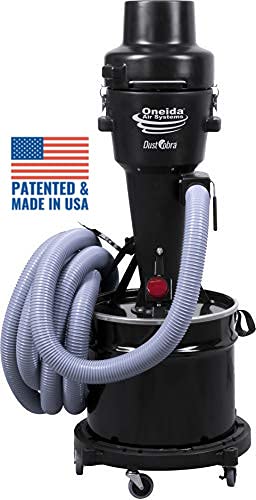
Delivers up to 245 Actual CFM @ 23" WC - ideal for handheld and bench-top tools

Cyclone's two-stage separation provides more working CFM than comparable horsepower single-stage units
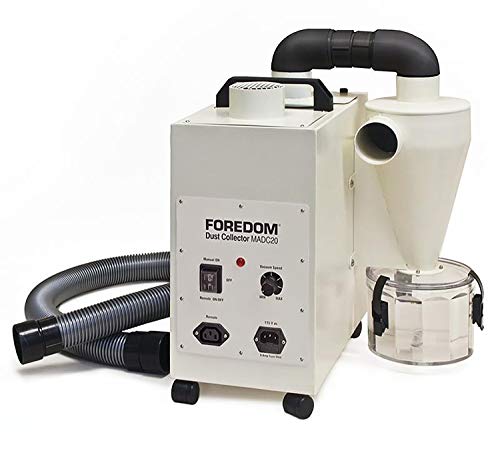
Includes: Cyclone dust collector with collection chamber, Remote Switch Box with 9 Cable, Remote Cord for connecting and powering on the MALC15 Lighted Work Chamber, 6′ Power Cord, 5′ Vacuum Hose Assembly, 2 HEPA Filters. Filter has a 16 Merv Rating, 99.8% of all particles 0.3 micron and larger
Choosing the Right Dust Collector for Your Workshop
Choosing the right dust collector for your workshop can feel overwhelming. You want to keep your workspace clean, but more importantly, you’re looking out for your health and safety while you work. So, how do you pick the right one?
First, consider the CFM (Cubic Feet per Minute) requirements of your tools. You’ll typically find these requirements range from about 250 to 1000 CFM for effective dust capture. This isn’t just a number; it means the difference between breathing clean air and dealing with dust particles that can affect your health.
If your workshop is on the larger side, two-stage dust collectors might be a good investment. These systems can achieve over 99% dust separation efficiency, which is impressive. The added bonus? They help keep your airflow steady, reducing how often you’ll need to clean those pesky filters. Who doesn’t want to spend less time on maintenance?
Also, pay attention to the size of the dust ports. You’ll find that 4-inch ducts provide the best airflow. Do your machines have the right connections to maximize efficiency? Sometimes it’s the little things that make a big difference.
Features like variable speed control and manual or remote operation can really enhance how well your dust extractor works, especially if you’re running multiple machines at once. So, why does this matter? Well, smoother operation can lead to a more enjoyable working experience.
Additionally, looking for mobile dust collectors with swivel casters and built-in handles greatly improves portability, allowing you to easily move the system between tools.
Recommended Products
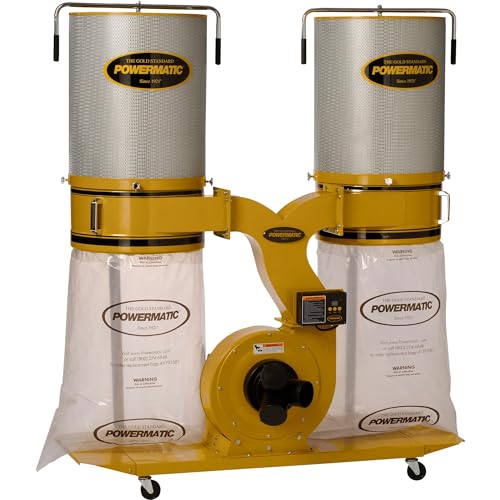
TurboCone improves chip separation and collector bag packing efficiency

TurboCone improves chip separation and collector bag packing efficiency

TurboCone improves chip separation and collector bag packing efficiency
Best Practices for Setting Up Your Dust Collection System
Setting up an effective dust collection system can feel daunting. Ever walked into your shop only to be greeted by a cloud of dust? It’s frustrating, right? To tackle this, positioning your dust collection hoods close to where the dust is created can make a huge difference. This simple tweak maximizes how well you capture that pesky dust and helps keep the air cleaner.
Now, when it comes to airflow, you’ll want to ensure your system pulls around 250-1000 CFM for regular woodworking tools. Here’s the trick: incorporating a cyclone dust collector can really boost how well your system works. These little wonders can achieve over 99% dust separation, which means less clogging on your filters. Who doesn’t want that?
Another smart move is to go for high-quality HEPA filters. You may not realize it, but these filters can trap nearly all fine dust particles that can harm the air quality in your workspace. So, why does this matter? Well, staying healthy while woodworking is important, and clean air is part of that equation.
And don’t overlook maintenance. Regularly checking your hoses and filters is key to keeping everything flowing smoothly. It’s easy to forget about these details, but addressing airflow issues early on can save you headaches later.
In short, crafting a solid dust collection system doesn’t have to be overwhelming. With a few smart choices and careful upkeep, you can create a cleaner, healthier workspace. What steps are you planning to take to improve your dust collection setup?
Choosing a system with quick-release collection bags can make maintenance and emptying much easier, saving you time and effort.
Recommended Products

Our largest Dust Collector features a whopping 4029 CFM capacity and can handle any large duct system with a static pressure loss less than 16

Motor: TEFC Class "F", 7-1/2 HP, 220V/440V*, 3-phase, 25A/12.5A
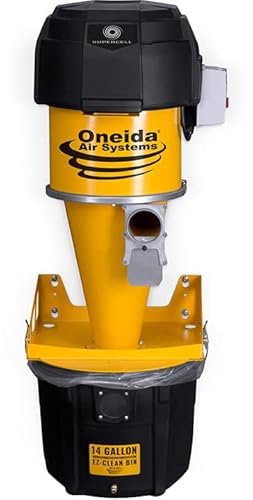
10x higher suction pressure than standard dust collectors and 20% more airflow through 4" ports than the classic Supercell!
Maintaining Your Dust Collection System for Optimal Performance
Have you ever noticed how a little dust can turn your workspace into a sneeze-fest? It’s easy to forget about your dust collection system, but maintaining it really is key to keeping the air clean and the work environment safe.
Regular maintenance is a must. Start by checking your filters regularly and making sure your ductwork is clear. You don’t want any blockages messing with your airflow. Ideally, you should clean or replace those filters as needed. If you’re using a good HEPA filter, it can catch up to 99% of those tiny dust particles. Sounds like a no-brainer, right?
Inspecting for leaks in your ductwork also goes a long way. Those sneaky leaks can ramp up static pressure, which puts a hitch in your airflow and efficiency. Notice any changes in airflow? That’s your cue that it’s time to get in there and do some maintenance.
And here’s another tip: Keeping your cyclone separators in shape can actually reduce how often you need to clean the filters. This enhances the whole dust separation process and helps your system operate smoothly. Using models with extended filter life protection can also reduce replacement frequency and costs.
So, what’s the takeaway here? Just a bit of routine care can help keep your dust collection system running well.
In the end, it’s about making your workspace better for everyone. Have you checked your dust collection system lately?
Recommended Products

TRUE 3-PHASE INDUSTRIAL POWER SYSTEM – Operates on 220V / 3Ø / 15A with a 3 kW (4.0 HP) continuous-duty brushless, air-cooled motor delivering consistent industrial performance. Peak output rated at 6.84 HP for heavy recovery jobs.

Innovative - Wet and dry vacuum includes a front mount squeegee for quick and convenient water removal and floor stripping applications

New Level of Clean — features a power nozzle hook-up on the switchbox for a fast, efficient and healthy way to clean.
Frequently Asked Questions
How Often Should I Replace Dust Collection Filters?
We suggest replacing dust collection filters every 6 to 12 months, depending on filter types and signs of clogging. Regular filter maintenance tips can enhance efficiency, while understanding longevity factors can guide our buying decisions wisely.
What Size Dust Collector Do I Need for My Workshop?
To determine dust collector sizing, we need to assess our workshop space, air flow, and CFM requirements based on particle size. We should also evaluate machine compatibility, filter size, ducting layout, and static pressure for accurate capacity calculation.
Can I Use a Regular Vacuum for Dust Collection?
While we can use a regular vacuum, its collection efficiency may fall short compared to dust collectors. For instance, a shop vacuum struggles with fine dust particles, affecting airflow rate and filter types—think performance comparison for shop safety.
How Do I Know if My System Is Working Effectively?
To know our system’s working effectiveness, we should monitor airflow measurement, check filter maintenance, assess collector placement, and evaluate duct design. Regular efficiency testing and observing dust visibility helps us decide on possible system upgrades too.
Are There Any Noise Concerns With Dust Collection Systems?
Did you know that high-quality dust collectors can reduce noise levels by up to 10 decibels? To address concerns, we suggest soundproofing measures, equipment maintenance tips, and considering quiet operation models for better air quality improvement.


