As an Amazon Associate, we earn from qualifying purchases. Some links on this site are affiliate links at no extra cost to you. Our recommendations are based on thorough research and editorial judgment.

Understanding ANSI Safety Standards for Eye Protection

Have you ever considered how easily an eye injury can happen at work? It’s not just a freak accident; it’s a very real risk for many people.
Understanding the ANSI/ISEA Z87.1 standard can really make a difference when it comes to eye safety. This standard ensures that protective eyewear is tough enough to handle some serious impacts, like being hit by a 500-gram steel ball or enduring a needle drop.
You might be surprised to learn that around 90% of eye injuries could be avoided with the right gear. Using proper protective eyewear could help save businesses close to $300 million each year.
Those Z87 markings on safety glasses mean they meet the required standards for eye protection, and they help you tell apart basic protection from enhanced options.
So, why does this matter? Because choosing ANSI Z87.1 compliant eyewear can significantly reduce your risk of workplace hazards.
Here’s the trick: when you’re assessing your safety gear, check for those certifications. It’s an easy step to ensure you’re adequately protected and to keep your eyes safe on the job.
In summary, understanding ANSI standards can really help you protect your vision. Are you ready to prioritize your eye safety?
Key Takeaways
- ANSI/ISEA Z87.1 establishes safety standards for eyewear to protect against impacts, heat, and chemical hazards in the workplace.
- Z87 markings indicate compliance, with Z87+ signifying enhanced impact resistance for added protection against workplace hazards.
- Primary eye protection includes safety glasses and goggles, while secondary protection features face shields or welding helmets for additional safety.
- Recent ANSI Z87.1 updates improved optical quality criteria, visibility, anti-fog testing, and added welding filter guidelines.
- Resources for understanding ANSI standards include the ANSI Webstore, ISEA educational resources, and training programs on safety regulations.
What Is the ANSI/ISEA Z87.1 Standard for Eye Protection?
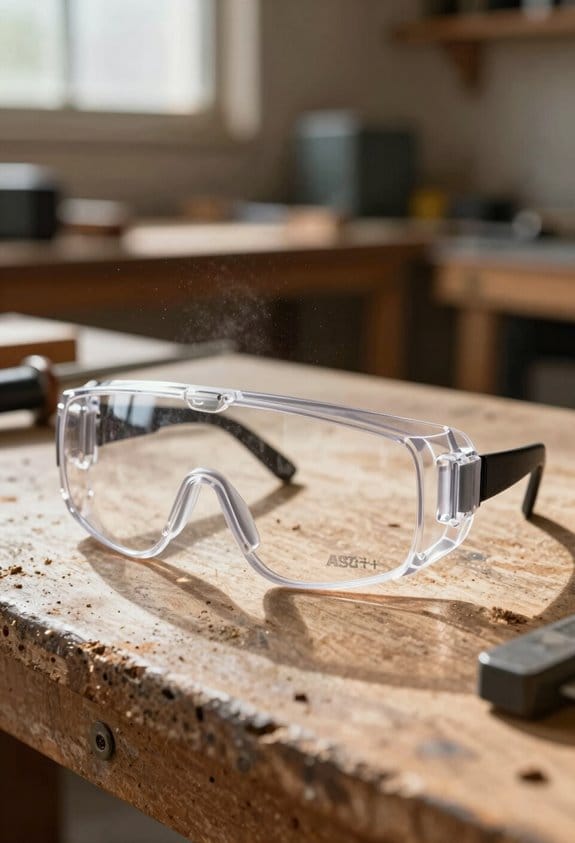
Ever thought about how many hazards your eyes face on the job? It’s pretty staggering when you look at the numbers. That’s where the ANSI/ISEA Z87.1 standard comes in handy. This standard lays out strict criteria for protective eyewear, like safety glasses, to ensure they can hold up against impacts, heat, and chemicals. It’s all about keeping you safe while you work.
What’s interesting is that the standard includes a bunch of tests, like high mass and high velocity impact tests. This means that the eyewear is put through the wringer to make sure it can handle whatever might come its way. So, what does this mean for you? Well, it means that wearing ANSI Z87.1 compliant eyewear can significantly cut down on the chances of eye injuries. In fact, about 90% of occupational eye injuries are considered preventable if you’re wearing the right gear.
Recent updates to the standard have introduced some cool improvements too. You’ll find more relaxed optics criteria, anti-fog testing, and clearer rules about how much light can pass through lenses. That’s crucial for maintaining clarity in different work environments. Additionally, many ANSI Z87.1 certified glasses feature impact-resistant materials such as polycarbonate to minimize the risk of shattering and provide reliable protection.
Recommended Products

ANSI Z87+ HIGH IMPACT CERTIFIED: Independently tested to meet the ANSI Z87+ high impact standard for dependable outdoor eye protection
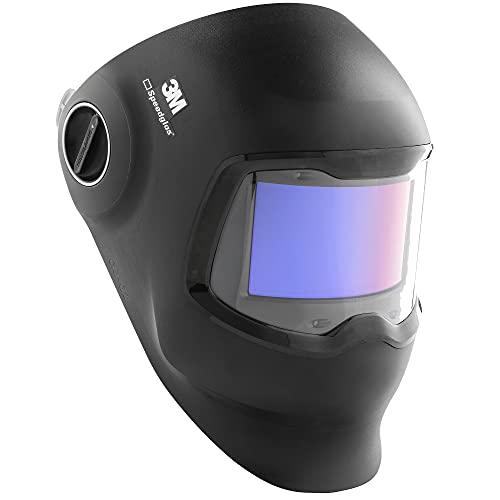
3M SPEEDGLAS CURVED GLASS TECHNOLOGY: Follows your head's curvature and the range of your peripheral vision to provide a 100% wider ADF field of view

SAFE HANDLER by Bison Life - Duarte Premium Over Glasses, clear, 144 pairs
Why Should You Care About ANSI Z87.1 Compliance?
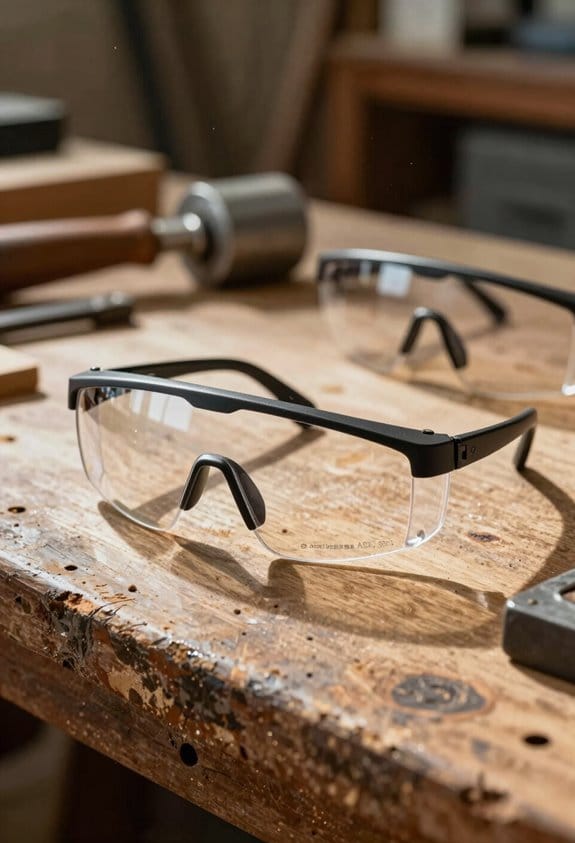
Why should we prioritize ANSI Z87.1 compliance in our workplace eyewear? Well, let’s not beat around the bush—protecting your eyes should be at the top of your safety list. With about 2,000 job-related eye injuries happening daily in the U.S., it’s clear we need to be proactive. When our safety eyewear meets ANSI Z87.1 standards, you know it’s passed tough tests for things like impact, radiation, and even liquid splash protection.
So, why does this matter? When you consider that over 90% of workplace eye injuries are actually preventable, using ANSI-compliant personal protective equipment (PPE) becomes essential. Think about it: how much safer would your work experience be if you knew your eyewear was designed to really protect you?
On top of that, there are financial reasons to consider. Maintaining ANSI Z87.1 compliance could save your company a chunk of the staggering $300 million that OSHA estimates is spent every year on occupational eye injuries. The best part is, investing in effective eye protection can significantly cut down these costs while keeping your team safe.
Incorporating ANSI compliance into your workplace isn’t just a box to check; it’s a real commitment to the safety of everyone involved. So, let’s make that investment today. Are you ready to prioritize the safety of your eyes and your coworkers? Remember, choosing products certified to the ANSI Z87.1-2015 standard ensures you get both durability and reliable protection in various conditions.
What Are Z87 Markings?
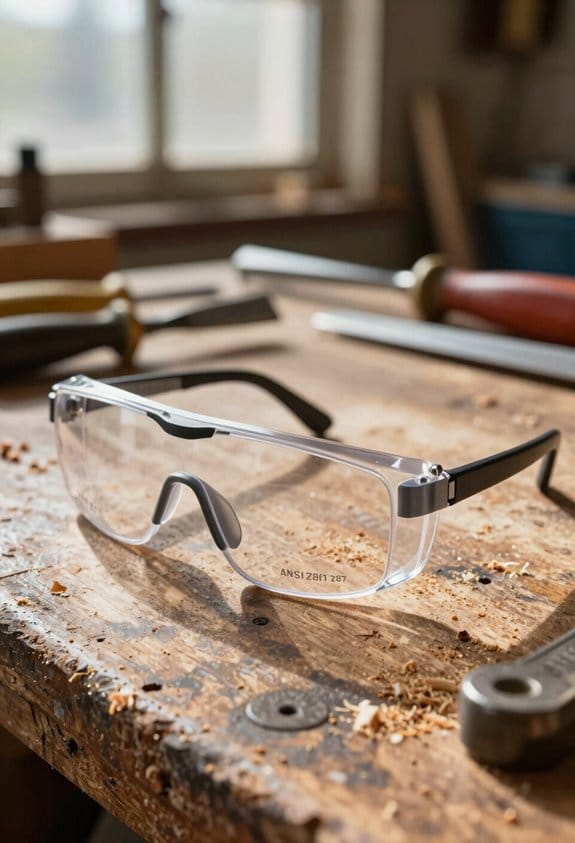
What Are Z87 Markings?
Have you ever found yourself wondering why it’s so important to wear safety eyewear at work? The Z87 marking on safety glasses is a crucial factor to consider when it comes to eye protection. This marking isn’t just for show; it means that the eyewear meets the strict ANSI/ISEA Z87.1 standards. These standards ensure that your protective eyewear can handle various workplace hazards effectively.
So, what do these markings actually tell you? The “Z87” label indicates a basic level of protection, but if you see “Z87+,” that’s a whole different ball game. This “+” means the eyewear can withstand higher impact. In simple terms, if you’re working in environments where there’s a risk of flying debris or other hazards, you’ll want that extra layer of protection.
Here’s a quick rundown on what to look for with Z87 markings:
- Z87: Basic level of eye protection.
- Z87+: Enhanced impact resistance.
- Compliance with ANSI/ISEA Z87.1: Ensures the eyewear meets rigorous testing and safety requirements.
Understanding these markings is key for making smart choices about your eye protection. You want to make sure you’re not just grabbing any pair of glasses off the shelf. It’s about finding the right fit for your specific work environment.
Having the right eyewear can make all the difference in preventing accidents and injuries. So, the next time you’re picking out safety glasses, take a close look at those Z87 markings. After all, your safety should always come first, right?
Additionally, just like the importance of proper fit and comfort in respirators, ensuring your safety eyewear fits well is essential for effective protection during prolonged use.
Recommended Products

ANSI Z87+ HIGH IMPACT CERTIFIED – Independently tested and rated to meet ANSI Z87+ standards, providing reliable impact resistance for industrial environments including construction, oil & gas, and assembly work.
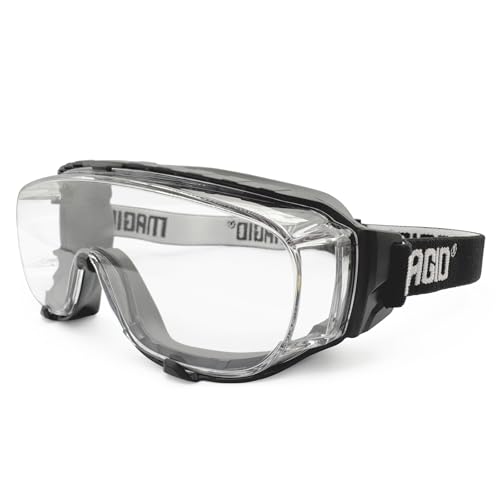
CLEAR HIGH-IMPACT LENS: Low-profile design provides reliable eye protection without obstructing vision

ANSI Z87+ HIGH IMPACT PROTECTION: Independently tested to meet the ANSI Z87+ High Impact Standard, the safety manager's benchmark for industrial eyewear. Polycarbonate construction shields eyes from flying debris during cutting, grinding, and material handling.
Essential Tests for ANSI Z87.1 Compliance
What’s the deal with safety eyewear? You might think it’s just about those Z87 markings, but it’s way more than that. To really trust your protective glasses, you need to know they’ve passed some serious tests that meet the ANSI Z87.1 standard.
First off, let’s talk about the high mass impact test. This one involves dropping a hefty 500-gram steel ball from 50 inches—sounds intense, right? The glasses have to withstand that impact without cracking. Then there’s the penetration test. Here, a 1.56-ounce needle is dropped from the same height. Think about it: how solid does a pair of glasses need to be to survive that?
Another key area is splash resistance. This is broken down into D3, D4, and D5 categories, which show how well the eyewear can handle different liquid exposure or dust. It’s like having various levels of protection depending on what you’re dealing with at work or in the shop.
And let’s not forget the ignition test. They actually take a red-hot metal rod and press it against the material of the glasses. If they hold up, you know they’re fire-resistant. That’s pretty important if you’re in a situation where sparks are flying.
So, why does this matter? If you’re counting on your eyewear to keep your eyes safe, knowing what tests they’ve gone through can make a big difference in your confidence.
In short, don’t just look for the Z87 marking. Make sure your safety eyewear has passed these essential tests to give you the solid protection you need. Remember, your eyes are worth it! What’s your go-to pair of safety glasses, and do they check all the crucial boxes?
Many top-rated goggles also include features like anti-fog technology to maintain clear vision during use, enhancing safety beyond just impact resistance.
Recommended Products

EYE SAFETY & PROTECTION: Malta Dynamics Safety Glasses for women and men offer improved safety and protection with lightweight, comfortable, and durable eye protection from particles and debris

UNISEX DESIGN: ATERET's SGTICORE Eyewear is designed with both men and women in mind, featuring a sleek and modern style that is sure to be accepted by all. These clear glasses are suitable for use as safety glasses, shooting glasses, and airsoft goggles.

Spare lens, MFI face mask, microfiber goggle bag, and lens compression case included; Unisex frame design; Fits medium sized faces; Helmet compatible.
Primary vs. Secondary Eye Protection: What’s the Difference?
How do you decide what kind of eye protection you need? It’s a more common question than you think, especially if you work in an environment with potential hazards. Let’s break it down: primary eye protection, like safety glasses and goggles, is all about everyday safety. These guys protect you from regular workplace dangers, such as flying debris or liquid splashes. They meet the ANSI Z87.1 standards, so you can trust they’ll hold up when you need them.
Now, secondary eye protection comes into play when you’re faced with bigger risks. Think about face shields or welding helmets. They offer extra layers of defense for those specific tasks that might involve intense heat, hazardous materials, or other serious threats. So, you’re not just covered—you’re fully protected.
Understanding the difference isn’t just useful; it’s crucial for your safety. Here’s the trick: always assess the risks in your environment. Does the job involve sparks or chemicals? Gear up with the right protection accordingly. If it’s a routine task, your trusty safety glasses are fine. But for heavy-duty jobs, don’t skimp on that secondary eye gear.
Selecting impact resistant glasses with features like ANSI Z87.1 certification ensures reliability and compliance with safety standards.
Ultimately, knowing when and how to use both types of protection makes a difference. It’s all about smart choices that keep you safe. So next time you’re gearing up for work, consider your options carefully. Are you prepared for the unexpected?
Recommended Products

Impact-Resistant: safety glasses are made with impact-resistant polycarbonate lenses for enhanced safety and clarity; Impact-resistant lenses are also anti-fog
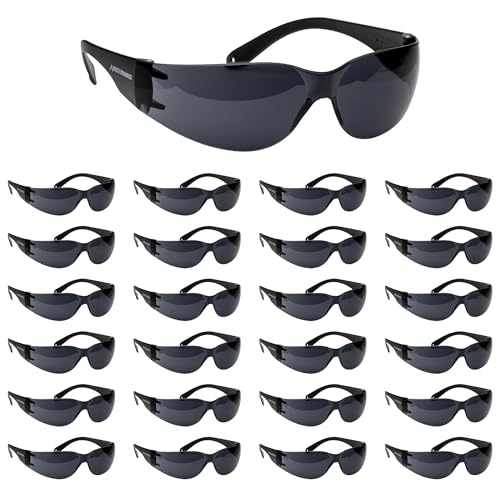
ANSI Z87.1+ Compliant Tinted Protection – Malta Dynamics Safety Glasses protect eyes from impact and sun glare during outdoor jobs like roofing, roadwork, and landscaping.
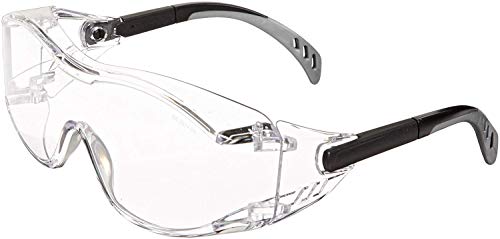
One-piece polycarbonate lens fits over most prescription glasses
Choosing ANSI Z87.1 Safety Glasses: What You Need to Know
Choosing ANSI Z87.1 Safety Glasses: What You Need to Know
Ever found yourself squinting at work, unsure if your eyewear is up to the task? It’s a common concern, especially if your job involves potential hazards. When it comes to finding ANSI Z87.1 safety glasses, there are some important details you can’t afford to overlook.
First off, check for the “Z87” or “Z87+” marking. That “Z87+” means these glasses offer extra high-impact protection, which can really make a difference when you’re dodging falling tools or flying debris. You want eyewear that’s been thoroughly tested and proven to withstand both high mass and high-velocity impacts.
Also, take a moment to think about your work environment. Are you around dust or chemicals? Look for eyewear that provides protection against categories D3, D4, and D5; these are designed specifically to guard against chemical splashes and airborne particulates. The right pair of safety glasses can really help shield your eyes from potential harm, so it’s worth doing a little research.
Truth is, not all safety glasses are created equal. Some are tailored for specific hazards, ensuring that your safety doesn’t get compromised. If you know what to look for and understand your surroundings, you’ll find the right pair that suits your needs.
Additionally, choosing safety glasses with polycarbonate lenses offers lightweight comfort, impact resistance, and typically includes scratch-resistant coatings to enhance durability.
Recommended Products

Utilizing diopter lenses, you can simultaneously ensure crystal-clear vision and optimal protection. This lens is made possible through their clever bifocal design, which offers the best of both worlds.
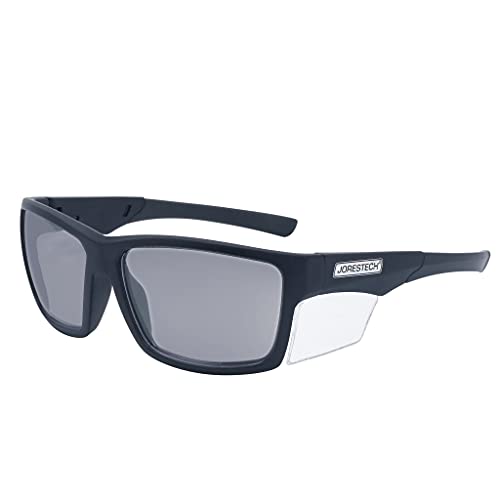
Meets ANSI Z87+ requirements for impact-resistant eye protection in occupational and general safety environments.
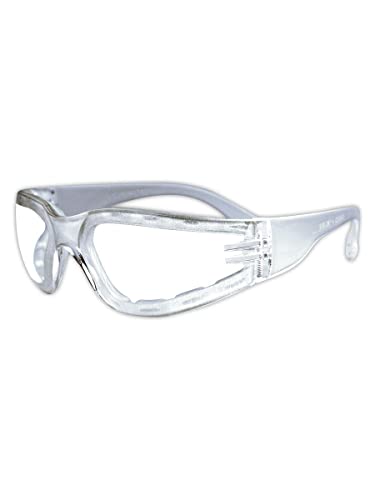
Foam-Lined Design – Foam lining around the lenses improves comfort and prevents penetration of particles like dust, sand, and cement
The Importance of Optical Quality in Safety Eyewear
Have you ever thought about how much of a difference your eyewear can make when it comes to staying safe on the job? It’s easy to overlook the optical quality of safety eyewear, yet it’s crucial for keeping your eyes protected and your vision clear. When you’re working in environments with potential hazards, having the right goggles or glasses isn’t just a nice-to-have; it’s a must.
Safety eyewear that meets ANSI Z87.1 standards doesn’t just shield your eyes from injury, it also ensures you can see clearly to tackle whatever comes your way. And let’s face it, if you can’t see well, it puts you at risk. This is why compliance testing has become more thorough, especially with additions like anti-fog features that are incredibly important in many work settings. If you’re in a humid or fast-paced job, you’ll definitely want eyewear that doesn’t fog up on you.
You might wonder, “What’s the big deal about optics?” Well, here’s the trick: the relaxed optics criteria allow for certain levels of light transmission while still protecting your eyes. That means you don’t have to sacrifice visibility just to be safe. Plus, with the introduction of expanded welding filter shades, getting clear vision during specialized tasks has never been more critical. When you’re focused on detailed work, even a slight distortion can throw you off.
In short, it’s all about balancing safety with optical clarity. You want to be sure your safety eyewear is giving you the best possible view while keeping your eyes secure. So, ask yourself: Is my eyewear doing enough for my safety and vision? By prioritizing quality, you can help ensure you’re as protected as possible while still being able to see what’s in front of you. Just as advanced technology improves efficiency in dust collection, innovations in safety eyewear also enhance protection and clarity in demanding work environments.
Recent Changes to the ANSI/ISEA Z87.1 Standard Explained
Have you ever felt overwhelmed by safety standards at work? The recent updates to the ANSI/ISEA Z87.1 standard might change how you think about protective eyewear.
These changes were made to really respond to the varied needs of workers in different fields. One of the updates includes relaxed optics criteria. This means you’ll have a clearer view without compromising your safety. If you’ve ever struggled with foggy lenses, there’s good news too: anti-fog properties are now being tested more stringently to boost visibility on the job.
The adjustments to transmittance allowances are another positive change. Manufacturers now have more leeway in designing lens styles, which can be a big deal when it comes to finding eyewear that fits your specific needs while still meeting safety standards. For welders out there, the new range of welding filter shades is a welcome addition to ensure you stay safe while you work. And if you’ve used automatic darkening filters before, you’ll appreciate the clearer guidelines on dark-state tolerances, which can help reduce eye strain—an important factor if you’re working under bright lights or facing high-velocity impacts.
Additionally, many top-rated safety glasses, such as the Gateway Safety Silverton and 3M Virtua, now combine ANSI compliance with advanced anti-fog technology to enhance comfort and protection.
What’s the takeaway? The revised ANSI/ISEA Z87.1 standard aims to make your work environment a little safer and more comfortable. And that’s definitely something to keep in mind when you’re choosing your next pair of safety glasses. So next time you’re picking out eyewear, consider how these changes might just make your job a bit easier and safer. What features do you think are most important for your safety gear?
Resources for Staying Informed About ANSI Z87.1 Standards
Staying in the loop about ANSI Z87.1 standards can feel overwhelming, especially if you’re in the eye protection game. These guidelines are crucial since they lay out everything you need to know about testing, marking, and properly using safety goggles and glasses in different hazardous situations. But don’t worry, there are some straightforward ways to keep yourself informed.
You can grab the latest ANSI/ISEA Z87.1-2020 standard directly from the ANSI Webstore. They even have bundles for safety eyewear, which can save you some serious time. Plus, the ISEA (International Safety Equipment Association) has tons of educational resources and guides to help you make the right choice when selecting protective gear that complies with standards.
What’s more, they offer training programs and webinars that will keep you updated on the latest in eye safety regulations. So, why does this matter? Because keeping up with changes in ANSI standards can really make a difference in ensuring you and your team stay safe on the job.
Regular newsletters from ISEA can be a goldmine for staying aware of what’s happening in eye protection. Frankly, it’s a smart move to subscribe, as it helps reinforce safety measures in your workspace. In the end, prioritizing education on ANSI Z87.1 isn’t just about compliance; it’s about protecting yourself and those around you. Have you checked out any of these resources yet?
Remember, always look for eyewear that meets the ANSI Z87.1+ safety standard to ensure impact resistance and reliable eye protection.
Frequently Asked Questions
What Is the ANSI Standard for Eye Protection?
The ANSI standard for eye protection covers various eye protection types, emphasizing ANSI certification importance, safety glasses features, impact resistance testing, lens coating options, and identifying workplace eye hazards. Let’s choose safety eyewear wisely.
What Is the Difference Between Z87 1 and Z87 2 Safety Glasses?
Z87.1 focuses on eye protection with stringent impact resistance and lens markings, while Z87.2 expands to face shields and specific additional protections. We’re aware of how Z87 specifications explained enhance our safety compared to other standards.
What Are the ANSI OSHA Requirements for Eye Safety?
We must guarantee our workplace complies with eye safety regulations by evaluating hazards, providing proper personal protective equipment, following vision protection standards, offering employee training, and enforcing compliance to protect ourselves effectively with safety eyewear types.
What Does Z87 Mean on Glasses?
When we look for safety eyewear, those Z87 markings reveal ANSI certification. It’s like armor for our eyes, ensuring lens impact resistance you need for workplace safety, protecting us from potential hazards lurking in every corner.