As an Amazon Associate, we earn from qualifying purchases. Some links on this site are affiliate links at no extra cost to you. Our recommendations are based on thorough research and editorial judgment.


Troubleshooting Common Dust Collection Problems

When it comes to dust collection, have you ever found dust sneaking past the system? It’s frustrating to see that messy reminder of what you’re trying to avoid.
First things first, let’s break down some symptoms: dust escaping, high differential pressure, or clogged filters. Keeping an eye on airflow is crucial, too; it should ideally stay above 1100 CFM for effective dust removal. If not, that could be a sign of trouble.
Ever noticed how improperly sized systems can lead to excessive product pickup? And let’s not forget about moisture—it can mess things up and cause blockages.
To tackle these concerns, check your seals and connections. Often, issues can be spotted just by giving these areas a good inspection.
If these problems keep cropping up despite your efforts, don’t worry! There are plenty of strategies you can implement to boost your system’s performance.
So, what’s your next move? Are you ready to dive deeper into troubleshooting? Remember, a little maintenance goes a long way in keeping your dust collection system running smoothly.
Key Takeaways
- Check for dust escaping from the system, indicating possible damaged filters or seals that need immediate attention.
- Monitor differential pressure readings regularly; high readings often signify clogged filters or restricted airflow.
- Inspect for blockages in ductwork and ensure proper design to maintain effective dust control.
- Regularly maintain and replace filters to prevent clogs and ensure efficient performance of the dust collection system.
- Ensure airflow remains above 1100 CFM; this facilitates optimal dust removal and system efficiency.
Why Dust Collectors Are Necessary for Industry Operations
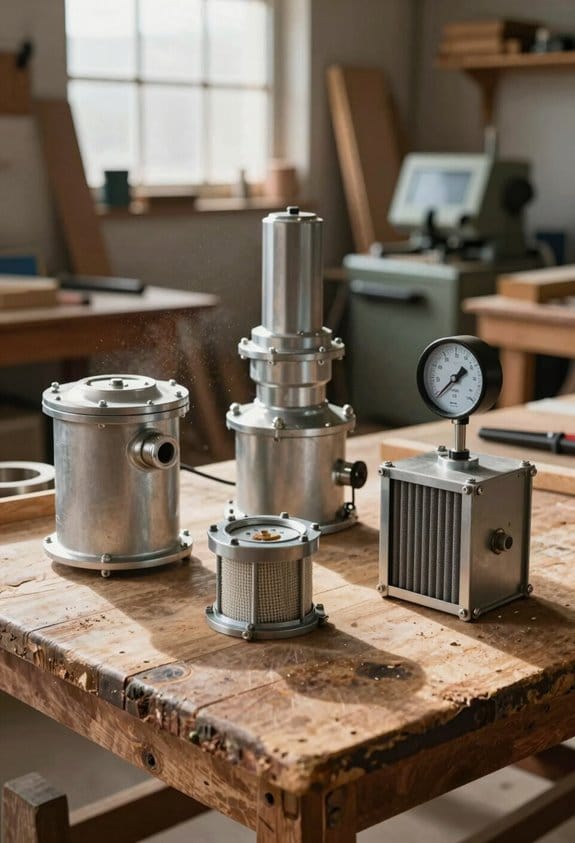
Ever wondered why dust collectors are such a big deal in industrial settings? Here’s the thing: without them, managing production can quickly turn into a real nightmare. Dust from manufacturing processes not only poses a serious health risk to workers but can also send your machinery into a tailspin, leading to costly repairs.
Consider this: a good dust collection system helps catch those harmful particles flying around, keeping the air cleaner and safer. Less airborne dust means less interference in machinery, which cuts down on both maintenance costs and downtime. So why does this matter? It keeps operations running smoothly and helps protect your team’s health—two crucial components of a successful business.
And we can’t overlook the fire and explosion risks that come with combustible dust. If you work in industries like woodworking or food processing, you know just how dangerous this can be. Investing in a solid dust collection system is a proactive step to reduce these hazards. Plus, it’s a must if you want to stay compliant with regulations from agencies like the EPA and OSHA.
The best part is that a reliable dust collector not only improves air quality, but it can also enhance your product quality. With lower contamination risks, your customers can have more confidence in what they’re buying. Honestly, it’s a win-win for everyone involved.
Many modern dust collectors now feature HEPA filters that capture more than 95% of harmful particles, making workplaces significantly safer and cleaner.
Common Dust Collection Problems and Symptoms
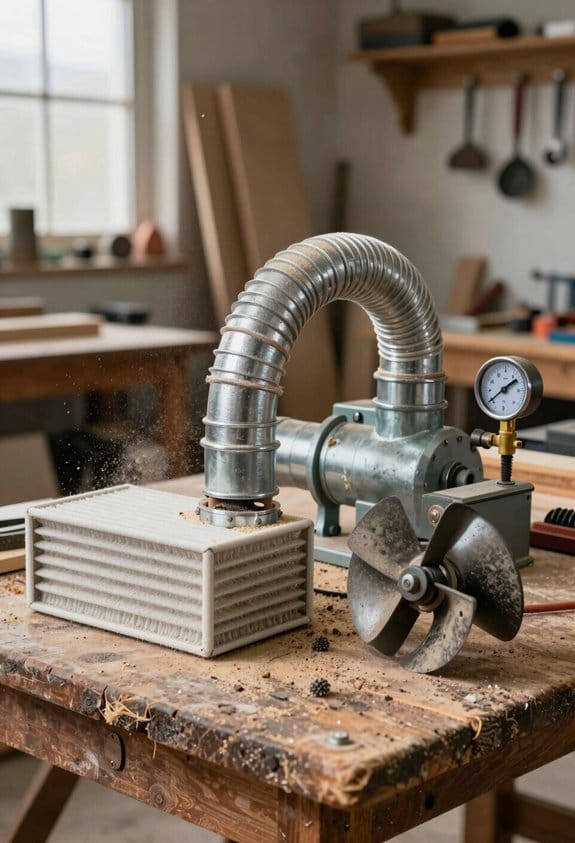
Have you noticed dust escaping from your collection system? That’s a problem many people face in the industry, and it can really mess with air quality and compliance. Excessive dust leakage usually points to issues like damaged filter bags or seals.
Another common issue is seeing high differential pressure readings on your pressure gauge. This can mean your airflow isn’t up to snuff, often due to clogged filters or ductwork. If you’re consuming more energy than you should, it’s likely time to check those areas. And don’t forget: poor system design or blockages can seriously cut down your dust control efficiency, making your workspace a safety risk.
You might also experience high moisture levels, which can plug filter bags or lead to other headaches. If you’re noticing too much product is being picked up, it could mean your dust collector is the wrong size for your needs. Seriously, take a moment to evaluate your setup and make necessary adjustments. Using dust separator kits can enhance debris capture efficiency and reduce clogging in your system.
How to Diagnose Low Suction in Your Air Filter System?

How can you diagnose low suction issues in your air filter system? It can be a bit frustrating when your dust collector isn’t pulling its weight, but there are a few simple steps you can take.
First off, take a look at the filters. If they’re clogged or just plain old, that’s often the culprit behind low suction. It’s a quick fix that can make a big difference in performance.
Next, don’t forget to check the motor’s wiring. Improper connections can actually reverse the fan’s rotation, which is a sneaky way to lose pressure. While you’re at it, it might be a good idea to use a pressure gauge to check for resistance in the ductwork—certain blockages can totally mess with airflow.
Speaking of ductwork, consider its design. Sometimes, what you need is expert advice to really optimize it. And if you’re dealing with different types of particulates, adjusting transport speeds might be necessary to maintain that crucial suction.
Make sure your filters are either washable or replaceable since efficient filtration significantly contributes to overall equipment performance.
So, why does this matter? Because you want to ensure clean air and efficiency in your space. When your air filter system is running smoothly, everything just feels better.
To wrap it up, diagnosing low suction isn’t rocket science. Just remember to keep an eye on your filters, wiring, ductwork, and transport speeds. Have you tried these steps before, or do you have your own go-to methods?
Preventing Particulate Bypass: Key Considerations
When it comes to keeping your dust collection system running smoothly, you might wonder why some dust still seems to escape. Well, preventing particulate bypass is all about a few important details that can really make a difference in how well your system works.
First off, it’s essential to ensure you have the right A.C.T. filters for the type of dust you’re dealing with. If you’ve just installed new filters, give them about a day to really kick into gear. They often need a little time to reach their best performance, and you might find they don’t catch everything right off the bat. Are you inspecting your filters regularly? That’s a must—damaged filters and flattened gaskets can create gaps. Those gaps can allow particulates to slip right through, which is definitely not what you want.
If you notice your main filters aren’t getting the fine dust, you might want to think about adding a secondary filter, like a HEPA filter, to the mix. Dust in the exhaust? That’s a surefire sign you need to take a closer look. Ignoring it could lead to more significant efficiency issues down the line. Using a cyclone separator can also help capture up to 99.9% of dust before it reaches the filter, greatly reducing filter clogging and maintenance.
Strategies for Managing Clogged Filters Effectively
Managing clogged filters in your dust collection system can feel like a constant battle. Ever dealt with the frustrations of low airflow because of a dirty filter? It’s one of those annoying issues that can really mess with your workflow. But don’t worry, there are a few solid strategies to keep things running smoothly.
First off, regular maintenance is key. Set aside some time each week to inspect your filters and give them a blowdown. This simple act can clear away dust that tends to pile up, keeping your airflow efficient. You might be surprised at how much buildup can accumulate in just a few days.
Next, keep an eye on the pressure differentials across your filters. This is a great way to catch any clogging before it turns into a bigger headache. It’s not a chore if you make it a routine—it can save you a lot of trouble down the line.
Now, let’s talk about the type of dust you’re collecting. Different dust types can require different strategies. For heavier dust, you’ll want to increase your transport speeds to keep buildup at bay. So why does this matter? If you don’t account for the kind of dust you’re dealing with, you could end up overloading your filters and dealing with frequent clogs.
Another great tip is to consider installing pre-filters or secondary filtration systems. They help take some of the load off your main filters, which can extend their lifespan. Honestly, it’s just a smart way to keep your system from struggling under the weight of all that dust.
In short, managing clogged filters isn’t just about quick fixes; it’s about setting up a system that works efficiently. Take a little time for regular maintenance, monitor those pressure changes, and adjust your approach based on the dust type. Selecting the right dust hose connectors can also enhance your dust collection efficiency. What small changes can you make today to keep your dust collection system running at its best?
Troubleshooting Zero-Pressure Differential in Dust Collectors
Dealing with a zero-pressure differential in dust collectors can be a real headache. If you’re seeing a reading like that, it usually means something’s not right within the system. What does zero-pressure differential mean? It often points to filter issues, which can result from improper tubing connections between the dirty and clean air sides of your setup. It’s really important to keep an eye on those pressure differential readings; so, don’t skip out on checking the gauge every now and then.
When you hit that zero-pressure differential mark, troubleshoot it without delay. Why wait when dragging your feet can lead to inefficiency, or worse, increased emissions? A dust collector that’s working properly should always show some pressure differential. This reading indicates that you’ve got effective airflow in place, which is crucial for capturing dust and particulates. After all, maintaining clean air is essential to keep your work environment safe and healthy.
Here’s what to do: first, check those connections and make sure everything’s properly sealed. You might also want to inspect the filters for any clogs. Regular maintenance really helps prevent these issues before they start. Honestly, it pays off to stay proactive rather than reactive in these situations. Using a dust extractor equipped with a HEPA filtration system can significantly reduce fine particulate buildup and improve overall efficiency.
Ensuring Proper Functionality of Dust Collector Pulsing Systems
Do you ever wonder why your dust collector system isn’t performing as well as it should? If you’re dealing with clogged filters and increased pressure drops, you’re probably losing efficiency and airflow. There are a few key things you can check to get your pulsing system back on track.
First off, look out for common issues, like incorrect wiring. It might be worth calling in a certified electrician if you suspect something’s off. Have you considered switching to an “on-demand” pulse control system? This system only uses compressed air when it’s really needed, which can save you energy while prolonging your filter bag life.
Regularly checking your solenoid valves and timer operations is also crucial. Malfunctioning parts can throw a wrench in your pulsing method and create bigger problems down the line. We should also keep an eye on the moisture in your compressed air. Too much humidity can lead to bag plugging, so think about investing in air dryers to keep everything running smoothly. Maintaining optimal airflow with a proper CFM rating is essential to ensure efficient dust movement and system performance.
Ongoing Maintenance Tips for Optimal Dust Collection System Performance
Is your dust collection system not performing like it used to? It can be frustrating when you know there’s something off, but regular maintenance can make a huge difference. Start by checking for leaks in those filter bags and seals. Even the tiniest gap can throw your whole system out of whack.
Make it a habit to keep an eye on those differential pressure gauges. If they start showing odd readings, it’s time to dig a little deeper. That’s your system’s way of telling you something needs attention. Also, don’t forget about the compressed air system; keeping that clean and in good shape helps eliminate inefficiencies caused by leaks or faulty valves.
And don’t just stop at visual checks; routine inspections can help you catch potential clogs before they become a big headache. Keep monitoring those components, and you’ll maintain that ideal airflow that’s crucial for effective dust collection.
Ensuring your system maintains at least 1100 CFM airflow is key to keeping dust removal efficient and your workshop clean.
So, why does all this matter? A well-maintained system not only runs efficiently but also can save you money in the long run.
In short, regular checks and upkeep can go a long way in keeping your dust collection system in top shape. What’s your go-to maintenance tip for your systems?
Frequently Asked Questions
How Often Should I Replace Dust Collector Bags?
We should replace dust collector bags every 6 to 12 months, depending on their condition. Regular checks for signs of wear help maintain dust collection efficiency, ensuring maximum airflow in our workspace. Let’s keep it clean together!
Can I Use Any Type of Compressed Air for Cleaning?
We can use certain compressed air types for cleaning, but we should consider air quality and safety precautions. Proper cleaning methods guarantee effective dust removal while protecting our health and maintaining peak performance in our workspace.
What Materials Are Best for Dust Collector Bags?
When it comes to dust bag materials, we’d say polyester reigns supreme for filtration efficiency. It’s essential to guarantee bag compatibility with your system. Regular maintenance tips can also keep our collection system running effortlessly.
How Do I Test for Leaks in My System?
We can test for leaks in our system using various leak detection methods, like air pressure testing. We’ll also assess duct materials and apply sealant techniques to guarantee everything’s airtight and functioning efficiently.
Is There a Standard Maintenance Schedule for Dust Collectors?
We should establish maintenance intervals for our dust collectors, keeping filter replacements in mind. Regular check-ups boost collector performance, while a few troubleshooting tips along the way can help us stay ahead of any issues.


