As an Amazon Associate, we earn from qualifying purchases. Some links on this site are affiliate links at no extra cost to you. Our recommendations are based on thorough research and editorial judgment.

Disposable vs Reusable Respirators: When to Choose Each

When it comes to picking between disposable and reusable respirators, it’s all about the environment you’re in. Have you ever found yourself wondering if that N95 mask you’re wearing is really doing the trick?
Sure, disposable masks are great for everyday use in lower-risk situations, but they can lose their effectiveness if you don’t swap them out regularly. Did you know they can have a 36% failure rate? That’s something to think about!
On the flip side, reusable respirators might be the better choice for you if you need more protection. They tend to fit better, making it easier to breathe. Plus, they often provide much higher levels of protection, sometimes achieving assigned protection factors in the thousands.
Here’s the trick: if you’re in a setting where safety is a big concern, going for a reusable respirator could give you peace of mind.
So, it all boils down to balancing comfort, cost, and safety standards. Consider how long you’ll be wearing the respirator, the kind of work you’re doing, and your budget.
Frankly, you don’t want to skimp on safety, but you also don’t want to waste money on something you won’t really need.
In the end, whether you choose a disposable or reusable respirator, just make sure you know what fits your situation the best. What are your thoughts on which type suits your needs?
Key Takeaways
- Choose disposable respirators for low-risk tasks with minimal exposure, like woodworking or construction, due to their ease of use and quick protection.
- Opt for reusable respirators in high-risk environments, such as healthcare, for better fit, comfort, and potential cost savings over time.
- Evaluate specific hazards; use N95 or P100 filters for dust, but select specialized cartridges for chemical exposure.
- Consider the total cost over time; disposable masks may seem cheaper initially but incur higher ongoing costs due to frequent replacements.
- Ensure proper fit and compliance with safety standards through regular fit testing and maintenance of reusable respirators for maximum protection.
Understanding Disposable Respirators: Best Uses and Limitations
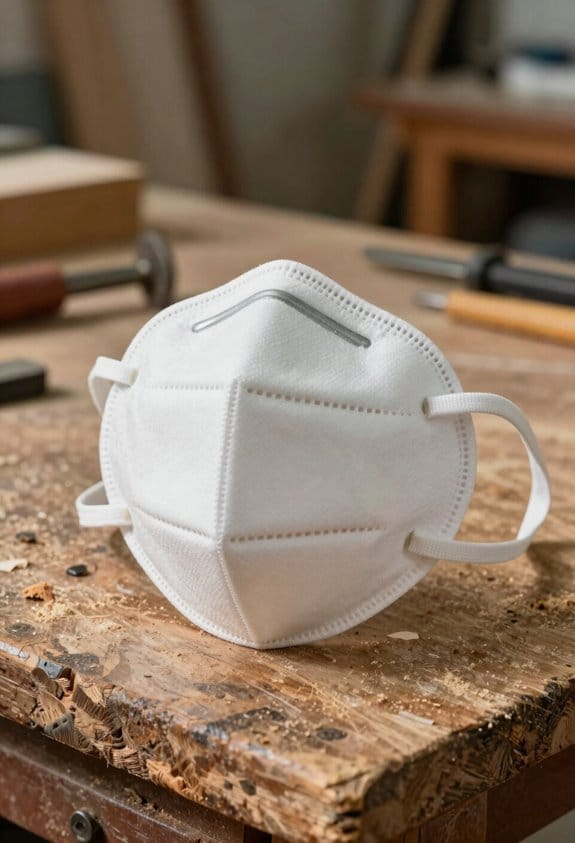
What’s the deal with disposable respirators? If you’re looking for quick protection against airborne dust at a construction site or in manufacturing, these masks could be right up your alley. They’re super lightweight and super easy to throw on, making them a solid choice for those on the go. But there’s a catch: since they come in just one size, they don’t always fit perfectly, which can leave you feeling a bit exposed.
Try this: think of disposable respirators for those short tasks where you need a little extra protection but don’t want to spend a bunch of time getting ready. They work well for low-risk situations, like when you’re just doing some quick sanding or working with materials like wood or silica. On the flip side, you’ll have to replace them often, which can add up cost-wise and create more waste. Honestly, no one wants to be the person who adds to the landfill problem.
So, why does this matter? Research shows a 36% failure rate in studies, especially when stacked against reusable masks. That said, if you’re doing a quick job that doesn’t carry a lot of risk, disposable masks have their place. They can be a practical choice, but remember to stay vigilant about your safety.
In short, while disposable respirators can be handy for short-term needs, weigh the pros and cons. Are they worth it for your specific tasks, or do you need something more reliable? Consider also the importance of safety features like automatic protections and certifications when selecting any respirator.
The Benefits of Reusable Respirators: When to Choose Them

Are you tired of feeling uncomfortable in your disposable respirator during those long workdays? You’re definitely not alone. While many people lean toward disposable options because they’re easy to grab and go, reusable respirators could be the better choice for both your comfort and safety.
These respirators are made from strong elastomeric materials, meaning they hold up well over time. Think about it—by investing in a reusable one, you can actually save money in the long run. Plus, they tend to fit a lot better since they create a snug seal around your face. This not only makes them more comfortable but also helps keep you safe from any harmful particles in the air.
And there’s more. Did you know reusable respirators often have over 50% lower breathing resistance? This means you can work longer without feeling drained. The process for cleaning them is also pretty simple, and with replaceable filters, you’re helping cut down on waste, which is a nice bonus for the planet.
Now, if you work in a high-risk area, like healthcare or chemical manufacturing, sticking with a reusable respirator isn’t just a good idea; it’s smart. The CDC even recommends these kinds for added protection. So, why does this matter? It’s about feeling secure in what you’re breathing, especially when the stakes are high.
Additionally, choosing a reusable respirator with a NIOSH P100 rating ensures you are protected from at least 99.97% of airborne particles for maximum safety.
Understanding Comfort and Fit in Respirator Selection

Choosing the right respirator can feel overwhelming, right? It’s not just about picking one that looks good. Comfort and fit are crucial if you want to stay protected from airborne hazards. There’s no skirting around it: you need to make sure your respirator fits properly.
Fit testing is a must. When you’re doing this, aim for a fit factor of at least 100. This number ensures you’re getting solid protection against those pesky contaminants floating around. Now, here’s an interesting tidbit: reusable respirators often deliver better fit than those one-time-use models. Why? Because they’re customizable. This means they can adapt to different face shapes much better than disposable options, which have a pretty staggering 36% failure rate when it comes to fit.
Another perk of reusable respirators? They usually have lower breathing resistance. This makes them a lot more comfortable, especially if you need to wear one for long stretches of time. Think about it: if you’re more comfortable, you’re going to stick to wearing it, plain and simple. The trick here is to really consider these factors when you’re making your choice. Effective dust collection and superior filtration significantly reduce airborne particles, complementing respirator use for optimal respiratory health.
Cost-Benefit Analysis: Choosing Between Disposable and Reusable Respirators
When you’re picking out respirators, it’s not just about the sticker price. Have you ever thought about how often you’ll need to replace them? Disposable respirators might look like a good deal at first, but those costs can really add up if you’re using them frequently. Plus, studies show that these disposable options can fail 36% of the time when it counts the most, which isn’t exactly reassuring if you rely on them for safety.
Now, let’s talk about reusable respirators. They come with replaceable filters, and while they might cost a bit more upfront, they can save you a chunk of change in the long run. With this option, your ongoing costs will mostly be for periodic filter replacements and the occasional cleaning session. This makes it a lot easier to plan your budget without unexpected expenses creeping in.
Here’s the trick: think about the bigger picture. If you’re consistently throwing away disposable masks, not only are you spending more, but you’re also contributing to waste. Reusable respirators are a much better choice for the environment too. Additionally, features like adjustable straps and nose clips help ensure a secure fit that enhances protection and comfort during prolonged use.
To wrap it all up, doing a solid cost-benefit analysis can really show that reusable respirators are worth it. They’re typically more economical and dependable over time. So, what’s your choice going to be? Are you ready to invest in something that offers both savings and peace of mind?
Why Safety Standards Matter When Choosing Your Respirator
Choosing the right respirator isn’t just about how much it costs—it’s also about safety standards that really matter. Ever thought about how organizations like NIOSH and OSHA step in to guide our choices? They set important regulations that help you pick the right respiratory protection based on what airborne hazards you might face and how much you’re exposed.
For example, have you heard about disposable respirators? N95s have a maximum assigned protection factor (APF) of 10, which is decent but not always enough. If you’re in high-risk environments, reusable respirators can give you APFs that go into the thousands. Those numbers aren’t just for show; they can seriously make a difference in protecting you from harmful particles.
Now, let’s talk about fit testing. It’s crucial—there’s really no getting around that. A proper seal not only boosts your safety but keeps you compliant too. It’s about creating a barrier between you and potential hazards. Like, when you see healthcare workers using reusable models, it’s because they meet strict safety standards while also cutting down on waste—especially important when you’re exposed for long periods.
In many ways, choosing the right equipment for your environment is as important as selecting the best dust management tools to maintain a safe and clean workspace.
Key Factors for Selecting the Right Respirator for Your Needs
How do you find the right respirator for your needs? It starts with understanding your safety requirements and what harmful substances you might encounter. If you’re in a low-risk situation, disposable respirators like N95 masks can work for you. However, think about this: they need to be replaced often, which can rack up costs and take a toll on the environment.
On the flip side, reusable respirators are definitely worth considering. They usually fit better, offer more comfort because of adjustable sizes, and let you change out the filters. This makes them a great choice for high-risk settings. Before you dive in, make sure to do a fit test. It ensures a good seal, giving you that extra layer of protection when you need it most.
What else should you take into account? Job-specific hazards play a big role. If you’re in a dusty environment, N95 or P100 filters will be your best bet. But if you’re dealing with chemicals, you’ll want special cartridges designed for that. With all these factors in mind, you’ll be on the right track to finding a respirator that prioritizes your safety, comfort, and even the planet. Always ensure your respirator cartridges are NIOSH-approved to guarantee effective filtration and regulatory compliance.
Frequently Asked Questions
Can Disposable Respirators Be Reused in Any Circumstances?
We can’t typically reuse disposable respirators due to reusability limitations, contamination risks, and performance decline. It’s crucial to follow safety standards, regulatory guidelines, and usage instructions to guarantee user comfort and maintain effectiveness throughout their lifespan.
How Do I Properly Clean Reusable Respirators?
How can we guarantee our reusable respirators last longer? We should follow proper cleaning techniques, use appropriate disinfection methods, and adhere to safety precautions, maintenance tips, and storage guidelines to minimize contamination risks and enhance user experience.
What Filters Are Compatible With Reusable Respirators?
We can choose filters compatible with our reusable respirators based on filter types and application needs. Ensuring proper filter effectiveness and meeting filtration standards helps us maintain safety regulations while considering user preferences and environmental conditions.
Are There Specific Environments That Favor Disposable Respirators?
We’ve found that disposable respirators excel in industrial workplaces, healthcare settings, and construction sites. They’re ideal for confined spaces, agricultural environments, and during chemical exposure, emergency response, welding operations, mold remediation, and effective dust control.
How Long Do Disposable Respirators Last Before Needing Replacement?
Disposable respirators typically last until they show signs of wear, clogged filters, or contamination. We should consider durability factors, usage frequency, material quality, and safety regulations to assess their lifespan and replacement indicators effectively.