As an Amazon Associate, we earn from qualifying purchases. Some links on this site are affiliate links at no extra cost to you. Our recommendations are based on thorough research and editorial judgment.

Emergency Response Planning for Workshop Accidents

Have you ever thought about what would happen in a workshop accident? With around three million workplace injuries reported in 2021 alone and 18,000 fatalities each year, it’s a harsh reality that we’ve got to face. That’s why having a solid emergency response plan in place is critical.
So, what should your plan include? Start by establishing communication strategies that actually work when seconds count. You also need to conduct regular hazard assessments to identify potential risks. And don’t forget about procedures for shutting down machinery quickly—those few moments can make all the difference.
Training is another key component. Regular drills help ensure that everyone knows their role in an emergency. The best part is that these drills can help you spot any gaps in your plan before a real crisis hits.
Plus, keeping safety equipment up to date is crucial. You’ll want to make sure everything’s ready to go when you need it.
Honestly, there’s always room for improvement when it comes to your response protocols. Keeping an eye on new safety standards and best practices can really enhance your workplace safety.
In the end, having a well-thought-out emergency response plan is about more than just compliance; it’s about protecting people. Are you prepared to handle emergencies in your workshop?
Key Takeaways
- Develop a clear emergency response plan that outlines communication strategies and roles for team members during workshop accidents.
- Conduct regular drills and hands-on training sessions to ensure effective reaction and familiarity with emergency procedures.
- Perform comprehensive hazard assessments to identify potential risks and engage employees in discussions about safety improvements.
- Maintain and regularly check safety equipment, such as fire extinguishers and first aid kits, to ensure readiness during emergencies.
- Update emergency response plans annually or after significant incidents to reflect new risks and gather feedback from local emergency services.
Why Emergency Response Planning Matters for Workshops

Have you ever stopped to think about what you’d do in an emergency at your workshop? With nearly 3 million workplace injuries reported in 2021, it’s clear we need to be ready for anything. Heavy machinery and sharp tools are everywhere, making accidents a real risk. Sadly, around 18,000 people lose their lives in such settings each year. This isn’t just a statistic; these are real people affected by avoidable incidents.
Creating an emergency response plan can really make a difference. This plan helps you quickly assess what’s happening and communicate effectively when it counts. You can ensure that everyone knows what to do, how to provide first aid, and when to call for help. Try this: regularly practice your emergency response through training sessions or drills. After all, the more familiar everyone is with safety protocols and evacuation routes, the more prepared your team will be when things go wrong.
So, why does this matter? It’s all about fostering a culture of safety and accountability in your workshop. When everyone feels responsible for their safety and that of their coworkers, it dramatically reduces risks and creates a better working environment. You want a space where everyone can focus on their work instead of worrying about potential dangers.
Ultimately, if you haven’t put an emergency response plan in place, now’s the time to think about it. Review your safety measures, get your team on board, and make sure everyone knows what to do in an emergency. How prepared is your workshop right now? Having a first aid kit that complies with OSHA and ANSI standards is essential for enhancing preparedness and ensuring you’re ready when accidents happen.
Key Components of an Effective Workshop Emergency Response Plan
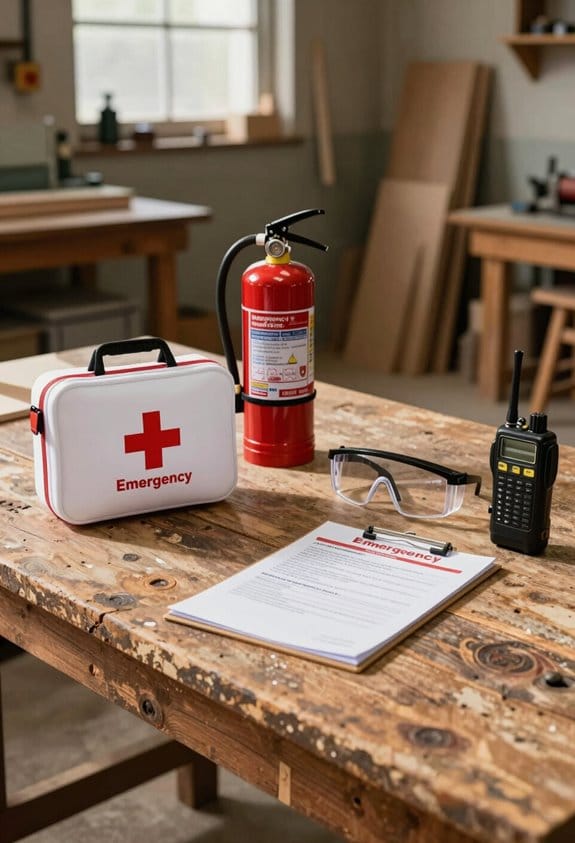
What would you do if an emergency hits your workshop? Having a solid emergency response plan in place is crucial for keeping everyone safe. Let me share some real-world tips that have worked in my experience.
First off, communication is key. You want to make sure that everyone knows who to contact when things go south. If a situation arises, clear protocols can help spread information fast and keep everyone in the loop. It’s best to set up these communication lines beforehand to avoid confusion during a crisis.
Next, don’t forget to run regular drills and training sessions. Focus on specific scenarios you might actually face, like tool malfunctions or chemical spills. The best part is that these practices not only prepare your team but also significantly cut down the chances of someone getting hurt.
Now, when it comes to dealing with machinery, timing is everything. Make sure your plan includes how to quickly shut down machines, secure the workspace, and evacuate everyone safely. You wouldn’t want to waste precious time figuring this out during an emergency.
Safety equipment is another biggie. Regular maintenance checks for things like fire extinguishers and first aid kits should be on your to-do list. Documenting these checks ensures you know everything is operational when you need it most.
Lastly, a thorough hazard assessment is essential. You need to identify potential risks in your workshop—what could go wrong? This knowledge helps you create effective response strategies tailored to your specific environment.
Additionally, understanding ergonomic tools and their proper use can help prevent accidents caused by hand fatigue and poor handling during emergency interventions.
Recommended Products

🔋 Massive 7200Wh Capacity & Expandable: Never run out of power during outages. With a massive 7200Wh base capacity, it powers essential home appliances for days. Supports daisy-chaining up to 15 additional power packs (sold separately) to expand total capacity to 57.6kWh, ideal for whole-house off-grid living or extended RV trips.
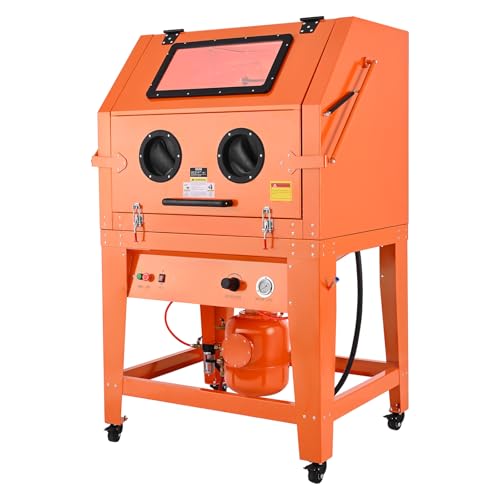
Industrial-Grade Power & Efficiency: Experience faster cleaning with our professional pressurized tank system. It delivers unwavering, high-pressure blasting to quickly strip rust, paint, and coatings, while ensuring consistent results for both small and large-scale jobs

[Smart Craft with 5MP AI Camera] The built-in 5MP HD AI camera provides real-time workspace preview with one-click calibration. Simply drag and drop your design onto the material and engrave exactly where you place it. Precise visual positioning reduces alignment errors, material waste, ensuring high accuracy while eliminating guesswork and wasted material.
Perform a Comprehensive Hazard Assessment

Have you ever stepped into a workshop and felt uneasy about safety? It’s a common issue, and identifying safety hazards is crucial if we want to keep everyone safe. You need to be on the lookout for things like machinery hazards or chemical exposure. One effective way to spot these risks is to dive into past incidents and near misses. They can really shine a light on what needs our focus.
Engaging your team is key. They’re the ones handling the equipment every day, so why not ask for their insights? By encouraging open conversations about safety, you create a culture where everyone feels responsible for looking out for each other. It’s all about teamwork in maintaining a safe environment.
Making a clear record of what you’ve found is a smart move. It lays the groundwork for your emergency response plans, making sure everyone knows what to do if something goes wrong. Regularly checking for compliance with safety regulations is also essential. You want to keep your assessment current, especially as new equipment comes in or regulations change.
Now, don’t forget the importance of reassessing hazards regularly. This practice not only keeps your workshop safe but helps everyone grow in their awareness of safety. To effectively manage energy sources and prevent unexpected startup, implementing lockout tagout procedures is essential. So, ask yourself: when was the last time you took a good look around for potential hazards? Keeping safety in check is a continuous journey, and it’s one worth taking for the peace of mind of everyone involved.
Recommended Products

OSHA Compliant LOTO Kit - Lock Out Tag Out Kit with (95) comprehensive lockout tagout devices, including a tear-resistant polyester canvas tool bag organizer; developed and tested to ensure proper control of hazardous energy

Industrial Grade LOTO Station - 19 gauge powder-coated LOTO kit station with (12) firm ABS shackle holders, abrasion-resistant lockable cover with 2 keys, transparent acrylic window, keeps lock out tag out devices safe from loss and damage; each lockout station is keyed differently

Industrial Grade LOTO Station - (105) multifunctional lock out tag out devices, including an ultra-durable lockout tagout kit board made from engineering polycarbonate material with tough transparent lockable cover to protect tools from dirt, prevents unauthorized use of lockout tagout devices
Identifying Specific Workshop Emergency Scenarios
When you think about safety in workshops, what comes to mind? It’s crucial to recognize some real emergency situations that can pop up during daily operations. For example, equipment malfunctions are a big deal, leading to about 18,000 fatalities each year just from heavy machinery failures. This isn’t something to take lightly. Also, let’s talk about chemical spills. They can create serious health hazards if not managed quickly, and that’s definitely a scenario you want to be prepared for.
Electrical hazards and fire incidents? They can turn a routine day into a nightmare in no time flat. You might be wondering how to stay ahead of these risks. One way is to ensure your team has proper training. Regular drills can make a huge difference. They get everyone familiar with evacuation routes and emergency exits, so there’s no confusion when the real deal happens.
Here’s the kicker: looking at past incident reports can help you find patterns that might not be obvious at first. By digging into these reports, you can spot trouble areas and come up with solid strategies to prevent future issues. It’s all about being proactive, and that’s how you really keep your workshop safe and efficient. Additionally, using hearing protection designed for noisy environments can significantly reduce the risk of hearing damage during emergencies.
Recommended Products

Metal-detactable for use in food processing
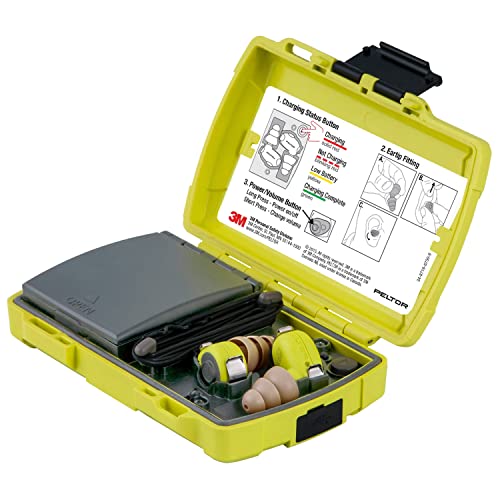
Allow audio signals to be received wirelessly from a neckloop accessory

Leading Manufacturer Of High-Quality Products
Setting Up Effective Communication in Your Emergency Response Plan
Effective communication is critical during emergencies, and it can really shape the outcome of these situations. Think about it: when seconds count, having a solid plan for getting the right info to the right people can make all the difference.
To make sure everyone stays in the loop, set up reliable communication channels. Two-way radios and dedicated emergency apps are great tools to get started. They allow your team to quickly report incidents and receive updates, which is super important when things get chaotic. Don’t forget to clearly define who’s in charge of what regarding communication. For instance, you should know who’s relaying information to emergency responders and keeping everyone informed.
Creating a solid internal communication plan can really help too. You should outline the notifications and instructions for different scenarios so that everyone knows what to do when the time comes. And here’s a tip: regular drills are a must. They help you test your emergency tools and protocols, spot weaknesses, and improve your response process.
Access is key; if everyone can use the communication methods set up, then emergency reporting and information sharing will be much more effective. Additionally, using tools with easy setup can facilitate quick deployment and ensure consistent communication during emergencies.
Train Employees on Emergency Response Procedures
Have you ever thought about what would happen if an emergency broke out at work? It’s a scary thought, right? The truth is, with nearly 3 million workplace injuries reported every year, it’s crucial to be prepared for accidents. Training employees on emergency response procedures isn’t just a box to tick; it’s a lifeline.
Try incorporating some hands-on emergency training techniques. These not only help your team learn the ropes but also prepare them to act fast when something goes wrong. One of the most effective ways to do this is by running realistic scenario simulations. They make it clear what each person’s role is in an emergency, ensuring everyone knows what to do. When the moment counts, those quick reactions could make all the difference.
Here’s the trick: keep people engaged during training. Boring sessions don’t stick, so mix it up with interactive strategies like group discussions and hands-on practice. Make it fun so your staff stays alert and connected to the material. Don’t forget to provide easy access to clearly documented procedures. That way, when things get chaotic, everyone knows where to look for help, cutting down on confusion.
Honestly, it’s about fostering a culture of safety. Regular updates and refresher courses keep everyone sharp and aware, which goes a long way in preventing accidents and injuries. So, think about your workplace—are you doing enough to ensure everyone knows how to handle an emergency? Including proper maintenance of dust extractor filters can also significantly reduce respiratory hazards during cleanup after incidents.
Recommended Products

Realistic Assessment Training – Features 3rd-degree burn at the elbow, deep 2nd-degree on the upper arm, and superficial 2nd-degree on the forearm and palm, allowing trainees to identify and assess varying burn depths accurately
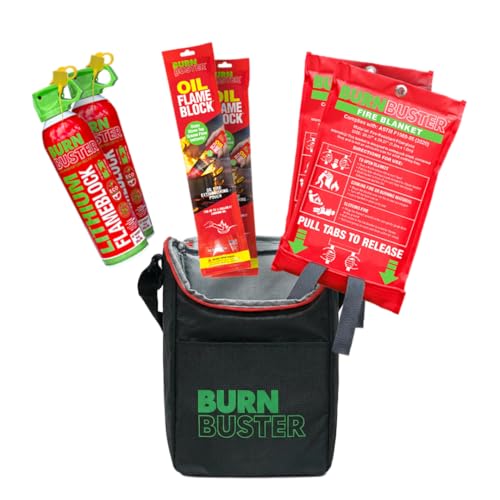
Everything You Need, One Kit: This compact & portable 6-piece set helps you take quick action in case of battery, kitchen, or small electronics fires. Keep your household or travel spaces equipped and ready.

Realistic Simulation: The laceration wound packing trainer simulates the realistic appearance and characteristics of a knife wound, creating lifelike training scenarios. This kit is used for simulating wound management and bleeding stop training, enabling learners to understand the principles of bleeding, hemostasis, and shock.
Conduct Regular Emergency Drills for Effective Preparedness
Have you ever thought about what would happen if an emergency struck your workplace? It’s a scary thought, but being prepared can make all the difference. Conducting regular emergency drills isn’t just a good idea; it’s essential for helping everyone feel comfortable with the procedures in place. Aim for at least two drills a year—this helps your team remember what to do when it really counts.
After each drill, don’t skip the important step of debriefing. This is where the real learning happens. Gather your team to discuss what went well and what could be improved. This kind of reflection can highlight areas that need tweaking, which surely helps when the next drill rolls around.
Involving local emergency services during these drills? That’s a smart move. It’s a great way to build connections and understand how they operate in a pinch. You get to see their capabilities firsthand, and it fosters teamwork, making your workplace even stronger.
Practicing frequently cuts down response times. When emergencies happen—and they will—you want your team to act swiftly. It can be the difference between minor injuries and major chaos. So, ask yourself, how prepared is your workplace right now? Regular drills are a proactive way to protect your community. Additionally, ensuring your workspace maintains safety compliance with health and safety regulations helps minimize risks during emergencies.
Keep Safety Equipment and Emergency Supplies Up-to-Date
Have you ever thought about how prepared you really are for emergencies? It’s easy to overlook safety equipment and emergency supplies until you need them. That’s why it makes sense to check these items at least once a month to ensure they’re up-to-date and in working order.
Regular safety audits can seem tedious, but they’re important. This is when you can spot critical items that need your attention. Think about it: fire extinguishers, first aid kits, and even eyewash stations shouldn’t just be there—they should be ready to go when you need them. Keeping an accurate inventory is key; that way, you’ll know you have everything necessary for those unexpected accidents in the workshop.
Try this: set a clear maintenance schedule for all your gear. This way, you’re not just checking items off a list; you’re documenting repairs or replacements, which helps keep your safety protocols strong. Truth is, it’s also crucial to regularly look for expired items in your first aid kits. Staying on top of this means you’ll have what you need for a speedy response in emergencies.
And don’t forget about training! Providing your team with the know-how on how to use this equipment increases awareness and ensures everyone’s ready when it counts. It’s just another step in making sure you’re all prepared.
Additionally, understanding the flow rate requirements for eyewash stations ensures they provide adequate flushing during emergencies.
Recommended Products

Halotron I, Class B:C Extinguisher


Chemical & Capacity: Halotron I Clean Agent, 2.5 Pounds
Regularly Evaluate and Update Your Emergency Response Plan
Ever think about how prepared your workshop really is for emergencies? It’s easy to feel secure with your current emergency response plan, but keeping it up to date is crucial. Regularly reviewing and tweaking your plan helps ensure it stands up to any new risks that could pop up.
Aim to go over your emergency plans at least once a year. And if anything significant happens — like a near miss or actual event — that’s a perfect time to reassess. Learning from past incidents can really improve your policies. Engaging with local emergency services and getting feedback from your team is another great step. They can offer insights on what could work better in real-world situations.
Don’t forget to keep an eye on changes in your workshop too. New equipment, shifts in staff size, or even changes in operating procedures can affect your safety protocols. So, it’s wise to adjust your emergency plan accordingly.
Here’s the trick: ongoing training and regular drills can make a massive difference in how ready your employees feel. The more familiar they are with updated procedures and safety measures, the better prepared they’ll be in a real emergency.
In short, staying proactive about your emergency response plan isn’t just a good idea — it’s essential for workplace safety. Implementing systems with programmable features can also streamline emergency operations and enhance control during crises. So, how often do you think you should revisit your own plan?
Frequently Asked Questions
What Types of Accidents Commonly Occur in Workshops?
In workshops, we often encounter slip falls, electrical shocks, and chemical spills. Each presents unique hazards that we should be aware of, ensuring we’re prepared to handle them effectively to maintain a safe environment.
How Often Should We Review Our Emergency Response Plan?
We should review our emergency response plan regularly, like tuning a musical instrument. Incorporating emergency simulation drills and training frequency evaluations into our plan update schedule keeps our preparedness in harmony, reducing risks and enhancing safety overall.
Who Is Responsible for Emergency Response Planning in a Workshop?
We’re all responsible for emergency response planning in our workshop, ensuring we meet legal obligations. By collaborating on safety protocols and crisis management, we create a safer environment for everyone involved. Let’s make it a priority together!
What Should Be Included in an Emergency Contact List?
Our emergency contact list should include essential emergency contacts, like local authorities and medical services, alongside communication methods like phones and radios. Additionally, we should outline response protocols for swift, coordinated action in crises.
How Can We Encourage Employee Involvement in Emergency Preparedness?
To encourage employee involvement in emergency preparedness, we can implement team drills, conduct safety training, and hold feedback sessions. Engaging everyone fosters a proactive safety culture where everyone feels responsible for our collective well-being.


