As an Amazon Associate, we earn from qualifying purchases. Some links on this site are affiliate links at no extra cost to you. Our recommendations are based on thorough research and editorial judgment.

Fit Testing for Respirators: Why It Matters

Fit testing for respirators is a big deal, especially if you want to stay safe from airborne hazards. You might be surprised to learn that OSHA requires not just an initial fit test, but also annual retesting. This isn’t just red tape; it’s about keeping you and your coworkers protected.
When you think about fitting a respirator, it comes down to two main methods. The first one, qualitative fit testing, is about how well you can feel that seal – basically, it relies on your senses.
On the other hand, quantitative fit testing gives you exact numbers on air leakage. For half masks, that number should be at least 100, and for full facepieces, it’s 500. It sounds complicated, but it’s crucial for making sure your respirator does its job right.
So, why does this matter? In normal circumstances, a poorly fitted respirator could mean you’re still inhaling harmful particles, which is obviously not what you want. Trying to do your job while worrying about health risks can be overwhelming, but knowing how to keep your respirator fitted properly helps put your mind at ease.
The best part is – understanding these requirements helps elevate workplace safety overall. Take the time to engage in fit testing, and it can make all the difference for you and your team.
Remember, this isn’t just about compliance; it’s about creating a safer environment for everyone involved.
Thinking about the last time you checked your fit? It’s worth a moment to reflect. After all, with all the risks out there, ensuring the effectiveness of your respirator should be a top priority.
Make it a habit to check and retest. It’s a simple step that can lead to a big impact.
Key Takeaways
- Fit testing ensures a proper seal, preventing exposure to harmful airborne hazards and maintaining workplace health and safety standards.
- OSHA mandates initial and annual fit testing to comply with safety regulations and protect workers from potential risks.
- Changes in weight, dental work, or respirator types require retesting to ensure continued safety and effectiveness of respirators.
- Regular fit testing promotes awareness of workplace health issues and enhances compliance beyond mere regulatory requirements.
- Technological advancements streamline fit testing processes, improving participation and ensuring proper use of personal protective equipment (PPE).
The Importance of Respirator Fit Testing in the Workplace
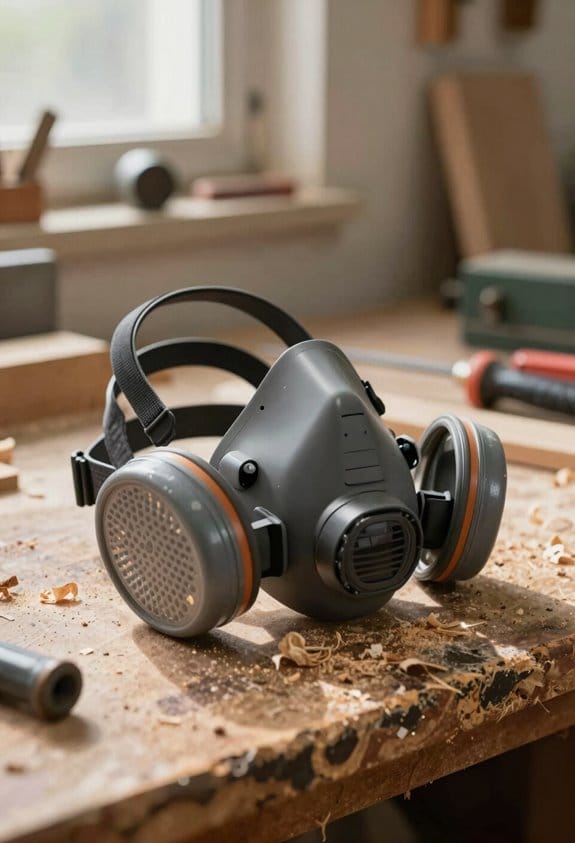
Have you ever stopped to think about how safe your breathing is at work? Respirator fit testing isn’t just another item on a checklist; it’s a crucial step in protecting your health. OSHA requires this testing before you ever put on a respirator and then every year after. Why? Because a proper seal is absolutely essential for keeping airborne hazards at bay.
When it comes to testing, there are two methods to consider. The qualitative fit test relies on our senses to detect certain agents, while the quantitative test gives a more precise measurement of any leaks around the respirator’s face seal. Even a tiny leak can drastically reduce the fit factor, which can put you at risk. So, why does this matter? In high-risk places like construction sites or healthcare settings, good fit is your first line of defense against serious health issues caused by airborne particles and illnesses.
The best part is that regular fit testing isn’t just about compliance; it’s about staying safe. Here’s the trick: if you make fit testing a routine part of your safety checks and engage your team in the process, everyone stays aware and responsible. It can really make a world of difference in maintaining a healthy work environment. Additionally, selecting respirators with medical-grade silicone face seals can significantly enhance fit and comfort during long wear.
When to Retest for Fit: Key Triggers?

When it comes to wearing a respirator, is there anything more crucial than ensuring it fits just right? If you think you can ignore fit testing, think again.
You should definitely consider retesting after any significant weight change. Even losing or gaining a few pounds can alter the integrity of the facial seal, which is key for the respirator to do its job effectively. Have you had any dental work or facial surgery recently? That’s another good reason to get a new fit test. Trust me, you want to guarantee that proper seal.
Now, here’s a little insight: if you receive a different make, model, size, or style of respirator, OSHA mandates a fit test. It’s not just bureaucracy; it’s about your safety. Plus, annual fit testing is a smart move not just for compliance but for keeping you protected from airborne hazards.
Regular assessments are especially important in high-exposure environments. I can’t emphasize this enough: an improper fit could lead to serious health issues. Wouldn’t you want to avoid that?
Using equipment with certified HEPA filtration can significantly reduce airborne particles, making maintaining a proper respirator fit even more critical.
Understanding the Two Types of Fit Tests: Qualitative vs. Quantitative
Have you ever put on a respirator and wondered if it really fits? Proper fit is crucial for your safety, especially in environments where you need respiratory protection. That’s where fit testing comes into play.
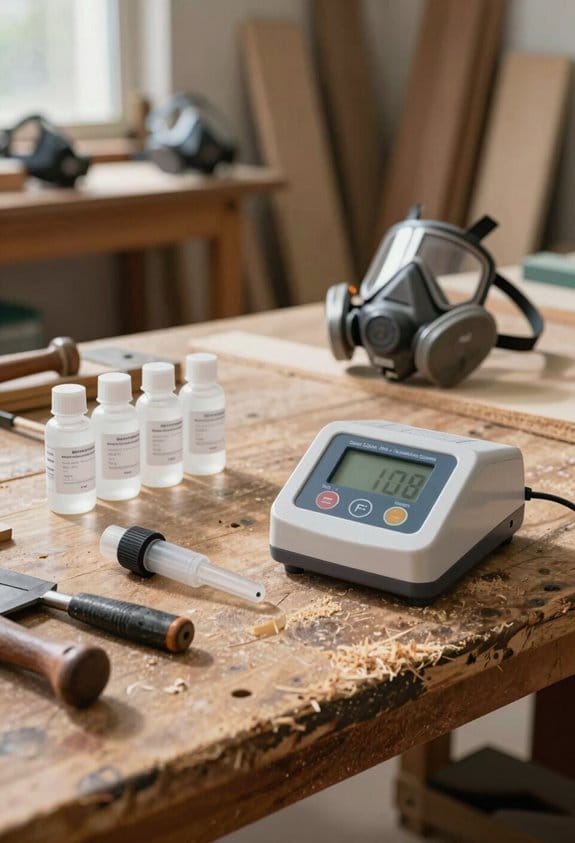
Let’s break down the two main types of fit tests: Qualitative Fit Testing (QLFT) and Quantitative Fit Testing (QNFT). QLTF does things a bit differently. It’s all about your senses—using a Fit Test Kit, you’ll smell specific agents like Isoamyl acetate to check for leaks. Sounds simple, right? You’ll go through seven different exercises over about seven minutes, including various breathing patterns and head movements. It’s a pass/fail kind of deal, so you’ll know if your mask fits without any fancy gear.
Now, if you want something a bit more precise, there’s QNFT. This method uses specialized equipment to actually measure how much air is leaking from your respirator. It’ll give you a specific fit factor, which is important to know. For half-mask respirators, you’re looking for a fit factor of at least 100, while full-facepieces need to hit at least 500. Getting these numbers right ensures your respirator is doing its job.
It’s important to remember that both types of fit tests need to be done before you first use your respirator. And don’t forget to repeat the tests annually or whenever something changes, like shifting to a different model or new workplace conditions. This isn’t just about compliance, it’s about your health and safety.
So, why does this matter? You want to make sure you’re getting the full protection you need when it counts. After all, a proper fit means you can breathe easier—literally and figuratively.
In the end, make it a priority to test your respirator fit. It’s a small step that makes a big difference. How often do you think about the importance of a good fit?
Daily Seal Checks: How to Ensure Your Respirator Works
Ever put on your respirator and wondered if it’s really doing its job? You’re not alone. It’s crucial to make sure your gear fits well and protects you from all the nasty stuff in the air. A quick daily seal check can save you a world of trouble, and it only takes a minute.
Here’s how to do it: Start with a positive pressure seal check. Block the exhalation valve and try to exhale. If no air escapes, you’re good to go. Next, try the negative pressure seal check. Cover the intake valves and take a breath in. If the respirator collapses slightly against your face, that means you’ve got a solid seal.
Now, why bother with all this? Well, consistent daily checks can be the difference between being safe and being exposed to harmful particles. Make it a habit before each use—just a couple of minutes to ensure you’re protected can really make a difference.
If you notice any air leaks during your checks, don’t just shrug it off. Adjust those straps, or if it still doesn’t feel right, think about getting a replacement. When it comes to your health, a proper fit is everything. Remember, using a respirator with NIOSH-approved filters significantly increases your protection level.
Why Facial Hair Affects Respirator Fit Testing and Compliance
Facial hair can really mess with how well tight-fitting respirators work, and that’s not something to take lightly. If you’ve ever tried to wear one while sporting a beard or even just a little stubble, you probably know it can create gaps that let harmful airborne stuff slip through. When it’s time for fit testing, being clean-shaven is crucial since any facial hair touching the respirator can throw off its whole performance.
Here’s the deal: studies have shown that even a small amount of facial hair, like a mustache or a bit of stubble, can reduce how well the mask seals. This means you might think you’re protected, but you’re really not. Why does this matter? Well, if you don’t comply with fit testing protocols, you’re putting your health at risk. Personal protective equipment (PPE) only does its job if it fits right and seals properly.
To ensure your safety in environments where hazards lurk, do yourself a favor and stay clean-shaven when it’s time for those tests. This small effort can make a big difference in how well you’re protected. Remember, staying safe on the job is worth it, right? Additionally, choosing a mask with an adjustable M-nose clip helps create a better seal for varying face shapes, enhancing overall protection.
OSHA Regulations: What You Need to Know About Fit Testing
When you’re working in a hazardous environment, understanding fit testing for respirators is crucial. Have you ever thought about whether your respirator fits properly? OSHA mandates that anyone using tight-fitting respirators goes through fit testing before they first use it and at least once a year after that. But it’s not just about the timing; if you switch to a different make or model of respirator or even if your body changes, it’s necessary to get tested again.
There are two main methods for fit testing: qualitative fit test (QLFT) and quantitative fit test (QNFT). The QLFT relies on your senses, like taste or smell, to detect leaks, while the QNFT actually measures how much air is leaking. Why is this important? A poor fit can let unfiltered air through, putting your health at risk.
To keep yourself safe, make sure to check that your respirator fits correctly. It might seem like a hassle, but the peace of mind you get from knowing you’re protected is worth it. Plus, being able to breathe clean air while working can make a huge difference in both comfort and safety. Choosing a respirator with adjustable headstraps can help you achieve a personalized fit, which is essential for effective protection.
Protecting Healthcare Workers: The Impact of Proper Fit Testing
Have you ever thought about how important a proper fit is for a respirator? If you’re a healthcare worker, you probably know that having a well-fitting respirator can literally make the difference between staying healthy and risking respiratory illness. OSHA has made fit testing a must, and for good reason. It ensures that respirators create a tight seal, which is super important for protecting against airborne pathogens.
Fit testing isn’t just a one-and-done situation, either. It’s an ongoing process, especially for folks who might experience changes in their face shape due to weight loss, dental work, or surgeries. These changes can mess with how effectively a respirator works. Imagine showing up to work, only to find out your mask isn’t sealing properly—that’s a real risk. So, what’s the solution? Regular seal checks are key. Don’t skip these tests; they’re essential in keeping both you and your patients safe from harmful particles.
Here’s the trick: make it a routine. Schedule your fit tests annually, and if you notice any changes in your face, get tested sooner. You might think, “Is it really that big of a deal?” Well, truth is, without proper fit testing, you’re putting yourself and your patients in jeopardy. Adhering to these standards isn’t just about following the rules; it’s about being proactive in protecting health.
In the end, keeping up with fit testing ensures personal protective equipment (PPE) is doing its job. It’s one of the simplest ways to dramatically reduce the chances of transmission of airborne pathogens in healthcare settings. So next time you think about your PPE, ask yourself: is my respirator fit for the job? Choosing masks with adjustable straps can significantly enhance fit and comfort during extended use.
How Technology Can Streamline Fit Testing Management
Have you ever thought about how tedious the fit testing management process can be? It’s a hassle, and it often feels like a lot of paperwork, right? The good news is that technology is really stepping up to help streamline everything. Using digital platforms can make a huge difference in how you handle fit testing.
Take the Respirator Fit Testing Portal from Mobile Health, for instance. With this tool, you can easily store and access fit testing results and medical evaluations. Gone are the days of digging through stacks of paper or scrambling for files! Plus, online scheduling is a lifesaver; it cuts down on wasted time and increases participation, which is crucial for staying compliant with OSHA regulations.
And honestly, how many times have you delayed a medical evaluation because of the hassle? Technology can help with that too. Workers can complete their assessments online, speeding up the process of getting approval for personal protective equipment (PPE). That’s not just convenient; it means everyone gets the safety gear they need, when they need it.
Another big plus? Automated reminders for retesting and evaluations help ensure that fit testing is done on schedule. This keeps compliance up and helps maintain safety standards across the board. If you think about it, incorporating these tools can really lighten the load on your administrative tasks while contributing to a safer workplace.
Integrating fit testing management with HEPA filter technology in respirators further enhances worker safety by reducing airborne contaminants during use.
Frequently Asked Questions
Can I Use a Respirator if I Have a Medical Condition?
We should always consult a professional about respirator safety considerations if we have medical conditions. Medical evaluations are vital, as we may need alternatives to respirators due to conditions affecting fit and respiratory health impact.
How Long Does a Fit Test Typically Take to Complete?
Typically, a fit test takes about 15 to 30 minutes. We appreciate that testing procedures vary with respirator types and participant responsibilities; environments and regulatory timelines influence fit test duration, along with personal fit checks.
What Should I Do if My Respirator Doesn’t Fit Properly?
If our respirator doesn’t fit properly, we should check seals, adjust straps, choose the right sizes, and understand models. Testing techniques can help, and we should replace filters while evaluating our needs for better protection.
Are There Specific Regulations for Fit Testing in Different Industries?
Yes, there’re fit testing regulations that vary by industry. We must follow specific requirements and workplace safety standards, ensuring compliance guidelines are met for different respirator types and testing procedures, fulfilling employer responsibilities in the process.
How Can I Maintain My Respirator Between Fit Tests?
We can maintain our respirators by following proper cleaning techniques, adhering to a filter replacement schedule, ensuring ideal storage conditions, practicing personal hygiene, frequently inspecting them, and documenting maintenance efforts diligently. Let’s prioritize our safety!