As an Amazon Associate, we earn from qualifying purchases. Some links on this site are affiliate links at no extra cost to you. Our recommendations are based on thorough research and editorial judgment.


Lumber Storage Solutions: Preventing Warping and Damage

Have you ever bought a bunch of lumber only to find it warped and damaged a few weeks later? It’s frustrating, and it can really derail your DIY projects. To keep your lumber in top shape, try to keep the moisture levels between 6% and 8%. That means regular monitoring is key.
Airflow is also crucial. Stacking boards with spacers can help them breathe, preventing moisture build-up. Plus, storing the wood at a comfortable temperature range of 60-80°F and humidity levels around 30-50% makes a big difference. Think about it: keeping your lumber in a stable environment protects your investment.
Another tip? Elevate your wood at least 4 inches off the ground to avoid water damage. And don’t stack it too high; limit those stacks to 4 feet. This way, you’re also making sure it’s easy to inspect regularly. So, when the humid months roll around, you’ll be ready to catch any issues before they become a real problem.
Want to take it up a notch? Keep an eye on your surroundings. For example, avoiding direct sunlight helps reduce the chances of moisture loss and warping.
And, think about adding a tarp for extra protection if you have to store your lumber outdoors.
In summary, managing moisture and airflow is essential to preserving your lumber. Keep these tips in mind next time you’re storing wood. What strategies do you use to protect your materials?
Key Takeaways
- Maintain moisture levels between 6% and 8% and monitor humidity to prevent warping and decay in lumber.
- Elevate lumber at least 4 inches off the ground to avoid soil moisture and promote air circulation.
- Use spacers in stacks to ensure airflow, reducing moisture absorption and preventing mold growth.
- Store lumber in a dry, well-ventilated area with temperatures between 60-80°F for optimal preservation.
- Regularly inspect lumber every 2-3 weeks during humid conditions for early signs of warping or damage.
Why Improper Lumber Storage Leads to Warping and Damage
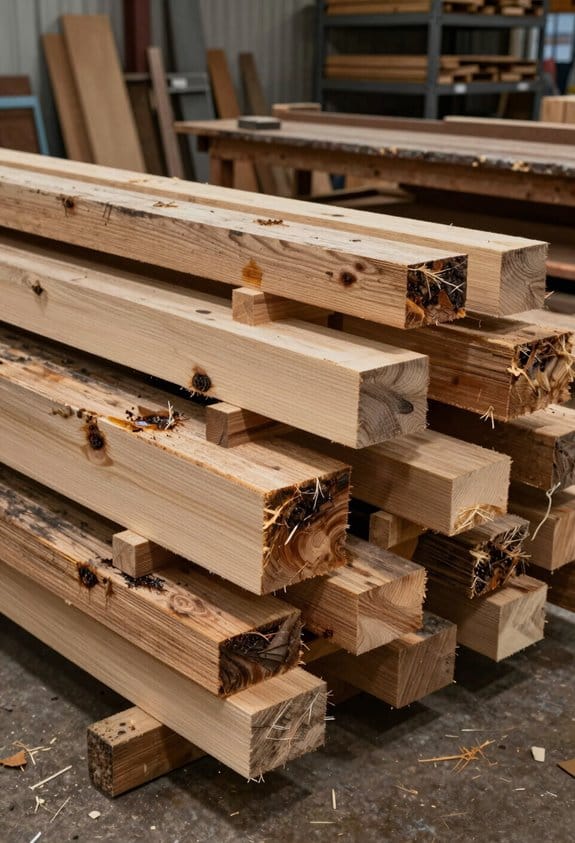
Have you ever noticed how some pieces of lumber just seem to fall apart over time? If you’re storing wood improperly, you could be inviting that kind of trouble. Even minor mistakes—like stacking wood right on the ground—can lead to big headaches later on.
Moisture exposure is a major issue. When wood gets wet, it doesn’t dry evenly, which often leads to warping and decay. High humidity makes things worse; you might see boards start to cup or bow, which not only looks bad but also weakens the wood. So, why does this matter? Well, compromised structural integrity means you could be left with materials that won’t hold up over time.
Another thing to think about is air circulation. If your lumber is stacked too tightly without enough air flow, you end up with moisture pockets. You guessed it—this increases the risk of mold and decay. The last thing you want is to pull out a beautiful piece of wood, only to find it’s got more problems than you bargained for.
And let’s not forget about keeping your stacks level. If you don’t, the boards at the bottom are going to take a beating, sagging under pressure and leading to even more potential damage. Using a lumber storage rack can help maintain proper air circulation and prevent direct contact with the ground, protecting your wood from damage.
Key Factors for Effective Lumber Storage: Moisture, Airflow, and Temperature
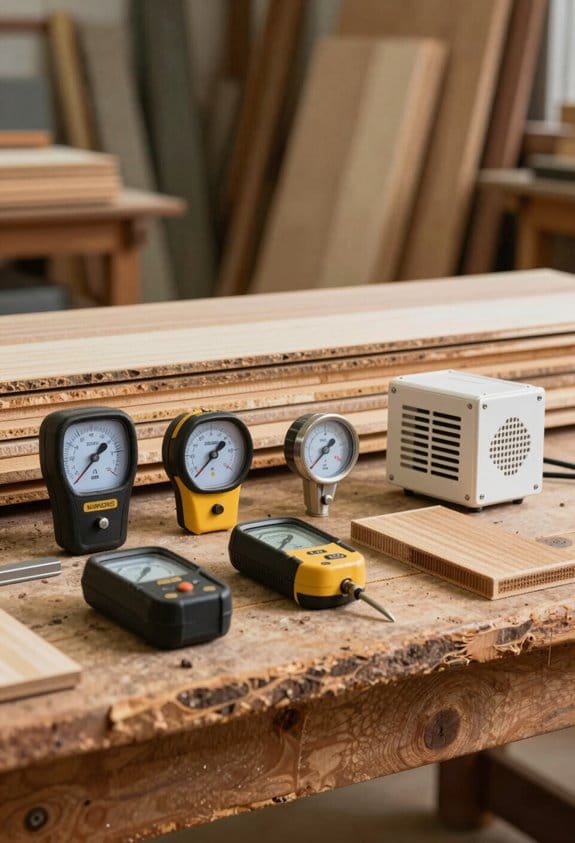
Storing lumber can get tricky. If you’re not careful about moisture, airflow, and temperature, you might find your wood warped or decaying before you even get a chance to use it. So, how do you keep your lumber in top shape?
First off, aim to keep your lumber’s moisture levels between 6% and 8%. Too much moisture can be a real problem, especially in humid conditions. Try this: regularly check moisture levels using a moisture meter. You don’t want your boards to become warped or develop decay.
Next, let’s talk about airflow. Leaving space between your boards is key—this helps avoid stagnant air, which can lead to mold growth. So, stack your lumber in a way that promotes good circulation.
Temperature matters, too. Ideally, you should store your lumber at temperatures of 60–80°F with humidity levels between 30-50%. Fluctuations can cause real damage to the wood, so consistency is your friend here.
Don’t forget the importance of elevating your lumber! Keep it at least 4 inches off the ground to prevent any moisture from being absorbed from the soil. It’s a simple step that helps protect the quality and longevity of your wood.
Using proper dust collection tools like a 5-gallon dust separator can also help maintain a clean workspace free from fine wood dust that might settle on stored lumber.
To recap, maintaining the right moisture, promoting airflow, and controlling temperature are all essential for effective lumber storage. Keeping these factors in check means your projects will turn out just right. So, what do you think? Are you ready to give your lumber the care it deserves?
Recommended Products

PREVENT MOISTURE PROBLEMS: A non-destructive digital moisture meter for instant measuring of moisture content in wood or concrete flooring, slabs & screeds; an electronic instrument with hygrometer, Pin & RH probe functionalities

✔️ NON-DAMAGING METER WITH UNPARALLELED ACCURACY: Say goodbye to uncertainty. Achieve pinpoint accuracy and know the precise moisture level of your wood. Orion’s non-damaging pinless sensor helps you preserve your craftsmanship. Obtain accurate moisture readings without leaving a single mark on your projects.

INFRARED GUIDED MEASUREMENT: Pinpoint hidden issues instantly with the 80x60 Lepton thermal imager that visually guides you to the exact location of potential moisture. Stop guessing where the water is and start seeing temperature patterns that reveal leaks and insulation gaps behind walls and ceilings.
Tips for Stacking and Elevating Lumber Safely
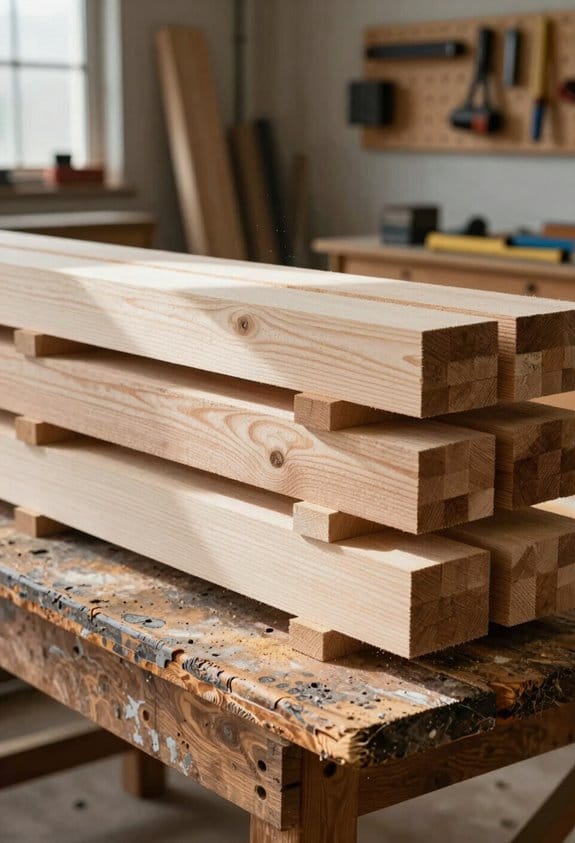
Are you tired of dealing with warped lumber or having to replace boards that have taken a turn for the worse? Stacking and elevating your lumber properly can make all the difference, not just for your project, but for your safety while it’s stored.
When it comes to stacking lumber, making it stable is key. Place supports around every 16-24 inches; this helps keep the boards steady and prevents them from sagging over time. You’ll definitely want to use spacers—those little sticks or “stickers” can be a lifesaver. Not only do they promote air circulation between layers, but they also reduce moisture absorption, which can save you from headaches related to warping.
Now, the ground is not your lumber’s friend, so elevate it! A minimum of 4 inches off the ground is essential. You can use pallets or treated wood for this. Keeping the lumber out of direct contact with the soil helps avoid moisture issues. It might seem like a hassle, but you’ll thank yourself later when you see that your boards are in great shape.
Have you ever stacked lumber so high that it looks like it might tip over? It’s best not to go over 4 feet in height. This will keep excessive pressure off those bottom boards, preventing them from warping or bending over time. And remember, keeping your lumber vertically aligned as you stack will add structural integrity, ensuring everything remains in excellent condition.
Using stackable storage bins can also help protect smaller pieces and keep your workspace organized, reducing the risk of damage.
In short, take the time to stack and elevate your lumber the right way. It really pays off in the long run when your materials stay in top-notch shape for when you need them. What’s your current lumber storage method?
Protecting Lumber From Environmental Elements
Ever noticed how lumber can go from pristine to warped in no time? If you want to keep your wood looking sharp and in great shape, it’s crucial to protect it from the elements.
First off, storage is key. Make sure you’re putting your lumber in a dry, well-ventilated area. Aim for humidity levels between 30-50%—this will really help in fighting off moisture issues that can lead to warping. To keep things off the ground (and prevent moisture from the soil), try elevating your lumber at least 4 inches using pallets.
You might want to consider breathable tarps, too. These can provide just the right balance of air circulation while protecting the wood from rain and sunlight that can create uneven moisture levels. It’s wise to check your lumber regularly for any signs of moisture buildup, mold, or even pesky insect activity. Catching these issues early makes all the difference.
Another thing to remember is temperature control. Maintaining a consistent temperature can minimize the risk of the wood expanding or contracting, and that’s crucial for preventing damage. Using a portable dust extractor with HEPA filtration can also help reduce airborne dust that might settle on lumber and affect its condition.
Recommended Products

PROFESSIONAL GRADE - Lightweight Flatbed Tarps from US Cargo Control are made with high-quality, professional-grade materials and designed to protect your cargo from the harsh conditions (weather, road debris, etc.) you might encounter on the road.

PROFESSIONAL GRADE - Lightweight Flatbed Tarps from US Cargo Control are made with high-quality, professional-grade materials and designed to protect your cargo from the harsh conditions (weather, road debris, etc.) you might encounter on the road.

SPECS - 3-Piece Lumber Tarp | Color: Black | Lumber Tarp Size: 20' x 18' with 6' Drop/Flap | Steel Tarp Size: 20' x 18' with 6' Drop | Material: 18 oz. PVC-Coated Polyester | Product Weight: 194 pounds | Quantity: 1 3 Piece Cargo Tarp Set
How Often Should You Check Your Lumber Storage Conditions?
How Often Should You Check Your Lumber Storage Conditions?
Ever noticed how lumber can start to look a little sketchy if it’s not stored right? It’s not just about keeping it dry; checking on those storage conditions is key to keeping your wood in good shape over the long haul. Honestly, it’s a simple step that can save you from bigger headaches down the road.
During those humid months, aim to inspect your lumber every 2-3 weeks. Look out for any signs of mold or moisture buildup—trust me, a little prevention goes a long way. Keeping an eye on humidity levels makes a real difference in maintaining the quality of your wood. In contrast, when it’s less humid outside, a monthly check will do just fine. You want to steer clear of warping and ensure that moisture content stays in that sweet spot of 6-8% for indoor projects.
And don’t forget to keep an eye out for any leaks or damp spots in your storage area. Addressing these issues right away can prevent you from facing costly damage later. Rotating your lumber stock now and then is also a smart move. It helps promote even drying and cuts down on deterioration, which is especially important if you plan to use the wood down the line.
How to Restore Warped Lumber in Storage
Warped lumber can really throw a wrench in your woodworking plans, right? When you’ve got wood that won’t sit flat, figuring out how to make it right can feel overwhelming. But don’t worry; I’ve got some practical steps you can take to restore that warped lumber and get it back in shape.
First off, try misting the surface with a little water. Then, clamp the wood flat and place some weight evenly on top. This helps promote even drying, which is key. If you’ve got a particularly stubborn warp, warming the area with a heat gun or even just some sunlight can help soften those wood fibers, making them a lot easier to work with. And if it’s really bad, you might need to soak or steam it before clamping it down again.
Keep a close eye on the wood while you’re doing this; too much heat or moisture can make things worse. So, why does this matter? Because you don’t want to end up with more problems than you started with. If all else fails, consider cutting usable pieces from the lumber. It’s a bummer to waste any material, but sometimes that’s the best way to salvage what you can.
In short, with a little patience and some tried-and-true techniques, you can often get warped lumber back to a usable state. Have you ever had to deal with warped wood? What worked for you? Also, remember that proper storage can significantly influence the prevention of lumber warping before it even happens.
Recommended Products

USA FAMILY-OWNED COMPANY: Master Appliance has manufacturing high quality industrial heat guns since 1958. Located in Racine, WI with over 60 years of experience in the heat tool industry, you can find Master’s heat guns like this PH-1400A variable temperature, LCD digital electric heat gun, trusted and in the hands of professionals in some of the most well-known manufacturing facilities worldwide.

USA FAMILY-OWNED COMPANY: Master Appliance has manufacturing high quality industrial tools since 1958. Located in Racine, WI with over 60 years of experience in the heat tool industry, you can find Master’s professional heat guns like this HG-501D heavy duty electric heat gun in the hands of professionals worldwide.

USA FAMILY-OWNED COMPANY: Master Appliance has manufacturing high quality industrial tools since 1958. Located in Racine, WI with over 60 years of experience in the heat tool industry, you can find Master’s heat guns like this VT-751D variable temperature electric heat gun, trusted and in the hands of professionals in some of the most well known manufacturing facilities worldwide.
Frequently Asked Questions
What Types of Lumber Are Most Susceptible to Warping?
Back in the day, folks didn’t think twice. Softwoods warping and fresh cut hardwoods drying are common issues. Poor storage conditions, moisture content, and seasonal effects lead to warping, while kiln dried plywood offers more stability.
Can I Store Lumber Outdoors Year-Round?
We can’t recommend year-round outdoor storage for lumber due to weather conditions, moisture exposure, and UV radiation. If we must, let’s use protective covers and guarantee proper ventilation, while being mindful of soil moisture and seasonal changes.
How Do Temperature Fluctuations Affect Lumber Quality?
We all know that temperature fluctuations can play tricks on lumber. Seasonal changes can cause expansion and contraction, affecting moisture retention and wood integrity. Proper storage conditions help maintain material durability amid climate influence and temperature extremes.
Is Treated Lumber Stored Differently Than Untreated?
Treated lumber’s stored differently due to its treatment chemicals affecting moisture absorption rates. While they offer long-term durability, untreated lumber’s benefits include lower costs and minimal maintenance. We should consider these factors for dimensional stability and oxidation effects.
How Can I Identify Signs of Damage in Stored Lumber?
We look for damage indicators with visual inspections and surface checks. A moisture meter reveals hidden issues; color changes signal trouble, like mold growth, end splitting, or insect infestations, especially in poor storage conditions.