As an Amazon Associate, we earn from qualifying purchases. Some links on this site are affiliate links at no extra cost to you. Our recommendations are based on thorough research and editorial judgment.
Safety Glasses vs Goggles: When to Use Each Type

When it comes to protecting your eyes, you might find yourself asking whether to grab your safety glasses or goggles. This decision really hinges on the hazards you’ll face in your surroundings.
You may be interested


Safety glasses work well for lighter tasks, like basic construction, where you’re mostly concerned about flying debris. They’re comfortable and let you see everything without feeling weighed down.
But what if you’re diving into something more risky? That’s where goggles become crucial. They provide a snug, sealed fit that keeps out harmful chemicals and those high-velocity particles. If you’re dealing with anything potentially hazardous, you can’t afford to skimp on protection.
Here’s the trick: always check if your gear meets ANSI Z87.1 standards. This ensures you’re equipped with the safest options available. So, why does this matter? Because when you prioritize safety, you’re making smart choices that protect your vision.
If you still feel unsure about what to pick, think about these points:
- Are you in a low-risk or high-risk environment?
- What specific dangers are present?
- Do you need protection from liquids or chemicals?
Ultimately, taking the time to assess your situation and choosing the right eyewear can make all the difference.
It’s not just about looking the part; it’s about staying safe. So, next time you’re gearing up for a task, take a minute to decide: glasses or goggles? Your eyes will thank you!
Key Takeaways
- Safety glasses are ideal for low-risk environments like light construction and office work, providing minimal protection against flying debris.
- Safety goggles are essential in high-risk situations, offering a full seal to protect against chemicals, debris, and hazardous fumes.
- Goggles can be worn over prescription glasses, ensuring vision clarity while maintaining safety in environments requiring eye protection.
- Comfort is crucial; choose safety glasses for long wear in low-risk tasks, while goggles provide superior protection in more hazardous settings.
- Always ensure that chosen eyewear complies with ANSI Z87.1 standards for adequate safety assurance against workplace hazards.
Key Differences Between Safety Goggles and Safety Glasses
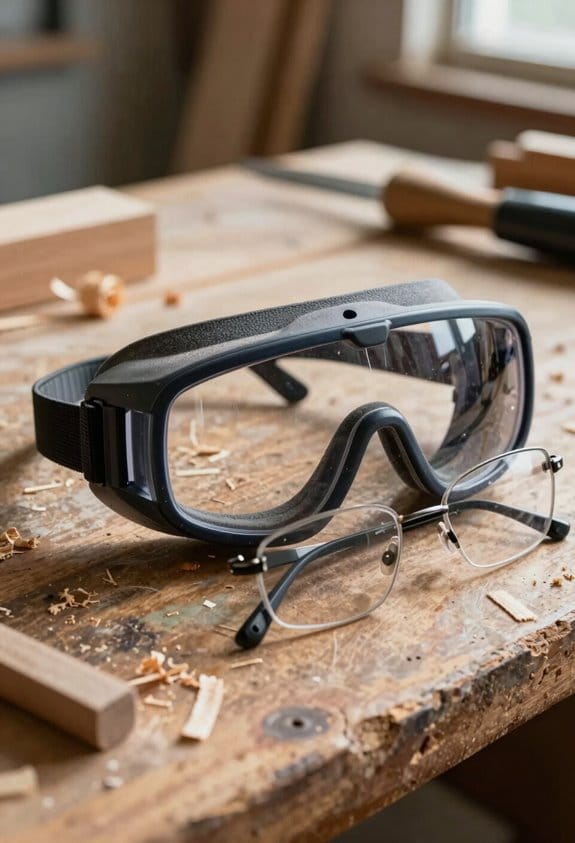
When you’re in a situation where eye safety is non-negotiable, have you ever wondered whether safety goggles or safety glasses are the better choice?
Consider that safety goggles create a full seal around your eyes, which is great for those messy jobs where liquids or tiny particles might become a hazard. This design gives you complete 360-degree protection, which can be a lifesaver in certain environments. On the flip side, safety glasses don’t have that same sealing feature, so they leave a little room for unwanted contaminants to sneak in. While they do an excellent job at shielding against impact, they might not be the best bet if you’re dealing with dust or liquids.
Now, if you wear prescription glasses, this can add another layer of complexity. Safety goggles are designed to fit over your regular specs, allowing you to stay protected without sacrificing clarity. But let’s be real, goggles can feel bulky and restrictive, which might not be ideal for extended wear. That’s where safety glasses shine; they’re lighter and usually more comfortable for long periods, which is key when you’re on the job.
So, why does this matter? If you’re thinking about eye protection, consider your specific work environment and the type of hazards you’re likely to face. Also, safety glasses that meet ANSI Z87.1 standards provide reliable impact resistance for various workplace hazards.
The best part is, whether you opt for goggles or glasses, the right choice boosts your overall safety. Always aim for eye protection that suits your needs, because we can’t afford to take chances when it comes to our eyes.
Recommended Products

Industrial Grade Protection: Package includes 6 pairs clear safety goggles meet ANSI Z87.1 standards, designed for industrial, commercial, and housework. The lens are made of high-quality PC materials, which is anti scratch and high impact resistance, effectively blocks harmful UV rays.

Industrial Grade Protection: Package includes 6 pairs clear safety goggles meet ANSI Z87.1 standards, designed for industrial, commercial, and housework. The lens are made of high-quality PC materials, which is anti scratch and high impact resistance, effectively protect your eyes form iron debris, sand, gravel, sawdust, chemical solution and other objects splashing.
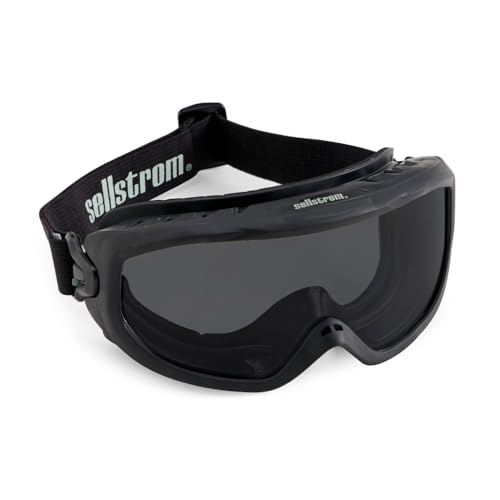
WILDLAND FIRE GOGGLES - Sellstrom Odyssey II Firefighting Goggles are heat resistant up to 350 degrees F; Can be used in wildland fire applications, recreational outdoor brush fire jobs or any application requiring non-vented eye protection
When to Use Safety Glasses
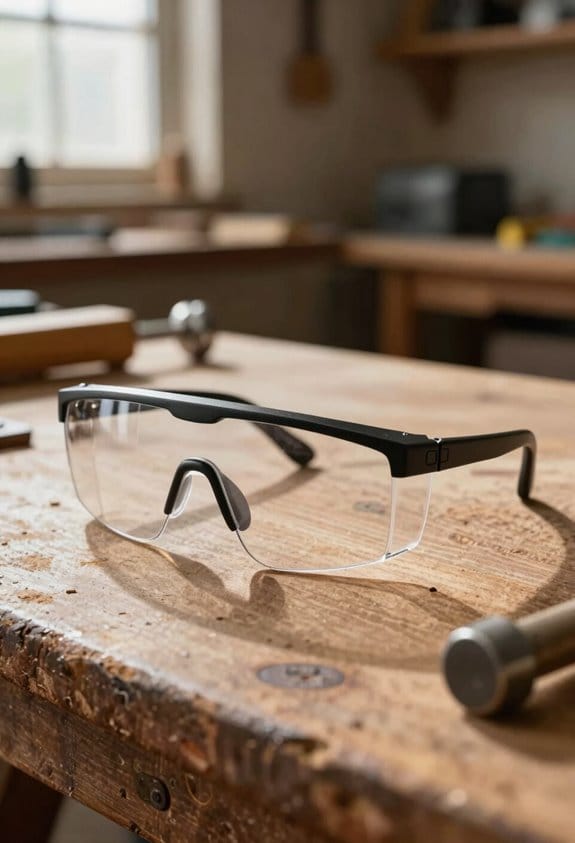
When should you really be wearing safety glasses? If you’ve ever found yourself in a situation where you’re not sure whether to protect your eyes, you’re definitely not alone. The truth is, wearing safety glasses can make a big difference in keeping your eyes safe, especially in many everyday work scenarios.
For instance, if you work in light construction or even in an office, safety glasses can be a good choice. They’re perfect for tasks where there’s minimal risk of flying debris or chemical splashes. Safety glasses meet ANSI Z87.1 standards, which means they’re designed to withstand head-on and side impacts—something to consider if you’re in a potentially hazardous spot. What I appreciate is their lightweight feel and the added side shields for better protection; you can wear them for hours without discomfort.
And here’s the kicker: safety glasses also provide UV protection. If you’re doing outside work, they’re essential for keeping harmful rays away from your eyes. It’s a small step that goes a long way in preserving your eye health.
One more thing: don’t forget to replace your safety glasses every 1-3 years. This regular upkeep helps ensure you’re still getting the best protection available. You want to stay safe, right? Also, considering frames made of polycarbonate or nylon can add extra durability and comfort for long-term wear.
When to Use Safety Goggles in High-Risk Environments

Have you ever thought about what could happen to your eyes in a high-risk environment? It’s easy to brush off safety goggles as just another piece of gear, but they’re crucial for eye protection—especially if you work around chemicals or flying particles. Without proper eye protection, you could be setting yourself up for serious injuries.
Safety goggles create a tight seal around your eyes, so you won’t have to worry about getting splashed with harmful chemicals or having tiny debris sneak in like they might with regular safety glasses. Whether you’re in a lab, a construction zone, or dealing with hazardous fumes, goggles are your best bet for keeping your vision intact.
So, why does this matter? Think about it: it only takes a split second for an accident to happen. Safety goggles offer much better protection from high-speed debris compared to safety glasses, which leave a lot more room for danger. Just consider the types of environments you work in, and it’s a no-brainer.
The best part is that wearing goggles isn’t just about following safety regulations like those from OSHA; it’s about protecting yourself from injuries that could impact your life. Think of it this way: would you rather deal with the discomfort of goggles or risk permanent damage to your eyesight?
For effective protection, selecting eyewear made of high-quality materials and ensuring a proper fit is essential, much like choosing the right blade material quality ensures safety and performance in woodworking tools.
Recommended Products

Durable, one piece lens helps protect eyes from certain liquids, dirt and particles

INDUSTRIAL GRADE PROTECTION: Package includes 6 pairs clear safety goggles, designed for industrial, commercial and housework. The lens is made of high-quality PC materials, which is anti scratch and high impact resistance, meet ANSI Z87 standards.
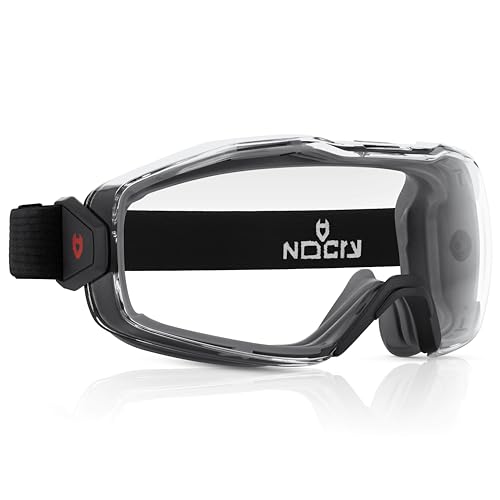
SMOOTH FIT OVER YOUR PRESCRIPTION EYEGLASSES — Want to wear your safety goggles over eyeglasses? These safety goggles fit most prescription eyewear, so you don't have to compromise on your sight. The soft TPR frame gasket with built-in slots creates a secure seal without squeezing your eye goggles or frames.
Factors to Consider When Choosing Eye Protection
Choosing the right eye protection can feel overwhelming, especially if you’re not sure what to look for. You’ve got to think about what kind of hazards you’ll be facing. If you’re working in an area with a lot of chemical splashes or dust flying around, safety goggles are your best bet. On the other hand, if you’re tackling low-risk tasks, safety glasses can do the trick.
Comfort is another biggie. You want something that feels good during long hours on the job. Safety glasses tend to be lighter and more comfortable for extended wear, but safety goggles provide that snug fit that can keep the really dangerous stuff out. It’s a balance between comfort and the level of protection you need.
If you wear prescription glasses, it’s also smart to think about how your eye protection works with them. Some goggles can fit over corrective lenses, which might be a lifesaver. Safety glasses, however, often can’t accommodate your prescription.
And let’s not forget about safety standards. Always make sure whatever you choose meets ANSI Z87.1+ certification. It’s crucial for ensuring you’re getting the protection you need. Features like anti-fog coatings can be really helpful too, especially if you find yourself in a humid environment.
It’s also important to consider compatible dust masks and respirators to protect your respiratory health alongside your eye safety.
It’s all about matching the right protection to the task at hand. What kind of work are you planning to do?
Recommended Products
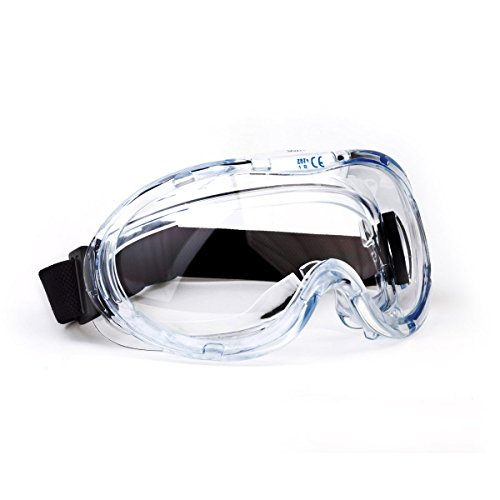
Extra soft wrap-around PVC frame offers maximum protection and comfort

[DURABLE AND LIGHTWEIGHT] Crafted with premium polycarbonate, these safety glasses have exceptional durability and impact resistance while remaining lightweight. They meet ANSI Z87.1 standards and feature a wraparound design for panoramic coverage.

ANSI Z87.1+ CERTIFIED IMPACT PROTECTION — Independently tested and compliant with the ANSI Z87.1+ high-impact standard to protect against flying debris, particles, and projectiles on construction sites, manufacturing floors, and industrial worksites. Also compliant with CSA Z94.3 for Canadian jobsites.
Choosing the Right Eye Protection for Your Needs
How do you know if your eyes are really safe while you’re at work? It all boils down to the types of hazards you face. If you’re in a low-risk environment, basic safety glasses might cut it—they’re lightweight and you can wear them for hours without discomfort. But here’s the catch: they leave the top of your eyes exposed! That could be a problem if anything spills or flies around.
Now, let’s talk about safety goggles. These aren’t just for show—they create a snug fit and offer solid protection from chemicals, flying sparks, and high-velocity debris. Trust me, if your job involves any of those nasty elements, goggles are a must. Yes, they can feel a bit bulkier than glasses, but they give you a complete shield that glasses can’t provide.
Got prescription glasses? Don’t worry! You can wear goggles over them, so you don’t have to sacrifice your sight for safety. It’s all about finding that right balance between being comfortable and staying safe. You should really consider the risks in your workplace when picking out your eye protection. Choosing eyewear that meets ANSI Z87.1 standards ensures you have reliable impact resistance and protection.
Recommended Products

Industrial Grade Protection - MELASA protective goggles meet ANSI Z87.1 Safety Goggles Standards and CE EN166 certificate requirements, designed for industrial, commercial, and housework.

Safety Goggle Chemical Splash and Impact Resistant Goggle Clear Anti-Fog/Anti-Scratch Coating Protective Eyewear
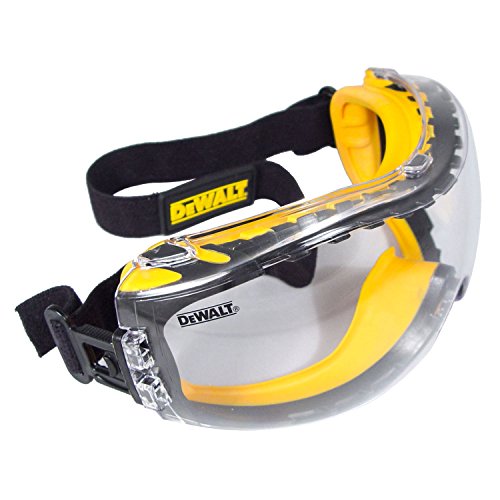
DEWALT ToughCoat hard coated lens provides tough protection against scratches.
Frequently Asked Questions
Can Prescription Lenses Be Used With Safety Glasses or Goggles?
About 70% of people need corrective lenses. Yes, prescription options exist for both safety glasses and goggles, offering custom fittings, impact resistance, and UV protection, ensuring ideal visual clarity and comfort with various frame styles and lens coatings.
Are There Specific Safety Standards for Eye Protection Equipment?
Yes, there’re specific safety standards for eye protection equipment. Compliance with ANSI standards guarantees proper impact resistance, ergonomic designs, and UV protection. Choosing certified protective eyewear is essential for maintaining eye safety in workplaces.
How Should Safety Glasses and Goggles Be Cleaned and Maintained?
We should regularly clean our safety eyewear using recommended products and techniques. Following maintenance schedules, adopting disinfecting methods, and focusing on lens and frame care can prevent scratches and maintain visual clarity for peak performance.
What Is the Lifespan of Safety Glasses and Goggles?
The lifespan of safety glasses and goggles varies. We should consider durability factors, usage frequency, and storage conditions. Regularly checking for replacement indicators like scratches or defects helps guarantee ideal visual clarity and impact resistance.
Can Tinted Lenses Be Used for Outdoor Protection?
Tinted lenses act like sunglasses, providing outdoor glare reduction and UV protection. Depending on lens materials, fog resistance, and color contrast, they enhance visibility for various activities, ensuring safety under different environmental conditions.