As an Amazon Associate, we earn from qualifying purchases. Some links on this site are affiliate links at no extra cost to you. Our recommendations are based on thorough research and editorial judgment.

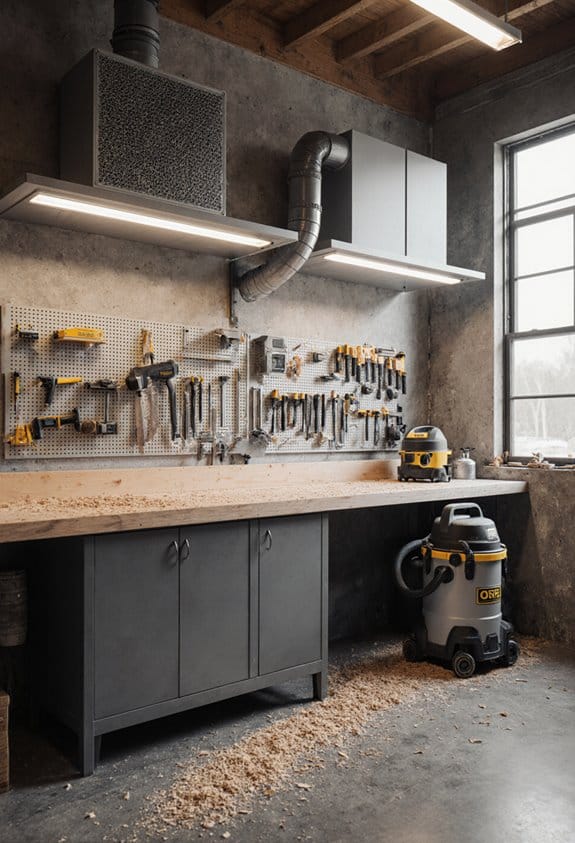
Shop Vacuum vs Dust Collector: Which Do You Really Need

When you’re faced with the mess of a woodworking project, it’s easy to wonder, “What’s the best way to keep my space clean?” If you’re debating between a shop vacuum and a dust collector, understanding their differences is key.
You may be interested


A shop vacuum is handy for quick clean-ups, typically holds about 5 to 25 gallons, and offers a maximum airflow of around 185 CFM. This makes it perfect for lighter tasks like cleaning up sawdust or spills.
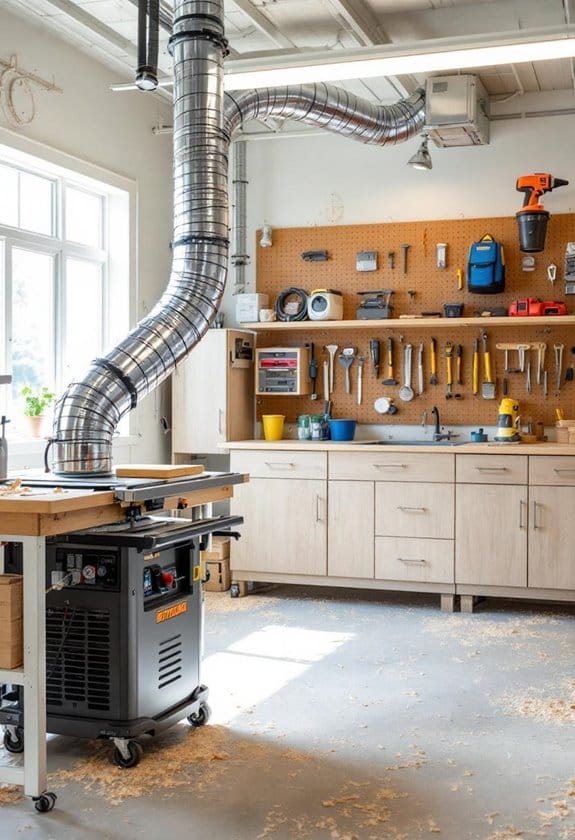
On the other hand, dust collectors are designed to tackle heavier debris and can provide airflow of up to 400 CFM. They often come equipped with HEPA filters, which are great for improving the air quality in your workshop.
So, why does this matter? If you’re regularly dealing with fine dust from sanding or cutting, a dust collector might be more beneficial long-term.
The best part is, once you understand your needs, choosing the right tool becomes straightforward. If your projects create a lot of dust and you’re serious about maintaining a clean workspace, consider investing in a dust collector.
However, if you only need something for occasional cleanups, a shop vacuum will likely serve you just fine.
In the end, both tools have their place in a well-equipped workshop. What will you choose for your next project?
Key Takeaways
- Shop vacuums are ideal for quick clean-ups of small debris, while dust collectors are suited for heavy-duty wood dust management.
- If you work with larger volumes of sawdust, a dust collector is more efficient due to its higher airflow capacity (CFM) and filtration.
- Shop vacuums are generally more affordable, ranging from $50 to $200, while dust collectors usually start around $250.
- Choose a dust collector for better air quality, as they feature HEPA filters capturing 99.97% of fine particles down to 0.3 microns.
- Consider workspace size: centralized dust collectors are optimal for larger projects, while shop vacs work well in smaller spaces.
Key Differences Between Shop Vacuums and Dust Collectors
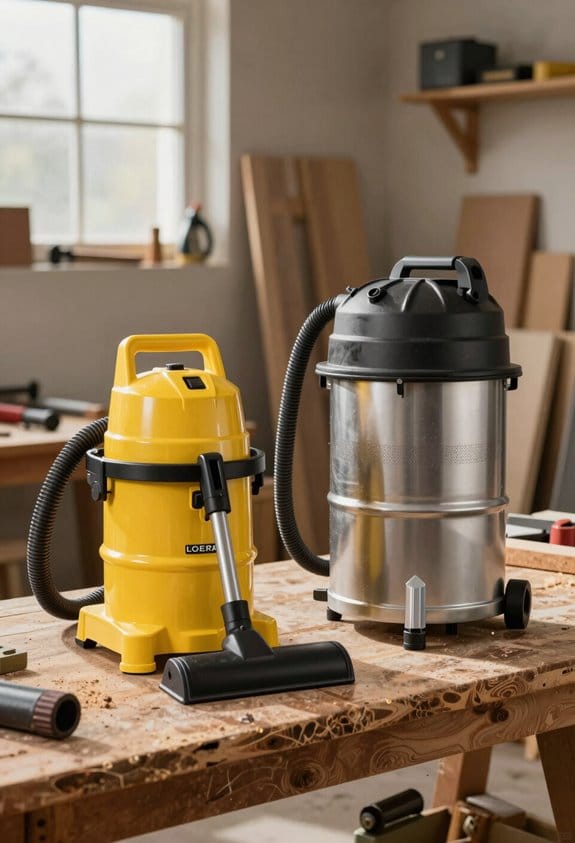
When it comes to keeping your workspace clean, you might wonder whether a shop vacuum or a dust collector is the better fit for your needs. Each has its strong points, and the choice can really affect how efficiently you work.
Shop vacuums are great for those quick clean-ups. Whether you’re tackling wet spills or dry debris, they handle it all with ease. But if you’re dealing with fine dust—like the kind that gets kicked up when you’re working with power tools—you may find they struggle a bit unless you’ve got a HEPA filter. So, if you’re just doing light chores, a shop vac could do the trick.
On the flip side, dust collectors are designed for bigger tasks. They come with larger hoses, usually around 4 inches or more, which helps prevent clogging and keeps the airflow moving smoothly. This makes them perfect for the heavy-duty stuff, like sawdust and wood chips. With powerful suction and motors meant for continuous use, dust collectors not only handle the mess better but also help keep the air cleaner.
Here’s the trick: if you’re serious about maintaining a healthy work environment and plan to work with a lot of wood or other materials that create fine dust, a dust collector might be worth the investment. Yes, they cost more upfront, but think of it this way—your long-term health and performance could really benefit from it. In fact, models equipped with HEPA filtration technology capture up to 99.97% of particles, significantly improving air quality and safety.
Recommended Products
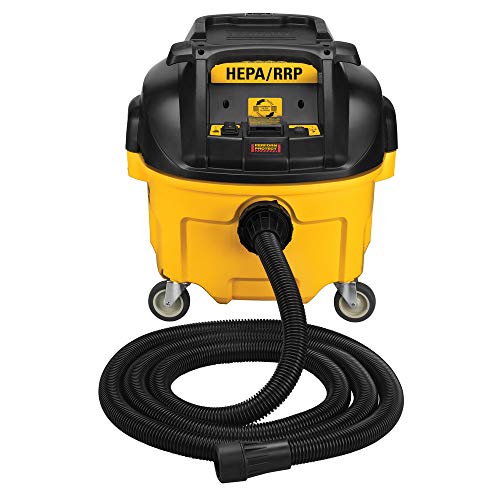
Automatic Filter Clean of the dust extractor pulses every 30 seconds for continuous operation without stopping to clean filter

【HIGH EFFICIENCY】 Our DEWALT high efficiency dust separator can capture wood chips and other debris before they enter your vacuum cleaner, reducing suction loss due to clogged vacuum filters. Saves you the cost and time of expensive filter and dust bag replacement.

HEPA Certified: HEPA filtration, adjustable high performance turbine. Capture dust without interruptions due to generous capacity of the 3.96 gallon (15L) container.
Identifying When to Use a Shop Vacuum

Got a messy garage or workshop? If you’re tackling quick spills or dealing with a bunch of debris, a shop vacuum can really make your life easier. Think about that sawdust from your power tools; a shop vac is great at sucking it up. Its higher static pressure nabs that fine wood dust in a flash, making cleanup a breeze for both wet and dry messes.
Now, here’s the kicker: shop vacs typically run between $50 and $200. That’s pretty affordable for most DIYers and casual woodworkers. But let’s get real for a second—those 5 to 25-gallon collection capacities can fall short during heavy-duty projects. If you’re working on something major, you might find they struggle to capture the finest dust particles compared to bigger dust collectors.
For better debris management during extensive woodworking, consider using a dust separator kit to enhance dust collection efficiency and reduce clogging.
Recommended Products

MADE FOR: Everyday wet and dry pick-up
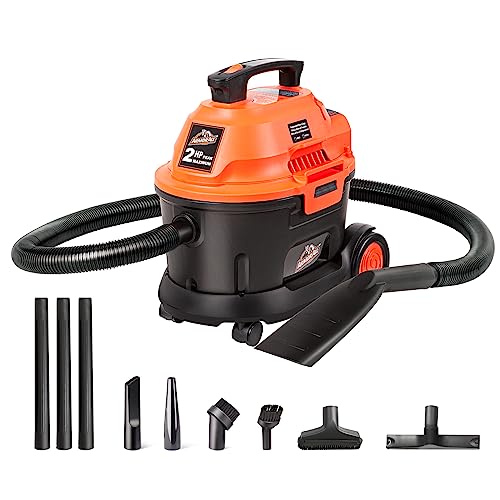
STRONG SUCTION: 2 Peak HP to quickly clean-up wet and dry messes

PORTABLE: Lightweight, 2.5-gallon wet dry shop vac offers unparalleled mobility
Benefits of Using a Dust Collector for Woodworking

Ever felt overwhelmed by the mess after a big woodworking project? Sure, a shop vacuum can handle the occasional cleanup, but when you’re cutting and sanding wood, a dust collector makes a world of difference. These systems are designed to tackle the huge piles of wood chips and fine dust that come flying off your tools.
So why should you consider making the switch? For one, dust collectors typically come with HEPA filters. These filters catch a whopping 99.97% of particles down to 0.3 microns, which really helps with the health risks tied to inhaling dust. Breathing cleaner air is essential, especially when you’re spending so much time in your workshop.
And let’s talk about performance. Dust collectors usually boast higher airflow capacities, measured in CFM (that’s cubic feet per minute). This means you can hook up several tools at once without losing suction—definitely handy when you’re busy. You also get larger hoses, often four inches in diameter or more, which really cut down on clogging. More efficiency equals better performance in your workspace.
The best part is that cleaner air not only benefits your health but also boosts your productivity. It’s easier to focus when you don’t have a cloud of dust hanging around. Many dust collectors feature 2 HP motors providing powerful and continuous-duty performance for demanding applications. So, are you ready to take your woodworking to the next level? Investing in a dust collector could be the upgrade you didn’t know you needed.
Recommended Products
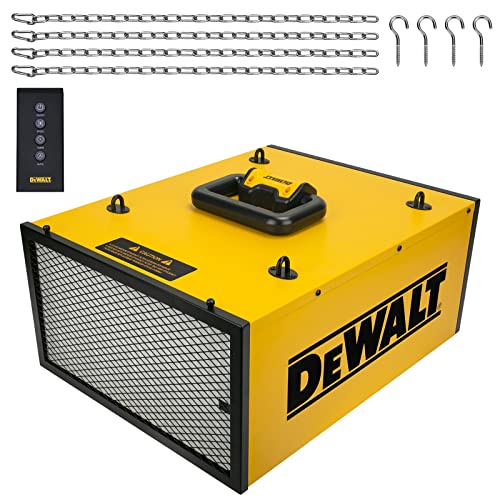
【2-STAGE FILTRATION】This dust collector is equipped with a 2-stage filtration system, featuring a static cotton pre-filter and an H11 HEPA filter, capable of capturing over 95% of 0.3 μ m particles, providing cleaner air for your workshop

Portable & Compact Design: PureCare 1050IG featured a handle on the top of the machine, smaller size(14.57*9.45*11.81 in) and light weight(17.4 Lbs) design makes it more compact, with the handle you can easily grab it to move around, smaller size allows you to put it anywhere you want, extremely saving your space.
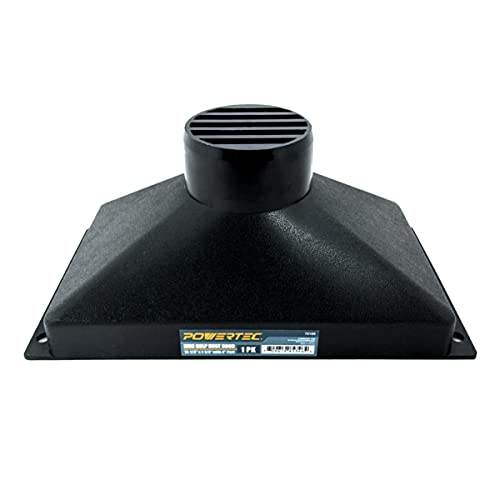
INCLUDES: Mini Dust Hood with 4 Inch Dust Port (Black)
Important Workspace Considerations for Dust Management
Managing dust in your workshop can feel overwhelming, right? It’s not just about having a dust collector; it’s about thinking through your workspace layout and what equipment works best together. For larger shops, centralized dust collectors are pretty much essential. They collect dust efficiently from multiple machines without causing clogs, as long as you stick to hoses that are around 4 inches.
But what if you’re in a smaller space? That’s where things get a bit trickier. In those cozy workshops, decentralized systems or even shop vacs can be a lifesaver. They offer the flexibility to move around and get the job done without taking up too much room.
You might not realize it, but a woodworker can generate around 50 pounds of sawdust in a month. That’s a lot! So, keeping that airflow optimal is critical. Make sure you’ve got the right hose size and check those filters on a regular basis. Trust me, tailored dust collection solutions make all the difference in keeping your projects safe and your workspace clean.
Proper maintenance and using tools with features like magnetic tips can also enhance your efficiency and safety.
So, why does this matter? A clean space is not just about aesthetics; it promotes a healthier environment for everyone involved. Honestly, who wouldn’t want to work in a tidy and dust-free area?
In short, whether you choose a centralized system for a big workshop or a shop vac for a small one, keep airflow in mind and check those filters often. What steps are you taking to manage dust in your own workspace?
Best Filtration Types and Their Air Quality Impact
Have you ever found yourself inhaling dust while working in your shop? It’s a problem many of us face, but the solution might be simpler than you think. The type of filtration system you choose can have a huge impact on the air quality in your workspace.
Many people rely on shop vacuums with standard filters. The catch? These filters often only capture particles larger than 5 microns, which means fine dust can still be floating around, making its way into your lungs. This isn’t just annoying; fine wood dust is a potential carcinogen. That’s where dust collectors with HEPA filters come into play.
HEPA filters can grab 99.97% of particles as small as 0.3 microns. That’s a remarkable improvement in air quality. Think about it: cleaner air means a healthier workspace for you, which is essential for long hours spent crafting. Plus, HEPA filters need less maintenance than standard filters. This allows you to run your equipment for longer periods without worrying about constant upkeep.
So, why does this matter? For woodworkers like us, reducing respiratory strain is key. You may think managing dust can be low on your priority list, but it directly affects your health and well-being.
In short, if you’re serious about maintaining good air quality while you work, consider upgrading to a filtration system with a HEPA filter. Your lungs will thank you. Are you ready to make the switch? Many advanced dust collectors also feature automatic filter cleaning, which helps maintain consistent performance and reduces manual maintenance.
Understanding CFM and Static Pressure in Dust Collection
If you’re serious about getting your dust collection system working like it should, understanding CFM and static pressure is key. Think about it this way: CFM, or cubic feet per minute, tells you how much air your dust collector moves. On the flip side, static pressure measures resistance in the system, and it’s usually measured in inches of water column. Dust collectors are known for their high CFM ratings, making them perfect for sucking up dust from various tools in your workshop. Shop vacs, however, shine in terms of static pressure, which is great for cleaning up small messes quickly.
Have you ever worked with a table saw or a thickness planer? For effective dust extraction, the table saw needs about 350 CFM, while the thickness planer can require up to 400 CFM. This relationship between CFM and static pressure is vital to remember. If the static pressure is too high, it can seriously affect how well your system works. Honestly, nobody wants to deal with that kind of inefficiency.
Try this: Consider the layout of your workshop and the distance from your dust collector to your machines. The longer the ducting, the more static pressure you’ll face. You want to strike the right balance.
The best part is, understanding how to optimize your system can make a big difference in your shop’s air quality and your overall efficiency. So ask yourself—are you giving your dust collection system the attention it deserves? Getting the numbers right can lead to a cleaner, healthier workspace. Many overarm dust collectors also feature adjustable heights and flexible positioning which aid in maximizing dust capture efficiency across various tools.
Comparing Costs: Shop Vacuum vs. Dust Collector
When it comes to keeping your workshop tidy, you’ve probably pondered the cost difference between a shop vacuum and a dust collector. It’s a common dilemma: should you go for the cheaper option or invest in something that might save you money in the long run?
Shop vacuums are usually pretty budget-friendly, ranging from $50 to $200. They’re great for quick cleanups or casual users who don’t generate a ton of dust. But hold on—just because they’re cheap upfront doesn’t mean they won’t hit you with extra costs later. Maintenance and filter replacements can add up, so it’s wise to factor those costs into your decision.
Dust collectors, on the other hand, typically need a bigger initial outlay, usually around $250 to $300. Seems steep, right? But here’s the trick: they often provide better long-term value. If you’re in a woodworking environment that produces a lot of dust, dust collectors shine in their ability to handle larger volumes. This means less frequent emptying and maintenance, making them a solid choice for serious projects.
So, why does this matter? If you’re looking for short-term savings, a shop vacuum might seem appealing. But for those of you thinking about long-term efficiency and durability, dust collectors can save you money over time.
In the end, it’s all about finding the right balance between initial costs and ongoing expenses. What’s your primary use case? Are you more of a casual DIYer, or do you tackle big projects often?
Choosing a dust collector with high airflow ensures maximum dust capture and a cleaner workspace for your long-term projects.
Recommended Products

Boost Suction & Prevent Clogs: This dust collector captures the majority of sawdust, wood dust, and other debris in its bucket before it reaches your vacuum. This significantly reduces filter clogging, helping your vacuum maintain powerful, consistent suction.

AWARD-WINNING AND PATENTED LOW-PROFILE DESIGN: The Dustopper “PRO” version awarded “Most Innovative Concept Award” at the 2023 National Hardware Show in Las Vegas. Fine Woodworking Magazine editor-at-large says this, “…I like the new Dustopper PRO best.”

【Strengthen Your Shop Vacuum 】By creating a small turbine-airflow inside the cone, the dust separator can effectively enhance the suction power of the shop vacuum, and capture 99.5% of debris from the air stream before it reaches your vacuum filter, eliminating clogged filters and suction loss.
Maintenance Tips for Optimal Dust Collection Performance
Have you ever noticed how quickly dust can pile up in your workshop? It’s not just about keeping things tidy; it’s also about having a dust collection system that actually works! Regular maintenance is key to making sure your setup runs efficiently, and trust me, it pays off.
First off, you really need to keep an eye on those HEPA filters in your shop vacs and dust collectors. When they get clogged, the suction drops off like a rock, and you’re just moving dust around instead of collecting it. So, check them often and replace them when needed. One good rule of thumb? Mark your calendar for regular filter checks.
You might be surprised at how much a kinked or improperly sized hose can mess with airflow. To get the best performance, keep your hoses straight and ensure they match the size of your equipment. Proper airflow is what makes dust capture effective.
Also, don’t forget about those dust collection bags or containers. If you let them fill up, you’ll definitely notice a drop in performance. It’s a simple fix—clean them out regularly. A little effort here can go a long way in maintaining your system.
Routine maintenance on your motors is equally important. Motors can wear down over time if they aren’t properly cared for, and you want yours to run smoothly for as long as possible. Taking the time to check on them can save you from more significant headaches down the line.
Finally, keep a record of when you replace filters and clean your equipment. It’ll help you stay on top of maintenance and ensure your dust collection system is always in tip-top shape.
Remember that many 1HP dust collectors operate within a 65 to 70 dB noise range, so maintaining quieter equipment can also improve your shop environment.
Choosing the Right Tool for Your Woodworking Projects
When working on woodworking projects, do you ever find yourself overwhelmed by the clouds of dust that follow you around? It’s a common issue, especially when you’re using stationary power tools. Dust collectors really shine in these situations, as they manage larger volumes of fine dust and shavings much better than other options. For example, if you’re using a table saw, you need about 350 Cubic Feet per Minute (CFM) for effective dust extraction—and that’s right in a dust collector’s wheelhouse.
Now, shop vacs have their place too; they’re fantastic for picking up smaller debris and handling quick clean-ups. But let’s be honest: they usually max out around 185 CFM, which isn’t nearly enough for heavier tasks. Sure, you could add HEPA filters and cyclone separators to boost a shop vac’s performance, but when it comes to heavy-duty projects, you’ll find that dust collectors are just more effective.
If you’re still on the fence about investing in a dust collector because of the price tag, think about the long haul. While it might feel like a big jump upfront, in many cases, it saves you money down the line because you’re not constantly upgrading your equipment. So, why not make the smart choice and go for the tool that’ll help you tackle those bigger projects with confidence? Choosing models with 1100 CFM airflow ensures efficient dust removal for most woodworking tools, making your workshop cleaner and safer.
Recommended Products

Circulate up to 1,300 cubic feet of air per minute

【HIGH EFFICIENCY】 Our DEWALT stainless dust separator can capture wood chips and other debris before they enter your vacuum cleaner, reducing suction loss due to clogged vacuum filters. Saves you the cost and time of expensive filter and dust bag replacement.
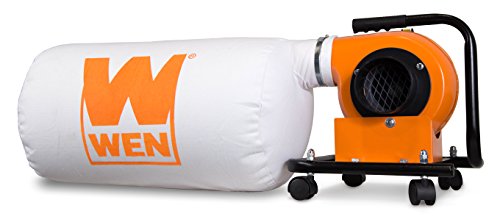
5.7-amp brushed motor combined with the 6-inch impeller moves up to 660 cubic feet of air per minute
Frequently Asked Questions
Are Dust Collectors Better Than Shop Vacs?
We believe dust collectors are better than shop vacs due to their dust efficiency, improved air quality, larger size comparison, cost analysis favoring long-term savings, and lower maintenance requirements, making them ideal for serious woodworking projects.
Is a Dust Collector Necessary?
Is a dust collector necessary? Absolutely, especially for larger projects. While they offer great benefits like improved air quality, we’ve gotta consider their limitations and maintenance. Balancing choices between a shop vacuum and a dust collector is essential.
Should I Get a Vacuum or a Shop Vac?
We should consider a shop vacuum for its versatility and affordability. Utilizing accessories enhances efficiency, while regular maintenance keeps it running strong. Let’s weigh vacuum power comparisons and choose the right size for our needs.
Is It Better to Dust Then Vacuum or Vacuum Then Dust?
We’ve discovered it’s best to dust first, then vacuum! This cleaning sequence not only captures airborne particles efficiently but also tackles allergy concerns—perfect for any surface type, ensuring our job-specific tools work their magic.


