As an Amazon Associate, we earn from qualifying purchases. Some links on this site are affiliate links at no extra cost to you. Our recommendations are based on thorough research and editorial judgment.

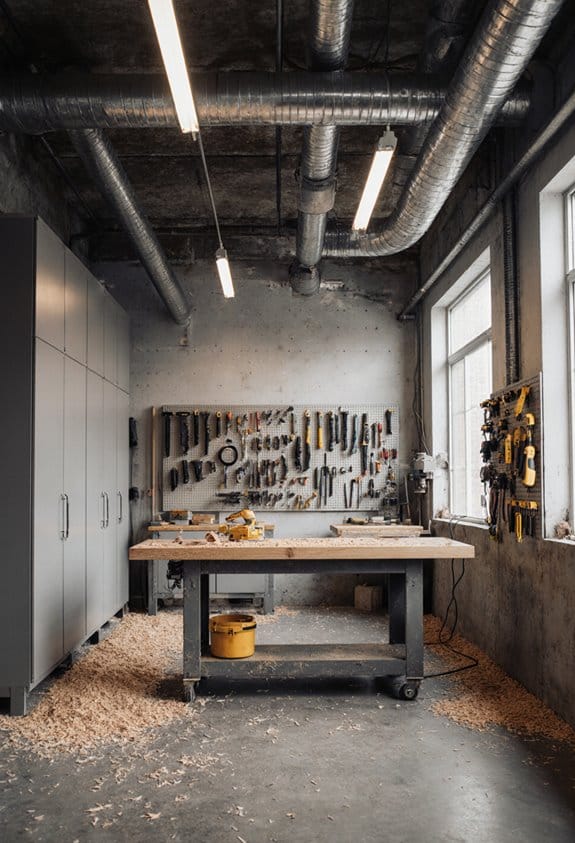
Single-Stage vs Two-Stage Dust Collectors: Understanding the Differences

When it comes to dust collection, you might find yourself stuck between two options: single-stage and two-stage dust collectors. It’s a common dilemma many woodworkers and hobbyists face. Are you looking for something compact and budget-friendly, or do you need extra power for fine dust?
You may be interested

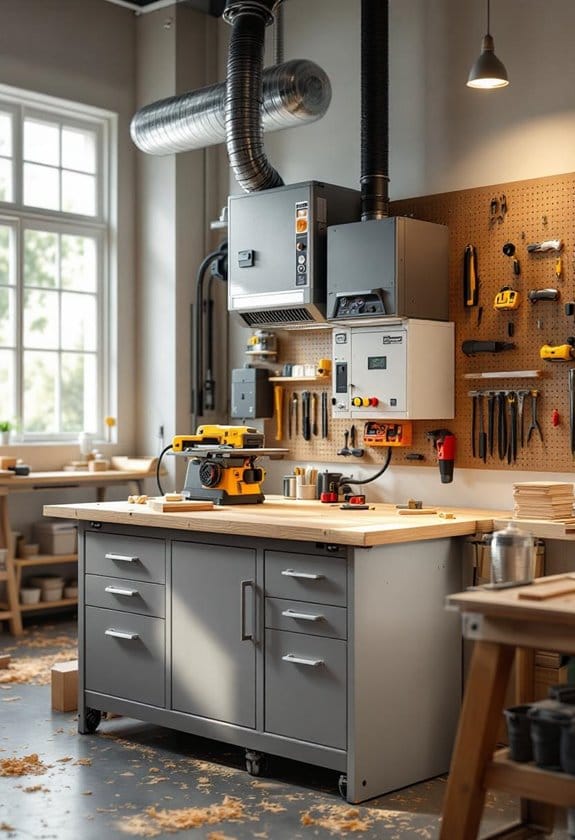
Single-stage dust collectors are often more pocket-friendly, usually costing around $800. They’re great for smaller spaces, but here’s the catch: they don’t do a great job at catching the fine particles that can linger in the air. So, if you’re working with certain materials, you might end up with dust still floating around.
On the flip side, two-stage dust collectors are an investment, typically priced around $4,000. The best part? They come with cyclone separators that create better airflow and drastically reduce clogging. This means they can efficiently capture both coarse and fine dust, helping to maintain cleaner air in your workspace. Less maintenance means you can focus more on your projects instead of constantly cleaning out your equipment.
So, why does this matter? Consider this: a healthier workspace not only boosts your productivity but also your overall enjoyment of your projects.
In summary, choosing between a single-stage or two-stage dust collector depends on what you’re working with and how much you want to spend. It’s worth weighing the pros and cons based on your specific needs.
What type of dust collector have you considered for your workspace?
Key Takeaways
- Single-stage dust collectors are more affordable but struggle with fine particle management, leading to potential health risks and increased maintenance.
- Two-stage dust collectors utilize cyclone separators, enhancing air quality by efficiently capturing both coarse and fine dust with less clogging.
- Healthier air quality in workshops boosts productivity, while quieter two-stage collectors create a more pleasant working environment.
- Two-stage systems require less frequent maintenance compared to single-stage models due to their efficient particle separation process.
- Although priced higher, two-stage dust collectors offer long-term savings and operational efficiency, making them a better investment for serious users.
Why You Need the Right Dust Collector: Understanding Single-Stage Systems

When you’re setting up your workshop, one of the big questions is how to deal with dust. Single-stage dust collectors might seem like an easy solution since they’re usually more affordable and don’t take up a lot of space. But let’s be real—they can struggle when it comes to managing fine particles.
These systems work by pulling dust-laden air through an impeller directly. That means they often can’t separate out the fine dust from the airflow very efficiently. A typical bag filter gets clogged pretty quickly, which means you’ll need to keep up with maintenance to keep your air quality from taking a hit. If you think that sounds annoying, you’re right!
Another thing to consider is that many performance ratings for these units are often given without filters. That can make their CFM (cubic feet per minute) numbers look much better than they actually are in practice. So, if your workshop creates a lot of fine dust, it may be worth your time and money to look into a two-stage system. These models tend to cut down on how often you’ll need to clean and do wonders for the air quality.
Truth is, creating a safe space to work means you might have to invest a bit more upfront—but it’ll pay off in the long run. After all, who wants to breathe in all that dust? Considering a model with a high filtration efficiency can significantly improve dust capture and air quality.
Recommended Products

Circulate up to 1,300 cubic feet of air per minute
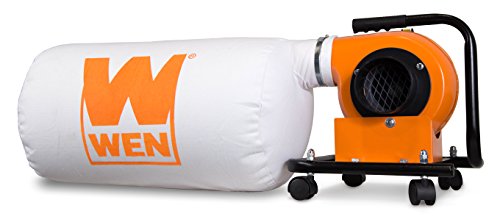
5.7-amp brushed motor combined with the 6-inch impeller moves up to 660 cubic feet of air per minute
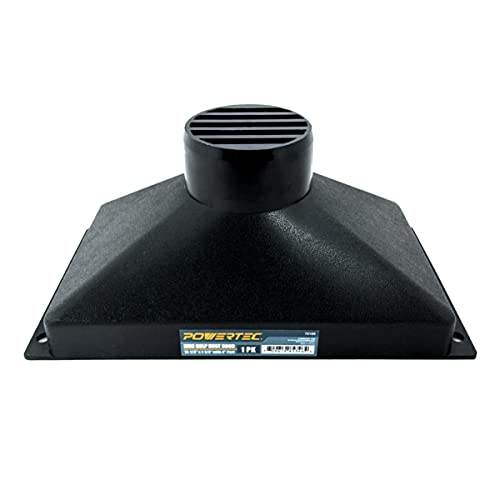
INCLUDES: Mini Dust Hood with 4 Inch Dust Port (Black)
Understanding the Importance of Effective Dust Collection

Have you ever walked into your workshop and felt that familiar tickle in your throat from all the dust in the air? It’s more than just an annoyance; that fine wood dust can mess with your health and your productivity. Breathing in those particles can lead to some serious respiratory problems and nasty allergic reactions. That’s why effective dust collection isn’t just about keeping things neat; it’s really about creating a safer place to work.
Here’s the deal: if you’re just relying on a single-stage dust collector, you might only be catching the bigger debris. But if you invest in a two-stage system, you’re tackling the problem head-on by capturing both coarse stuff and those pesky fine particles. This kind of thorough dust management not only keeps your workspace cleaner but also helps you work more efficiently.
Try this: think about the impact clean air has on your work. A high-quality dust collector, like a two-stage cyclonic system, can seriously reduce the time you spend cleaning up. Without that constant worry about dust buildup, you’ll find yourself getting more done and spending more time on your projects instead of maintenance.
So, why does this matter? Well, it’s about your health and how well you can focus on what you love to do. Truth is, investing in a good dust collection system is not just an upgrade; it can be a game plan for better productivity and a happier workspace. Many units with double filtration systems achieve 99.99% filtration efficiency to ensure the cleanest air possible.
In the end, a cleaner workspace means more time for your craft. What steps will you take to improve your dust collection?
The Mechanics of Two-Stage Dust Collectors: Enhancing Efficiency

Ever wondered how to keep your workshop air clean while working on that next big project? Two-stage dust collectors might just be what you’re looking for. These systems use a cyclone separator to catch larger particles before they even hit the blower. This means you won’t find as much sawdust and debris floating around, creating a healthier workspace overall.
What’s really neat about these collectors is how they’re designed. The longer cyclone body and cone boost the air’s interaction time, giving it a better shot at separating out both coarse and fine particles. After the cyclone, any fine dust gets funneled through a secondary filter that captures the tiniest bits—those submicron particles that single-stage systems often miss.
So, why does this matter? Essentially, with coarse debris being routed away from the blower impeller and filter media, you face less clogging and can slide by with less maintenance. Here’s the trick: making that switch could really extend the life of your filters.
Considering all of this, it’s no surprise that two-stage dust collectors are favored in woodworking shops. With their efficient multi-stage filtration, they genuinely help keep the workspace cleaner and maintenance lighter.
In the end, improving air quality doesn’t just make your shop a nicer place to be; it can also lead to better project outcomes. Using precision instruments like vernier calipers for your projects ensures measurements are accurate, complementing the cleaner environment two-stage collectors provide.
What are you doing to keep your shop air fresh?
Recommended Products

99.61% High Separation Rate: Utilizing cyclone separation technology, it quickly captures and separates dust particles with a separation rate of up to 99.61%, reducing the frequency of vacuum filter replacements.
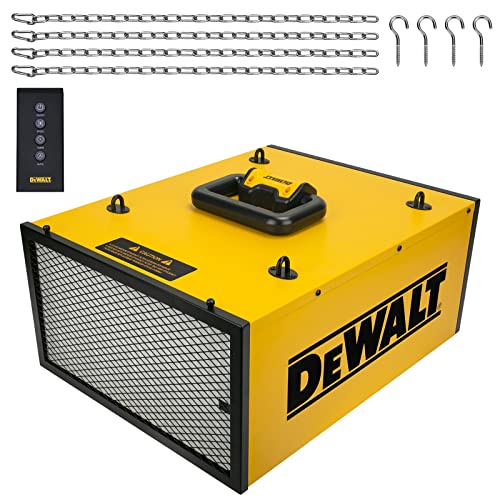
【2-STAGE FILTRATION】This dust collector is equipped with a 2-stage filtration system, featuring a static cotton pre-filter and an H11 HEPA filter, capable of capturing over 95% of 0.3 μ m particles, providing cleaner air for your workshop

Upgraded Dual Filtration System Comes with a 2.5-inch hose measuring 2 meters/6.56 feet Efficiently captures both large wood chips and fine dust particles, helping to keep your shop air cleaner and prolonging the life of your vacuum.
Comparing Filtration Efficiency: Single-Stage vs Two-Stage
Are you tired of dealing with dust clouds in your workshop? Figuring out the best type of dust collector can be a little confusing, especially when it comes to single-stage versus two-stage systems.
Single-stage dust collectors pull in all that dirty air directly into the impeller. This gets the job done, but it often comes with higher filter clogging rates and can miss a good chunk of those fine particles that linger in the air. So, if you’re looking for something that really improves air quality, this might not be your best bet.
Now, let’s talk about two-stage collectors. These bad boys have a cyclone separator that first kicks out the big stuff before it hits the filter. This separation means better airflow and a longer filter life. You’ll find they do a much better job capturing those pesky submicron particles that single-stage systems usually let pass by. Got a busy workshop? Then the two-stage system is definitely worth considering.
Here’s the trick: if you want cleaner air and reduced maintenance in your industrial space, go for a two-stage dust collector. You really can’t beat their efficiency in keeping things dust-free. Many high-quality dust extractors include automatic filter cleaning features that maintain peak performance by reducing manual maintenance.
Recommended Products

Portable & Compact Design: PureCare 1050IG featured a handle on the top of the machine, smaller size(14.57*9.45*11.81 in) and light weight(17.4 Lbs) design makes it more compact, with the handle you can easily grab it to move around, smaller size allows you to put it anywhere you want, extremely saving your space.

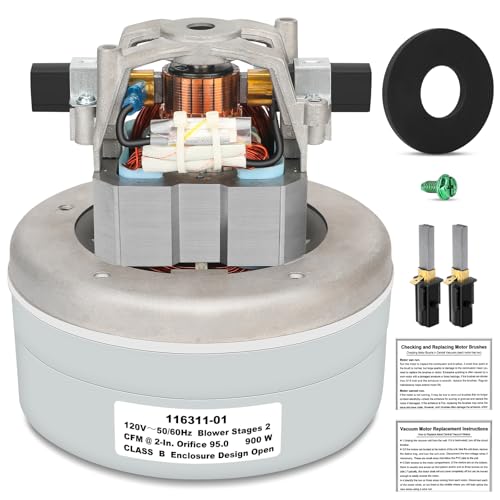
High Suction Power – The 116311-01 vacuum motor delivers strong and consistent airflow, maximizing cleaning efficiency for your backpack or canister vacuum.
Cost Considerations: Initial vs Long-Term Investment in Dust Collectors
Choosing the right dust collector can feel overwhelming. You’re probably wondering if you should go for the cheaper option or invest a bit more for something that’ll last.
Single-stage dust collectors might catch your eye with their lower price tag—around $800. That’s tempting, right? But here’s the kicker: while they’re easier on the wallet upfront, they often lead to higher maintenance costs. Frequent filter cleaning and replacements can add up quickly.
Now, think about two-stage cyclone systems. They’re priced around $4,000, which seems steep at first glance. However, these systems offer better efficiency and keep your filters from clogging. Lower operational costs mean you save money in the long run, making it a smart choice if you’re serious about woodworking.
So, why does this matter? Balancing your budget against future maintenance needs is crucial. You might be paying more upfront, but fewer headaches with upkeep can make a world of difference later on.
To wrap it up, whether you go for a single-stage or a two-stage system is a decision based on your needs and how much you’re willing to spend over time. Take a moment to think about your specific projects: Is it worth investing a bit more for peace of mind down the line?
Consider also the noise level, as most 1HP models operate within a 65 to 70 dB range, offering quieter performance that can improve your workspace experience.
Recommended Products

2-in-1 Two installation options for maximum flexibility Can be wall-mounted to save space, or used upside down with castors to ensure mobility and ease of use in workshops, woodworking rooms or contractor. Equipped with a 2‘’ to 2.5'' connector and a 2.5inch Hose The extended length of the hose is approximately 2 meters, and it comes with a bucket that has a capacity of about 5 gallons.

Advanced Cyclone Dust Separator for Maximum Efficiency -The compact dust separator design helps create strong airflow that efficiently directs dust and debris into the collection bucket before reaching your vacuum. It supports smooth and continuous airflow, helps reduce clogging, and maintains consistent suction performance during extended use for improved dust collection efficiency.

EFFICIENT DUST SEPARATION FOR WOODWORKING – This 4-inch cyclone dust separator kit captures heavy debris before it reaches your dust collector or shop vacuum, reducing wear and tear and extending equipment life.
Maintenance: Comparing Requirements for Single-Stage and Two-Stage Systems
Have you ever found yourself in the middle of a woodworking project, only to realize that your dust collector is struggling to keep up? You’re not alone. The maintenance needs of dust collectors can actually make a big difference in how well they work and how enjoyable your projects are.
Single-stage dust collectors are often on the front lines of this issue. With all the dust-filled air passing through the same filters, they can get clogged pretty fast—especially when you’re using tools like drum sanders. If you’ve noticed your suction power dropping off during heavy use, that might be why. Unfortunately, that means you’ll end up doing a lot of maintenance just to keep things running smoothly.
Now, if you’re considering a two-stage dust collector, you might find it a better option for your workshop. These systems do a great job of separating larger chips from the fine dust. Because of this setup, you’ll see less clogging of the filters, which means you won’t have to clean them as often. Yes, you’ll still need to do some periodic maintenance—like cleaning the cyclone—but at least you can stretch out those intervals a bit longer.
Proper dust separation techniques using separator kits can enhance the efficiency and longevity of two-stage systems.
So, what’s the main takeaway here? Two-stage dust collectors can offer a more efficient maintenance routine, which not only helps keep your air cleaner but also makes for a smoother working experience.
Have you thought about which system suits your needs best? The right choice could save you time and hassle in the long run.
Which Dust Collector Reduces Noise and Improves Your Workshop Comfort?
How can you create a quieter, more enjoyable workshop while tackling annoying dust and debris? If you’re serious about noise reduction, consider switching to a two-stage dust collector. These units do a much better job than single-stage systems. They separate coarse particles before they even hit the fan, which helps lower the noise generated by the blower.
Here’s the trick: using insulated flexible HVAC ducts can significantly cut down on sound transmission. This means you can work in a space that’s not just cleaner but more comfortable too. Cyclone dust collectors within these two-stage systems do a fantastic job of moving air efficiently while also keeping things quieter.
To further enhance the peaceful vibe in your workshop, think about adding baffled return ducts. They help manage noise levels even more, so you can focus on your projects without the constant distraction of dust and loud equipment. Additionally, choosing a dust collector with a motor power around 1 to 1.5 HP ensures optimal performance while maintaining manageable noise levels.
Recommended Products

【Strengthen Your Shop Vacuum 】By creating a small turbine-airflow inside the cone, the dust separator can effectively enhance the suction power of the shop vacuum, and capture 99.5% of debris from the air stream before it reaches your vacuum filter, eliminating clogged filters and suction loss.

【Professional Drill Dust Extraction Tool】The unique internal design and flexible seal to ensure dust containment, and professional dust extractor tool can provide a surface powerful suction of almost 8 lbs, it means that can be adsorbed to almost any surface easily and fast , giving you or family an eco-friendly and dust-free environment when drilling during extended use.

INCREASED SUCTION POWER - The original and still the best! Now 20% more efficient with Neutral Vane Technology, Oneida Air Systems' Dust Deputy cyclone uses centrifugal force to capture and remove up to 99.9% of dust and debris from the air-stream before it reaches your vacuum filter, eliminating clogged filters and suction loss!
Frequently Asked Questions
Can I Use a Vacuum Cleaner as a Dust Collector?
We can, but let’s consider: vacuums have limited collection capacity and lesser filtration systems. They might not match dust collectors’ efficiency. Plus, noise levels can be annoying. It’s worth weighing these factors before deciding!
How Do I Determine the Right Size Dust Collector for My Workshop?
To determine the right size dust collector for our workshop, we must consider collector sizing based on airflow requirements, assess our workspace dimensions, and guarantee compatibility with our tools for maximum efficiency and dust control.
Are There Specific Dust Types That Require Specialized Collectors?
Absolutely, specific materials like fine concrete or metal shavings need specialized filters for ideal collection efficiency. We should also consider equipment compatibility to guarantee our dust collectors effectively handle various dust types in our workshop.
What Are the Safety Regulations for Dust Collection Systems?
When it comes to safety, we’ve got to keep our dust collection systems under the watchful eye of compliance guidelines. Safety standards tackle dust explosion risks, while regular equipment maintenance guarantees we’re always one step ahead.
How Do Dust Collectors Impact Indoor Air Quality?
Dust collectors considerably improve indoor air quality by reducing airborne contaminants. Their filtration efficiency enhances respiratory health, promoting workplace safety. Together, we can create environments that support well-being and productivity through effective dust collection practices.


