As an Amazon Associate, we earn from qualifying purchases. Some links on this site are affiliate links at no extra cost to you. Our recommendations are based on thorough research and editorial judgment.

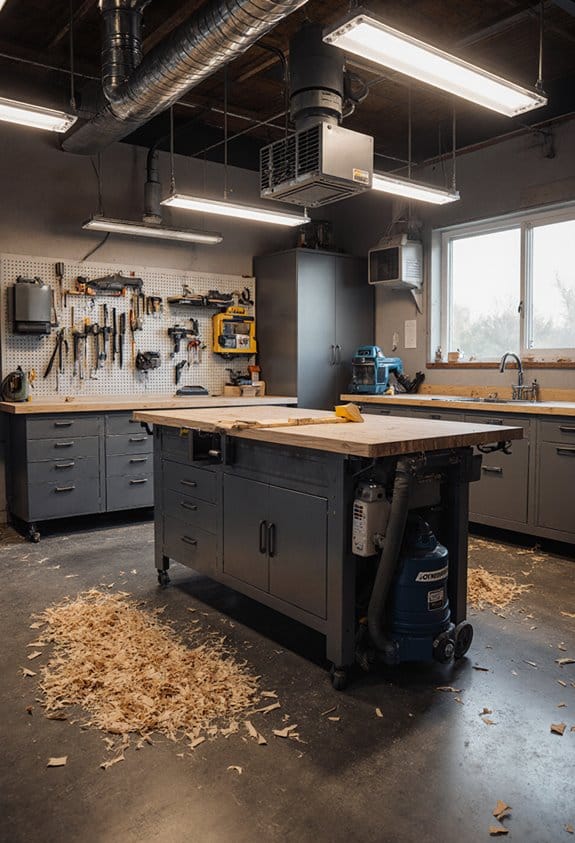
Understanding Lux and Lumens for Workshop Lighting

Ever feel like you’re working in the dark, even with the lights on? That’s a common issue in workshops where the right lighting makes all the difference. Understanding lux and lumens is key to making sure you have the best setup.
Lumens measure how much light a fixture puts out, while lux tells you how much of that light actually hits the surfaces where you’re working. For your workshop to shine, you should aim for 400 to 800 lumens per square meter. Got some tasks that require a bit more focus? You’ll want between 500 to 1,000 lux for those.
So, how do you figure it all out? Start by calculating your workshop’s size. Once you know the square footage, you can adjust your lighting accordingly. This approach not only boosts productivity but also keeps you safe while you work.
Here’s the trick: use a mix of general lighting and task lighting. General lighting will give you a balanced light across the whole area, while task lighting can help illuminate specific spots where precision is needed.
It’s all about creating a well-lit environment that makes your projects easier and more enjoyable. Truth is, good lighting is an investment in your workspace.
It can make all the difference between a frustrating, dimly lit area and a bright, inviting spot where creativity flows. So, how well is your workshop lit? It might be time to make some changes to ensure you’ve got the lux levels you need to work effectively!
Key Takeaways
- Lumens measure total light emitted, while lux indicates light intensity on a surface, essential for workshop lighting assessment.
- Aim for 400 to 800 lumens per square meter to achieve effective workshop illumination.
- For detailed work, target lux levels between 500 and 1,000 lux to enhance task clarity and reduce eye strain.
- Surface reflectivity influences the necessary lumen count; brighter surfaces require fewer lumens for adequate lighting.
- Regular fixture cleaning and maintenance maximize light output and ensure consistent lux levels for optimal productivity.
What Are Lumens and Why They Matter for Workshop Lighting
Have you ever struggled to see what you’re working on in your workshop? Lighting can make all the difference in how well you get things done. That’s where understanding “lumens” comes into play—they measure the total visible light emitted by a source, and they really impact how bright your workspace is.
For a well-lit workshop where you tackle detailed tasks, you should aim for about 400 to 800 lumens per square meter. When you have that kind of brightness, it allows you to focus better and reduces any eye strain. Think about it—if your lighting’s too dim, you might find yourself squinting or guessing, and that could lead to mistakes.
Switching to high-lumen LED fixtures, like high bay lights, is a smart move. These not only offer the brightness you need but also run super efficiently, giving you over 130 lumens per watt. So, if you’re considering an upgrade, these types of lights can really brighten up your space without breaking the bank on your energy bill.
The best part is that by picking lighting solutions that fit the layout of your workshop, you can really enhance visibility. Improved lighting not only helps you see better but also supports your overall productivity. Using fixtures with a color temperature between 4000K and 6000K helps create a daylight-like atmosphere ideal for detailed work. So, how’s your workshop lighting looking? It might be time for a change to create a more effective workspace.
Why Lux Matters for Your Workshop Lighting?

Have you ever struggled to see what you’re working on simply because the lighting’s not right? It’s frustrating, right? Lux is a measurement that tells us how much light hits a surface, which is super important when it comes to workshop lighting. If you’re into woodworking or tinkering with electronics, you’ll want lux levels between 500 and 1,000. This range really helps with accuracy and can cut down on eye strain.
So, if your workspace is more general, having around 300 lux might get you by, but keep in mind that the Illuminating Engineering Society actually suggests at least 500 lux for working with machines. Why’s that? Because it boosts safety and productivity, which is something all of us can appreciate.
You might find that switching to high-efficiency LED lighting lets you hit those lux levels without draining your wallet for energy bills. Plus, LED lights tend to last longer, which means less hassle down the road.
Truth is, by paying attention to how you light your workshop, you can create a more comfortable environment that helps you stay focused and avoids accidents. Do you really want to guess what you’re doing in low light? It’s worth taking the time to get it right! What lighting changes can you make today for a safer, more enjoyable workspace?
For optimal brightness and energy savings, consider LED shop lights that deliver high lumens output with efficient power consumption.
How to Calculate Ideal Lux Levels for Your Workshop
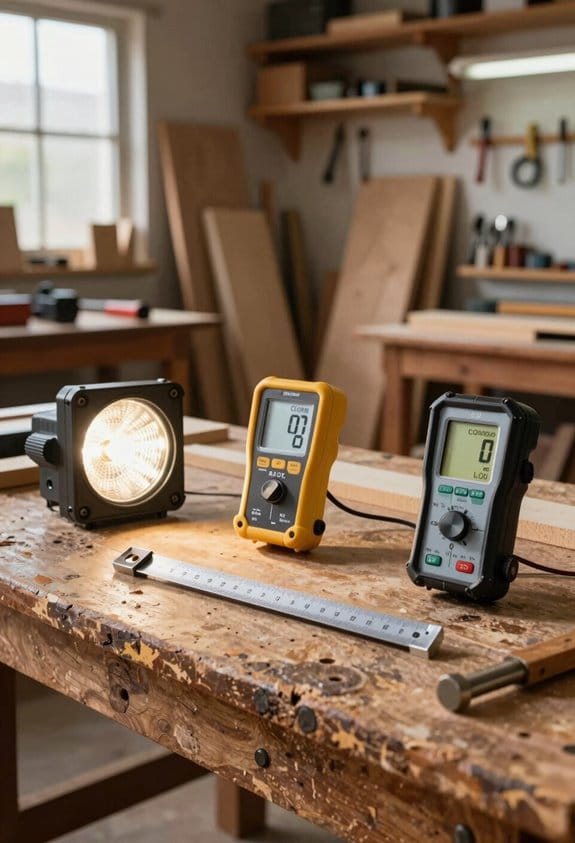
Calculating ideal lux levels for your workshop can feel like a daunting task, but it doesn’t have to be. Have you ever walked into a workspace that’s either glaringly bright or almost too dim to see? Getting the lighting just right is crucial for effective work, and it starts with understanding your needs.
To kick things off, think about the main tasks you’ll be doing. Most activities require anywhere from 300 to 1000 lux based on how precise you need to be. Next, grab a tape measure and find out the size of your workshop. It’s as simple as multiplying the length by the width. For example, if you have a 50 m² workshop and aim for 500 lux, that translates to needing about 25,000 lumens.
But wait—there’s more to it! Surface reflectivity can change the game, too. Lighter surfaces bounce light better, which means you might not need as many lumens to get the same brightness. So, it pays to think about your walls and floors.
Regularly checking in on your lighting setup is also key. Over time, bulbs lose their brightness (lumen depreciation), so keeping an eye on that ensures your lux levels remain consistent. Have you thought about when the last time you assessed your lights was? It could be time for a quick review to maximize safety and efficiency.
In workshops, proper dust collection is also vital, as maintaining appropriate airflow with a 1200 CFM dust collector improves air quality and reduces airborne dust particles.
In short, figuring out the right lighting for your workshop doesn’t have to be complicated. Just take the time to assess your needs and environment. What changes could you make today to improve your workspace lighting?
How Lux and Lumens Work Together
Are you struggling to get your workshop lighting just right? Understanding how lux and lumens interact can really make a difference in achieving the perfect brightness in your workspace. Lumens measure the total visible light a fixture puts out, while lux tells you how intense that light really is on a specific surface area.
So, here’s the trick: to get effective lighting, you’ll want to calculate the needed lumens based on the lux level you aim for and the size of your area. For example, if you have a 50 square meter workshop and you need about 500 lux, you’ll need a light output of around 25,000 lumens. This relationship between lux and lumens is key in designing a lighting plan that actually works.
But remember, it’s not just about cranking up the lumens. The brightness can vary depending on how far away the light source is and where you place the fixtures. Honestly, you also have to think about the tasks you do and how reflective the surfaces in your workshop are. For instance, matte surfaces can absorb more light, while shiny surfaces might bounce it around.
In the end, achieving the right workshop lighting doesn’t have to be a headache. By combining the right lux levels with adequate lumens, you’re setting yourself up for success every time you step into your workspace. So, what changes could you make today to brighten up your space? Consider also how durable materials used in your workshop setup can affect maintenance and longevity.
Optimal Lux Levels for Common Workshop Tasks
Ever been in a workshop where you can barely see what you’re doing? It’s frustrating, right? Achieving the right lux levels is key to making sure you’re safe and productive while tackling your projects.
For everyday tasks, stick to a lux level between 300 and 500. This range gives you decent visibility without straining your eyes. Now, if you’re getting into the nitty-gritty—like running machinery or assembling small parts—you’ll want to crank that up to between 500 and 1,000 lux. Why? Because precision is crucial when it comes to safety and success.
If you’re diving into detailed work, like soldering or crafting, aim for at least 1,500 lux. It makes those tiny details pop, and trust me, your eyes will thank you. And don’t forget about the walkways! Keeping them lit with around 200 to 300 lux helps everyone move around safely.
To ensure your overall workshop safety, consider using personal protective equipment like half mask respirators certified for dust and fume protection, especially in environments with airborne contaminants.
Ready to take your workshop lighting seriously? Following guidelines from the Illuminating Engineering Society can help you nail down an effective lighting plan that fits your needs. So, are you prepared to brighten up your workspace and boost your productivity?
Choosing the Right Lighting Solutions to Meet Your Lux Goals
When it comes to lighting your workshop, you might wonder: how much light do you actually need? It really depends on what you’re working on. For those detailed tasks—like precision crafting or intricate repairs—you’ll want around 500 to 1,000 lux. But when it comes to hallways or general areas, you can get away with just about 100 lux.
So, how do you figure out exactly how much light you need? It’s simple! Just multiply your desired lux level by the size of your workshop in square meters. For example, if your workspace is 50 square meters and you want 500 lux, you’ll need a total of 25,000 lumens. That sounds like a lot, but don’t worry. There are plenty of options to get that kind of output without breaking the bank.
Switching to energy-efficient LED lighting can really make a difference. They provide more lumens per watt, which means you can achieve that bright illumination while keeping your electricity bills low. Plus, let’s be real—who wants to spend a fortune on lighting?
Another easy tip? Keep your fixtures clean! Dust and grime can really dim your lights, which can throw off your lux goals. So, give those lights a quick wipe now and then to maintain brightness.
To sum it up, getting the right lighting in your workshop is about knowing your needs and making smart choices. For workspaces that need flexibility, using lamps with adjustable brightness settings can help tailor illumination precisely to different tasks. What tasks are you planning to tackle next that could use a bit of extra light?
Frequently Asked Questions
What Lux Level Should a Workshop Be?
For workshop lighting, we should aim for 300 to 1,000 lux, ensuring ideal brightness and safety. By considering lighting angles, color rendering, and energy efficiency, we’ll enhance task clarity and workspace comfort.
Is 10,000 Lux the Same as 10,000 Lumens?
No, 10,000 Lux isn’t the same as 10,000 Lumens. Lux explains light intensity on surfaces, while Lumens define total light emitted. For ideal workshop lighting, we need to understand these measurement comparisons for visual comfort and energy efficiency.
How Many Lumens Should a Workshop Light Be?
To achieve adequate ambient illumination, we need around 6,000 to 20,000 lumens, depending on piece type. Combining overhead lighting and task lighting enhances brightness control while ensuring energy efficiency and compliance with safety standards in our workshop design.
What Is Better, Lux or Lumens?
When we compare lumens versus lux, lux measurement benefits our workspace by ensuring ideal lighting techniques for safety and visual comfort levels. Choosing light fixtures, like LED over fluorescent, impacts lighting efficiency and workspace ergonomics greatly.


