As an Amazon Associate, we earn from qualifying purchases. Some links on this site are affiliate links at no extra cost to you. Our recommendations are based on thorough research and editorial judgment.
Understanding Permissible Exposure Limits for Dust

Do you ever think about how the dust in your workplace might be affecting your health? It’s easy to overlook, but understanding permissible exposure limits (PELs) for dust is vital for staying safe on the job. OSHA has set a PEL for respirable crystalline silica dust at 50 micrograms per cubic meter (µg/m³) during an 8-hour shift. If you hit 25 µg/m³, it’s considered an action level, which means your employer has to start monitoring things closely.
Now, let’s break this down a bit. You might hear terms like time-weighted averages (TWA) and short-term exposure limits (STEL). These concepts can feel a little overwhelming, but they’re important to know.
The best part is, by being aware of these limits and what they mean for your work environment, you can take steps to protect yourself from serious health risks like silicosis and lung cancer.
So, why does this matter? Well, nobody wants to deal with health issues down the line when they could have taken action earlier. Staying informed and advocating for better safety practices can truly make a difference.
All in all, keeping track of dust exposure limits is just one piece of the puzzle. It’s all about looking out for your well-being while you work. Are you taking the right precautions in your job?
Key Takeaways
- OSHA’s current Permissible Exposure Limit for respirable crystalline silica dust is set at 50 µg/m³ over an 8-hour workday.
- Dust PELs are established through collaboration with organizations like NIOSH, focusing on toxicity and health effects of dust exposure.
- Prolonged exposure to respirable dust can lead to serious health issues like silicosis and lung cancer, necessitating strict adherence to PELs.
- Employers must actively monitor dust levels and implement engineering controls to ensure compliance with PELs and protect worker health.
- Regular training and provision of adequate personal protective equipment (PPE) are essential for effectively managing dust exposure risks.
Understanding Permissible Exposure Limits (PELs) for Dust: What You Need to Know

Have you ever thought about how much dust you’re breathing in at work? When it comes to keeping our lungs healthy, understanding Permissible Exposure Limits (PELs) for dust is crucial. These limits, set by OSHA, define the highest levels of airborne dust we can safely be around while doing our jobs.
For those working in construction or mining, it’s important to know that the current OSHA PEL for respirable crystalline silica dust is 50 micrograms per cubic meter, averaged over an 8-hour workday. You’ll also encounter an action level of 25 micrograms per cubic meter, which means if you hit that mark, your employer is required to start monitoring and take preventive actions. This is not just red tape; it’s all about keeping you safe.
So, what can employers do to provide a safer work environment? They need to ensure you have the right Personal Protective Equipment (PPE) and effective engineering controls in place. Training is another key piece of the puzzle. Regular sessions on the risks of dust exposure help everyone understand why staying compliant is essential for our long-term health.
Seriously, do you take this stuff seriously? It’s easy to overlook, but being aware and proactive can make a world of difference. Keeping an eye on these limits helps protect more than just your lungs; it safeguards your entire well-being.
Using effective dust collection systems with high filtration efficiency can significantly reduce airborne dust levels in the workplace.
In short, understanding PELs for dust is one vital step towards creating a healthier workplace. Have you discussed dust exposures with your employer lately? It’s definitely worth bringing up!
How OSHA Establishes Dust PELs
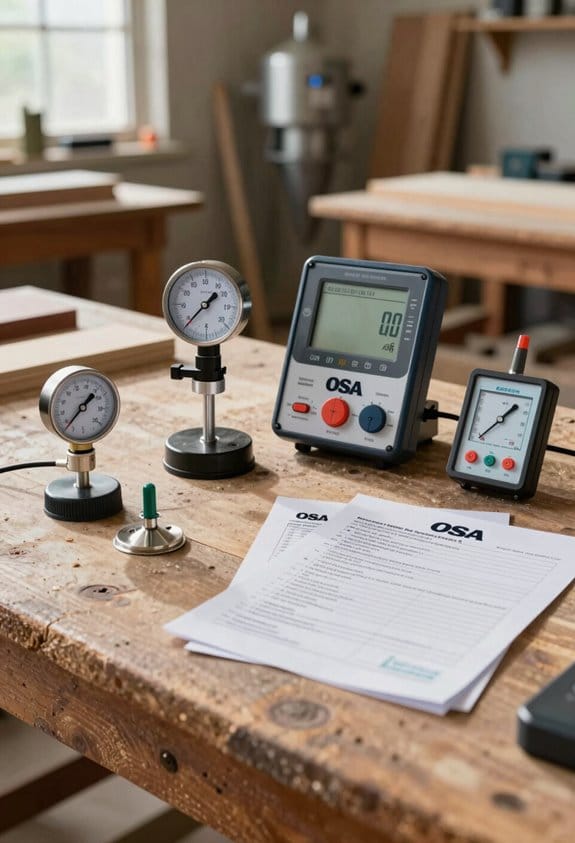
Dust PELs are crucial for keeping workers safe, but how exactly are they established? The Occupational Safety and Health Administration (OSHA) has a pretty thorough method in place. They dive deep into research and consult with organizations like NIOSH to determine these exposure levels. For example, the current OSHA PEL for respirable silica dust is set at 2 milligrams per cubic meter for an 8-hour workday. This helps cut down on the risk of serious health problems, like lung disease.
So, how does OSHA decide on these specific PELs? They take a close look at a few key factors, including the toxicity of various dust types, the sizes of the particles, and their health effects. This means employers have a responsibility to keep an eye on air quality and to put control measures in place when dust levels get too high.
Honestly, it can feel a bit overwhelming, but it’s all about keeping you safe on the job. OSHA doesn’t just set these standards and forget about them; they’re always reviewing and updating them as new information comes in. That’s a huge part of ensuring ongoing worker protection. Effective dust management often involves using HEPA filters which capture the finest harmful particles to maintain cleaner air quality in the workspace.
Types of Exposure Limits: TWA, STEL, and Ceiling Limits Explained

Ever wonder how safe the air you breathe at work really is? If you’re in an environment where dust or other nasty stuff floats around, understanding exposure limits is crucial. There are three main types to keep in mind: Time-Weighted Average (TWA), Short-Term Exposure Limit (STEL), and Ceiling Limits. These aren’t just techy terms; they’re your first line of defense for staying healthy on the job.
TWA is all about average exposure over an 8-hour workday. It helps assess if you’re keeping it within the Permissible Exposure Limits (PELs) over time, which is super important for long-term health. Here’s the trick: if you find yourself pushing those limits regularly, it might be time to rethink your work environment or safety measures.
Now, what about STEL? This one focuses on those short bursts of exposure that can happen during your shift. It allows for averages over 15 to 30 minutes, so you’re protected during those intense peaks. So, why does this matter? Well, short exposures can still have long-lasting effects, and you don’t want to be caught off guard.
Ceiling Limits are the big “no-no” numbers—they define the maximum concentration of harmful substances you can’t exceed at any time. If you hit that ceiling, it’s not just a warning sign; it’s a call to action. You want to ensure you never go over these levels to keep your workplace safe.
To stay compliant with TWA, STEL, and Ceiling Limits, effective monitoring and solid control measures are key. It’s not just about knowing the numbers; it’s about protecting yourself and your coworkers.
In a nutshell, keeping an eye on these exposure limits helps create a healthier work environment. It’s worth thinking about whether you’re familiar with the air quality in your workplace—could it use some improvement? Additionally, using dust management tools such as hose reducers can help reduce airborne particulates and improve workplace air quality.
Health Risks Associated With Respirable Dust Exposure
Ever wonder what’s really lurking in the air at your workplace? If you work in an environment like construction or mining, it’s not just the dust you see; there’s respirable dust, tiny particles that can make their way deep into your lungs. Prolonged exposure to this kind of dust, especially respirable silica, can lead to some serious health issues, including silicosis and even lung cancer.
Did you know that OSHA sets strict rules to protect workers? They have a permissible exposure limit (PEL) of 2 mg/m³ for an 8-hour workday. This means that even if you’re only breathing in high levels of dust for a short time, it can ramp up your health risks. It’s pretty alarming, right? Workers in jobs that involve heavy dust exposure, like those in construction or mining, are at a greater risk for diseases like black lung.
So, what can you do to protect yourself? It’s vital for employers to take this seriously by implementing engineering controls, like better ventilation systems, and providing proper personal protective equipment (PPE). You might think it’s just part of the job to deal with some dust, but it’s not worth compromising your health. Using specialized equipment such as M Class Dust Extractors can significantly reduce airborne dust and help maintain cleaner work environments.
Frankly, it all comes down to awareness and action. Understanding the risks of respirable dust can empower you to advocate for a safer workplace. Are you doing everything you can to protect your lungs? Let’s make health a priority, because no one should have to choose between their job and their health.
OSHA PEL for Specific Dusts: Silica and Wood Dust
Are you aware of the dust lurking in your workplace? It’s easy to overlook, but knowing the safety limits for things like silica and wood dust is crucial. For example, did you know that OSHA has a PEL for respirable crystalline silica? It stands at 50 micrograms per cubic meter (μg/m³) for an 8-hour workday, with an action level set at 25 μg/m³. That’s a specific standard to keep in mind.
When it comes to wood dust, the PEL changes a bit—it’s 5 milligrams per cubic meter (mg/m³) for softwood and 3 mg/m³ for hardwood, depending on the inhalable fraction. You might wonder, “Why should I care?” Well, both silica and wood dust can lead to serious health problems, like silicosis and even allergic reactions. So, it really does matter to keep tabs on those levels.
Here’s the trick: employers should actively monitor and control dust levels to make sure they stay below these limits. It’s not just about keeping workers safe; it’s also about avoiding any regulatory headaches. Simple steps can go a long way in making a healthier workplace.
At the end of the day, protecting your people is the key take-home message here. Think about it—how are you keeping dust at bay in your environment? Utilizing durable materials can be part of an overall strategy to maintain safety and reduce exposure risks.
Recommended Products

WARNING! These respirators help reduce exposure to certain airborne contaminants. Misuse may result in sickness or death. Before use, the wearer must read and understand User Instructions provided as a part of product packaging. Time use limitations may apply. Call 3M OH&ESD Technical Service at 1-800-243-4630. In Canada, call 1-519-452-6137 or 1-800-265-1840, ext 6137. . This product contains natural rubber latex which may cause an allergic reaction.


NIOSH APPROVED: N95 for at least 95% filtration efficiency against certain non oil based particles like dust and smoke. Compatible with a variety of eyewear
Beryllium PELs and Health Risks
Have you ever thought about the hidden dangers lurking in your workplace? While most of us know about the risks of dust from silica or wood, beryllium is another beast entirely that deserves our attention. In fact, OSHA has set a tight Permissible Exposure Limit (PEL) for beryllium at just 0.2 micrograms per cubic meter for general industry settings.
So, why does this matter? Well, inhaling beryllium or even getting it on your skin can lead to severe health issues like chronic beryllium disease and lung cancer. It’s crucial to keep these risks in check, and that starts with employers regularly conducting air sampling to make sure exposure stays under that PEL.
The best part is that when exposure risks pop up, employers need to step up with proper respiratory protection and effective control measures. Plus, there’s an action level set at 0.1 micrograms per cubic meter, which kicks off more monitoring and medical check-ups.
Honestly, protecting workers isn’t just a legal obligation; it’s a moral one too. Let’s really think about the people who are affected by this stuff every day. Are workplaces doing enough to keep you safe? Also, maintaining compliance with safety standards helps ensure that all protective measures and emergency responses are properly implemented.
Why You Should Regularly Monitor and Comply With PELS
When it comes to keeping our workplaces safe, monitoring Permissible Exposure Limits (PELs) is more important than you might think. You might not realize it, but allowing too much respirable dust in the air can lead to serious health issues down the line. The rule is pretty clear: you shouldn’t be exposed to more than 5 milligrams of respirable dust per cubic meter over an 8-hour workday. Sticking to this limit can make a real difference in preventing chronic respiratory diseases.
So, why does this matter? If employers take air sampling seriously and implement solid control measures, they’re not just protecting their workers; they’re also lowering their own liability, which is a win-win situation. It’s crucial to remember that ignoring these guidelines can lead to health problem repercussions that could last a lifetime.
To keep on top of dust exposure, continuous education is key. Regular assessments ensure that you’re informed about the current levels of risk and can make necessary adjustments. The best part is that prioritizing compliance with PELs means you’re not just looking out for yourself but for your coworkers too. Using a dust collector with high-efficiency filtration can significantly reduce airborne dust particles in your workspace.
Effective Strategies for Complying With PELS and Reducing Dust Exposure
Ever walked into a job site and felt the dust hit your lungs? That can be a real concern, especially with hazardous dust like silica floating around. If you’re running a business or managing a team, keeping your workers safe from these dangers is crucial. Let’s talk about some practical strategies to help you stay within OSHA’s permissible exposure limits (PELs) while ensuring everyone stays healthy and productive.
One straightforward way to address silica dust exposure—which is capped at 2 milligrams per cubic meter for an 8-hour workday—is through engineering controls. Think about installing good ventilation systems and exhaust hoods. These can be lifesavers in creating a safer work environment. Regular air monitoring is also a must. By testing dust levels in your workspace, you can see if your current setup is working or if it needs adjusting.
You might be thinking, “How can I be sure my team is safe?” Consider this: providing personal protective equipment (PPE) like respirators and protective clothing is essential, especially for workers in high-risk areas. It’s not just about compliance; it’s about taking real steps to keep your team protected.
Don’t forget about training and medical surveillance. Offering programs on dust hazards and the importance of compliance can greatly enhance your team’s understanding, leading to safer practices on the job. This part is vital; it’s where knowledge meets action.
Honestly, taking these steps isn’t just good for compliance—it fosters a culture of safety and responsibility among your workers. Additionally, incorporating a high CFM dust collection system can significantly reduce airborne dust by improving airflow capacity, making the environment safer and cleaner. So, what’s stopping you from making these changes?
Recommended Products

𝗡𝗜𝗢𝗦𝗛 𝗔𝗣𝗣𝗥𝗢𝗩𝗘𝗗 𝗦𝗨𝗣𝗣𝗟𝗜𝗘𝗗 𝗔𝗜𝗥 𝗥𝗘𝗦𝗣𝗜𝗥𝗔𝗧𝗢𝗥 – Designed for use with compatible Allegro low-pressure breathing air systems. Ideal for industrial environments such as painting, manufacturing, refinishing, and maintenance applications

LARGE LENS: Helps provide wide view for excellent peripheral vision. Scotchgard protector on lens for improved pain and stain resistance
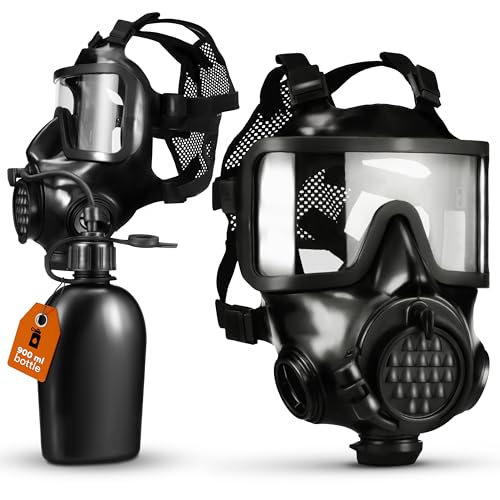
TOP-NOTCH MILITARY GRADE EQUIPMENT - This next-gen CBRN mask was specially engineered to meet and exceed the strictest military requirements. Combined with an appropriate filter, it can provide trusted protection from a full spectrum of toxic industrial chemicals (TIC) and chemical warfare agents (CWA) including chemical, biological and nuclear threats such as radioactive dust, noxious gases, vaporized pollutants, and more.
Choosing the Right Personal Protective Equipment (PPE) for Dust Exposure
Choosing the right personal protective equipment (PPE) for dust exposure is crucial, especially when you’re dealing with hazardous particles like silica. It’s not just about compliance; it’s about keeping yourself safe and healthy. So, what do you need? Effective respiratory protection is key. N95 respirators are pretty popular because they filter out at least 95% of airborne particles, including harmful dust and aerosols.
Now, if you’re an employer, it’s your responsibility to provide appropriate PPE based on the specific risks and results from air sampling. But don’t forget about the other protective gear that’s just as important! Goggles, gloves, and coveralls can make a big difference by shielding your skin from fine dust particles that can cause irritation.
Here’s the trick: regular training on how to use and maintain PPE is essential. Without it, even the best equipment won’t be effective in protecting against harmful dust. So, how do you make sure you’re using this gear properly? It starts with understanding its importance in your daily routine and committing to staying informed. For optimum protection, selecting respirators with the appropriate NIOSH rating is critical to ensure filtering efficiency and safety.
Recommended Products

𝐃𝐞𝐬𝐢𝐠𝐧𝐞𝐝 𝐟𝐨𝐫 𝐂𝐨𝐦𝐟𝐨𝐫𝐭, 𝐏𝐫𝐨𝐭𝐞𝐜𝐭𝐢𝐨𝐧, 𝐚𝐧𝐝 𝐋𝐨𝐧𝐠-𝐋𝐚𝐬𝐭𝐢𝐧𝐠 𝐔𝐬𝐞: Our adjustable disposable N95 Mask offer a reliable and convenient way to safeguard against particles, ensuring both safety and ease of wear throughout the day.
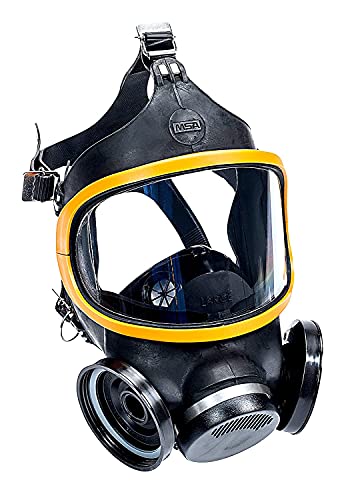
LOW COST OF OWNERSHIP: Mask reusability eliminates the costs of repair and replacement, all respirator components can be handled without special tools for quick maintenance and minimal downtime
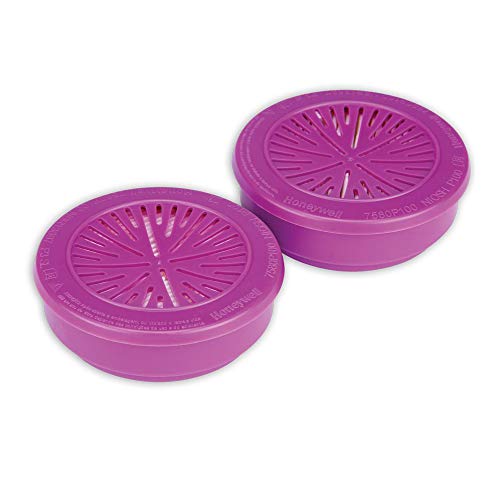
Made in united states
Resources for Education and Compliance Support on PELs
Finding reliable resources for education and compliance support on Permissible Exposure Limits (PELs) isn’t just a good idea—it’s essential for keeping everyone safe at work. Have you ever thought about how important it is to understand the limits for chemicals or dust exposure? It’s something that can protect your health and that of your coworkers.
One solid resource I’ve come across is the “Industrial Hygiene Basics” eLearning course. It offers a straightforward look into OSHA Silica standards and what the action level for dust means. Getting a grasp on these numbers can make a big difference in preventing health issues tied to long-term exposure.
So, what can you do to boost your workplace’s safety? Employers should really think about putting comprehensive safety programs in place. This means not only keeping tabs on air quality but also ensuring that everyone has access to Personal Protective Equipment (PPE). Without these measures, it’s like heading into battle without armor!
Truth is, using Environmental, Health, and Safety (EHS) management software can streamline compliance data. It simplifies keeping track of everything and can make communication about safety a lot clearer. Plus, regular training helps everyone stay updated on PELs and monitoring practices.
Honestly, it’s all about maintaining that safety culture at work. It’s not just a box to check off; it’s about making sure your team knows what to look out for and how to act. How do you keep your workplace informed about safety measures?
Using dust collection tools with proven cyclonic separation efficiency can further reduce airborne dust, complementing compliance efforts and protecting worker health.
Frequently Asked Questions
What Industries Are Most Affected by Dust PEL Regulations?
Oh sure, we’d love a cloud of dust! Construction sites, mining operations, and manufacturing plants are the real champions of dust PEL regulations. We’ve got our masks ready—seems like dust is just part of the fun!
How Often Should Dust Exposure Assessments Be Conducted?
We should conduct dust exposure assessments regularly, ideally quarterly, using frequency assessment strategies. By leveraging advanced dust monitoring technologies and implementing health impact evaluations, we can better protect workers and guarantee a safer environment.
Can Workers Refuse to Work if PELS Are Exceeded?
As the saying goes, “safety first.” Yes, workers can refuse to work if PELs are exceeded. We must prioritize worker rights, adhere to safety protocols, and guarantee continuous dust monitoring to protect everyone’s health.
What Are the Penalties for Non-Compliance With Dust PELS?
If we don’t comply with dust PELs, we could face serious non-compliance consequences, including regulatory enforcement actions. It’s essential to address workplace safety violations promptly to protect ourselves and our colleagues from potential hazards.
Are There Any Training Requirements Related to Dust Exposure?
“In the land of the blind, the one-eyed man is king.” That’s why we must guarantee robust employee awareness programs and strict training compliance requirements around dust safety protocols to safeguard everyone’s health and well-being.


