As an Amazon Associate, we earn from qualifying purchases. Some links on this site are affiliate links at no extra cost to you. Our recommendations are based on thorough research and editorial judgment.

Understanding Wood Dust Health Hazards and Exposure Limits

Have you ever thought about the air you breathe while working with wood? Believe it or not, wood dust can be a serious health issue. The World Health Organization has classified it as a Group 1 carcinogen, which means it can definitely increase the risk of cancer.
Exposure limits to wood dust aren’t the same everywhere. In the U.S., OSHA has set the permissible level at 5 mg/m³ for general wood dust and 2.5 mg/m³ specifically for hardwood. That might sound like a lot, but long-term exposure can lead to some heavy-duty respiratory problems.
Think about asthma or even sinonasal cancer. It’s pretty alarming when you consider how many people work with wood every day!
So, what can you do to protect yourself? Here are a few tips:
- Use effective ventilation in your workspace.
- Always wear personal protective equipment, like masks or respirators, if you’re sanding or cutting wood.
- Keep your work area tidy to minimize dust accumulation.
By staying informed and taking these precautions, you can create a safer working environment. It’s all about understanding the risks and limits we face.
Honestly, nobody wants to deal with serious health issues down the road. Taking these simple steps can make a huge difference.
Have you checked your workplace for dust hazards lately? It might be worth a look!
Key Takeaways
- Wood dust is classified as a Group 1 carcinogen, significantly increasing the risk of respiratory issues and sinonasal cancer with long-term exposure.
- OSHA sets permissible exposure limits for wood dust at 5 mg/m³ for softwood and 2.5 mg/m³ for hardwood, while NIOSH recommends 1 mg/m³.
- Common activities like sanding and sawing release considerable wood dust, making proper ventilation and effective dust control measures essential.
- Personal protective equipment (PPE) such as respirators and goggles is crucial for minimizing exposure and protecting workers’ health in high-risk occupations.
- Regular air monitoring and risk assessments ensure compliance with legal exposure limits and foster ongoing safety improvement in woodworking environments.
What Is Wood Dust and Why Is It a Concern?

Have you ever thought about the dust that’s swirling around while you’re working with wood? Often called sawdust, wood dust is that fine particulate matter produced when you cut, sand, or mill wood. At first glance, it might seem like a minor annoyance, but it’s worth paying attention to because it can pose serious threats to your health.
Wood dust isn’t just a nuisance; it can lead to some pretty significant health problems. We’re talking respiratory issues, skin irritations, and even a risk of cancer. In fact, the International Agency for Research on Cancer has labeled hardwood dust as a Group 1 carcinogen. That’s pretty alarming, right? Think about it: when you breathe in this dust, you’re opening the door to chronic conditions like occupational asthma. So, pay attention to your surroundings because that dust can really sneak up on you.
Here’s the kicker: OSHA has set a permissible exposure limit of 5 mg/m³ for wood dust, but for hardwood, it drops down to 2.5 mg/m³ because of the increased risks. That’s a clear indication that we need to be cautious.
How can you make your workspace safer? Try this: implement effective safety measures. Wear masks, use proper ventilation, and ensure you have dust collection systems in place. Little changes can make a big difference. Employing dust collectors with a minimum airflow of 1100 CFM significantly improves dust removal and air quality in your workshop.
Common Health Issues Linked to Wood Dust Exposure
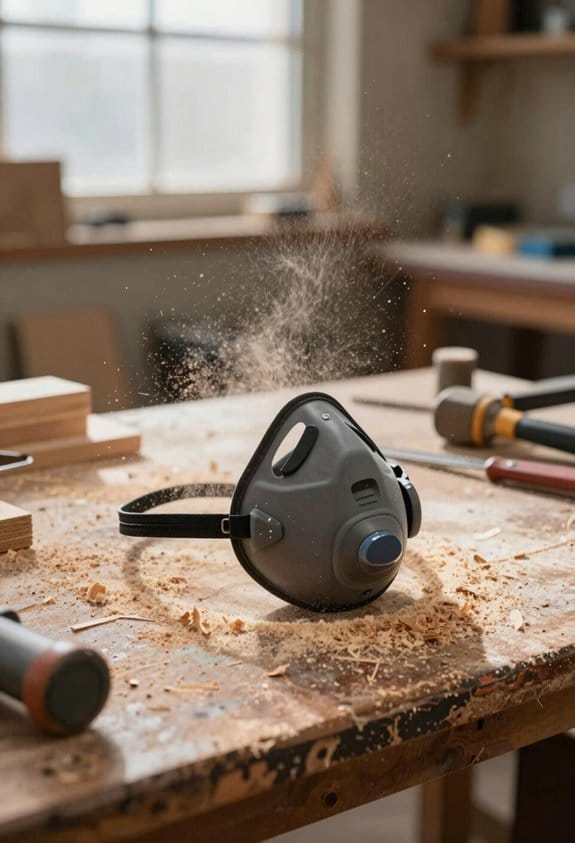
Have you ever thought about the hidden dangers lurking in your workshop? Wood dust isn’t just an annoyance; it can lead to some serious health problems, especially if you’re working with it day in and day out.
First off, let’s talk about respiratory issues. Ever heard of occupational asthma? It’s a nasty condition that affects carpenters and joiners four times more than those who don’t work with wood. That’s pretty alarming! Long-term exposure to wood dust can also lead to chronic obstructive pulmonary disease (COPD) and even sinonasal cancer. The World Health Organization has classified wood dust as a Group 1 carcinogen, which is a fancy way of saying it’s really dangerous to your health.
You might start experiencing symptoms like irritation in your eyes, nose, or throat. Skin issues, like dermatitis, are also common. So, why does this matter? If you don’t pay attention to these risks, your lung capacity could significantly drop over time.
Here’s the trick: effective dust control measures can make a big difference. Regularly clean your workspace, use vacuum systems that capture dust, and wear proper masks when you’re sanding or cutting. These small steps can greatly improve your work environment and protect your health. Using dust collection systems designed with 55-gallon drum setups can help efficiently contain and remove wood dust from your workspace.
In short, pay attention to wood dust. Your safety matters, and the steps you take today can make a huge difference down the line. Have you thought about what you can do to minimize your exposure?
Activities That Produce Wood Dust in the Workplace

Have you ever stopped to think about the wood dust swirling around as you work on your latest project? It’s easy to underestimate just how much dust is kicked up during tasks like sawing, sanding, milling, and routing. Those tiny particles aren’t just a nuisance; they can lead to some serious health issues if we don’t manage them properly.
Routine activities like cleaning up, maintaining your tools, or emptying out the dust collection systems can send dust flying right back into the air. This can really increase your exposure and create a more dangerous workspace. And if your ventilation isn’t up to snuff, it makes matters even worse. How many times have you realized that sweeping or blowing dust around with compressed air just stirs up a whole cloud of those harmful particles? It’s a wake-up call that we all need to take these overlooked activities seriously.
So, what can you do to protect yourself?
- Use proper dust collection systems: Invest in a good dust extractor to keep the air cleaner.
- Improve your ventilation: Make sure you’re working in a well-ventilated area. Fresh air can make a big difference.
- Limit sweeping: Instead of sweeping, consider using a vacuum with a HEPA filter to pick up dust safely without sending it flying.
- Wear a mask: A simple dust mask can go a long way in keeping harmful particles out of your lungs.
Truth is, being aware of how much dust these activities can generate is half the battle. By understanding and modifying how you work, you can create a safer environment for yourself while enjoying your woodworking passion.
Take a moment to assess your workspace: Are you doing enough to keep wood dust under control? Your health is worth the effort!
Additionally, using a desiccant dehumidifier can help manage moisture levels that often exacerbate dust and mold growth in your workspace.
Recommended Products

10x higher suction pressure than standard dust collectors and 20% more airflow through 4" ports than the classic Supercell!
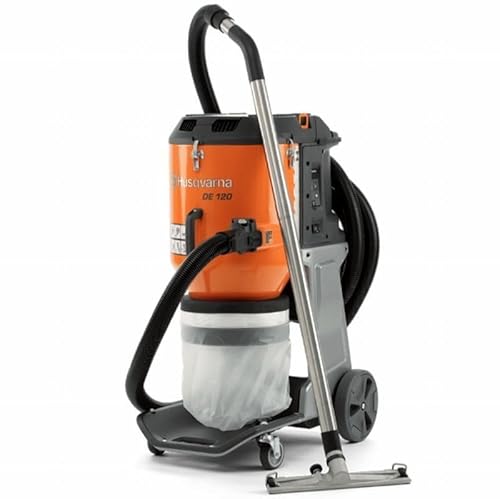
Continuous High Performance: The ingenious e-flow system automatically adjusts air flow to prolong time between filter cleanings, allowing operators to work longer without interruption

AUTOCLEAN: Enhanced automatic main filter cleaning ensures consistently high suction power. You can set cleaning intervals (15, 30, 60, or 120 seconds) via the app, providing thorough cleaning for heavily clogged filters.
Occupations at Higher Risk for Wood Dust Exposure
Have you ever thought about the dangers of wood dust when working in woodworking? It’s a real issue that many folks face, often without even realizing the extent of their exposure. If you’re in logging, sawmills, or furniture manufacturing, you’re probably at a higher risk due to all the wood processing going on around you. Those wood chips and fine dust particles can add up, and the health risks associated with this exposure can be significant.
Carpenters and construction workers need to watch out, too. Working with hardwoods can be tricky, especially since fine dust can trigger allergic reactions. Ever sneezed or felt itchy while working? That’s a sign your body might be reacting to the dust in the air. And let’s not forget about cleaning and maintenance crews in woodworking shops. When they sweep or vacuum, they stir up settled dust, sending harmful particles flying right back into the air.
Shipbuilding workers who handle wood materials are also at risk. If you’re sanding or finishing wood, those activities kick up a lot of dust clouds. It’s essential to keep safety at the forefront when you’re in these high-risk jobs, not just for compliance but for your own well-being.
So, what can you do? Make sure you’re using the right protective equipment, like masks and ventilators. Keep your workspace clean to limit dust buildup, and take regular breaks to step outside for fresher air. Utilizing a dust separator device can also greatly reduce airborne wood dust and improve air quality in your work environment.
At the end of the day, it’s about keeping yourself safe while you work. Are you doing enough to protect yourself from wood dust? Staying aware and proactive can make all the difference.
Recommended Products


Zorbent Commercial Industrial absorbent is fast acting and ultra-absorbent. It absorbs up to 6 gallons of liquid and replaces heavy clay, cat litter or diatomaceous earth alternatives. Absorbing 8-10X its weight, Zorbent ensures efficient cleanup and minimizes downtime.
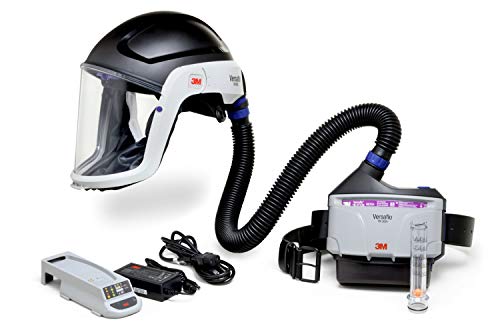
KIT INCLUDES: Respiratory hard hat assembly, PAPR unit, battery and charger, belt, particulate filter, filter cover, spark arrestor, pre-filter, breathing tube, and airflow indicator
Understanding Wood Dust Exposure Regulations
How do you keep yourself and your coworkers safe from wood dust exposure in your workplace? This is a serious question, especially if you’re in a line of work that involves cutting, sanding, or working with wood on a daily basis.
To create a safer work environment, you need to be aware of the legal exposure limits. In the UK, the law states that you shouldn’t exceed 3 mg/m³ for hardwood dust and 5 mg/m³ for softwood dust, with an important note that the combined total cannot go beyond 3 mg/m³. On the other side of the Atlantic, OSHA’s guidelines suggest a limit of 5 mg/m³ for most wood dust types. But if you’re looking for stricter recommendations, NIOSH has got you covered, advocating for only 1 mg/m³.
So, how do you ensure your air quality meets these standards? Regular air monitoring is key. You should aim for an eight-hour time-weighted average; this helps you confirm that your exposure levels are within safe limits. Keeping track like this isn’t just about compliance. It’s about protecting your health in an environment where wood dust can cause serious issues.
Frankly, it’s about being proactive. Ignoring these limits can put you and your coworkers at risk. Taking just a few steps to monitor air quality can make a big difference. Using a dust collector with a HEPA filtration system is highly effective in trapping harmful fine particles and maintaining clean air quality in your workspace.
How to Control Wood Dust Risks Effectively
Are you aware of the health risks posed by wood dust in work areas? It’s something many of us don’t think about until it’s too late. To tackle this issue, you’ve got to take some practical steps to protect your health and comply with safety regulations.
First off, investing in solid dust collection systems is key. You’ll want to look for systems with a good MERV rating; that can make a real difference in cutting down those airborne wood dust levels. Remember, keeping your workspace clean is crucial. Regularly maintaining your tools and tidying up can prevent dust from piling up and help improve the air quality around you.
Don’t underestimate the power of personal protective equipment (PPE) either. Wearing a respirator and goggles can shield you from harmful exposure. It seems like a hassle at times, but it’s a simple way to keep yourself safe.
Now, let’s talk about engineering controls. Setting up efficient ventilation systems is one of the smartest things you can do. These systems help keep dust concentrations down, creating a healthier environment to work in. It’s just common sense, right?
Moreover, it’s a good practice to monitor the air quality in your workspace regularly. Frequent air checks can help make sure that your wood dust levels stay below that critical limit of 5 mg/m³. Keeping tabs on this is vital for maintaining a safe working environment.
In addition, having ABC Dry Chemical Extinguishers readily available can enhance workplace safety by providing effective fire suppression options in case of emergencies.
Recommended Products

Impressive Filtration: The premium pleated table saw dust collector is designed for the Rockler 1250 CFM Dust Collector and captures dust down to an incredible 1 micron, enhancing the air quality in your workspace by up to 30 times

Circulate up to 1,300 cubic feet of air per minute

Powerful 1100 CFM Woodworking Dust Collection: The 1-1/2HP motor delivers up to 1100 CFM airflow to collect sawdust, wood chips, and fine dust from table saws, planers, jointers, sanders, band saws, routers, and other dust-producing woodworking machines
Importance of Ventilation and PPE in Wood Dust Safety
Are you working in a woodshop or doing some DIY projects? If so, you might be aware of the invisible dangers lurking in the dust you create. Wood dust isn’t just a nuisance; it can pose serious health risks if you’re not careful. That’s where good ventilation and personal protective equipment (PPE) come into play.
First off, effective ventilation is crucial to keeping the air clear. Have you ever noticed how dust seems to cling to everything? Installing local exhaust ventilation can help get rid of that dust right where it’s generated. This significantly lowers your exposure to those fine particles, helping keep air quality below OSHA’s limit of 5 mg/m³ for most wood types. It’s all about creating a healthier environment to work in.
Now, let’s talk about PPE. Most people think of it as just an extra step, but here’s the trick: it’s your best defense against breathing in harmful wood dust, especially when you’re sanding or cutting. A good respirator with the right filters acts as a solid barrier. It’s something you need to wear around dust-producing activities—simply put, it’s not worth the risk to skip it.
And don’t forget, keeping your ventilation and PPE in tip-top shape requires regular checks and maintenance. Make it a habit to inspect your equipment and train everyone on how to use PPE properly. This little effort can make a huge difference in reducing dust-related health issues and keeping your workspace safe. Using a dust collector with effective filtration efficiency can further improve air quality by capturing fine dust particles before they become airborne.
Recommended Products

WORK COMFORTABLY FOR LONGER: Powered airflow delivers filtered air across the face, helping woodworkers stay cooler and more comfortable during routing, sanding, turning and other dust-producing workshop tasks
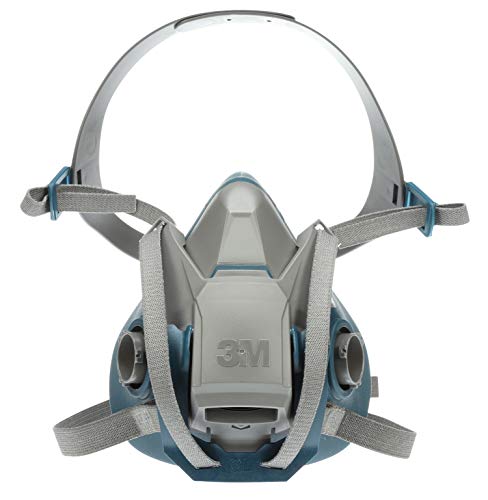

NIOSH APPROVED P100 particulate filter for respiratory protection against certain oil- and non-oil based particulates.
Recognizing Symptoms of Health Issues Related to Wood Dust
What do those annoying coughing fits, watery eyes, or dry, irritated skin say about the safety of your workspace? If you’re experiencing these symptoms, it might mean you’re dealing with wood dust exposure. This isn’t just a minor inconvenience; it can lead to more serious breathing problems like wheezing and shortness of breath.
If you work in the wood industry—like carpentry—here’s a shocking fact: your risk of developing occupational asthma increases fourfold. Prolonged exposure can also cause dermatitis, which manifests as itching and redness, especially in people with sensitive skin. And let’s not forget about the long-term effects. Research shows that exposure to hardwoods can even increase the risk of sinonasal cancer.
So, what can you do? Be alert to these symptoms. Regularly check your workspace for dust accumulation, and make sure you’re using appropriate personal protective equipment (PPE) like masks and goggles. Using a dust extractor with a HEPA filter can significantly reduce airborne wood dust particles, improving air quality and protecting your health.
The reality is, staying proactive can make a big difference in protecting your health in environments rich in wood dust. How are you keeping an eye on your workspace safety?
Best Practices for Wood Dust Collection Systems
Are you dealing with wood dust issues in your workspace? It’s a real challenge, especially in environments where wood is cut, sanded, or shaped. You definitely need a solid dust collection system to keep the air clean and make sure your health and the health of your coworkers stay top-notch.
By using filters with the right MERV rating, you can capture those tiny particles that often linger in the air. This matters because good air quality is essential for everyone’s well-being. On-tool extraction methods? They’re a must! These help catch dust right at the source, significantly cutting down on what ends up floating around the shop.
Regular maintenance is key. After all, you’ve got to stay within the safety guidelines set by OSHA, which say the exposure limit for wood dust is 5 mg/m³. If you haven’t checked your setup lately, it might be time to do so.
Let’s talk about ventilation. Incorporating industrial ventilation systems with HEPA filters can really take your dust collection to the next level. These systems enhance the efficiency of dust extraction, ensuring that what little dust does escape is captured before it can become a problem.
Thinking about going automated? That can really boost operations while keeping your space cleaner and safer. By reducing hazardous accumulations, you create a workplace that’s not only more efficient but also less stressful for everyone involved. Selecting dust collectors with high filtration efficiency like 99.99% can significantly improve air quality and reduce maintenance needs.
Recommended Products
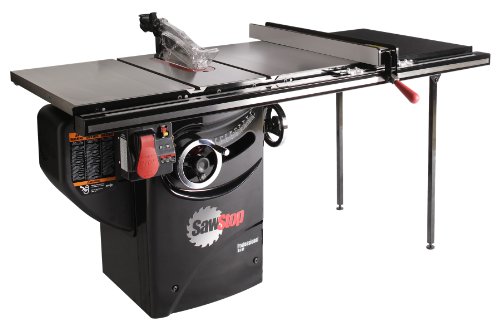
36-INCH T-GLIDE FENCE ASSEMBLY: The 36-inch T-Glide Fence & Rail are made of heavy-gauge steel for sure lockdown and reliably square cutting for years without deflection.
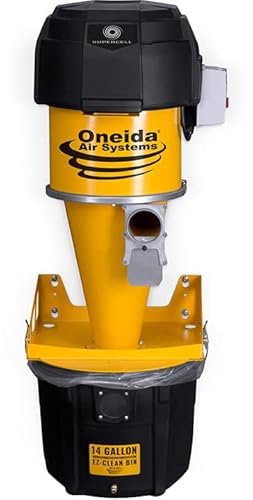
10x higher suction pressure than standard dust collectors and 20% more airflow through 4" ports than the classic Supercell!

10X HIGHER SUCTION POWER than standard dust collectors and the only dust collection system on the market with high enough levels of static pressure (WC) and airflow (CFM) to effectively capture and contain dust from every tool in the shop with a dust port size of 1” to 5”. BEST DUST COLLECTOR – Popular Mechanics 2020 Tool Awards
Maintaining a Safe Work Environment When Handling Wood Dust
Creating a safe work environment when you’re handling wood dust is about more than just having a good dust collection system; it’s a mix of smart practices that work together. Ever thought about how easily wood dust can become a health hazard? That’s why it’s crucial to have effective ventilation systems with HEPA filters. These not only cut down on airborne dust but also help you stay within OSHA’s limit of 5 mg/m³.
Don’t forget the regular clean-ups, either. Keeping your workspace, tools, and dust collection systems clean can really help in lowering wood dust buildup. It’s a bit of a hassle but worth it when you’re keeping your health in check. You should also make sure to provide personal protective equipment like respirators, goggles, and gloves. These are no-brainers; they’re your first line of defense against the dust.
And let’s be real; risk assessments and air monitoring aren’t just bureaucratic red tape. They help you stay within the legal limits set by COSHH. So, why does this matter? Because it gives you peace of mind knowing you’re working in a safe environment.
Here’s the trick: set up training programs focused on wood dust safety. When everyone understands the risks and knows how to protect themselves, it fosters a better safety culture. You want your team to feel comfortable and informed—it pays off in the long run.
In short, taking the right steps can help you manage wood dust effectively and create a safer workplace. Have you considered how these practices could improve your work environment? Using dust extractors with automatic HEPA filter cleaning can further reduce airborne particles and maintenance effort.
Frequently Asked Questions
Can Wood Dust Cause Long-Term Health Effects?
Yes, wood dust can cause long-term health effects. We might experience chronic respiratory issues, allergic reactions, and increased lung cancer risks, depending on wood species toxicity. Effective dust control is essential to minimize these risks.
What Types of Wood Generate the Most Hazardous Dust?
Imagine a forest where hardwood dust dances like wisps of smoke. Softwood dust trails in its wake, while treated wood and exotic woods spin their own tales during sawmill operations, each creating unique hazards we must heed.
How Can Wood Dust Affect Productivity in the Workplace?
Wood dust can lower woodworking efficiency and disrupt the workplace environment. By prioritizing dust control, adhering to health regulations, and providing employee training, we can enhance productivity and guarantee a safer, healthier workspace for everyone.
Are There Specific Wood Dust Safety Certifications or Standards?
It is understood it might seem overwhelming, but adhering to industry standards and health guidelines, several wood dust safety certifications exist. These guarantee exposure limits are met, protecting us all while promoting a safer workplace environment.
What Should Workers Do if Exposed to Excessive Wood Dust?
If we’re exposed to excessive wood dust, we should follow workplace policies, report our exposure, undergo health monitoring, attend safety training, and use respiratory protection to guarantee our health and safety are prioritized effectively.