As an Amazon Associate, we earn from qualifying purchases. Some links on this site are affiliate links at no extra cost to you. Our recommendations are based on thorough research and editorial judgment.

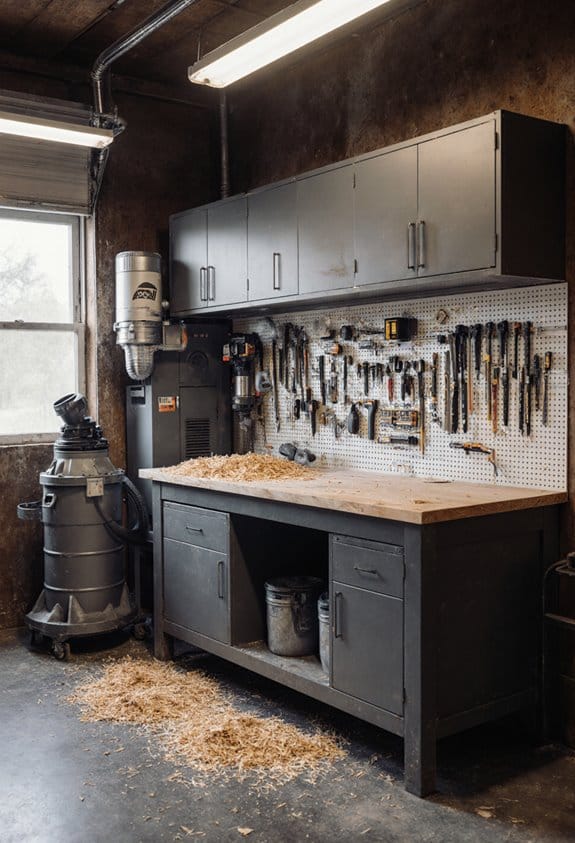
Chemical Storage Safety: Organization and Ventilation

Are you concerned about how to safely store chemicals in your workspace? It’s a valid worry, especially when it comes to keeping hazardous materials organized and properly ventilated. Let’s dive into some real-life tips that can genuinely make a difference.
First, you need to get those labels on your hazardous materials. Clear labeling is crucial—not just for you but for anyone who might need to respond to an emergency situation. It’s simple, but it really helps.
Also, make it a habit to do regular inventory checks. These checks can help you stay compliant and ensure you know what you have on hand.
When it comes to flammable chemicals, don’t skimp on safety. It’s essential to use cabinets that are approved by the National Fire Protection Association. These cabinets should have ventilation systems that operate continuously. Why? Because you want to avoid fume buildup that could lead to dangerous situations.
Now, let’s talk about corrosive substances. Treat them with care since they can cause serious harm if not managed properly.
Make sure you regularly maintain both your storage and ventilation systems. Keeping everything in check goes a long way in creating a safe environment.
Frankly, it’s about creating a space that feels secure and organized. Taking these steps might seem straightforward, but they can drastically improve safety in your workspace.
So, are you ready to step up your chemical storage game? Remember, safety starts with you!
Key Takeaways
- Proper organization of chemical storage enhances safety by preventing clutter and ensuring easy access to hazardous materials’ information.
- Utilizing well-ventilated safety cabinets minimizes risks by directing harmful fumes outside and maintaining compliance with safety regulations.
- Regular inspections of chemical storage and ventilation systems help catch issues early, ensuring safety equipment remains functional and effective.
- Implementing secondary containment measures prevents spills and accidents when handling flammable or corrosive materials.
- Continuous training on chemical safety practices fosters a culture of safety and prepares personnel for emergency situations.
The Importance of Organizing Chemical Storage
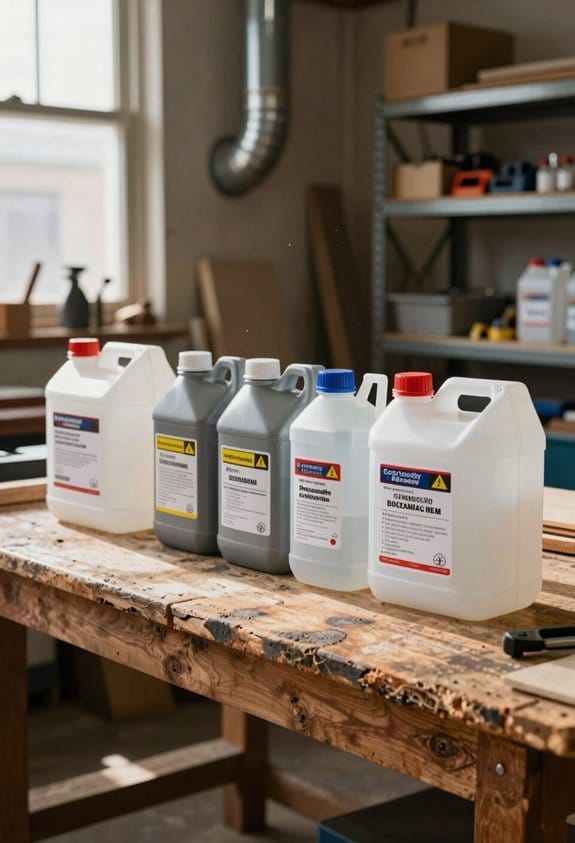
Ever found yourself rummaging through a cluttered chemical storage area, unsure if you’re about to grab something safe or hazardous? It’s a frustrating scenario, and it underscores why organizing chemical storage really matters. When everything’s in its place, not only do you enhance safety, but you also create a more efficient workspace.
One key step is to properly label all hazardous materials. Instead of vague terms, use full names and list the risks. This way, everyone can quickly identify what’s in each container and react appropriately in an emergency. So, why does this matter? Simply put, clear labeling can be the difference between a minor incident and a major disaster.
Another important tip is to keep flammable, toxic, and corrosive materials separated. Designate specific areas for these substances to minimize hazards and avoid any dangerous reactions. It’s a simple organizational strategy that goes a long way in preventing accidents. Regularly checking and updating your inventory is also essential. Keep an eye on expiration dates so you can dispose of expired materials right away. Clutter not only takes up space but can lead to non-compliance with safety regulations.
Truth is, regular inspections of your storage area can save you a lot of trouble. Take the time to look for damaged or outdated materials. It helps you catch potential risks before they become an issue, showing your commitment to a safe workspace. For added safety, consider installing fire extinguisher brackets strategically within your storage area to ensure quick access during emergencies.
How Ventilation Affects Chemical Storage Safety
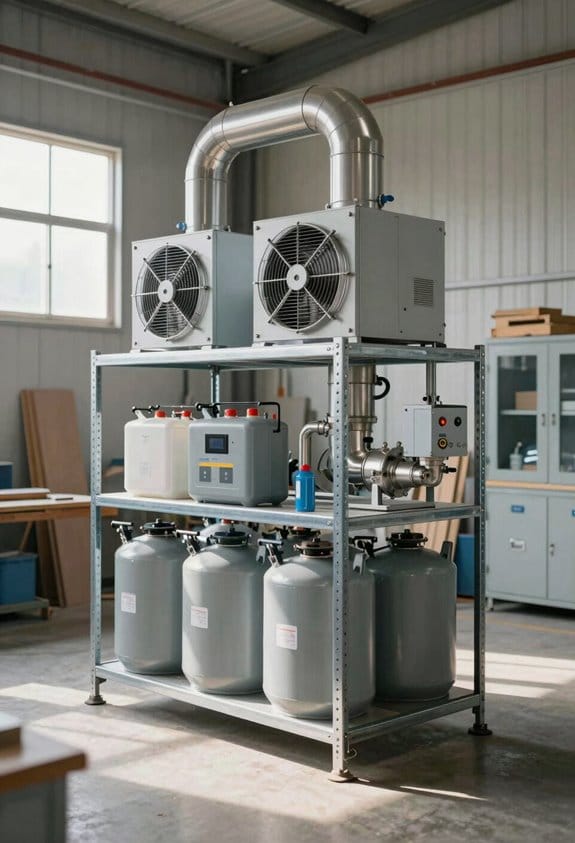
Have you ever thought about how important ventilation is in chemical storage areas? It might not be the first thing on your mind, but it’s crucial for keeping safety levels high, especially when you’re dealing with hazardous materials. Without proper airflow, dangerous fumes, particularly from flammable substances, can build up and create explosive situations.
To tackle this issue, using mechanical ventilation systems is a must. These systems are designed to effectively remove those hazardous fumes while ensuring they don’t recirculate back into the air. The best part is, keeping these systems running continuously helps maintain a safe environment.
Don’t overlook the importance of using safety cabinets with proper venting. It’s essential for securely storing toxic substances. Also, make it a habit to do regular inspections and maintenance on your ventilation systems. This not only helps you stay compliant with regulations but also ensures everything is running in top shape, minimizing the risks that come with poor airflow.
For enhanced efficiency, consider integrating dust collectors with high filtration efficiency to capture fine particles and improve overall air quality.
Best Practices for Chemical Storage Safety With Flammable Materials
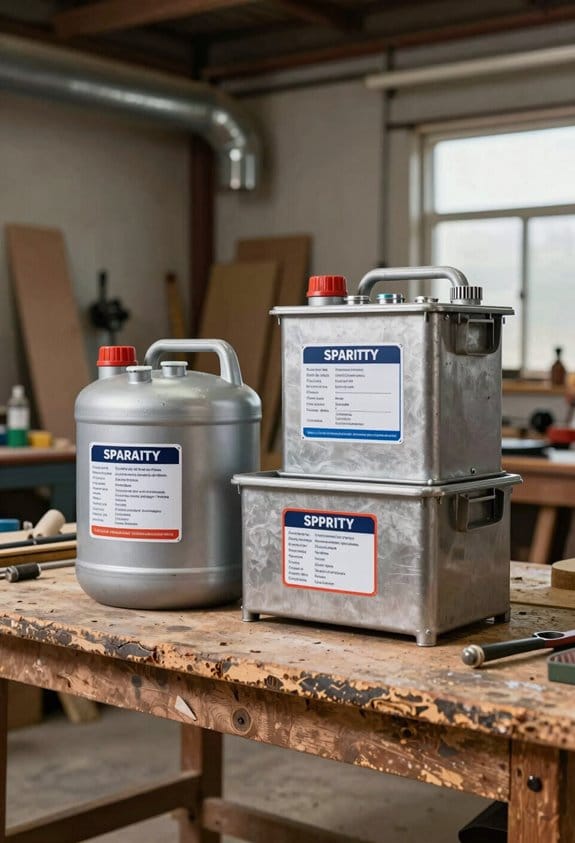
When it comes to storing flammable materials, safety should be at the forefront of your mind. It’s not just about following the rules; it’s about protecting yourself and those around you. So, how can you ensure you’re doing it right?
First off, make sure you’re using National Fire Protection Association-approved cabinets. These aren’t just any cabinets; they’re designed to keep fire risks to a minimum. Plus, look for ones with a ventilation system that can direct any fumes outside. Why is this important? Because trapped fumes can lead to dangerous buildup, and nobody wants that.
Now, don’t overlook understanding the flash points of the materials you’re dealing with. Classes IA and IB have flash points below 73°F (23°C), which means they need some extra love and care. Make it a habit to inspect your storage areas regularly. Keep an eye out for any expired or damaged materials that could pose risks.
Here’s a tip: Always use secondary containment when you’re transporting flammable chemicals. This simple step can save you from spill risks when handling them. To further enhance safety, choose cabinets constructed from heavy-duty materials designed to withstand impacts and corrosion.
So, take the time to ensure you have everything in place, because that’s how we all stay safe around these potentially dangerous materials.
Effective Ventilation Systems for Chemical Safety
Have you ever considered how a simple thing like ventilation can impact safety when dealing with chemicals? It’s one of those aspects that often gets overlooked, but a good ventilation system is crucial, especially when you’re working with hazardous materials. These systems aren’t just nice to have; they’re required to comply with standards like the International Fire Code and NFPA 30.
To keep things safe, you need to ensure these systems effectively whisk away toxic fumes from flammable liquids. Keeping those fans running continuously is important to avoid recirculating any dangerous fumes. You really want to create a secure environment, particularly during storage and dispensing.
Proper venting is essential too. By arranging it according to NFPA 91-199 standards, you’re ensuring the air paths won’t mess with your fire safety conditions. The best part is that you can design your setup to tackle fumes right at their source. Aim for at least two low-level vents to make that happen.
Don’t forget the importance of regular inspections. They help confirm that you’re following local regulations and underline the need for safety when storing hazardous chemicals. Truth is, this isn’t just about compliance—it’s about protecting livelihoods and lives. Additionally, incorporating dust collection systems with HEPA filtration efficiency can further enhance air quality by removing harmful airborne particles during chemical handling.
Why Ventilated Cabinets Are Essential for Chemical Storage
Have you ever wondered how to keep your workspace safe when storing chemicals? Ventilated cabinets are a real asset when it comes to handling chemical storage. They do a fantastic job of reducing risks linked to airborne toxins and flammable vapors that can reach dangerous levels if there’s not enough airflow. Without proper ventilation, those harmful fumes can build up quickly in lab environments.
One of the biggest benefits of these cabinets is that they help prevent dangerous situations like fires and explosions. You see, stagnant air can lead to high concentrations of volatile chemicals, and that’s a recipe for trouble. By ensuring there’s adequate ventilation, you create a safer atmosphere for everyone working in the lab.
These ventilated cabinets often come equipped with exhaust systems that meet safety regulations, like NFPA 30 and OSHA standards. This compliance doesn’t just sound good on paper; it really helps keep you and your co-workers protected.
Regular inspections and maintenance are crucial to ensure ongoing protection from hazardous chemical exposure in ventilated storage.
How to Safely Manage Toxic Chemicals
Have you ever thought about the potential dangers of toxic chemicals in your workplace? It can be scary, right? Managing these substances safely is vital for keeping yourself and your colleagues safe.
First things first, you should always wear the right Personal Protective Equipment (PPE). Wearing chemical splash goggles and rubber gloves can make a big difference in reducing your exposure risks. It might seem like a hassle, but don’t skip this step—your safety is worth it.
Next, keeping an inventory of hazardous materials is key. It’s essential to make sure that only authorized personnel handle these substances. And always label everything clearly. If everyone knows what’s what, it helps cut down on accidents.
When you’re working with toxic chemicals, try to stick to designated areas. These spots should have spill containment systems and ventilation systems designed to direct harmful fumes away from you and your coworkers. Speaking of safety, regular inspections of chemical containers and storage areas are a must. This way, you can catch expired or damaged materials before they become a problem.
Using proper lighting, such as daylight-like illumination, can also improve visibility and reduce accidents in storage and workspace areas.
So, why does this matter? Because safety isn’t just about following rules—it’s about protecting the people you work with every day. Together, we can create a safer environment for everyone, and that’s something we can all support.
In short, pay attention to your safety gear, keep a close eye on your materials, and work in the right spaces. It’s all about staying safe and aware. What steps are you taking to ensure a secure work environment?
Best Practices for Safely Storing Corrosive Chemicals
Have you ever thought about how to safely store corrosive chemicals? It’s a big deal, especially if you want to avoid accidents and keep everyone safe. Using storage cabinets made from corrosion-resistant materials, like stainless steel, is a smart move. These materials not only protect the containers but also safeguard the surrounding environment, which is something you definitely want to think about.
So, how can you ensure that these hazardous materials are properly stored? It’s crucial to keep them separate from other chemicals. Mixing them can lead to dangerous reactions and cross-contamination, which no one wants to deal with. Also, don’t underestimate the importance of ventilation. A good ventilation system with exhaust fans and ductwork is vital; it helps disperse corrosive vapors and keeps the air quality in check. You don’t want harmful fumes lingering around.
Regular inspections are a must! Checking storage areas for leaks, damage, and making sure everything is properly labeled is a key part of safety compliance. This helps catch any potential dangers before they turn into real problems. And let’s not forget secondary containment systems or spill containment trays—these can save you a lot of heartache by managing spills or leaks effectively.
Truth is, keeping corrosive chemicals safe is all about being proactive. By following these tips, you can minimize risks to both personnel and the environment. So, what steps are you taking to ensure your chemical storage is safe? Additionally, incorporating surge protection devices like timer power strips can enhance safety by preventing electrical faults in storage areas.
Understanding OSHA Regulations for Chemical Storage Safety
Have you ever thought about how crucial it is to store chemicals safely? It’s more than just a safety issue; it’s about compliance with OSHA regulations that protect you and your workplace. Trust me, understanding these regulations is essential because it can really help you mitigate risks and avoid big problems down the road.
First off, every chemical container needs to be clearly labeled. That label should tell you what the chemical is, what hazards it poses, and who made it. This isn’t just for fun—these labels are there to ensure proper handling and prevent accidents.
Also, keeping an inventory of all hazardous chemicals is a must. You should always know what you have on hand and where it’s stored. Here’s another tip: make sure that Material Safety Data Sheets (MSDS) are easily accessible. These sheets provide crucial safety information and guidance on handling and emergencies.
And let’s not skip over the Process Safety Management (PSM) standards. They’re super important when it comes to handling and storing highly hazardous chemicals. By following PSM guidelines, you can greatly reduce the chance of accidents occurring in the first place.
Training plays a big role too. Regularly coaching your team on safe practices and emergency responses fosters a culture of safety in the workplace. It doesn’t just prepare everyone for the worst; it also builds a sense of teamwork and responsibility. Don’t forget: documenting your chemical inventories and training efforts is smart. Keeping a record can help you stay compliant and steer clear of hefty fines during inspections.
Truth is, chemical safety isn’t a one-time thing. It’s about creating an ongoing commitment to safety around those materials. Additionally, having organized accessibility to emergency supplies ensures you can respond quickly if an incident occurs. So, is your workplace as prepared as it should be? It’s worth taking a closer look.
Regular Maintenance Strategies for Chemical Storage Safety
Keeping chemical storage areas safe isn’t just about knowing the rules from OSHA. It’s about putting some real effort into regular maintenance that keeps everything secure and compliant. Here’s why that matters: if you don’t stay on top of things, you might end up with expired or damaged materials stirring up trouble. A solid inspection routine can help you catch these issues early on.
Stay cool under pressure with an updated inventory of your hazardous chemicals, which should always include Material Safety Data Sheets (MSDS). These sheets are your best friend in an emergency; you want to grab them fast if something goes wrong. And let’s talk about ventilation systems. Checking fans and ductwork for any signs of corrosion or blockages isn’t just busy work; it’s crucial to prevent any risky buildup of dangerous fumes.
The integrity of your safety cabinets can’t be overlooked either. Make it a habit to schedule regular checks to see if they’re still functioning like they should. Are they well-vented? Do they meet NFPA standards? A simple routine can go a long way in ensuring they’re doing their job.
Don’t underestimate the power of documentation. Keeping a record of your maintenance activities creates accountability and makes inspections feel like a breeze. You’ll not only be compliant but also prepared for anything that comes your way.
Additionally, using tools made from high-carbon steel for maintenance tasks ensures durability and precision in your safety checks.
Frequently Asked Questions
What Are the Ventilation Requirements for Chemical Storage?
In our quest for safety, we acknowledge that proper storage cabinet ventilation requires efficient exhaust systems and chemical fume hoods for air circulation, ensuring hazardous materials don’t linger and compromise our environment. We’ve got to prioritize this!
What Is the Role of Ventilation in Chemical Safety?
Ventilation systems play an essential role in chemical safety by ensuring proper air quality, preventing hazardous chemical fumes accumulation. When we design our workspace, we must incorporate effective safety equipment that promotes a safe working environment.
What Are the OSHA Guidelines for Chemical Storage?
We’re not hoarding potions for a mad scientist’s lab! OSHA’s guidelines stress labeling requirements, chemical compatibility, proper storage containers, spill containment, and emergency response to keep our workplace safe from hazardous surprises.
What Are the 4 Safety Precautions to Be Adhered When Storing Chemicals?
When storing chemicals, we must guarantee proper container labeling, maintain a diligent chemical inventory, utilize spill containment measures, monitor chemical compatibility, and establish clear emergency procedures to guarantee safety and compliance in our environment.


